
Checking the authenticity of BTS merchandise—often referred to by fans as BTS merch—requires a systematic approach that combines physical inspection with digital verification. With the massive global popularity of the group, the market has seen an influx of counterfeit goods that mimic official releases. To ensure your items are genuine, you must examine specific security features like holographic stickers, inspect the print and material quality, and utilize official verification tools like the Weverse Shop application.
Why Authenticating BTS Merch Matters
The global demand for BTS merch spans a vast array of products, from music albums and concert lightsticks to apparel, lifestyle accessories, and highly collectible stationery. This immense popularity makes the brand a prime target for unauthorized manufacturers who produce counterfeit items to exploit unsuspecting fans. Buying fake merchandise carries several direct disadvantages for consumers. Counterfeit items are typically made from inferior materials, leading to rapid wear, fading, or structural failure. For instance, fake apparel may shrink or fray after a single wash, while counterfeit stationery may suffer from poor binding and thin paper that easily bleeds ink.
Furthermore, purchasing unauthorized goods redirects financial support away from the artists, designers, and production teams who create the official content. Authenticating your purchases ensures you receive a durable, high-quality product while directly supporting the creators. However, because counterfeiters constantly improve their replication techniques, relying on a single visual cue is rarely sufficient; a comprehensive, multi-step inspection is necessary to confirm authenticity.
Products mentioned in this guide
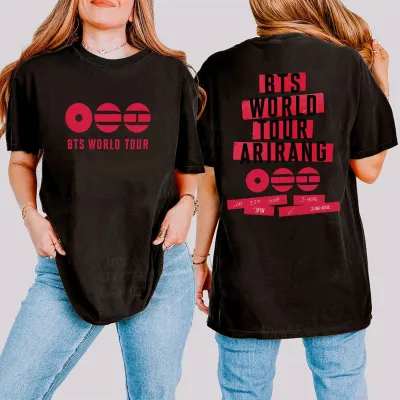
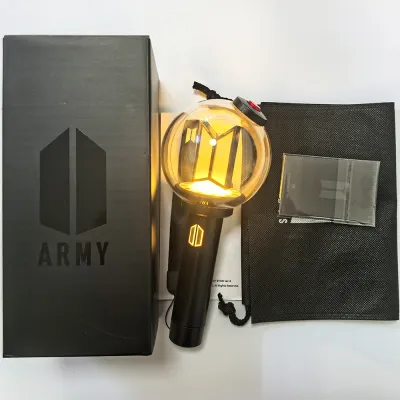
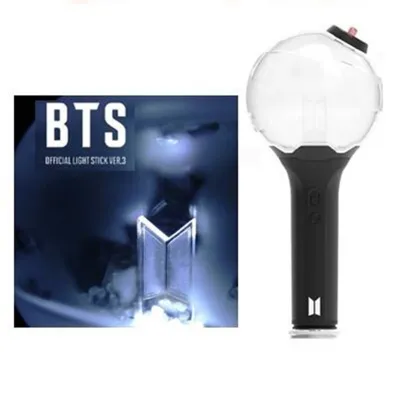
Prices are valid at publication and may change. Please refer to the product page for the latest price.
Key Differences Between Official and Fake BTS Merchandise
Spotting a counterfeit item requires a keen eye for detail and an understanding of how official merchandise is manufactured. Genuine items are produced under strict quality control standards, ensuring that every product meets specific design and material benchmarks. In contrast, counterfeiters operate on thin profit margins and prioritize high-volume production, which inevitably leads to observable flaws. By systematically evaluating different touchpoints—such as the outer packaging, print resolution, material weight, and branding elements—you can reliably separate authentic goods from cheap imitations.

Packaging, Holograms, and Security Tags
One of the most reliable physical indicators of genuine BTS merch is the official security hologram sticker. Most official items licensed by HYBE or BIGHIT MUSIC feature a specialized, multi-layered holographic seal on the outer packaging. When you tilt a genuine hologram sticker under a direct light source, it should display a smooth, vibrant color shift and reveal intricate, sharply defined patterns or logos embedded within the metallic layer. Many official stickers also feature microscopic text or unique serial numbers that are clearly legible under magnification.
Conversely, counterfeiters often struggle to replicate these advanced security features. Fake hologram stickers are frequently flat, dull, or exhibit a simple rainbow sheen without any complex, embedded design shifts. In some cases, the holographic effect is merely printed onto a standard silver sticker, resulting in a blurry or pixelated appearance.
Beyond the hologram, the overall quality of the packaging itself is highly telling. Official packaging is designed to protect the contents and maintain a premium aesthetic. It utilizes thick, sturdy cardboard or high-grade plastic with clean, precise folds and tamper-evident seals. Counterfeit packaging, on the other hand, often feels flimsy, uses thin cardboard that easily dents during transit, and may feature poorly aligned adhesive tape or stickers that can be peeled off without leaving any residue.
Print Quality, Materials, and Craftsmanship
Evaluating the physical build and print resolution of an item is crucial, especially for paper-based merchandise like photo cards, posters, diaries, and notebooks. Official BTS stationery and paper goods are printed using high-definition industrial presses. The images are exceptionally sharp, with rich, balanced color tones and no visible pixelation or color bleeding. When inspecting a genuine photo card, the edges should be perfectly smooth and feature consistent, machine-cut rounded corners.
Counterfeit photo cards and posters are often produced using low-resolution digital scans of official images. This results in blurry details, unnatural color saturation (often appearing too dark, washed out, or overly red), and noticeable printing artifacts like horizontal banding lines. Additionally, fake cards are frequently printed on much thinner cardstock, making them feel flimsy and prone to bending.
For stationery items such as journals, planners, and notebooks, pay close attention to the paper quality and binding. Official notebooks feature heavyweight, high-opacity paper designed to resist ink bleeding and feathering, allowing you to write smoothly with various pen types. The binding—whether stitched, glued, or spiral—is uniform and secure, keeping the pages perfectly aligned. Fake notebooks often use cheap, low-grade paper where ink from standard gel pens easily bleeds through to the reverse side. The binding on these counterfeits is often loose, misaligned, or prone to falling apart after minimal use.
When it comes to apparel and bags, examine the fabric weight, stitching, and hardware. Genuine garments use premium, heavy-weight cotton or structured synthetic blends with straight, dense, and uniform stitching. Counterfeit apparel typically feels unusually light, rough to the touch, and features loose threads, uneven seams, or cheap plastic zippers instead of durable metal hardware.
Official Logos, Typography, and Licensing Marks
Branding consistency is a hallmark of official merchandise. HYBE maintains strict brand guidelines regarding logo usage, font styles, and layout designs. Counterfeiters frequently overlook these subtle details, leading to noticeable mistakes in typography and graphic placement.
When examining an item, compare the logos and fonts against verified official images. Look for common errors such as incorrect font weights (letters being too thick or too thin), improper kerning (uneven spacing between letters), or slightly distorted logo shapes. For example, the iconic BTS trapezoid logo or the ARMY shield logo may have incorrect proportions or misaligned angles on counterfeit items.
Additionally, look for mandatory copyright and licensing text printed on the packaging, tags, or the item itself. Genuine products will display clear, correctly spelled legal attributions, such as “© BIGHIT MUSIC” or “© HYBE. All Rights Reserved.” Counterfeit goods often contain spelling mistakes in these fine-print sections, omit them entirely, or use outdated corporate entities that do not align with the product’s release year.
How to Verify BTS Merch Using Official Channels
While physical inspection is incredibly valuable, digital verification provides an extra layer of security that is much harder for counterfeiters to bypass. Many high-value BTS items, including official albums, DVD packages, and specialized collectibles like the Army Bomb lightstick, include a unique QR code card.
To verify these items, you can use the official Weverse Shop mobile application. By scanning the QR code through the app’s built-in scanner, you can register the product to your account. A successful registration not only confirms that the item is authentic but often rewards you with Weverse Shop emblem points or digital content. If the app fails to recognize the QR code, or if the scan directs you to a generic, third-party website rather than the official Weverse platform, the item is highly likely to be a counterfeit.
Another effective digital check is cross-referencing the product’s Stock Keeping Unit (SKU) or barcode. Official merchandise features a barcode sticker on the packaging that corresponds to a specific product entry in retail databases. You can search this SKU online or cross-reference it with the official product listings on Weverse Shop to verify that the dimensions, weight, and materials match the manufacturer’s official specifications. Be cautious of relying solely on third-party “authenticator” apps or online community forums; these platforms lack direct access to HYBE’s proprietary databases and rely on subjective user opinions rather than verified corporate data.
Where to Buy Authentic BTS Merch Safely
The most effective way to avoid counterfeit goods is to purchase exclusively from authorized sales channels. The primary source for official BTS merch is the Weverse Shop, which ships globally and guarantees authentic products directly from the manufacturer. For local buyers in Singapore, purchasing from established physical bookstores, certified K-pop specialty shops, or the official flagship storefronts of authorized distributors on major e-commerce platforms is highly recommended.
When shopping on open online marketplaces, you must remain vigilant and watch for specific red flags. Price is often the most immediate indicator of authenticity. If a seller is offering a highly sought-after item, such as a limited-edition vinyl or a concert lightstick, for a price significantly below its standard retail value—such as listing an Army Bomb for S$15 when it typically retails for S$60 to S$80—it is almost certainly a fake.
Additionally, be wary of sellers who claim to have bulk quantities of retired, out-of-print, or limited-edition items. Official merchandise runs are strictly controlled, and older items rarely remain available in large quantities.
Pay close attention to the terminology used in product listings. Sellers of counterfeit goods often use deceptive language to bypass platform filters while signaling to buyers that the item is not genuine. Terms like “factory overruns,” “unauthorized authentic,” “replica,” “OEM version,” or “high-quality fan-made” (when marketed as an official release) are clear indicators that the product is a counterfeit. Genuine official merchandise is never sold under these labels.
What to Do If You Receive Counterfeit BTS Merch
If you suspect that you have accidentally purchased or received a counterfeit item, taking prompt, organized action is essential to securing a refund and holding dishonest sellers accountable.
Your first step should always be to document the evidence thoroughly. If possible, record a continuous, unedited video of yourself unboxing the package, showing the shipping label clearly before opening it. If you have already opened the package, take high-resolution, well-lit photos of the specific flaws you have identified. Capture close-up shots of blurry printing, flimsy packaging, misaligned logos, or a flat, non-reflective hologram sticker next to a genuine one if you have a reference item.
Once your evidence is prepared, initiate a dispute through the buyer protection program of the e-commerce platform where you made the purchase. Most major online shopping platforms have strict policies against the sale of counterfeit goods and offer refund guarantees if you can prove the item is fake. Submit your photos, videos, and a clear explanation of why the item is counterfeit, referencing the official design discrepancies.
Simultaneously, report the seller’s listing and storefront to the platform’s administration. This helps flag the seller for policy violations and prevents other fans from purchasing fake goods from the same source.
If you purchased the item from a local seller in Singapore outside of a protected e-commerce platform—such as through a direct bank transfer or a peer-to-peer marketplace—and the seller refuses to cooperate, you can seek assistance from the Consumers Association of Singapore (CASE). For cases involving deliberate fraud or deceptive business practices, filing a report with local authorities or consumer protection agencies can help resolve the dispute.
Frequently Asked Questions (FAQ)
Can I authenticate BTS merch using the photo card alone?
Authenticating BTS merch based solely on a photo card is extremely difficult and highly unreliable. Because photo cards are small, flat, paper-based items, they are among the easiest products for counterfeiters to replicate using high-quality scanners and digital printers. To accurately verify authenticity, you should evaluate the photo card in conjunction with the original album, its complete outer packaging, the security hologram sticker, or a verifiable proof of purchase from an authorized retailer.
Are second-hand BTS items always fake if they lack tags?
No, a lack of tags or original packaging does not automatically mean a pre-owned item is counterfeit. Many collectors remove tags, unseal albums, or discard outer boxes to display their items or save storage space. When buying second-hand, you should place greater emphasis on the seller’s reputation, request screenshots of their original Weverse Shop order history or physical receipts, and conduct a detailed physical inspection of the item’s print quality, materials, and weight.
Do official BTS items ever have minor manufacturing defects?
Yes, minor cosmetic imperfections can occasionally occur in official, mass-produced merchandise. These minor issues might include slightly off-center sticker placement, tiny specks in the print, or minor paper edge variations. However, there is a clear difference between a minor manufacturing anomaly and systemic counterfeit flaws. Major issues such as low-resolution, blurry images, misspelled words, incorrect logos, or cheap, flimsy materials are definitive signs of a fake product rather than a factory defect.
Community discussion
Share your experience or ask a question. Comments are reviewed before publication.