
The global rise of YG Entertainment’s rookie group BABYMONSTER has triggered a massive wave of merchandise collecting. Photocards—small, pocket-sized portraits included in albums, merchandise packages, and exclusive fan events—have transitioned from simple bonuses into highly sought-after collectibles. In Singapore and across the global K-pop community, dedicated collectors invest significant time and financial resources to complete their collections. This soaring demand has unfortunately created a lucrative secondary market for counterfeit goods, where unauthorized replicas are frequently sold to unsuspecting fans.
For collectors, the value of a genuine photocard is both sentimental and financial. An authentic card represents a direct connection to the group’s official releases and supports the artists directly through official sales channels. Conversely, purchasing a counterfeit card not only results in financial loss but also dilutes the integrity of a collection. Because high-quality scanning and digital printing technologies have become widely accessible, modern fakes can easily deceive the untrained eye.
To navigate this landscape successfully, collectors must adopt a systematic approach to verification. While no single visual cue or tactile test can act as a universal guarantee of authenticity, a combination of physical inspection, print analysis, and source verification forms a highly reliable evaluation framework. Understanding the precise manufacturing standards of official merchandise is the first step toward protecting your collection.
Products mentioned in this guide
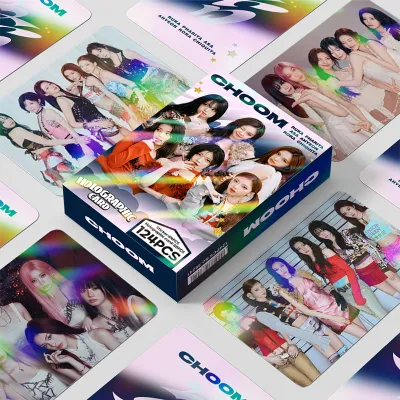

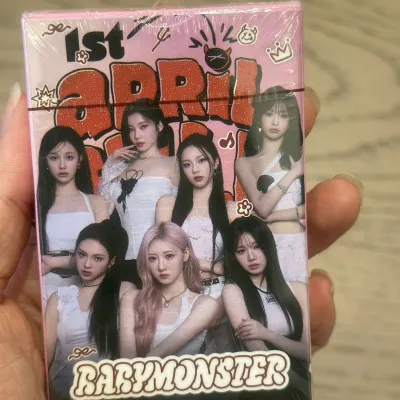
![127pcs/BABYMONSTER Photocard CHOOM Album LOMO Card Sticker KPOP Collection Card [G]](https://img.lazcdn.com/g/p/a49f3030ccb540d3bc2ef3b5fe04965c.jpg_400x400q80.jpg_.webp)
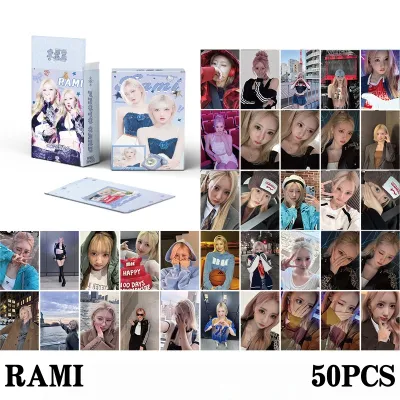
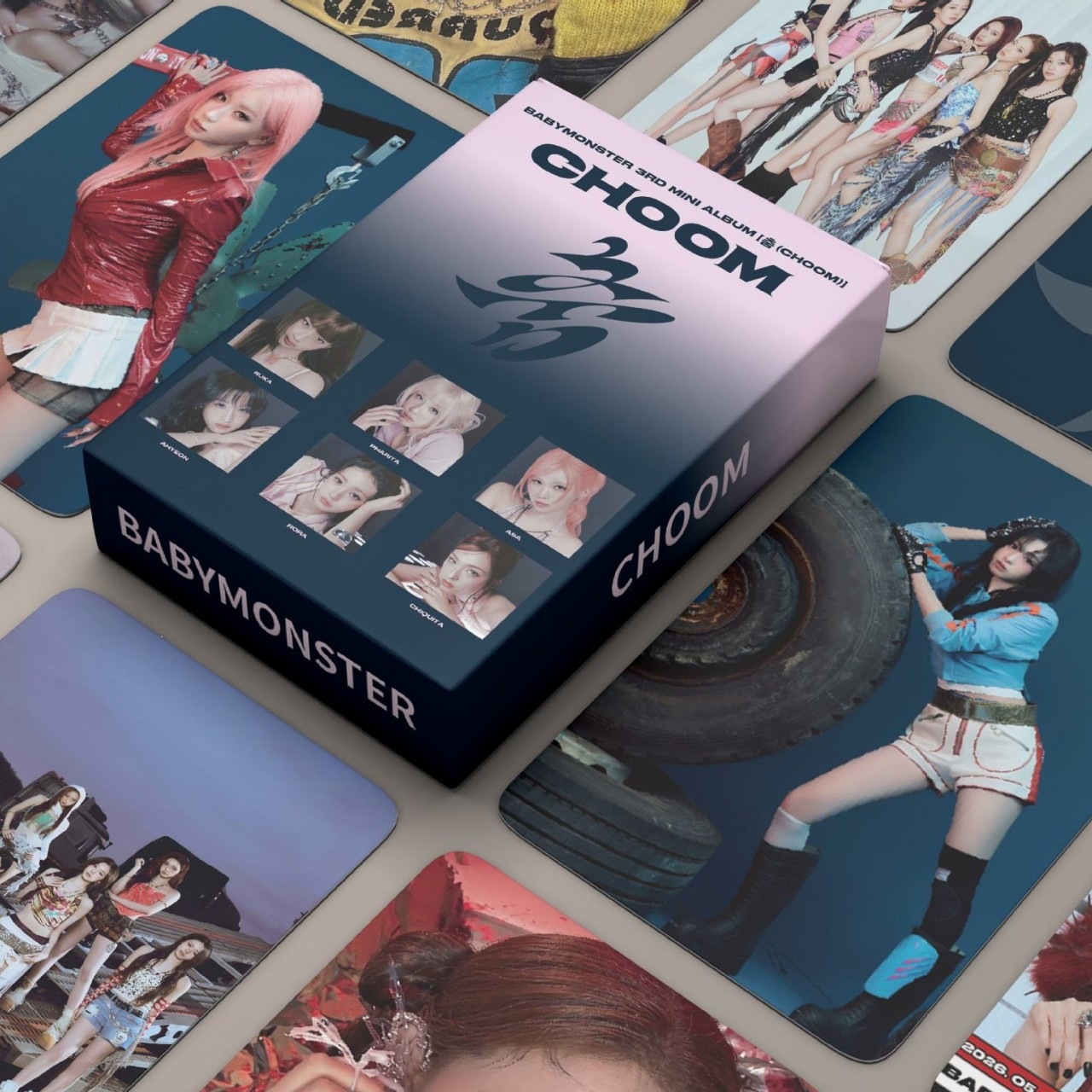
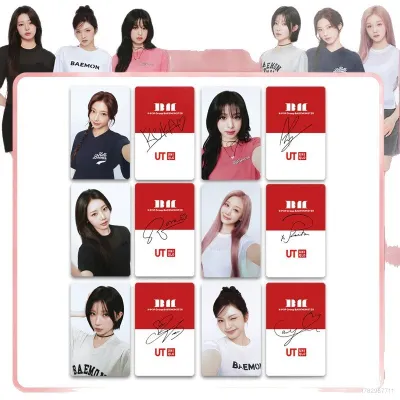

Prices are valid at publication and may change. Please refer to the product page for the latest price.
Visual and Tactile Signs of an Authentic BABYMONSTER Photocard
Official BABYMONSTER photocards are produced under strict quality control standards managed by YG Entertainment and their designated printing partners. These cards are manufactured using industrial offset printing presses and professional-grade paper stocks, resulting in highly consistent physical properties. By familiarizing yourself with the standard specifications of genuine cards, you can establish a baseline for comparison.
Print Resolution and Color Accuracy
Evaluating the print quality of a BABYMONSTER photocard requires close inspection under strong, neutral lighting—ideally natural daylight or a bright white LED lamp. Official cards are printed using high-resolution source files directly from the creative agency, ensuring that every detail is crisp and clear. When you look closely at the member’s eyes, hair strands, and clothing textures, the details should appear sharp and defined without any soft edges or digital noise.
Color accuracy and gradient transitions are key indicators of a genuine print. Authentic photocards feature smooth, continuous color transitions, particularly in skin tones and background gradients. The skin tones of the members should look natural and vibrant, matching the official digital concept photos released by YG Entertainment. Furthermore, official printing runs maintain highly consistent color profiles across the same batch. If you compare two copies of the same album photocard, the color balance, saturation, and contrast should be virtually identical, with no noticeable shifts toward warmer or cooler tones.
Paper Stock, Thickness, and Finish
The tactile feel of a photocard is often the quickest way to detect a replica. Official BABYMONSTER photocards are printed on premium, heavy-weight coated paper stock that provides a distinct rigidity. When held, the card should feel firm and hold its shape without drooping. Standard K-pop photocards typically have a thickness ranging between 0.3mm and 0.4mm, which is comparable to high-quality playing cards or professional business cards.
The surface finish of the card must align perfectly with the specific release details. Depending on the album version or event, the finish may be high-gloss, matte, or semi-glossy. A genuine glossy card will have a smooth, reflective surface that does not feel sticky or excessively plastic-like, while a matte card should have a soft, satiny texture that resists fingerprints.
Pay close attention to the edges and corners of the card. Official cards are die-cut using heavy machinery, resulting in clean, perfectly rounded corners and smooth, sealed edges. When you run your finger along the perimeter, you should not feel any rough paper fibers, fraying, or uneven layers. The cuts are executed with machine precision, ensuring that the dimensions remain uniform across all cards from that specific print run.
Official Branding, Logos, and Holographic Elements
The reverse side of a BABYMONSTER photocard is just as important as the front portrait. Authentic cards feature precise placement of official branding, including the YG Entertainment logo, the BABYMONSTER group logo, and relevant copyright text. These elements are printed with sharp, high-contrast vector graphics, meaning the text should be perfectly legible even at extremely small font sizes.
For specific limited-edition releases, lucky draws, or fan sign events, official cards may incorporate specialized security or aesthetic features, such as holographic overlays, foil stamping, or subtle watermark patterns. Genuine holographic elements are embedded within the card coating or applied via high-grade hot stamping, reflecting light in a clean, rainbow spectrum without peeling or bubbling at the edges.
Examine the typography, letter spacing (kerning), and line alignment on the back of the card. Counterfeiters often struggle to replicate the exact proprietary fonts and layout alignments used by professional designers. Any deviation in font weight, unexpected spacing between letters, or misaligned copyright symbols is a strong indication of a replica.
Red Flags: How to Identify a Fake Photocard
Counterfeit photocards, often referred to as “lomo cards” or “fan-made replicas,” are typically produced by scanning an original photocard and printing the digital scan on consumer-grade equipment. This reproduction process inevitably introduces distinct physical and visual flaws. Recognizing these common red flags will help you quickly filter out fakes during your search.

- Pixelation and Blurriness: Because counterfeiters print from scanned images rather than original high-resolution files, the resulting prints suffer from a loss of detail. Under magnification—such as using a 10x jeweler's loupe or your smartphone's zoom camera—fakes will display noticeable pixelation, blurry edges, or a distinct halftone dot pattern (small dots of cyan, magenta, yellow, and black ink). The fine details of the member's hair, eyes, and the background will lose their definition, appearing soft or muddy.
- Color Shifts: Scanning and re-printing a card alters the color balance. Counterfeit cards frequently display dramatic color shifts, such as an unnatural yellow, green, or blue color cast over the entire image. Red and pink tones are often heavily oversaturated, making the members' skin look flushed or sunburned. Alternatively, some fakes may appear washed out, lacking the deep blacks and vibrant contrast of the original print.
- Flimsy Material: To maximize profit margins, replica manufacturers use cheap, lightweight paper board. A fake photocard will often feel noticeably thinner and more flexible than an authentic card, bending easily under minimal pressure. In some cases, fakes are printed on photo paper that has a sticky, overly glossy, or plastic-like texture on one side while leaving the other side feeling rough and uncoated.
- Cutting and Border Errors: Hand-cutting or using low-precision paper cutters leads to obvious physical defects. Fake photocards often exhibit uneven white borders, crooked edges, or asymmetrical corner rounds. If you place a suspected fake directly over a known authentic card, you may notice that the fake is slightly smaller (due to trimming during the scanning and cutting process) or has an incorrect aspect ratio. Additionally, look for tiny "tabs" or paper nubs on the corners, which occur when cards are popped out of poorly made perforated sheets.
- Typos and Font Mismatches: The text on the back of replica cards is highly prone to errors. Counterfeiters may manually re-type the copyright information, leading to spelling mistakes, incorrect years, or the use of generic system fonts (like Arial or Calibri) instead of the official corporate typefaces. Furthermore, the alignment of the back design might be off-center, tilted, or completely inverted relative to the front image.
Navigating Purchase Channels and Verifying Sellers
Securing authentic BABYMONSTER photocards requires a combination of careful physical inspection and smart purchasing habits. Choosing the right acquisition channels and thoroughly vetting third-party sellers will significantly reduce your risk of encountering counterfeit merchandise.
- Official Channels: The most reliable way to guarantee that your photocards are authentic is to purchase them directly from authorized retail sources. Buying albums and merchandise from YG Select, Weverse Shop, or official partner retailers ensures that you receive genuine inclusions. For exclusive event cards, attending official pop-up stores or participating in verified fan sign events organized by authorized distributors is the safest path.
- Third-Party E-commerce Platforms: When searching for specific, out-of-print, or event-exclusive photocards, collectors often turn to secondary online marketplaces, social media trading circles, and local peer-to-peer resale applications. While these platforms offer access to rare items, they also carry the highest risk of counterfeit listings. Transactions on these platforms require a high level of vigilance, as buyer protection policies vary significantly.
- Seller Verification: Before committing to a purchase from a third-party seller, evaluate their credibility using several key criteria. Check feedback history for a consistent record of positive reviews specifically for K-pop merchandise trading. Request high-resolution, unedited photos and videos of the photocard under neutral lighting, and ensure they include a personalized "proof tag" (a piece of paper with their username and the current date) next to the card to prove they physically possess it. Ask for source proof, such as order confirmation screenshots, unboxing videos showing the card being pulled from an official album, or receipts from official pop-up events. Finally, evaluate the price; be highly skeptical of deals that seem too good to be true. Official BABYMONSTER photocards carry market-established values; for instance, standard album inclusions may range from S$5 to S$15, while rare pre-order benefits or broadcast cards can command much higher prices. A seller offering a rare card for a fraction of its typical market value is a major warning sign.
Steps to Take If You Receive a Suspected Fake
If you receive a photocard that does not pass your visual and tactile checks, prompt action is necessary to protect your funds and help keep the collector community safe.
First, immediately document the item. Take high-resolution photographs and clear videos under bright, direct lighting. Capture close-up shots of the specific discrepancies, such as pixelation, cutting errors, or logo misalignments. If possible, record a side-by-side comparison video with a known authentic photocard from the same release, highlighting the differences in thickness, color, and finish.
Next, review the return and refund policies of the e-commerce platform or payment gateway you used for the transaction. Most reputable platforms have buyer protection programs that cover counterfeit goods. Open a formal dispute or return request within the allowed timeframe, submitting your compiled photographic and video evidence along with a clear, objective explanation of why the card is a replica.
Finally, do not attempt to resell the suspected fake to recoup your losses. Selling counterfeit items, even when disclosed as “lomo” or replica cards, violates the terms of service of almost all major resale platforms and harms the collecting community. Instead, keep the card as a reference point for future authentications or dispose of it responsibly once your dispute is resolved.
Frequently Asked Questions (FAQ)
Can I use a UV light to check BABYMONSTER photocard authenticity?
While some official K-pop merchandise and album packaging utilize UV-reactive inks or hidden security watermarks, this is not a universal manufacturing standard for all BABYMONSTER photocards. Some releases may show no reaction under a blacklight, while others might. Furthermore, advanced counterfeiters occasionally attempt to replicate UV-reactive elements. Therefore, you should never rely solely on a UV light check; instead, treat it as a secondary reference alongside print quality and paper thickness.
Are official album photocards different from promotional or event photocards?
Yes, YG Entertainment produces several distinct categories of photocards, including standard album inclusions, fan sign event exclusives, lucky draws, seasonal greetings, and broadcast promotional cards. Because these items are often printed by different manufacturing partners or across different production runs, their physical specifications can vary. A genuine promotional card may use a slightly different paper stock, have a matte finish instead of a glossy one, or feature a unique back design compared to a standard album card. Always compare your card against verified reference photos of that specific release rather than comparing it to a different type of card.
Community discussion
Share your experience or ask a question. Comments are reviewed before publication.