
Identifying authentic BABYMONSTER photocards requires a systematic approach that combines close physical inspection, packaging verification, and careful seller evaluation. Because official merchandise is produced under strict manufacturing standards, counterfeits often fail to replicate the exact paper weight, print resolution, and finish of genuine cards. By learning what to look for, you can protect your collection and ensure your hard-earned money goes toward genuine releases.
Why Authenticity Matters in K-Pop Merchandise
The secondary market for K-pop collectibles has grown rapidly, with fans eager to complete their card sets for members of groups like BABYMONSTER. This high demand has unfortunately led to a rise in reproduced and counterfeit merchandise. Unofficial sellers often exploit the enthusiasm of collectors, offering replica cards that mimic the appearance of rare album inserts or exclusive pre-order benefits.
Acquiring a counterfeit card can be both financially frustrating and emotionally disappointing. Some rare cards trade for significant amounts, sometimes exceeding S$50 or even S$100 on secondary platforms. Spending these amounts on a low-quality photocopy hurts the collecting community and diverts support away from the artists themselves.
Products mentioned in this guide

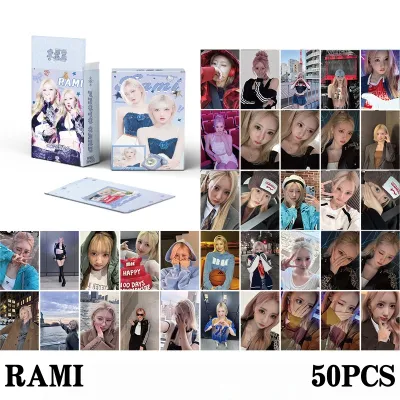
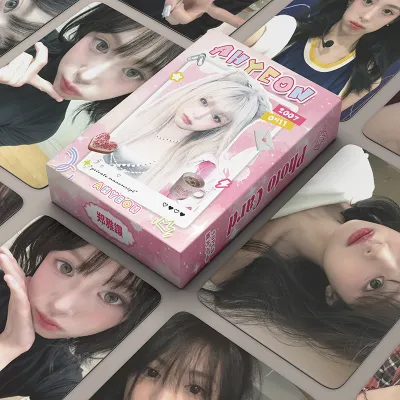


Prices are valid at publication and may change. Please refer to the product page for the latest price.
Relying solely on a quick glance at a single photo online is rarely enough to confirm authenticity. Print variations can occur naturally between different official production batches, making a structured, multi-step verification process essential for any serious collector.
Physical Inspection Checklist for BABYMONSTER Photocards
To spot a counterfeit card, you must examine its physical properties under good lighting, ideally alongside a verified genuine card from the same album release.

Begin by checking the print quality and color saturation. Official BABYMONSTER cards are printed using high-resolution industrial offset presses. This process produces sharp details, crisp text, and smooth color gradients. Counterfeits, which are often created by scanning an original card and reprinting it, tend to show slight pixelation, fuzzy edges, or a visible dot pattern known as a moiré effect. The colors on fake cards may also appear overly saturated, washed out, or unnaturally dark.
Next, evaluate the paper stock and dimensions. Official cards are printed on high-quality, rigid paperboard that resists bending. If you gently flex the card, a genuine one should feel firm, while a counterfeit often feels flimsy, thin, or overly plastic-like. Pay close attention to the corners. Official cards are machine-cut with perfectly uniform, rounded corners. Many genuine cards also feature tiny, subtle nubs or tabs on the top and bottom edges—remnants of the larger printing sheets from which they were detached. Counterfeits often have completely smooth, hand-cut, or unevenly rounded corners.
The surface finish and light reflection are also key indicators. Official cards feature specific coatings, such as a smooth gloss, a soft matte, or a distinct texture. Hold the card at an angle under a bright light source. A genuine glossy card will reflect light evenly without warping, while a fake card might show an uneven, orange-peel texture or feel slightly sticky to the touch.
Finally, inspect any specialized design elements. If the card features holographic patterns, foil stamping, or embossed details, these elements should be perfectly aligned and embedded cleanly into the surface. On counterfeit cards, holographic films are often applied poorly, resulting in bubbles, peeling edges, or a dull, flat appearance that lacks the depth of official holographic releases.
Verifying Original Packaging and Album Inserts
If you are purchasing a sealed album or a complete merchandise package to obtain BABYMONSTER cards, the outer packaging can provide vital clues about whether the contents have been tampered with.
Start by inspecting the shrink wrap and seal integrity. Official albums are wrapped tightly in clean, professional plastic wrap with thin, neat heat-sealed seams. If the shrink wrap feels loose, crinkly, or shows thick, uneven melted lines, the album may have been opened to extract the valuable photocards and then resealed using a basic home heat sealer.
Examine the official logos, fonts, and print alignment on the outer sleeve or box. Official YG Entertainment releases maintain strict brand guidelines. Look for crisp typography, correct logo placement, and accurate color matching. Counterfeits or tampered packages often feature slightly blurry text, off-center logos, or subtle spelling mistakes that indicate a hasty reproduction.
Additionally, verify the quality of other standard inserts inside the package, such as photobooks, lyric sheets, posters, or tracking cards. The paper quality and print sharpness of these items should match the high standards of the photocards. If the photobook pages feel unusually thin or the poster colors look faded, it is highly likely that the entire package is a counterfeit.
Evaluating Sellers and Spotting Listing Red Flags
Preventing a bad purchase starts before you ever hold the card in your hands. Choosing the right purchasing channels and analyzing online listings carefully can save you from counterfeit scams.
Whenever possible, prioritize purchasing from official brand stores, authorized global K-pop retailers, or reputable local physical shops. When navigating peer-to-peer trading platforms or online marketplaces, take the time to thoroughly investigate the seller’s profile. Look for accounts with a history of positive feedback specifically for trading K-pop merchandise, and read reviews from previous buyers to gauge their reliability.
Be highly skeptical of pricing anomalies. If a rare, out-of-print, or highly sought-after BABYMONSTER card that typically trades for S$40 is listed for S$5, it is almost certainly a replica. Authentic sellers are well aware of current market values and rarely list genuine items significantly below the going rate.
Another major red flag is the use of stock photos or official concept images in place of actual product photos. For high-value trades or purchases, always ask the seller to provide clear, close-up photos of both the front and back of the physical card. Request a proof photo where the seller places the card next to a handwritten note containing their username, the current date, and a specific word of your choosing to ensure they actually possess the item.
Steps to Take If You Receive a Suspected Fake
If you receive a card and suspect it is a counterfeit, taking immediate, organized action is crucial to protecting your investment and securing a refund.
First, document the item thoroughly. The most powerful piece of evidence you can have is a continuous, unedited unboxing video. Always record yourself opening the package from the moment you receive it. Ensure the video starts by showing all sides of the sealed mailing envelope, including the shipping label, and keep the camera focused on the package as you open it and inspect the card under bright, consistent lighting.
If you identify signs of a counterfeit, do not complete the transaction or rate the seller on the ecommerce platform. Immediately initiate a dispute or return request through the platform’s official buyer protection program. Upload your unboxing video along with clear, high-resolution photos highlighting the specific discrepancies, such as printing errors, incorrect dimensions, or poor paper quality.
Keep in mind that while online community authentication groups can offer helpful advice, their opinions are unofficial. Platform mediators require objective, physical evidence of a discrepancy rather than community consensus to rule in your favor, so focus your dispute on clear, observable physical differences.
Frequently Asked Questions (FAQ)
Can I use a UV light or specific app to verify BABYMONSTER cards?
While some K-pop agencies occasionally use hidden UV watermarks on specific merchandise, this is not a universal standard for all BABYMONSTER releases. Relying solely on a UV light can be misleading if the specific card series was never designed with UV-reactive elements. Similarly, third-party scanning apps are often unreliable because they rely on user-submitted databases that may contain errors or lack the resolution to distinguish high-quality fakes from genuine cards. Physical comparison remains the most dependable method.
Are unofficial fan-made cards considered counterfeits?
There is a clear distinction between deceptive counterfeits and fan-made cards, often referred to as lomo cards. Fan-made cards are typically sold in bulk at very low prices and are clearly labeled as unofficial, custom, or fan-created. These items are widely accepted in the community for personal decoration or journaling, provided they are never misrepresented. It is only considered a counterfeit when an unofficial card is sold or traded under the guise of being an official, licensed release.
Community discussion
Share your experience or ask a question. Comments are reviewed before publication.