
Quick Answer: Core Steps to Verify Authenticity
Verifying the authenticity of a BTS Oreo keychain requires a combination of pre-purchase vigilance and physical inspection. Before buying, always check the seller’s reputation and ensure the listing price aligns with standard market expectations, as unusually low prices are a primary red flag. Once the item arrives, inspect the packaging for crisp typography, vibrant colors, and official licensing marks. The keychain itself should feature clean edges, precise paint or print alignment, and sturdy metal hardware. By systematically checking these details, you can protect your collection and avoid spending money on counterfeit goods.
Evaluating Online Listings Before You Buy
Smart purchasing decisions begin long before the product arrives at your doorstep. When browsing online marketplaces, the listing price is often your first indicator of authenticity. Official collaborative merchandise carries production, licensing, and import costs that keep retail prices relatively stable. If a seller lists a keychain for a fraction of the typical S$ retail value, the item is highly likely to be a counterfeit. Be skeptical of “too good to be true” deals, especially when sellers claim to have unlimited stock of a limited-edition item.

Evaluating seller credibility is another essential step in filtering out fraudulent listings. Look closely at the store’s overall rating and read customer reviews, paying specific attention to negative feedback. Genuine buyers often post photos of the actual items they received, which can help you verify the product’s appearance. Be wary of stores with generic names, high volumes of repetitive five-star reviews, or those that lack clear customer service policies.
Products mentioned in this guide
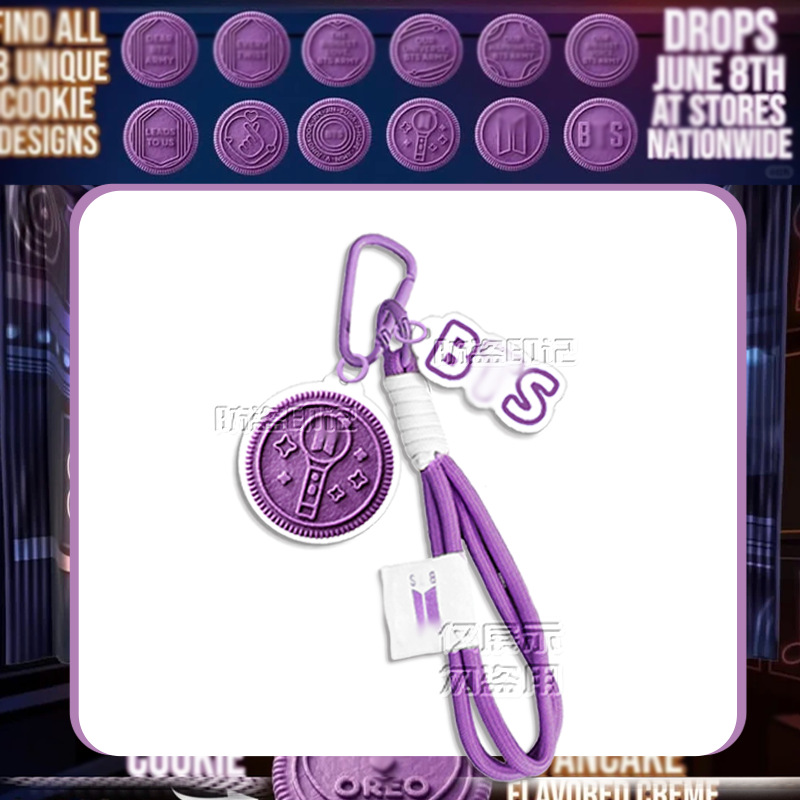
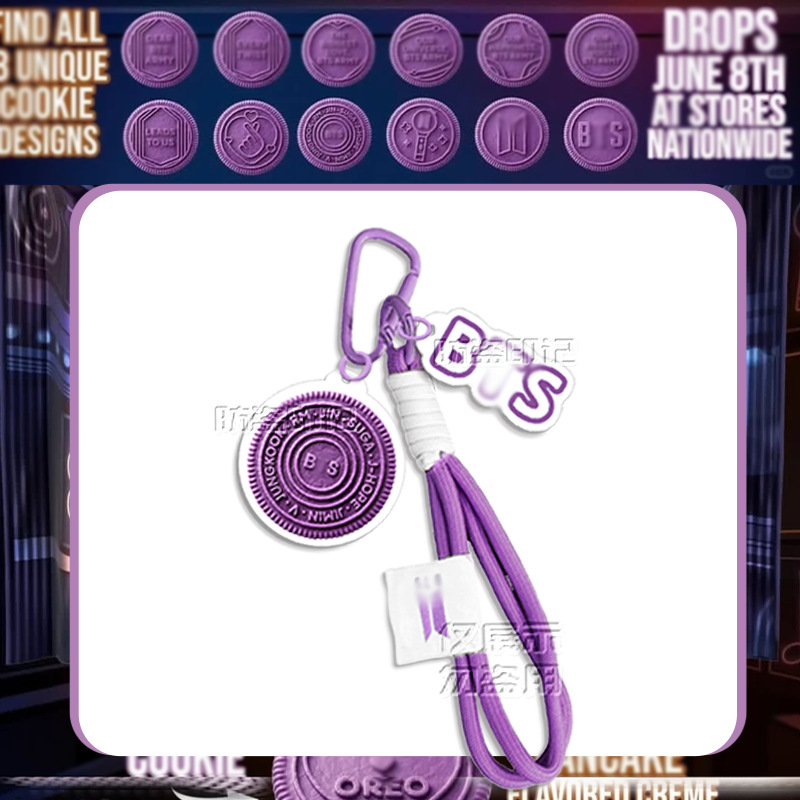
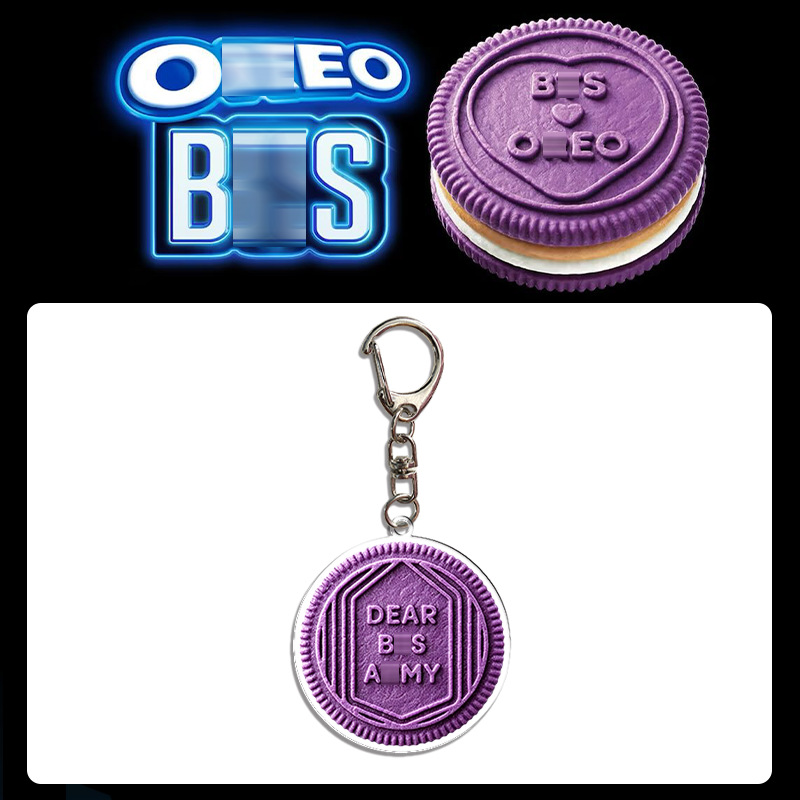
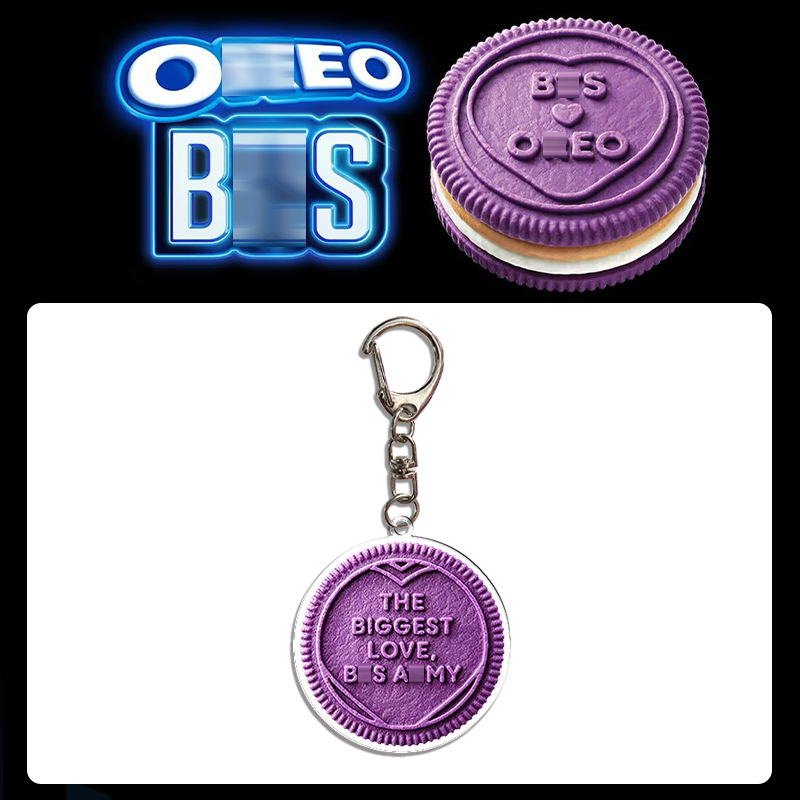
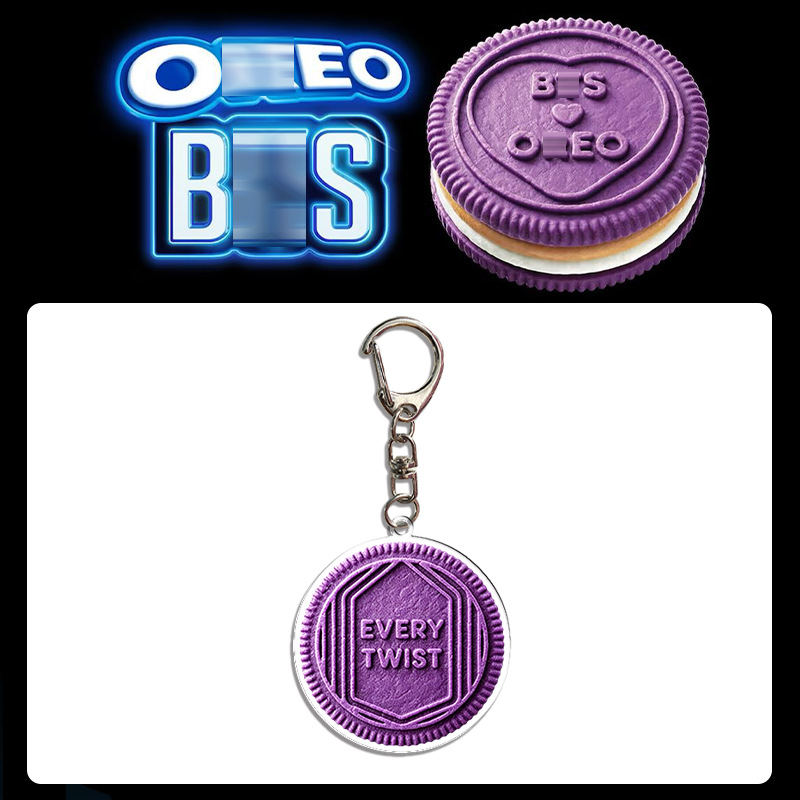
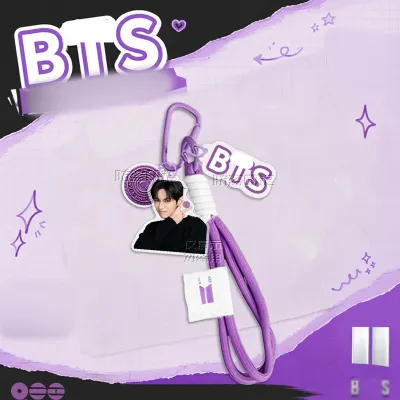
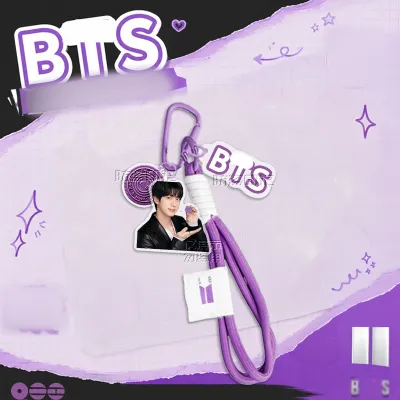
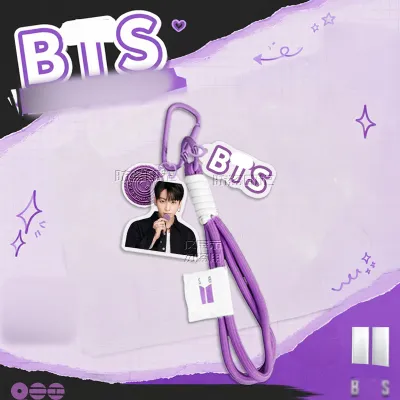
Prices are valid at publication and may change. Please refer to the product page for the latest price.
Product images in the listing can also reveal a seller’s true intentions. Authentic sellers typically use original photos showing the product from multiple angles, often with a unique watermark or background. Counterfeiters, on the other hand, frequently rely on stolen official promotional images or low-resolution stock photos. If you notice inconsistent backgrounds across a seller’s listings, or if they refuse to provide real-time photos of the stock upon request, it is best to look elsewhere.
Physical Inspection Checklist for the Keychain and Packaging
Once you have the item in hand, a close physical inspection will help you confirm whether it is genuine. Start by examining the packaging, which is often where counterfeiters cut corners to save on printing costs. Official packaging features sharp, high-resolution printing with accurate brand logos and clear typography. Look for signs of low-quality production, such as blurry text, pixelated graphics, or colors that bleed across boundaries. The cardboard or plastic should feel sturdy and professional, not flimsy or poorly aligned.
Next, focus on the keychain’s material finish and overall construction. Genuine collaborative merchandise undergoes strict quality control to ensure character details and brand logos are rendered accurately. Inspect the edges of the keychain for rough plastic burrs, uneven cuts, or misaligned printing layers. The colors should match official promotional images exactly, without any faded patches or incorrect hues. If the keychain features painted details, check for smudges, bubbles, or areas where the paint has run outside the lines.
Official authenticity markers are crucial tools for verification. Many official merchandise items include holographic stickers, specific serial number formats, or unique licensing labels on the packaging. Before purchasing, cross-reference these markers with the brand’s official public guidelines or verified unboxing videos from trusted collectors. Check that any holographic elements reflect light correctly and are firmly adhered to the packaging rather than being easily peeled off.
Do not overlook the quality of the metal hardware, as this is a common point of failure for cheap replicas. The metal ring, chain, and clasp of an official keychain should feel substantial and operate smoothly. Test the clasp several times to ensure the spring mechanism is firm and does not stick. Inspect the metal surfaces for sharp edges, discoloration, or signs of rust, which indicate cheap base metals rather than the durable alloys used for official goods.
Choosing Reliable Purchasing Channels
To minimize the risk of buying counterfeit merchandise, always prioritize secure and authorized purchasing channels. Official brand stores, authorized physical retailers, and verified flagship stores on major e-commerce platforms are the safest options. These sellers source their inventory directly from the manufacturers, ensuring that every item sold is genuine. While these channels may not always have stock due to high demand, they offer the highest level of consumer protection.
In contrast, unverified third-party sellers, social media marketplaces, and unofficial group orders carry a much higher risk of counterfeit products. Sellers on these platforms often operate with minimal oversight, making it easy to distribute fake goods to unsuspecting fans. Unofficial group orders organized on social media can also be risky, as the organizer may unknowingly source items from unreliable suppliers. If you choose to use these channels, always ask for proof of purchase from an official retailer before sending any payment.
You can often verify a seller’s authorized status by performing a quick check through official brand channels. Many brands maintain a list of authorized distributors or retail partners on their official websites. If you are unsure about a specific seller, contact the brand’s customer service department to ask if the retailer is an authorized stockist. Taking a few minutes to verify this information can save you the hassle and disappointment of dealing with a counterfeit item.
Steps to Take If You Receive a Counterfeit
If you receive a keychain and suspect it is a counterfeit, taking immediate action is essential to protect your funds. Begin by documenting the unboxing process and the item’s condition with clear, high-resolution photos and videos. Capture close-up shots of the specific flaws you identified, such as blurry packaging print, rough material edges, or faulty hardware. This visual evidence will be crucial when filing a dispute with the seller or the e-commerce platform.
Next, initiate a return or refund request through the platform’s buyer protection program as soon as possible. Clearly state that you received a counterfeit item and upload the photo and video evidence you gathered. Avoid using vague terms like “damaged” or “not as described” if the platform has a specific option for counterfeit or replica goods. Most major e-commerce platforms have strict policies against the sale of counterfeit merchandise and will protect buyers who provide clear proof.
Finally, report the fraudulent listing and the seller’s store to the platform’s administration. Reporting these listings helps clean up the marketplace and prevents other fans from falling victim to the same scams. Provide a detailed explanation of why the item is counterfeit, referencing the official guidelines or physical discrepancies you observed. By taking these steps, you contribute to a safer shopping environment for the entire fan community.
Frequently Asked Questions (FAQ)
Can I verify the keychain using a standard barcode scanner app?
Standard barcode scanner apps are generally insufficient for verifying the authenticity of idol merchandise. These apps simply read the numeric product identifier printed on the packaging, which is incredibly easy for counterfeiters to copy and print onto fake boxes. While a barcode that fails to scan completely is a red flag, a successful scan does not guarantee the item is genuine. You should always rely on physical inspection checklists and seller verification rather than barcode scans alone.
Are unofficial fan-made keychains considered counterfeits?
There is a distinct difference between unofficial fan-made keychains and counterfeit merchandise. Counterfeits are deliberately designed to mimic official products, often using stolen logos and packaging to deceive buyers into thinking they are purchasing genuine merchandise. Fan-made items, often referred to as fanart or fan merchandise, are typically sold transparently as unofficial, creative tributes. While buyers should still respect copyright and trademark boundaries, fan-made items are not considered counterfeits as long as they do not attempt to pass themselves off as official brand releases.
Community discussion
Share your experience or ask a question. Comments are reviewed before publication.