
Verifying the authenticity of a BTS light stick (known as the Army Bomb Map of the Soul Special Edition or Version 4) is essential for ensuring it functions correctly during concerts and syncs seamlessly with official crowd-control systems. The most reliable way to identify a genuine light stick is through its ability to pair with the official companion mobile application via Bluetooth. Additionally, physical indicators such as the presence of a color-shifting holographic security sticker, clean plastic molding, and a balanced physical weight serve as immediate signs of an authentic product.
Because counterfeit manufacturers constantly update their replication methods, relying on a single visual check is rarely enough. A systematic inspection of the packaging, physical build, and digital connectivity will help you verify your item with confidence.
Inspecting the Packaging and Box Details
The external packaging is your first line of defense when evaluating a light stick. Official merchandise packaging is manufactured to high standards, featuring crisp typography, accurate color reproduction, and robust cardboard that resists crushing during transit.
Products mentioned in this guide
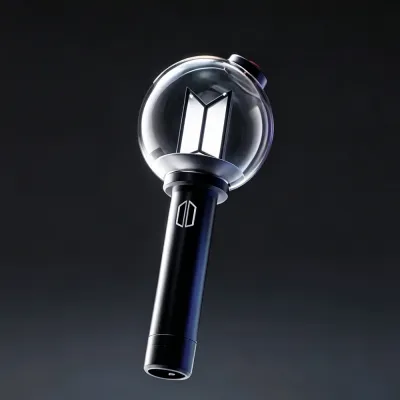
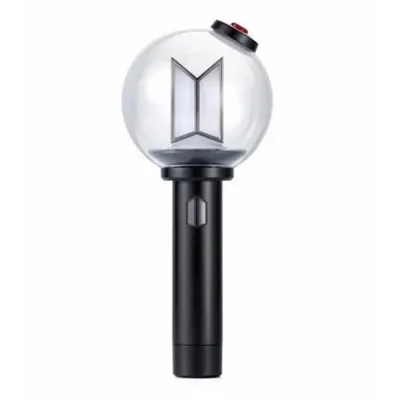
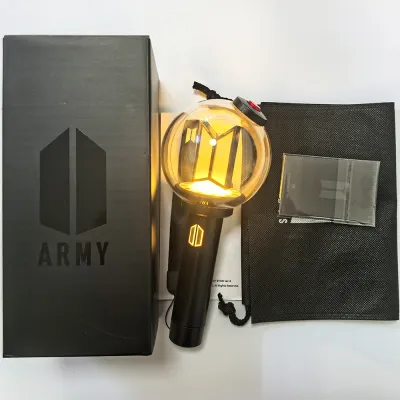
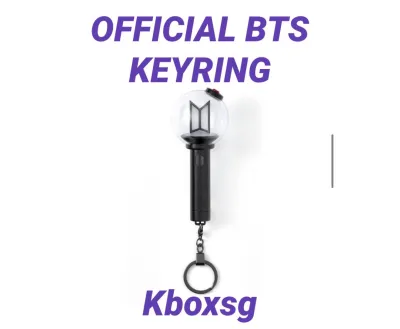
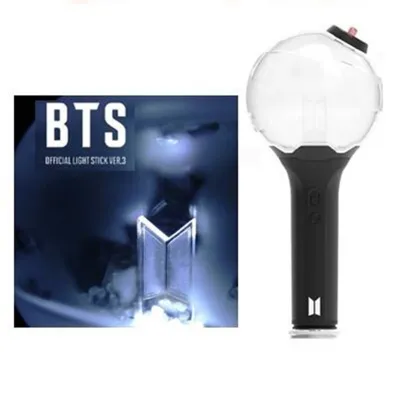
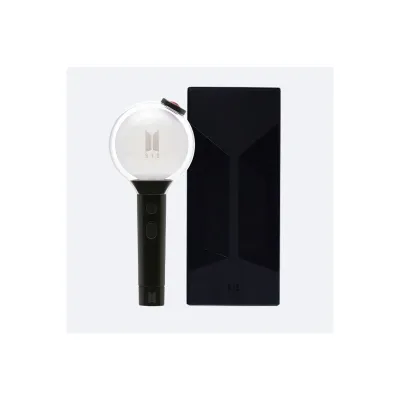
Prices are valid at publication and may change. Please refer to the product page for the latest price.
Start by examining the print quality on the exterior box. Genuine packaging displays sharp, clean text with no bleeding, blurring, or double-image printing. The colors should look vibrant and consistent with official branding, whereas counterfeit boxes often exhibit a slightly faded, washed-out appearance or a noticeable color cast.
Pay close attention to the official holographic security sticker, which is typically located on the back or side of the box. An authentic sticker features a distinct, multi-layered holographic effect that shifts colors and reveals hidden patterns or official logos when tilted under a light source. Counterfeit stickers are often flat, poorly printed metallic decals that do not show a clear, dynamic color shift.
Finally, inspect the shrink wrap and any external labels. Genuine products are wrapped tightly in neat, professionally sealed plastic. If you are purchasing in Singapore, look for authorized distributor labels or retail tags from established local K-pop specialty shops, which provide an additional layer of traceability.
Evaluating Physical Build and Material Quality
Holding the light stick allows you to assess its material integrity and manufacturing precision. Official merchandise utilizes high-grade, durable plastics that feel solid and well-balanced in the hand.

Weight is a common giveaway for counterfeit products. Because replica manufacturers often use cheaper internal wiring, smaller circuit boards, and thinner plastic walls, fake light sticks frequently feel noticeably lighter or top-heavy compared to genuine models. While exact weights can vary slightly depending on battery brands, a genuine light stick feels substantial and comfortable to hold.
Examine the transparent globe and the internal elements closely. The globe of an authentic light stick is made of clear, high-clarity plastic free from cloudy patches, bubbles, or prominent seam lines. Inside the globe, the official logo engraving must be perfectly centered, sharp, and free of glue residue or plastic shavings.
Test the physical components and moving parts to verify their construction quality:
- Power Button: The button should sit flush with the handle and offer a firm, tactile click when pressed.
- Battery Compartment: The bottom cap should screw on and off smoothly along clean, well-defined threads without catching or stripping.
- Battery Holder: The internal battery casing should fit snugly inside the handle without rattling.
- Wrist Strap: The included strap should feature tight, even stitching and a sturdy metal clasp rather than a cheap plastic alternative.
Testing Connectivity and Official App Pairing
The most definitive test of authenticity lies in the light stick’s internal electronics and wireless capabilities. Genuine light sticks contain specific Bluetooth chipsets designed to communicate with the official concert synchronization software.
To perform this test, download the official companion application from your smartphone’s app store. Turn on your phone’s Bluetooth settings and switch the light stick into Bluetooth pairing mode, which is typically achieved by sliding the power switch to the designated wireless position or holding the button down until the light flashes blue.
An authentic light stick will pair with the app quickly, allowing you to adjust the LED colors, test the flashing modes, and receive official firmware updates. If the device fails to connect after multiple attempts, or if the app displays an error message indicating an unrecognized device, it is highly likely a counterfeit.
While some advanced replicas can emit a basic Bluetooth signal that your phone detects, they almost always fail to register within the official app’s secure verification system. Successful integration with the app’s color-control interface remains the strongest proof of a genuine product.
Choosing Safe Purchasing Channels
To minimize the risk of acquiring a counterfeit light stick, prioritize secure and authorized retail channels. Purchasing from unverified sources often leads to disappointment and a lack of buyer recourse.
Whenever possible, purchase directly from official global merchandise platforms or authorized brand stores. When shopping locally in Singapore, look for reputable physical K-pop specialty stores or authorized pop-up events that source their inventory directly from official distributors.
Exercise extreme caution when browsing general e-commerce platforms or online marketplaces. If a listing features a price significantly below the standard retail average—which typically ranges from S$60 to S$80—treat it as a major red flag. Genuine merchandise is rarely heavily discounted due to high demand and production costs.
If you are buying from secondary peer-to-peer marketplaces, protect yourself by asking the seller for concrete proof of purchase. Request a copy of the original receipt, a clear video of the holographic sticker shifting in the light, or a live demonstration of the light stick successfully pairing with the official mobile app before finalizing the transaction.
What to Do If You Receive a Counterfeit
If you discover that your light stick is a replica after receiving it, taking prompt and organized action is crucial to recovering your funds.
First, document the discrepancies immediately. Take high-resolution photos of the packaging, the flat security sticker, any physical defects, and a video showing the device failing to connect to the official app. This visual evidence is vital for supporting your claim.
Next, initiate a return or refund request through the e-commerce platform’s buyer protection program. Avoid contacting the seller privately outside the platform’s official dispute channels, as this can void your protection. Present your documented evidence clearly to the platform administrators to expedite the resolution process.
Finally, report the fraudulent listing and the seller’s account to the platform. Reporting these listings helps clean up online marketplaces, protecting other fans from purchasing counterfeit goods in the future.
Frequently Asked Questions (FAQ)
Can a fake BTS light stick still change colors manually?
Yes, many counterfeit light sticks can light up and cycle through basic colors when you press the physical button manually. Replica manufacturers can easily copy basic LED wiring and simple button functions. Because manual color changing is easy to replicate, it should never be used as the sole proof of authenticity; only successful pairing with the official app confirms a genuine device.
Is it safe to use a counterfeit light stick at an official concert?
Using a counterfeit light stick at an official venue is not recommended. During a concert, central control systems send signals to sync the audience’s light sticks with the performance, and non-authentic devices will fail to sync, leaving your light stick dark or out of step with the crowd. Furthermore, poorly manufactured replicas carry risks of battery leakage, overheating, or short circuits during extended use.
Community discussion
Share your experience or ask a question. Comments are reviewed before publication.