
Verifying the authenticity of a BTS light stick—affectionately known by fans as the Army Bomb—has become an essential step for any collector or concertgoer. As counterfeiters grow increasingly sophisticated, distinguishing a genuine item from a high-quality replica requires more than a quick glance. To protect your purchase, you must adopt a systematic verification process that spans pre-purchase seller evaluation, close physical inspection of the packaging and build, and hands-on testing of the device’s electronic and wireless functions.
Relying on a single visual cue is rarely enough to guarantee authenticity. Counterfeits often mimic the external look of the light stick remarkably well, but they almost always fail when subjected to technical performance checks or close material scrutiny. By understanding what to look for at each stage of the buying process, you can confidently secure an authentic piece of memorabilia that functions perfectly when you need it most.
Why Authenticity Matters for Your Army Bomb
Purchasing a counterfeit light stick carries practical, functional, and financial risks that can easily ruin your concert experience. Official merchandise is designed to integrate seamlessly with live performance systems, whereas replica devices frequently fail to sync with central concert control networks. During a live show, official light sticks are controlled remotely via wireless signals to create synchronized light displays across the entire venue; a counterfeit unit will typically remain dark or display incorrect colors, isolating you from the collective fan experience.
Products mentioned in this guide
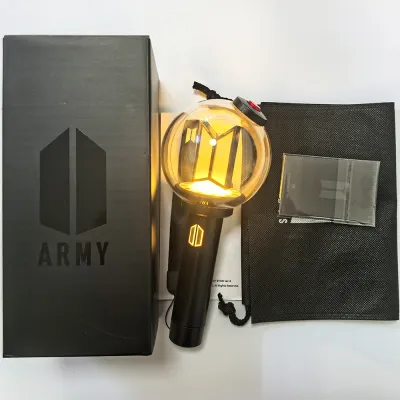
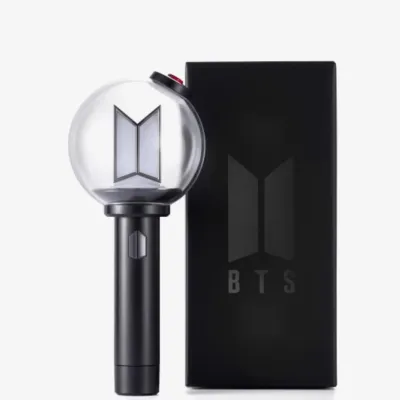
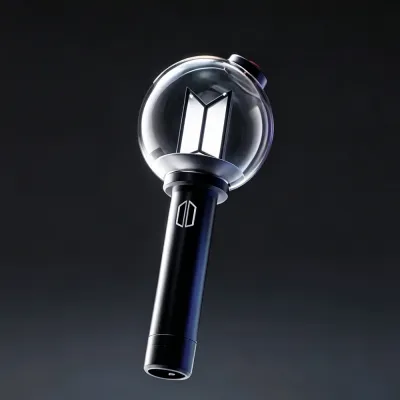
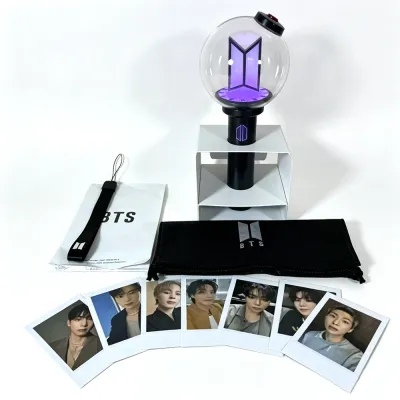
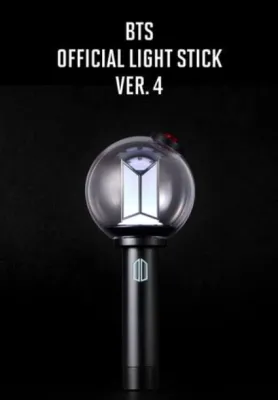
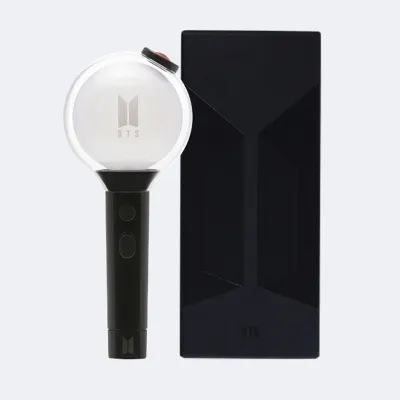
Prices are valid at publication and may change. Please refer to the product page for the latest price.
Beyond the loss of concert synchronization, counterfeit light sticks lack any form of official warranty, customer support, or replacement options. If a replica arrives defective or stops working after a single use, you have no recourse through official retail channels. The physical construction of these imitations is also notoriously unreliable, often featuring fragile plastics that crack easily, loose battery compartments, and poorly soldered contacts that can lead to battery leakage or short circuits.
Furthermore, the internal LEDs used in counterfeit models rarely match the color accuracy and brightness of the genuine product. You may notice inconsistent coloring, flickering, or a significantly shorter battery life due to inefficient power management. Investing in an authentic light stick ensures you receive a durable, safe, and fully functional device that is backed by the manufacturer’s quality standards.
Pre-Purchase Checks: Evaluating the Seller and Listing
Your verification process should begin long before the light stick arrives at your doorstep. When browsing online marketplaces or secondhand platforms, the first major red flag is a price that seems too good to be true. Authentic Army Bombs generally command a standard retail price of around S$70 to S$90, depending on the specific version and shipping fees to Singapore. If you encounter a listing priced significantly below this range—such as S$30 or S$40 for a brand-new unit—it is highly likely to be a counterfeit.

Next, carefully evaluate the seller’s profile, ratings, and historical feedback. On major e-commerce platforms and local secondhand marketplaces, look for established sellers with a history of positive reviews specifically for K-pop merchandise. Be skeptical of accounts with generic names, newly created profiles, or a sudden influx of identical positive reviews that lack detailed user commentary. Genuine sellers are usually willing to answer questions and provide additional details about the item’s origin.
Always request clear, original photos of the actual item in the seller’s possession rather than accepting generic stock images. Ask for close-up shots of the outer box, the security seals, and the printed serial numbers. If a seller refuses to provide custom photos or uses images watermarked by another user, treat it as a major warning sign and look elsewhere.
Physical Inspection: Packaging and Build Quality
Once you have the light stick in hand, a meticulous physical inspection is your next line of defense. Start with the outer packaging, which should feature an official holographic security sticker. On a genuine box, this sticker exhibits a distinct, clean color shift and clear, sharp patterns when tilted under a light source. Counterfeit stickers are often dull, lack the multi-layered holographic depth, or may be completely static metallic prints that do not shift colors smoothly.
Examine the print quality, font accuracy, and color consistency of the outer box and the included user manual. Official packaging uses high-resolution printing with crisp, legible text and accurate brand logos. Counterfeit boxes frequently show signs of low-quality printing, such as slightly blurry text, color bleeding, off-center alignment, or even spelling mistakes in the English or Korean instructions. The cardboard of an official box is also sturdy and matte, whereas fakes often use thinner, glossier, or easily creased cardboard.
When you handle the light stick itself, pay close attention to its weight and material quality. Genuine Army Bombs are made from high-grade, durable plastics that feel solid and balanced in your hand. Inspect the seam lines along the handle and the globe; authentic units have tight, virtually seamless joints with no excess plastic flashing or rough edges. The engraved or printed logos on the handle must be perfectly aligned, sharp, and deeply defined, unlike the shallow or smudged markings common on replicas. Finally, open the battery compartment to check the spring tension and terminal alignment, ensuring they are straight, clean, and securely fitted.
Functional Verification: App Connectivity and Performance
The ultimate test of an Army Bomb’s authenticity lies in its internal electronics and wireless capabilities. Genuine light sticks contain proprietary Bluetooth chips designed to pair with the official companion mobile application. Download the official app from your device’s app store and attempt to pair the light stick. A genuine unit should connect quickly and maintain a stable connection, allowing you to control the LED colors and brightness directly from your phone screen.
Once connected, test the basic functions thoroughly. Cycle through the various light modes—such as slow flash, quick flash, and steady glow—and observe the transitions. The color changes should be vibrant, instantaneous, and uniform across the entire globe. If the light stick flickers, struggles to display certain colors, or disconnects repeatedly during simple mode switches, it likely contains cheap, non-standard electronic components.
Additionally, pay close attention to how the device behaves during firmware checks or updates within the app. Genuine light sticks are designed to receive official firmware updates to ensure compatibility with upcoming concert tours. If the app prompts an update, a genuine device will process it smoothly, whereas a counterfeit will typically fail the verification check, display an error message, or refuse to initiate the update process entirely.
What to Do If You Suspect a Counterfeit
If your physical or functional checks reveal that the light stick is a counterfeit, you must act quickly to secure a refund. Start by documenting the entire unboxing and testing process. Take clear, well-lit photos and videos highlighting the specific discrepancies you found, such as a blurry logo, a static security sticker, or a failed Bluetooth connection screen. This visual evidence is crucial for proving your case to third-party mediators.
Next, initiate a formal return or dispute through the e-commerce platform or secondhand marketplace where you made the purchase. Most reputable platforms offer buyer protection policies that cover counterfeit goods, provided you report the issue within their designated dispute window. Present your documented evidence clearly and objectively, avoiding emotional language, and request a full refund including any shipping costs.
If the seller is uncooperative and the platform’s internal dispute resolution fails, contact your payment provider or credit card company to request a chargeback. Explain that you received a counterfeit item that does not match the seller’s description and provide the documentation you gathered. To prevent future issues, always use secure payment methods that offer built-in buyer protection, and avoid direct bank transfers or cash deposits where recovery is nearly impossible.
Frequently Asked Questions (FAQ)
Can a fake BTS light stick connect to the official app?
While some highly advanced counterfeit light sticks can mimic basic Bluetooth pairing to trick buyers, they almost always fail when subjected to deeper software integration. Replicas typically cannot pass the official app’s firmware verification checks or sync with the real-time central control systems used during live concerts. Therefore, while basic app connectivity is a positive sign, it should never be used as the sole proof of authenticity; you must always combine it with physical and packaging inspections.
Are secondhand Army Bombs safe to buy?
Buying a secondhand light stick can be safe if you take proper precautions, but it requires extra vigilance. Always ask the seller to provide the original purchase receipt or invoice from an authorized retailer, and check that the holographic security seals on the box are intact and have not been peeled off or tampered with. Additionally, insist on using secure payment methods with built-in buyer protection rather than direct bank transfers, ensuring you have a clear path to a refund if the item turns out to be a replica.
Community discussion
Share your experience or ask a question. Comments are reviewed before publication.