
Verifying the authenticity of a BTS keychain requires a keen eye for physical craftsmanship, packaging security features, and seller transparency. As official K-pop merchandise has grown in popularity, counterfeiters have flooded online marketplaces with low-quality imitations. Distinguishing a genuine collectible from a replica protects your investment and ensures you receive a durable, high-quality product. By systematically evaluating the physical materials, checking for official licensing markers, and purchasing through verified channels, you can confidently build an authentic collection.
Why Authenticity Matters for Idol Merchandise
Purchasing official merchandise is one of the most direct ways to support BTS and their creative agency. When you buy licensed products, a portion of the revenue goes directly toward funding future albums, music videos, world tours, and content production. Counterfeit operations, on the other hand, siphon revenue away from the artists and exploit their intellectual property without contributing to their success.
Beyond supporting the artists, official merchandise is manufactured to much higher quality and safety standards. Licensed keychains undergo rigorous quality control to ensure that materials are non-toxic, durable, and safe for daily use. Counterfeit goods are often produced in unregulated facilities using cheap plastics, low-grade metals that may contain harmful heavy metals, and unstable dyes that can rub off on your hands or clothing.
Products mentioned in this guide
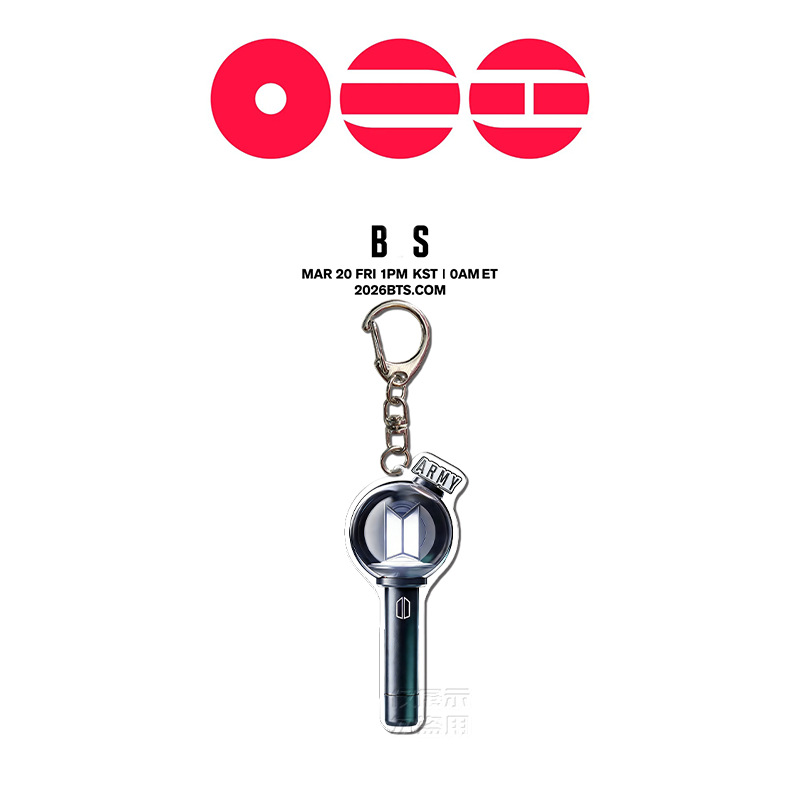
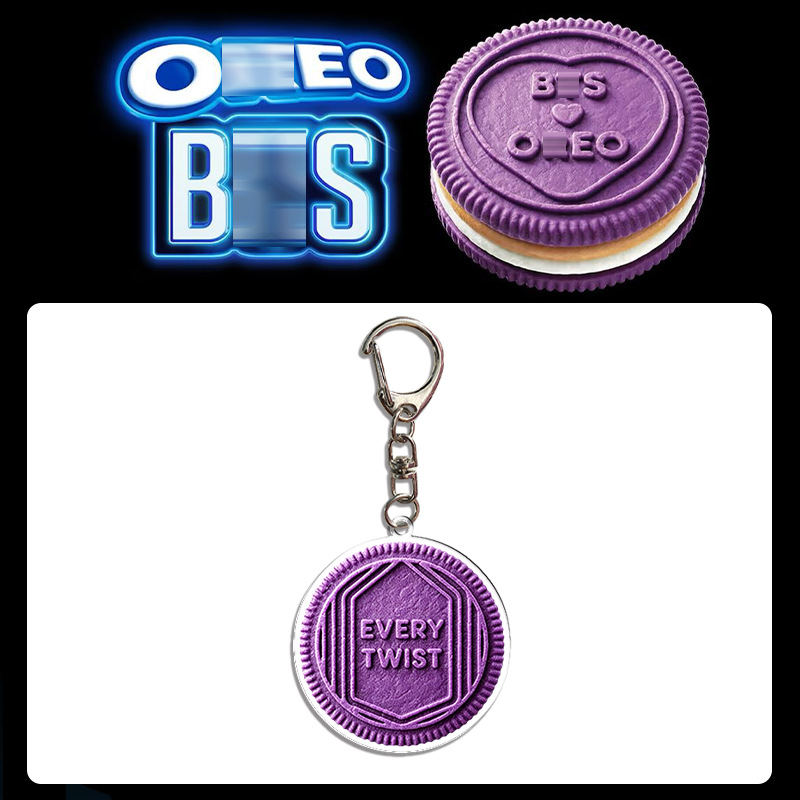
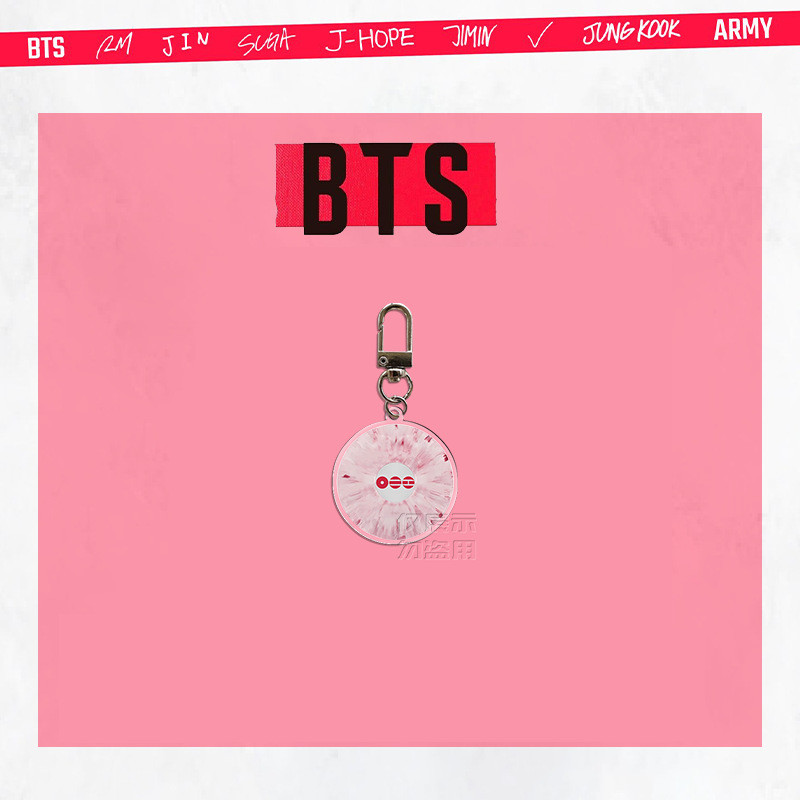
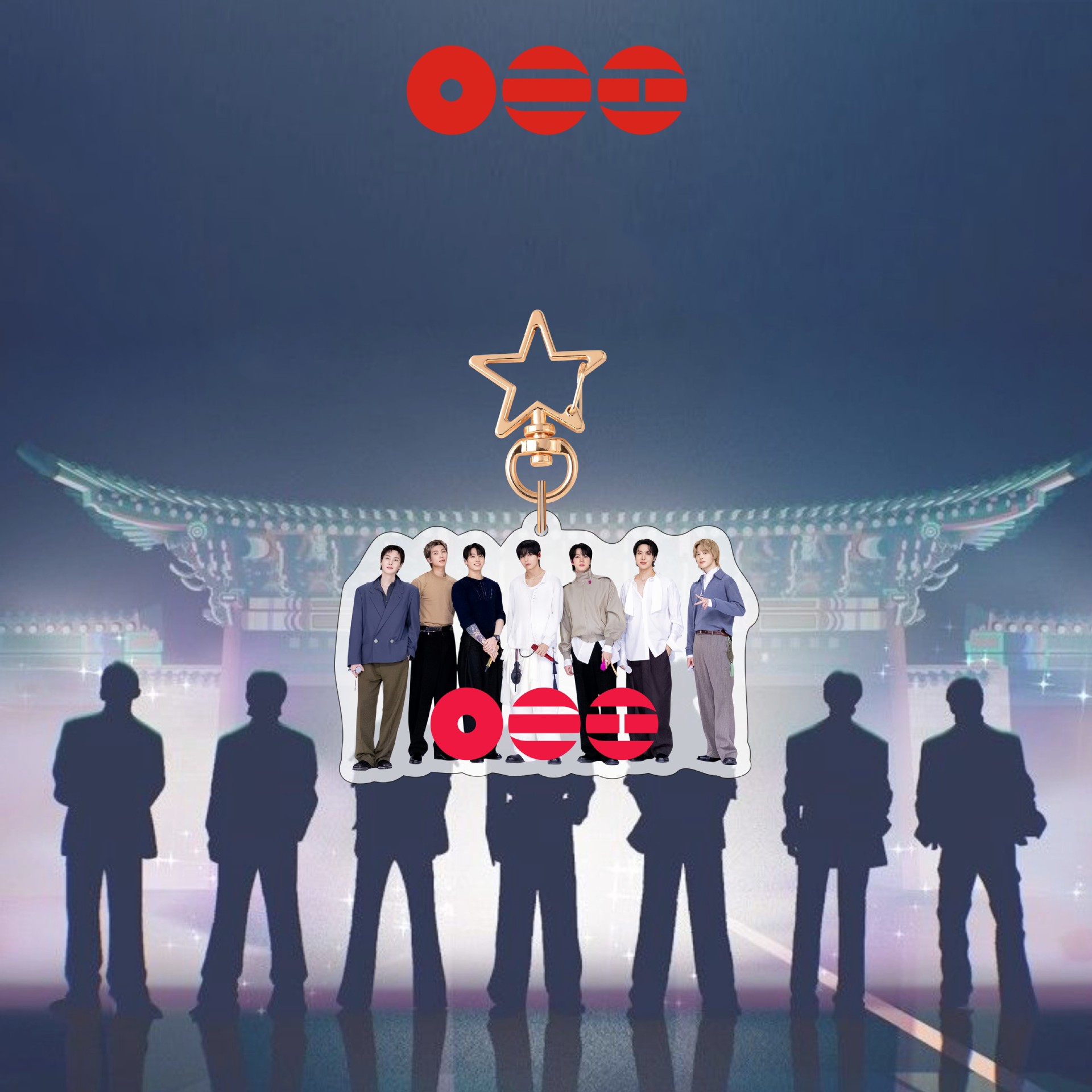
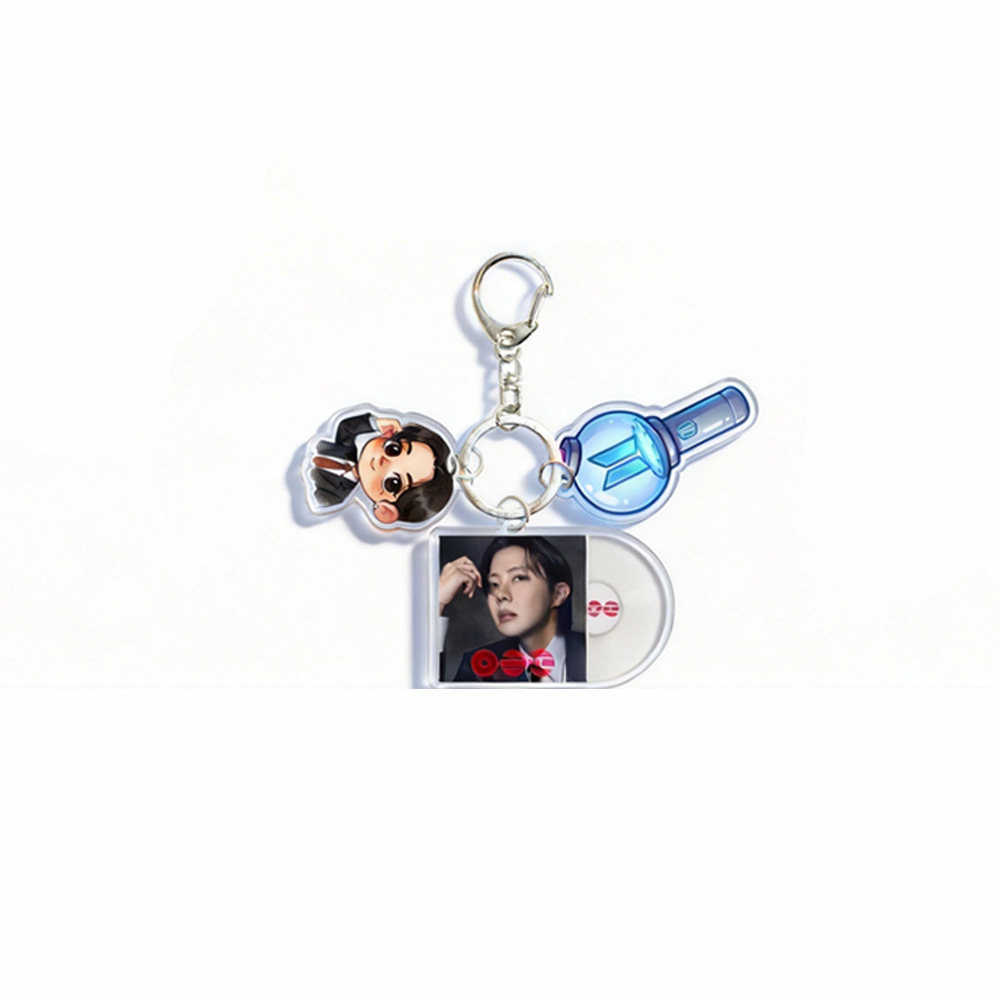
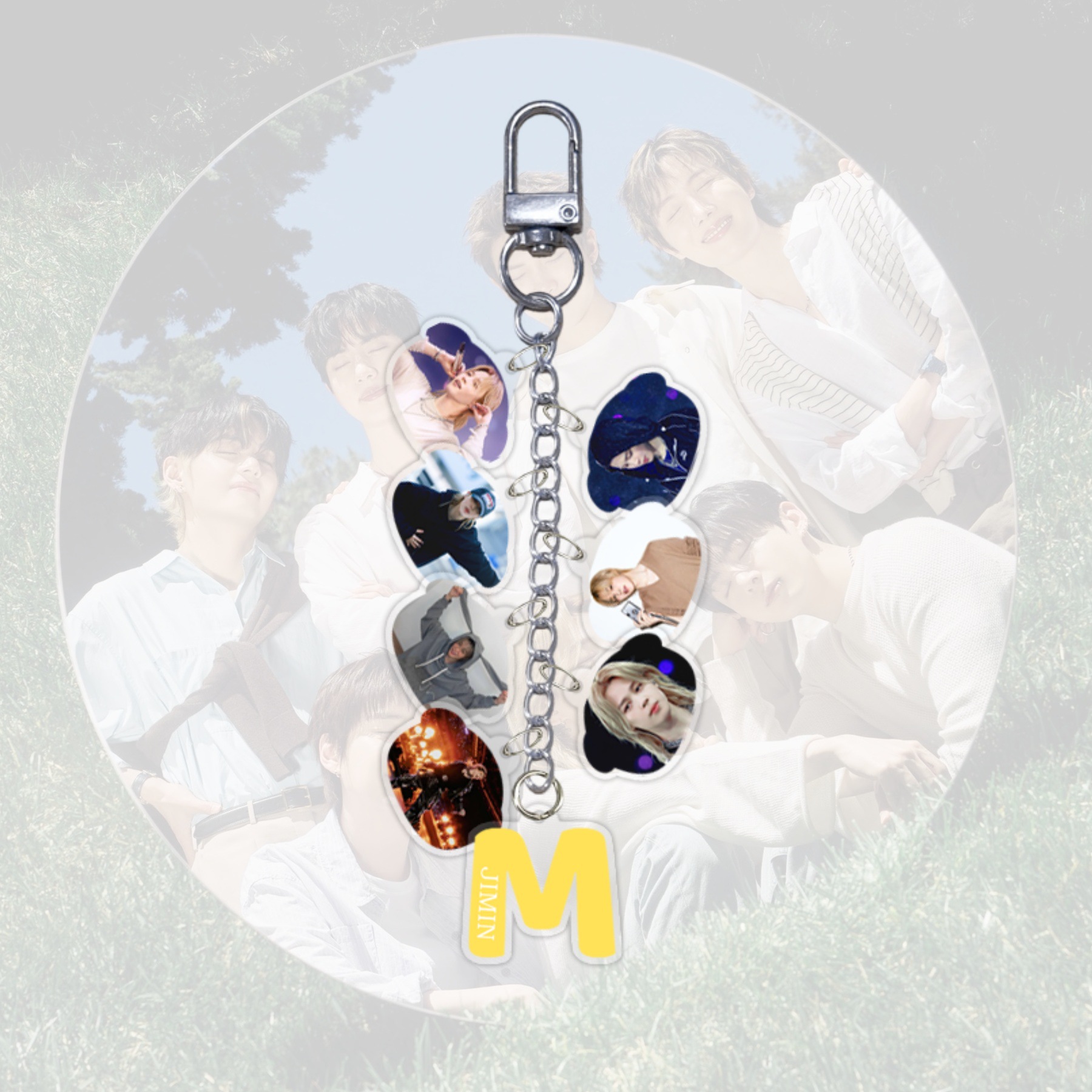
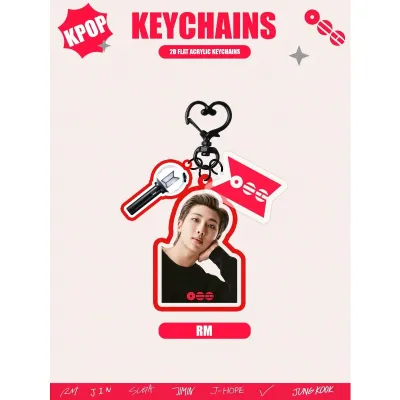
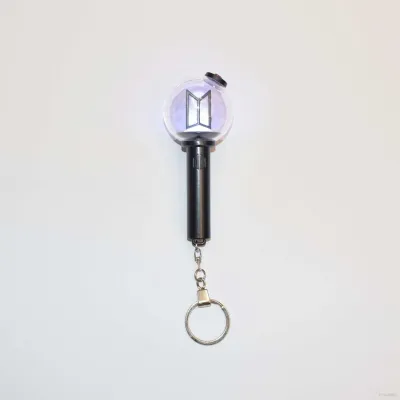
Prices are valid at publication and may change. Please refer to the product page for the latest price.
For many fans, the long-term collectible value is also a major consideration. Official items maintain their value within the global collector community and can even appreciate over time once they go out of print. Counterfeit items hold zero resale value and are generally rejected by the trading community, making them a poor investment for anyone looking to maintain a serious collection.
Key Visual and Physical Markers of Genuine BTS Keychains
To identify a counterfeit BTS keychain, start by closely examining the physical attributes of the item. Official keychains, whether made of acrylic, metal, or silicone, feature clean, precise manufacturing. For acrylic keychains, check the edges of the charm; official items are typically flame-polished, resulting in smooth, rounded edges. The printed graphic should be sharp and high-definition, often sandwiched securely between two layers of acrylic or protected by a thick, scratch-resistant top coat. Counterfeits often feature single-layer acrylic with the image printed directly on the back, leaving the design vulnerable to scratching and peeling.

If you are inspecting a metal keychain, pay close attention to the weight and enamel work. Genuine metal keychains have a distinct, substantial weight in the hand, whereas fakes often feel surprisingly light because they are cast from cheap, porous zinc alloys. The colored enamel fills on official charms should be perfectly flat, vibrant, and contained entirely within the metal borders. Look out for bubbles, uneven surfaces, or paint bleeding over the metal lines, as these are classic signs of rushed, low-cost manufacturing.
Character keychains, such as those featuring BT21 or TinyTAN designs, require careful visual cross-referencing. Official character merchandise adheres to strict brand guidelines, meaning the facial proportions, eye placement, and color schemes are always consistent. Compare your keychain to official product photos on authorized distributor websites. If the eyes are slightly too far apart, the colors appear washed out, or the character’s expression looks off-model, you are likely holding a counterfeit.
Finally, evaluate the hardware, including the metal ring, chain links, and clasp mechanism. Official keychains use sturdy, high-quality hardware with a smooth, polished finish. The clasp should open and close easily with strong spring tension, and the jump rings connecting the charm should be tightly closed without any visible gaps. Counterfeits frequently use flimsy, thin metal rings that bend easily under pressure and clasps that stick or fail to close completely.
Packaging and Official Hologram Verification
The packaging of a BTS keychain is often the easiest place to spot a fake, as counterfeiters rarely invest the resources necessary to replicate high-quality printing and security features. Official keychains are sold in branded packaging, such as custom backing cards, clear plastic boxes, or sealed blind bags, featuring crisp typography and accurate logos. Inspect the text on the packaging carefully; spelling mistakes, grammatical errors, blurry fonts, and misaligned logos are immediate red flags.
The most reliable physical indicator of authenticity is the official holographic security sticker. Most official BTS and BT21 merchandise features a specialized hologram sticker affixed to the back of the packaging. When tilted under a light source, this sticker should display a distinct color shift and reveal intricate patterns, such as the official licensing logo or a unique serial number. Counterfeiters often attempt to mimic this with cheap, static silver stickers that do not change color or show detailed patterns when rotated.
Additionally, check the barcode and product information labels on the packaging. Official items include detailed product specifications, manufacturer details, copyright notices, and a scannable barcode that matches the specific product model. You can cross-reference these packaging details with official merchandise guidelines published by authorized distributors. If the packaging lacks a barcode, has a generic sticker, or contains no licensing information, the item is highly suspect.
Evaluating the Seller and Purchase Channels
Minimizing the risk of purchasing a counterfeit BTS keychain starts with choosing the right shopping channels. Whenever possible, prioritize official brand stores, authorized retail partners, and recognized pop-up events. In Singapore, official merchandise can be sourced directly from authorized physical retailers, official online brand stores, or reputable local stationery and lifestyle shops that maintain direct distribution agreements with K-pop agencies.
If you are shopping on third-party e-commerce platforms or online marketplaces, you must exercise extra caution. Always review the seller’s store rating, transaction history, and customer feedback before making a purchase. Look for reviews that contain real photos uploaded by previous buyers, and check if anyone has raised concerns about the authenticity of the items. Be skeptical of stores that have high ratings but very few total reviews, as these ratings can sometimes be manipulated.
Be alert to common red flags when browsing listings. An unusually low price is the most common indicator of a counterfeit; if a keychain is listed for a fraction of its standard retail price, it is almost certainly a fake. Furthermore, avoid listings that rely solely on official stock photos. Legitimate sellers are usually willing to provide real, high-resolution photos of the physical item, including close-ups of the packaging and the hologram sticker, upon request. If a seller uses vague descriptions or refuses to provide actual photos, it is best to look elsewhere.
What to Do If You Suspect a Counterfeit
If you have purchased a BTS keychain and suspect it is a counterfeit, take immediate action to document the issue. Begin by taking clear, high-resolution photos and videos of the keychain from multiple angles, focusing on the specific defects, sloppy paintwork, or flimsy hardware. Be sure to also photograph the packaging, paying close attention to the barcode, any spelling errors, and the holographic sticker (or lack thereof). This visual evidence will be crucial when filing a dispute.
Next, initiate a return or refund request through the e-commerce platform’s buyer protection policy. Most major online marketplaces operating in Singapore have strict policies against the sale of counterfeit goods and offer refund guarantees if you can prove the item is not genuine. Submit your documented photos along with a clear explanation of why the item is counterfeit, referencing the physical discrepancies and packaging issues you identified.
Finally, report the listing and the seller to the platform’s customer support team. Reporting counterfeit listings helps protect other fans from falling victim to the same scams and encourages platforms to remove dishonest sellers. By taking these steps, you hold counterfeiters accountable and contribute to a safer, more reliable marketplace for the entire collector community.
Frequently Asked Questions (FAQ)
Can I verify a BTS keychain using a QR code or app?
Some official BTS merchandise lines, particularly higher-end collectibles or apparel, include scannable QR codes or NFC tags that link to official verification apps. However, standard keychains do not always feature these digital verification methods, relying instead on physical holographic stickers. If your keychain packaging does feature a QR code, ensure it directs you to an official domain. Be extremely cautious of scanning unverified QR codes on suspicious packaging, as they can easily lead to phishing websites designed to steal your personal information.
Are unofficial fan-made keychains considered fake?
There is a clear distinction between unofficial fan-made keychains and counterfeit goods. Fan-made keychains, often referred to as fan art, are original designs created by independent artists to celebrate their love for the group. These items are typically sold openly as unofficial fan art and do not attempt to replicate official logos, packaging, or licensing stickers to deceive buyers. Counterfeits, by contrast, are deliberate copies designed to mimic official merchandise exactly in order to trick consumers into paying official prices for a substandard product. When purchasing, always check the seller’s description to ensure they are transparent about whether the item is official, unofficial fan art, or a replica.

Community discussion
Share your experience or ask a question. Comments are reviewed before publication.