
Verifying the authenticity of a BIGBANG lightstick requires a systematic approach that combines physical inspection, packaging analysis, and digital testing. Because counterfeiters continuously improve their methods, no single surface feature can guarantee a product is genuine. This guide provides a systematic checklist to help you cross-reference build quality, official security markers, and smart functionalities before and after your purchase. Whether you are preparing for a major concert in Singapore or adding a prized piece to your K-pop collection, knowing how to spot a counterfeit ensures your investment is protected and your concert experience remains uninterrupted.
Why Verifying Your K-Pop Lightstick Matters
Purchasing official idol merchandise is more than just a way to support your favorite artists; it is a functional requirement for modern concert experiences. Many K-pop concerts utilize centralized control systems to synchronize the crowd’s lightsticks with the music, creating a unified visual performance. If you unknowingly purchase a counterfeit device, it will likely fail to register with the venue’s wireless control system, leaving your lightstick dark or out of sync while the rest of the arena glows in unison.
Beyond venue synchronization, counterfeit lightsticks frequently suffer from smart feature failures. Official merchandise is designed to pair with dedicated mobile applications via Bluetooth, allowing users to customize colors, update firmware, and register their concert tickets. Counterfeit models often lack the necessary internal chipsets to establish a stable connection, rendering these interactive features completely useless.
Products mentioned in this guide
Prices are valid at publication and may change. Please refer to the product page for the latest price.
Physical safety is another critical concern when dealing with unauthorized merchandise. Counterfeit manufacturers operate without strict quality control standards, which can lead to hazardous defects. Poorly constructed battery compartments may leak corrosive fluids, damaging the device and posing a risk to your hands. Substandard wiring and cheap plastic components can also lead to overheating during prolonged use, creating a potential fire hazard in crowded concert environments.
Physical and Visual Checks: Inspecting the BIGBANG Lightstick
A thorough physical inspection is your first line of defense against counterfeit merchandise. Start by evaluating the retail packaging. Official boxes are constructed from sturdy, high-quality cardboard designed to protect the item during transit. Examine the print quality closely; official packaging features sharp text, accurate color reproduction, and clean alignment. Counterfeit boxes often exhibit blurry text, washed-out colors, or misaligned logos that indicate a low-resolution scan was used for printing.

Next, locate and inspect the security labels on the packaging. Official K-pop merchandise typically features holographic anti-counterfeit stickers or specialized seals. Rather than relying on a single assumed design, observe how the sticker reacts to light. Genuine holographic labels should show clear, sharp color shifts and distinct patterns when tilted. Counterfeit stickers often look dull, lack the multi-layered depth of genuine holograms, or may be entirely static metallic prints.
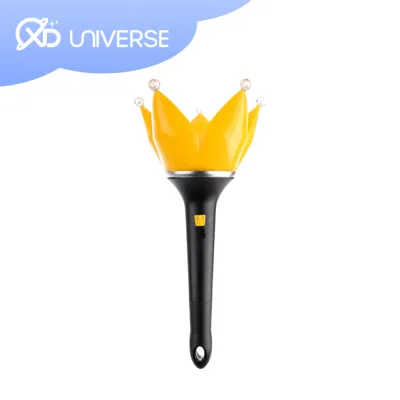
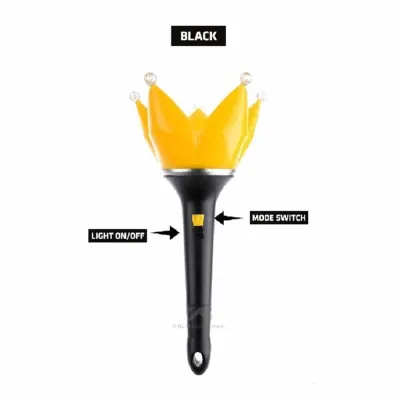
The build quality of the lightstick itself offers immediate clues. Official BIGBANG lightsticks, known for their iconic crown design, are manufactured with precise plastic molding. Run your fingers along the seams of the plastic; genuine items have smooth, tightly sealed edges with minimal visible gaps. Counterfeit versions often have rough, uneven seams, excess plastic flashing, and poorly applied paint on the crown or headpiece. Additionally, check the weight distribution and button responsiveness. A genuine lightstick feels balanced and substantial in the hand, and the power button should provide a crisp, tactile click rather than a mushy or loose response.
Finally, verify the included accessories and documentation. The retail box should contain an official user manual, a wrist strap, and sometimes a warranty card or protective packaging inserts. Check the paper quality of the manual; official documentation is printed on clean, thick paper with clear diagrams. Counterfeit manuals often use thin, low-grade paper with faded ink and obvious grammatical errors. The wrist strap should also feel durable, with the official branding cleanly printed or woven into the fabric.
Digital Verification: Testing Smart Features and Official Codes
Modern K-pop lightsticks rely on internal electronics to deliver interactive experiences, making digital testing a highly effective verification method. Begin by testing the Bluetooth pairing capabilities of the device. Download the official K-pop lightstick application onto your smartphone and attempt to connect the lightstick. Follow the on-screen instructions to pair the device. A genuine lightstick should connect quickly and remain stable, allowing you to change the LED colors through the app interface.
Once connected, check for firmware updates within the application. Official software ecosystems are designed to recognize genuine hardware and prompt users to install the latest firmware updates. If the application fails to recognize the device or displays an error message during the update process, it is a strong indicator that the internal components are non-standard or counterfeit.
Many official products also include unique QR codes or serial numbers on the packaging or inside the battery compartment. Scan these codes using the designated verification systems or official brand portals. A genuine code should direct you to an official confirmation page. Be cautious if the scan leads to a generic search engine result or a suspicious, unverified website designed to mimic the official brand portal.
However, it is important to understand the limitations of digital verification. Sophisticated counterfeiters have developed methods to clone basic Bluetooth signals, allowing some fakes to establish a rudimentary connection with mobile devices. Therefore, digital tests should always be used as a supplement to, rather than a replacement for, physical and visual inspections.
Safe Purchasing Channels and Seller Red Flags
Minimizing the risk of buying a counterfeit lightstick starts with choosing the right retail environment. The safest option is always to purchase directly from authorized channels, such as official brand stores, recognized K-pop merchandise retailers, or official merchandise booths at concert venues. These sources source their inventory directly from the manufacturers, guaranteeing authenticity.
When shopping on online marketplaces or e-commerce platforms, you must remain vigilant for common red flags. Be highly suspicious of listings with prices that are significantly lower than the standard retail rate of around S$60 to S$80. If a deal seems too good to be true, it almost certainly is, as authentic merchandise maintains a stable market value. Additionally, avoid sellers who exclusively use stock photos instead of actual pictures of the product they have in hand. A lack of detailed, verifiable customer reviews is another warning sign that the seller may be distributing counterfeit goods.
If you are navigating the second-hand market to find older or out-of-print editions, take extra precautions. Ask the individual seller to provide the original purchase receipt or an unboxing video if available. Request clear, well-lit, close-up photos of the security labels, the battery compartment, and the overall build quality. A reputable seller who is confident in the authenticity of their item will be willing to provide these details to secure a sale.
Action Plan: What to Do If You Receive a Fake
If you suspect that you have received a counterfeit BIGBANG lightstick, taking immediate and organized action is crucial to recovering your funds. Start by documenting all available evidence. Take clear, high-resolution, timestamped photos and videos of the lightstick, the packaging, and any specific discrepancies you have identified, such as rough seams, blurry printing, or failed app connections. Keep a record of the original listing, your communications with the seller, and your payment receipt.
Next, initiate a formal dispute through the e-commerce platform where the purchase was made. Most reputable online marketplaces have buyer protection policies that cover counterfeit items. File an “item not as described” or counterfeit claim, uploading your documented evidence to support your case. Avoid returning the item to the seller until the platform’s customer support team has officially instructed you to do so, as returning the evidence prematurely can complicate your claim.
If the seller or the platform is uncooperative, or if you purchased the item outside of a protected marketplace, contact your payment provider. You can initiate a chargeback through your credit card company or secure payment gateway by presenting your documented evidence of receiving a counterfeit product. Many financial institutions offer robust protection against fraudulent transactions, helping you secure a refund even when the seller refuses to cooperate.
Frequently Asked Questions (FAQ)
Can a fake BIGBANG lightstick connect to the official app?
While many basic counterfeit lightsticks fail to establish any digital connection, some sophisticated, high-tier fakes are equipped with cloned Bluetooth chips that can mimic basic handshakes. This means a successful connection alone is not absolute proof of authenticity. You must always cross-verify the digital connection with physical quality checks, packaging details, and official security markers to ensure the item is genuine.
Are older versions of the BIGBANG lightstick still considered authentic?
Yes, older generations of the BIGBANG lightstick are authentic, but they will differ significantly from newer versions. Early models were produced before smart Bluetooth synchronization became standard, so they will lack app connectivity and wireless concert pairing features. To verify an older version, research its specific release history, check for era-appropriate packaging markers, and focus on the physical build quality, weight, and plastic molding standards of that specific generation.
Community discussion
Share your experience or ask a question. Comments are reviewed before publication.