
To select a reliable jeans thread for denim sewing in Singapore, you must match the thread’s structural strength and weight to your fabric’s thickness while ensuring compatibility with your home or industrial sewing machine. Denim is a dense, tightly woven textile that subjects sewing threads to extreme friction and tension during both construction and daily wear. Finding the right thread involves evaluating key specifications like Tex numbers, choosing between polyester and cotton-wrapped cores, and sourcing from reputable local haberdashers or verified online distributors. By focusing on these technical details, you can prevent frequent thread breakage, skipped stitches, and premature seam failure on your handmade or repaired denim garments.
When working with heavy fabrics in Singapore’s humid climate, thread quality becomes even more critical. High humidity can affect how fibers behave under tension, making consistent lubrication and high-quality manufacturing essential for smooth stitching. Whether you are tapering a pair of vintage jeans, repairing a worn hem, or constructing a heavy denim jacket from scratch, understanding the mechanical demands of the fabric will guide you to the correct thread choice and machine setup.
Understanding the Demands of Denim Sewing
Denim is traditionally constructed using a sturdy twill weave, which creates a dense and heavy fabric structure. When a sewing machine needle pierces this material, it encounters significant resistance. Standard sewing threads, which are designed for lightweight cottons or synthetic blends, lack the tensile strength required to pull through these dense layers without fraying or snapping. Furthermore, the seams of denim garments—especially around the hips, pockets, and crotch—are subjected to constant stress and movement, requiring a thread that can stretch slightly and resist abrasion over years of wear and washing.
Products mentioned in this guide
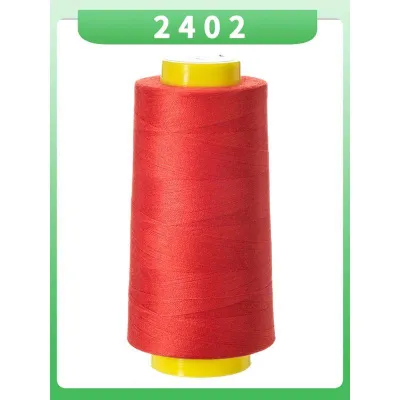
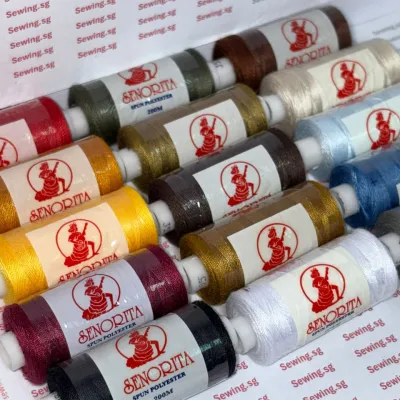
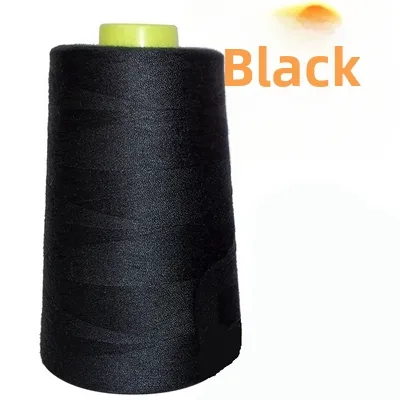
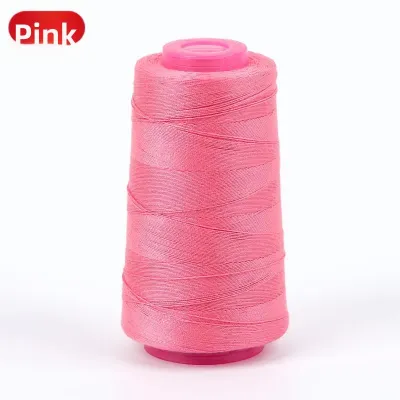
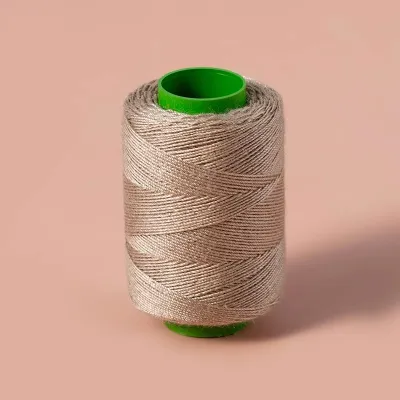
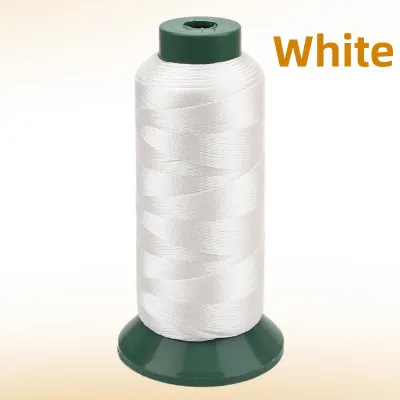
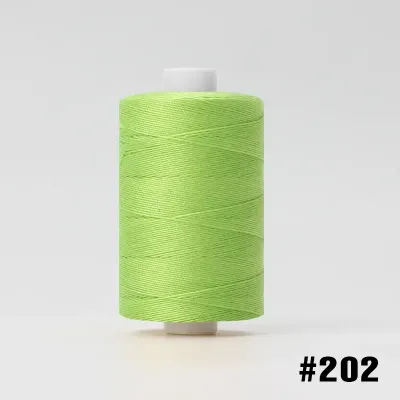
Prices are valid at publication and may change. Please refer to the product page for the latest price.
To withstand these forces, specialized jeans threads are engineered with high tensile strength and superior abrasion resistance. These threads are designed to slide smoothly through multiple layers of heavy fabric without shredding. The structural integrity of the thread ensures that the seams remain intact even when the garment is subjected to heavy physical strain, preventing the embarrassing and inconvenient seam splits that often occur when sub-par materials are used.
When planning a denim project, you must distinguish between construction thread and topstitching thread. Construction thread is used for the hidden, structural seams that hold the garment pieces together. This thread needs to be incredibly strong but thin enough to lie flat within the seam allowance, preventing bulky ridges that can cause discomfort against the skin. Topstitching thread, on the other hand, is a much thicker, heavier thread used for the visible, decorative stitching along the pockets, fly, and outer seams. It is designed to stand out visually, providing the classic contrast look associated with traditional denim wear.
Thread twist, ply, and lubrication also play vital roles in how a thread performs under high-speed sewing conditions. Most high-quality jeans threads feature a Z-twist, which is the standard direction for single-needle sewing machines to prevent the thread from unravelling as it passes through the tension discs and needle eye. The ply refers to the number of individual strands twisted together to form the thread; a higher ply generally indicates greater strength. Additionally, premium threads are treated with a light silicone or wax lubrication, which minimizes friction, reduces heat buildup at the needle point, and ensures consistent machine tension.
Key Specifications to Evaluate on Thread Labels
When shopping for jeans thread, understanding the technical specifications on the label is crucial for selecting the right product. The most common system for measuring thread thickness is the Tex system, which represents the weight in grams of 1,000 meters of thread. For standard denim construction, a Tex weight of 40 to 60 is generally recommended, as it offers an excellent balance of strength and low bulk. For decorative topstitching, a heavier Tex 80 to Tex 105 thread is ideal, as it creates the bold, defined stitches that characterize classic denim garments.

Another common labeling system is the Ticket (Tkt.) number, which is often used by European and industrial manufacturers. Unlike the Tex system, a lower Ticket number indicates a thicker thread. For example, a Tkt. 30 thread is significantly thicker and stronger than a Tkt. 120 thread, which is typically reserved for lightweight dressmaking. When evaluating thread labels, always check which measurement system is being used to avoid purchasing a thread that is either too weak for structural seams or too thick to pass through your sewing machine’s tension mechanism.
Material composition is another critical factor to evaluate. The two primary choices for denim sewing are 100% polyester thread and cotton-wrapped polyester (often called core-spun) thread. Polyester threads offer exceptional strength, high elasticity, and excellent resistance to chemical degradation and UV exposure, making them highly durable and resistant to shrinking. Cotton-wrapped polyester threads combine the high-tensile strength of a polyester core with a outer wrap of natural cotton. This cotton wrap provides a traditional matte appearance and excellent heat resistance, preventing the thread from melting when subjected to high-temperature ironing.
Before finalizing your thread selection, always check the manufacturer’s guidelines for recommended needle sizes and fabric compatibility. Using a thread that is too thick for your needle will cause the thread to jam in the needle eye, leading to shredding and skipped stitches. Conversely, using a needle that is too large for a thin thread will result in unsightly, oversized holes in your fabric and loose, unstable stitches. Most thread manufacturers print the recommended needle size range directly on the spool or on their official specification sheets.
Sourcing Haberdashery and Thread Supplies in Singapore
Finding high-quality jeans thread in Singapore requires knowing where to look, as standard neighborhood utility shops may only carry basic all-purpose threads. For those who prefer a hands-on shopping experience, visiting historic textile and craft districts is highly recommended. Areas like Chinatown, particularly the upper floors of People’s Park Food Centre, house several long-standing haberdashery shops that stock a wide range of specialized sewing supplies. Shopping in person allows you to bring your denim fabric scraps along to physically match the thread color and evaluate the texture under natural light.
Another excellent physical shopping destination is the Arab Street district, famous for its rich textile history. Here, you can find specialized shops catering to both hobbyists and professional tailors. These merchants often stock industrial-grade threads that are perfect for heavy-duty denim sewing. When visiting these shops, do not hesitate to ask the staff for assistance, as they can often recommend specific thread weights and compositions based on the weight of the denim you plan to sew.
If you prefer the convenience of online shopping, e-commerce platforms and online marketplaces offer access to a vast array of international thread brands. However, buying thread online requires extra caution to ensure you receive genuine, high-quality products. Always verify the seller’s authenticity by reading customer reviews and checking for authorized distributor badges. Look for reviews that specifically mention the thread’s performance in heavy-duty sewing projects, as this is a reliable indicator of genuine quality.
When purchasing thread online in Singapore, it is also wise to check for batch consistency, especially if you are buying multiple spools for a large project. Slight color variations can occur between different dye lots, which can be highly noticeable on visible topstitching. Additionally, consider the local delivery conditions; ensure the seller packages the thread securely to protect it from moisture and dust during transit. Once your thread arrives, store it in an airtight container with silica gel packets to protect the fibers from Singapore’s high humidity, which can degrade thread strength over time.
Practical Testing and Machine Setup for Denim Threads
Before you begin sewing your actual denim garment, conducting a thorough scrap fabric test is essential. Cut a small piece of the exact denim fabric you will be using and fold it to replicate the maximum number of layers your machine will encounter during construction, such as at the flat-felled seams or waistband joins. Sew a test line using your chosen thread and inspect the results carefully. Look for signs of thread breakage, fabric puckering, or uneven tension on both the top and bottom sides of the fabric.
Selecting the correct needle is the single most important factor in preventing thread shredding and skipped stitches. For denim sewing, you should use a dedicated jeans needle (often labeled as HJ or Jeans) or a topstitch needle. Jeans needles feature a very sharp, reinforced point and a sturdy blade designed to pierce dense fabrics without deflecting. Topstitch needles have an extra-large eye and a deeper groove, which allows thick topstitching threads to pass through with minimal friction. For medium-weight denim, a size 90/14 needle is usually sufficient, while heavy raw denim may require a size 100/16 or 110/18 needle.
Adjusting your machine’s tension is critical when working with thick denim threads. If you are using a heavy topstitching thread on top, it is highly recommended to use a standard-weight all-purpose thread (such as Tex 25 or Tex 30) in the bobbin. Using thick thread in both the needle and the bobbin can overwhelm domestic sewing machines, leading to severe tension imbalances and nesting under the fabric. By keeping a lighter thread in the bobbin, you reduce the overall bulk of the stitch and make it much easier to balance the tension.
To achieve a perfectly balanced lockstitch, gradually adjust your upper tension dial upward. Because the top thread is thicker, it requires more tension to pull the bobbin thread up into the center of the fabric layers. Sew a few inches on your test scrap after each minor adjustment until the stitch looks identical on both sides, with the interlocking knot hidden completely within the fabric. Additionally, increase your stitch length to 3.0mm or 3.5mm for construction, and up to 4.0mm for topstitching, as longer stitches look cleaner and prevent the dense fabric from becoming perforated and weakened by too many closely spaced needle penetrations.
Frequently Asked Questions (FAQ)
Can I use regular all-purpose thread for sewing jeans?
While you can technically use regular all-purpose thread for certain non-stress areas of a pair of jeans, it is highly discouraged for structural seams. All-purpose thread, which is typically a lightweight Tex 25 or Tex 30 polyester, lacks the tensile strength and abrasion resistance required to withstand the high-stress areas of denim garments, such as the crotch, seat, and waistband. Using standard thread in these areas will almost certainly lead to premature seam failure and popped stitches after only a few wears.
However, all-purpose thread can be safely used for lightweight denim projects (fabrics under 8 ounces) or for non-structural interior finishing, such as sewing pocket bags made from lightweight cotton lining. It is also excellent for temporary basting stitches, which are removed after the final seams are sewn. For any structural seams or visible topstitching on standard-weight denim, always invest in a dedicated, heavy-duty jeans thread to ensure the longevity and durability of your work.
How do I prevent thick topstitching thread from breaking in my machine?
Thick topstitching thread frequently breaks in domestic sewing machines due to excessive friction and incorrect needle selection. To prevent this, the first step is to ensure you are using a dedicated topstitch needle with an eye large enough to accommodate the thread. If the needle eye is too small, the thread will rub against the metal edges as it moves up and down, quickly shredding the fibers until the thread snaps. Upgrading to a larger needle size, such as 100/16 or 110/18, often resolves this issue immediately.
Another common cause of thread breakage is incorrect tension and lint buildup. Thoroughly clean your machine’s bobbin area and thread path, as heavy denim threads and fabrics shed a significant amount of lint that can clog the tension discs and bobbin case. Additionally, ensure that you are using a standard-weight thread in the bobbin rather than matching the thick topstitching thread on top. This setup reduces the physical resistance in the bobbin area, allowing the machine to form stitches smoothly without putting excessive strain on the upper thread.
Community discussion
Share your experience or ask a question. Comments are reviewed before publication.