
Gouache paint is beloved by artists for its rich opacity, matte finish, and versatile handling properties. However, because it is a water-based medium, it is highly susceptible to drying out and cracking over time. This can happen whether the paint is left on a mixing palette, stored in plastic pans, or forgotten in tightly capped tubes.
Fortunately, the water-soluble nature of gouache means that dried paint is rarely a total loss. Because the primary binder in most professional and student-grade gouache is gum arabic or a similar water-soluble dextrin, you can successfully reactivate dried and cracked paint to a smooth, creamy consistency.
Restoring your paint not only saves money but also reduces waste, allowing you to salvage expensive pigments that might otherwise be thrown away. The reactivation process requires patience, the right tools, and a systematic approach to ensure you do not compromise the paint’s binder-to-pigment ratio.
Products mentioned in this guide
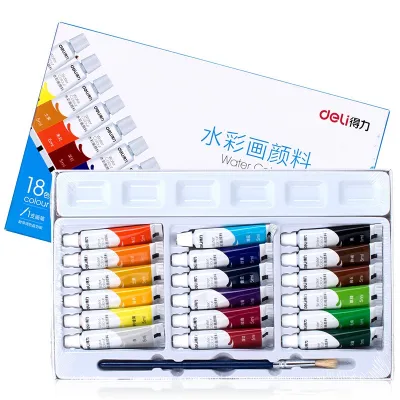
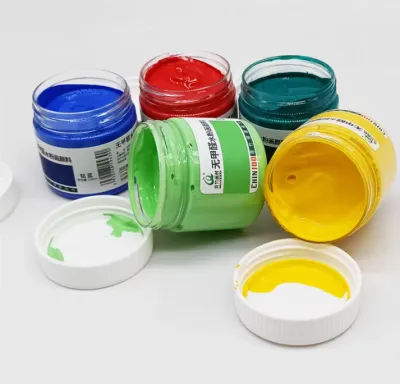
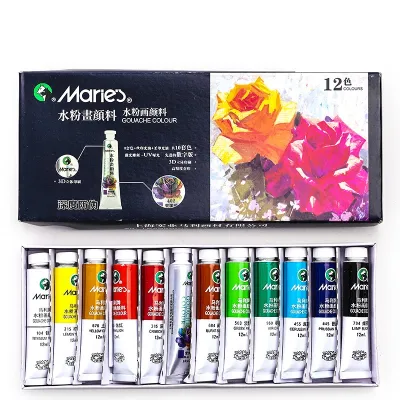
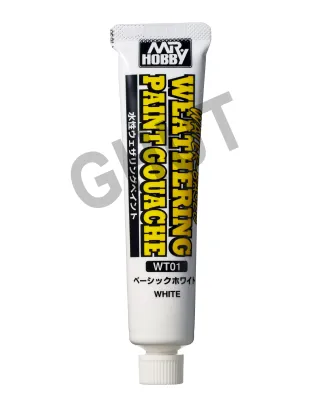
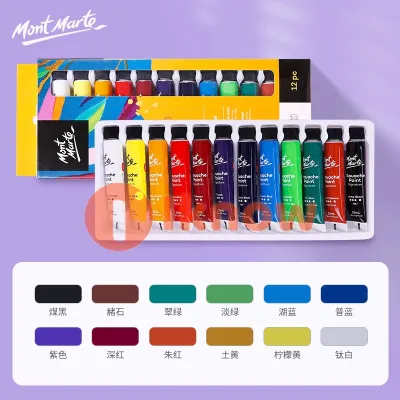
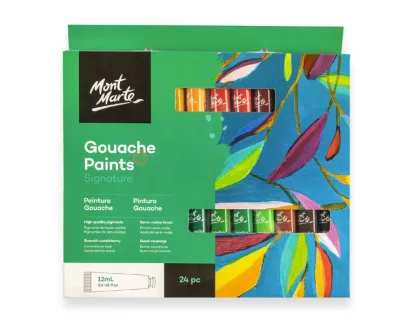
Prices are valid at publication and may change. Please refer to the product page for the latest price.
Whether you are dealing with rock-hard pans, dried-out tubes, or leftover blobs on your favorite ceramic palette, this guide provides step-by-step instructions to safely bring your gouache back to life.
Essential Tools and Materials for Rehydrating Gouache
Before attempting to restore your dried gouache, gathering the correct supplies is essential to avoid introducing contaminants that could ruin your paint or cause mold growth. Using the wrong tools or water source can permanently damage the delicate balance of pigment and binder.
The most critical ingredient is water, and you should always use distilled or highly filtered water. Tap water contains minerals, chlorine, and microscopic organic matter that can degrade the gum arabic binder over time or encourage mold to grow, particularly in warm, humid climates. Distilled water ensures a pure, neutral medium that will not alter the chemical composition of your paint.
For mixing, a flexible metal or plastic palette knife is indispensable. It allows you to apply flat pressure to crush paint clumps and blend the mixture smoothly against a flat surface. For smaller pans or tight spaces, a stiff synthetic brush or a simple wooden toothpick can work, though they require more effort to achieve a completely smooth texture.
Finally, prepare clean storage containers. Small, airtight plastic or glass jars with screw-top lids are perfect for holding paint salvaged from tubes. If you prefer working with pans, empty watercolor half-pans or full pans are excellent options. Ensure all mixing surfaces, tools, and containers are thoroughly cleaned and dried before you begin.
How to Reactivate Dried Gouache in Pans
Gouache stored in plastic pans often dries out and develops deep cracks due to evaporation. Fortunately, pans are the easiest form of gouache to reactivate because the paint is already contained in a convenient, open well.

To begin, use a fine mist spray bottle or a clean dropper to apply a small amount of distilled water directly onto the cracked surface of the paint in the pan. Do not flood the pan; you only want enough water to pool slightly in the cracks and cover the top surface. Let the pan sit undisturbed for 5 to 10 minutes. This waiting period allows the water to seep deep into the fissures, softening the hardened paint from the inside out.
Once the paint has softened, use a palette knife or the back of a stiff synthetic brush to gently work the water into the paint. Use small, controlled circular motions to break down any stubborn clumps. Be careful not to press too hard against the bottom of plastic pans to avoid scratching or cracking the container. If the paint is still too hard to mix, add a few more drops of water and let it sit for another 5 minutes.
As you mix, gradually adjust the water-to-paint ratio. You are looking for a specific visual cue: a smooth, creamy, honey-like consistency that flows off your mixing tool without being runny. If you accidentally add too much water and the paint becomes thin and transparent, do not panic. Simply leave the pan uncovered in a clean, dust-free room for a few hours to allow the excess moisture to evaporate naturally until the desired thickness is restored.
How to Restore Cracked Gouache in Tubes
When gouache dries inside its original metal or plastic tube, it can become rock-hard, making it impossible to squeeze out. Restoring tube paint requires a slightly more hands-on approach to extract and re-emulsify the hardened block.
First, check if the cap is removable. If the cap is completely glued shut by dried paint, do not force it, as this can tear the tube and cause a mess. Instead, use a pair of clean utility scissors to carefully cut open the tube. Make a straight cut along the bottom seam or down the side of the tube, then gently peel back the metal or plastic casing to expose the dried paint block inside.
Next, transfer the dried paint block into a small, clean, airtight container or an empty half-pan. If the paint has separated inside the tube—which often looks like a hard pigment mass surrounded by a sticky, amber-colored liquid binder—be sure to scrape all of the liquid binder into the new container along with the solid block. This ensures the paint retains its original formulation and adhesive properties.
Once transferred, add distilled water incrementally, starting with just a few drops. Use a sturdy palette knife to muddle and crush the hardened paint block into smaller pieces. Because tube paint is often denser than pan paint, this process requires patience. You may need to let the mixture sit covered overnight to allow the water to fully penetrate the dense core of the paint. The next day, continue mixing and mashing the paint against the sides of the container until the binder and pigment re-emulsify into a uniform, creamy paste.
How to Revive Dried Gouache on a Mixing Palette
It is common to have leftover blobs of gouache on your mixing palette after a painting session. Instead of washing this paint down the sink, you can easily revive it for your next project, though you must handle it with care to maintain color purity.
To revive dried paint on a ceramic, glass, or plastic palette, lightly mist the surface with distilled water using a fine spray bottle. Alternatively, you can touch the dried paint directly with a wet, clean brush. Let the water sit on the paint for a minute or two to soften the outer layer.
Gently scrape off the reactivated top layer of paint with your brush or a palette knife. If your palette has been sitting open in a room for several days, avoid disturbing the very bottom layer of the paint blob. This bottom layer is highly likely to have trapped airborne dust, pet hair, or dried remnants of other mediums, which can contaminate your fresh washes and ruin the smooth finish of your artwork.
Keep in mind that repeatedly reactivating paint left on an open palette has clear limitations. Each time the paint dries and is rewetted, it is exposed to environmental impurities. Furthermore, the gum arabic binder can gradually degrade over multiple drying cycles, which may eventually cause the paint to lose its characteristic opacity, become chalky, or fail to adhere properly to your paper. Use revived palette paint primarily for underpaintings, sketching, or quick studies rather than final, detailed layers.
Common Rehydration Mistakes and When to Discard Paint
While gouache is highly forgiving, certain mistakes during the rehydration process can permanently ruin your paint. Knowing what to avoid—and when a tube is beyond saving—will save you time and frustration.
The most common mistake is adding too much water too quickly. Gouache should be thick and opaque; adding excessive water turns it into a thin, transparent watercolor wash that cannot be easily reversed without long evaporation times. Additionally, avoid using hot water, as extreme temperatures can alter the binder’s chemical properties and affect how the paint dries on paper. Never use high-speed mechanical mixing tools or vigorous whipping motions, as this introduces tiny air bubbles into the paste, resulting in a spongy texture that ruins the paint’s smooth, flat application.
You must also recognize when paint is permanently compromised and should be discarded. The most critical stop condition is visible mold growth, which can appear as fuzzy white, green, or black spots on the paint surface. Mold spores will ruin your paper and can spread to other paint pans in your palette. A foul, sour, or musty odor is another clear indicator of bacterial contamination. Finally, if the binder has permanently separated and the paint remains grainy, watery, or refuses to bond into a cohesive paste despite hours of patient mixing, the emulsion has failed, and the paint must be thrown away.
Storage Habits to Prevent Future Drying
Preventing your gouache from drying out in the first place is always easier than reactivating it. Implementing a few simple storage habits will significantly extend the lifespan of your paint collection.
For tube paints, always wipe the threaded neck of the tube with a clean, damp cloth before screwing the cap back on. Dried paint on the threads prevents the cap from sealing completely, allowing air to slowly seep inside and dry out the remaining paint. For pans and palette boxes, ensure the lids are clicked tightly into place immediately after your painting session.
Store your paints in a cool, dry environment away from direct sunlight and extreme temperature fluctuations. In warm, humid climates, keeping your paint boxes in a drawer or a dedicated storage container helps maintain a stable environment. Avoid leaving your paints in hot vehicles or near heating vents, as dry heat accelerates evaporation and binder separation.
Some artists place a small, damp sponge inside a sealed palette box to maintain humidity and keep the paints moist between sessions. However, you should check your paint manufacturer’s guidelines before doing this. In humid regions, keeping a damp sponge in a sealed, dark container creates the perfect breeding ground for mold, so this technique should be used with caution and monitored regularly.
Frequently Asked Questions (FAQ)
Can I add glycerin or a rewetting medium to dried gouache?
Yes, but you must do so very sparingly. A single drop of vegetable glycerin or a commercial watercolor rewetting medium can help restore flexibility to dried gouache and prevent it from cracking again in the future. However, adding too much will alter the paint’s physical properties. Excessive glycerin can ruin the characteristic matte finish of gouache, making it appear shiny or sticky, and it may prevent the paint from drying completely on your paper. Always check the manufacturer’s recommendations before adding any mediums to your paint.
Will reactivated gouache look or perform differently than fresh paint?
When properly reactivated from tubes or pans using distilled water, gouache generally performs almost identically to fresh paint. Once the pigment and binder are fully re-emulsified, you will achieve the same opaque, matte finish and smooth handling. However, paint that has been repeatedly dried and reactivated on an open mixing palette may lose some opacity, binder strength, and purity. To ensure optimal performance, always test your reactivated paint on a scrap piece of paper to verify its drying speed, smoothness, and bleed resistance before applying it to your final artwork.
Community discussion
Share your experience or ask a question. Comments are reviewed before publication.