
Purchasing Touch ‘n Go (TNG) cards or eWallet reloads in bulk for corporate gifting, employee benefits, or promotional campaigns requires navigating official business-to-business (B2B) channels. Whether your organization is based in Singapore and looking to facilitate cross-border travel for commuting staff, or planning a regional marketing campaign, securing these assets through authorized channels ensures compliance, validity, and smooth distribution.
By establishing a direct corporate relationship with the official issuer or verified distributors, your company can access structured procurement workflows, official tax invoicing, and potential customization options. This guide outlines the essential steps to evaluate your corporate needs, verify official channels, prepare compliance documentation, and execute a secure bulk purchase.
Determine Your Corporate Gifting Requirements
Before initiating contact with corporate sales teams, you must decide whether physical cards or digital eWallet reload credits best suit your company’s operational needs and recipient profiles. Physical cards are tangible assets that fit standard wallet slots and cardholders, making them excellent additions to physical welcome kits, corporate gift bags, or onboarding packages. They are highly practical for employees who frequently drive across borders, navigate toll booths, or use public transit networks that accept physical contactless cards.
Products mentioned in this guide


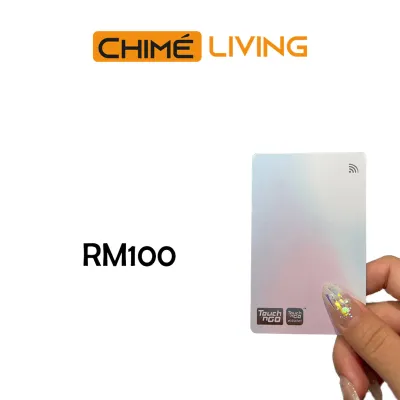


Prices are valid at publication and may change. Please refer to the product page for the latest price.
Digital eWallet reload credits, on the other hand, offer instant delivery and eliminate physical logistics entirely. These credits are distributed as digital PINs or direct account transfers, requiring recipients to have the official mobile application installed on their smartphones to redeem them. This digital format is highly scalable, making it the ideal choice for remote teams, quick promotional rewards, or large-scale marketing campaigns where physical shipping is impractical.
Next, estimate your total quantity and per-unit budget to understand your procurement scale. For instance, a Singapore-based corporate initiative might allocate a specific budget in S$ per recipient, which is then applied to the respective card or reload values. Knowing your exact scale helps determine whether you meet the minimum order quantities (MOQs) required for direct corporate accounts, which often differ significantly between physical cards and digital reload credits.
Finally, verify any regional usage restrictions or cross-border compatibility factors. Physical cards designed for transit and toll payments are highly practical for cross-border commuters traveling between Singapore and Malaysia. Ensure your recipients understand the specific network compatibility of the cards you distribute, as some specialized co-branded cards have distinct usage rules and registration requirements that must be completed before use.
Locate and Verify Official Bulk Purchase Channels
To guarantee the authenticity of your bulk purchase and protect your company from fraud, always initiate contact through the official Touch ‘n Go corporate or business solutions website. Official channels provide dedicated business inquiry forms where you can submit your company details, procurement scale, and specific product requirements directly to the corporate sales team. This direct route ensures you receive official pricing, valid contracts, and authorized support.

If you choose to work with third-party corporate gift agencies or procurement vendors, you must verify their authorized status. Request official partner credentials and cross-reference their business details with the official partner directory or contact the primary issuer directly to confirm their authorization. Authorized partners are bound by strict service level agreements, ensuring that the digital pins or physical cards they supply are legally sourced and active.
Avoid purchasing bulk cards or reload codes from unauthorized online marketplaces, e-commerce platforms, or unverified social media sellers. Bulk listings on public consumer marketplaces carry high risks of compromised security, pre-linked accounts, or inactive serial numbers. Purchasing from unauthorized sources can lead to financial loss, invalid assets, and severe reputational damage for your company if recipients receive unusable gifts.
When evaluating physical cards from any source, perform basic verification checks on a sample batch. Ensure the cards meet standard physical dimensions, show no signs of tampering, and feature intact security packaging. For digital assets, verify that the delivery method uses secure, encrypted channels rather than plain text files sent over unsecured communication platforms.
Prepare Required Corporate Documentation
Official B2B transactions require standard corporate verification to comply with anti-money laundering (AML) and Know Your Customer (KYC) regulations. Begin by compiling your standard company registration documents, such as official business registry extracts from your local jurisdiction (for example, ACRA filings for Singapore-registered entities). These documents prove your company’s legal status and active registration.
Prepare your corporate tax identification numbers, registered business address, and official billing details. This information is essential for generating accurate corporate tax invoices, which your finance department will require for accounting, tax filing, and internal audit purposes. Ensure that the billing details match your official corporate records exactly to avoid administrative delays during the invoicing stage.
Designate an authorized company representative to handle the B2B account and all subsequent communications. This individual should use an official corporate email address, as B2B sales teams rarely process bulk orders initiated from personal or generic public email domains. Having a single, authorized point of contact streamlines the verification process and ensures secure communication regarding payment and asset delivery.
Execute the Step-by-Step Corporate Ordering Process
Begin the procurement process by submitting a formal bulk inquiry through the verified corporate channel. Clearly state your desired product type (physical cards or digital reload pins), the exact quantity required, your preferred delivery timeline, and the intended purpose of the distribution. Providing comprehensive details in your initial inquiry helps the corporate sales team route your request efficiently.
Review the official quotation provided by the sales team with close attention to the terms and conditions. Evaluate the minimum order quantities (MOQs), bulk pricing tiers, administrative fees, and delivery charges. Note that corporate orders typically operate under non-refundable policies once the physical cards are printed or the digital reload pins are generated, so verify all quantities and specifications before signing the agreement.
Complete the payment using approved corporate methods, such as bank telegraphic transfers or corporate credit cards, as specified in the official quotation. Avoid using personal payment methods or unverified third-party payment processors. Once the transaction is complete, retain the official receipt, bank confirmation, and transaction reference numbers to facilitate tracking and internal auditing.
Monitor the fulfillment status and verify the delivery upon completion. For physical cards, track the shipment and inspect the physical security seals immediately upon arrival to ensure no tampering occurred during transit. For digital assets, ensure the secure delivery of reload pins via encrypted files or secure corporate portals, and verify a small sample of the pins to confirm they are active and ready for distribution.
Distribute and Manage the TNG Assets
When distributing physical cards, use secure packaging to prevent tampering with serial numbers or magnetic strips before they reach the recipients. Provide clear, printed instructions alongside the cards, explaining how recipients can register the cards to their personal mobile accounts, check their balances, and top up the cards at authorized physical locations or via compatible mobile applications.
For digital eWallet reloads, distribute the pins securely to the correct recipient mobile numbers or corporate email addresses. Keep a secure, restricted-access internal log of which pin was assigned to which recipient. This tracking system is invaluable for resolving any redemption issues systematically without compromising the security of the remaining unused pins.
Establish a clear company protocol for handling distribution issues, such as lost cards, failed reloads, or activation errors. Instruct recipients to use official customer support channels for personal account issues, while maintaining a single point of contact within your company to handle bulk-level technical discrepancies with the issuer. This structured approach ensures a smooth experience for your recipients and protects your corporate investment.
Frequently Asked Questions (FAQ)
Can we customize the physical Touch 'n Go cards with our company logo?
Customizing physical cards with corporate branding or logos is generally possible but is subject to strict design guidelines and high minimum order quantities (MOQs). You must negotiate these custom designs directly with the official corporate sales team to ensure compliance with card design standards, security features, and placement of official logos. Always check the current B2B customization policies during your initial inquiry, as custom design approvals and specialized printing will extend the procurement timeline.
Do bulk-purchased TNG cards or reloads have an expiration date?
Yes, both physical cards and digital reload credits are subject to validity periods. Physical cards typically have a multi-year lifespan printed on the card itself, after which the contactless chip expires. Digital reload pins usually have a much shorter expiration window from the date of generation, often ranging from a few months to a year. It is critical to verify the exact expiry terms on your official corporate quotation and plan your distribution timeline accordingly to prevent assets from expiring before they reach your recipients.
Community discussion
Share your experience or ask a question. Comments are reviewed before publication.