
To ensure your parcel box arrives at its destination intact, the most reliable sealing method is the “H-taping” technique using high-quality packaging tape that is at least 48mm wide. This method involves sealing the center seam and all exposed edge seams on both the top and bottom of the box. By creating an “H” shape with the tape, you reinforce the box’s structural integrity, protect the contents from dust and moisture, and prevent the flaps from popping open under the stress of transit.
Proper packaging is a critical step in the shipping process, whether you are sending a gift or fulfilling an order for an online business. A poorly sealed box can lead to damaged goods, lost items, and shipping delays. By mastering the correct taping techniques and selecting the right materials, you can ensure your shipments remain secure from the moment they leave your hands until they reach their final destination.
Preparation: Choosing the Right Tape and Box for Your Shipment
Before you begin taping, evaluate the condition of your parcel box. If you are reusing a box, inspect it thoroughly for any signs of structural wear, such as soft corners, punctures, or moisture damage. A box that has lost its rigidity will not protect your items effectively, regardless of how much tape you use. Additionally, ensure that all old shipping labels, tracking barcodes, and address details are completely removed or blacked out with a heavy permanent marker to prevent routing errors at the courier facility.
Products mentioned in this guide
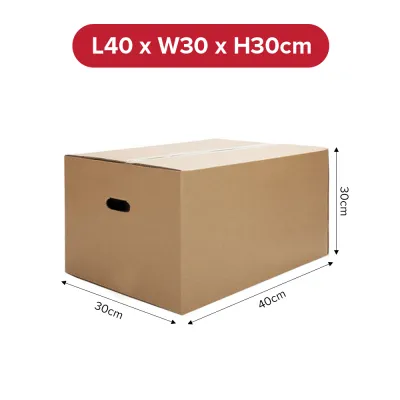
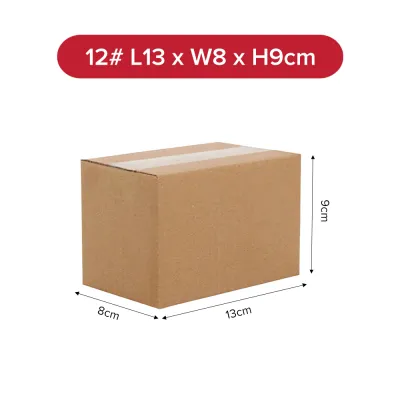
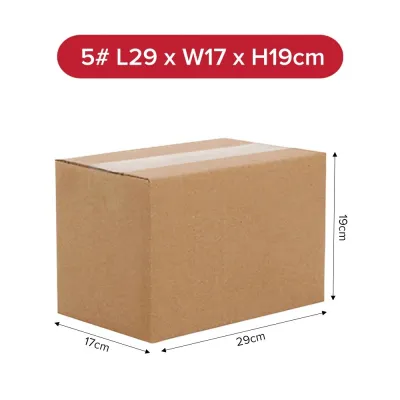
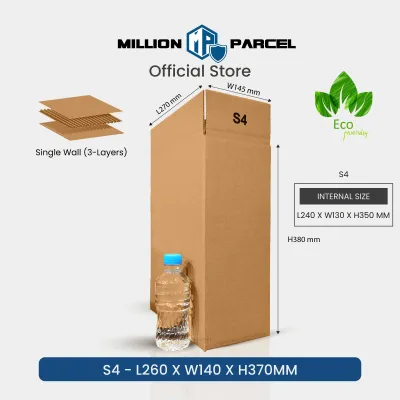
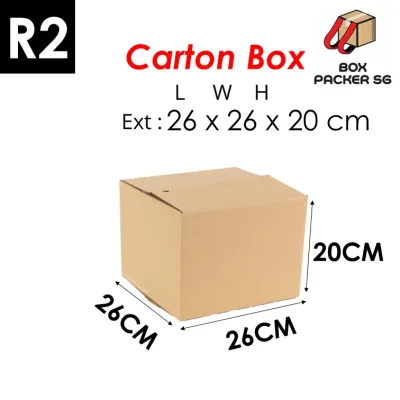
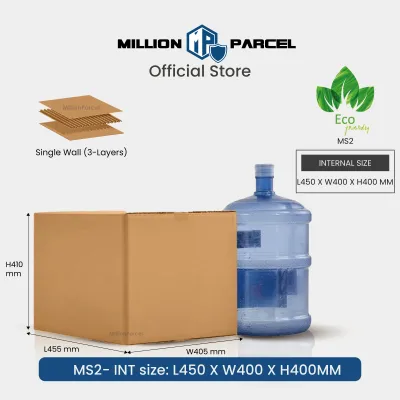
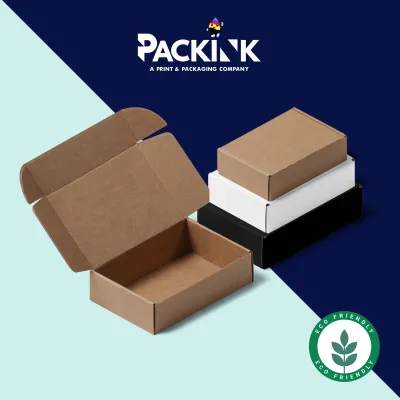
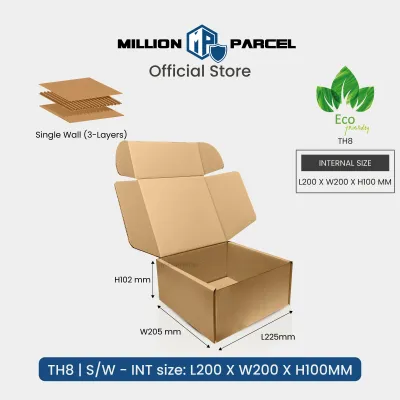
Prices are valid at publication and may change. Please refer to the product page for the latest price.
Selecting the appropriate packaging tape is just as important as choosing the right box. Standard household tapes, such as masking tape, cellophane tape, or painter’s tape, do not possess the adhesive strength or durability required for shipping. Instead, look for dedicated packaging tape with a width of at least 48mm (approximately 2 inches). For larger or heavier boxes, a wider tape of 72mm (approximately 3 inches) is highly recommended to provide a broader surface area for adhesion.
When checking product specifications, consider the material and adhesive type of the tape. Polypropylene tape is highly common and offers excellent tensile strength, making it resistant to splitting and tearing. PVC tape is thicker, quieter to unroll, and adheres well to a variety of surfaces, though it is typically more expensive. For the adhesive, acrylic options perform well in a wide range of temperatures and resist yellowing over time, while hot-melt adhesives offer a quick, aggressive initial tack that is ideal for securing recycled corrugated boxes.
To make the packing process efficient and precise, gather all necessary tools before you start. A heavy-duty pistol-grip tape dispenser is invaluable, as it allows you to apply consistent tension and cut the tape cleanly with one hand. If a dispenser is not available, keep a sharp pair of scissors nearby to ensure clean cuts, which prevent the tape from fraying or peeling. A permanent marker should also be on hand for any manual labeling or handling instructions.
Step-by-Step Guide to Sealing a Parcel Box
The first step in securing your parcel box is ensuring proper flap alignment. Begin by folding the two smaller inner flaps (the minor flaps) inward first, making sure they lie completely flat against each other. Next, fold the two larger outer flaps (the major flaps) over them. It is crucial that these major flaps meet perfectly in the center without overlapping or leaving a wide gap. An uneven seam creates an unstable surface that reduces the contact area for your tape, weakening the overall seal.

Once the flaps are aligned, you can begin the H-tape method, which is the industry standard for securing corrugated boxes. Start by sealing the center seam where the two major flaps meet. Pull a length of tape from your dispenser and position it so that it covers the seam evenly, with half of the tape’s width on each flap. Press the tape down firmly as you roll it across the seam, ensuring a smooth, flat application.
To complete the “H” shape, you must seal the exposed side seams where the major flaps meet the edges of the box. Apply a strip of tape along each of these two side seams, running parallel to the center seam. This step is vital because it completely seals the box against dust, dirt, and moisture, while also preventing the corners of the flaps from catching on conveyor belts or other packages during transit.
A critical rule of proper taping is ensuring adequate tape overhang. When sealing both the center and side seams, do not cut the tape exactly at the edges of the box. Instead, allow the tape to extend down the vertical sides of the box by at least 50mm to 75mm (approximately 2 to 3 inches). This overhang acts as an anchor, securing the tape to the rigid vertical walls of the carton and preventing the flaps from peeling back under pressure.
After applying the tape, you must activate the pressure-sensitive adhesive to ensure a permanent bond. Run your hand, a clean cloth, or the plastic wiper of your tape dispenser firmly along all taped surfaces. Apply even pressure to smooth out any air bubbles, wrinkles, or loose edges. Be careful not to press so hard that you crush the corrugated fluting inside the cardboard, as this fluting is what gives the box its stacking strength and compression resistance. Finally, flip the box over and repeat this entire process on the bottom, which bears the brunt of the shipment’s weight.
Reinforcing Heavy or Fragile Shipments
Standard taping methods are often insufficient for packages that exceed typical weight limits or contain highly delicate items. According to most carrier guidelines, shipments weighing over 15kg require additional reinforcement to prevent the box from bursting under its own weight. Before packing, check the manufacturer’s weight rating printed on the bottom of your box (the Box Maker’s Certificate) to ensure the corrugated board can handle the load.
For heavy shipments, consider using reinforced water-activated tape (also known as gummed paper tape). This tape features embedded fiberglass filaments that provide exceptional tensile strength. Unlike pressure-sensitive plastic tape, water-activated tape requires moisture to activate its starch-based adhesive, which then penetrates the cardboard fibers to create a molecular bond. Once dry, this tape cannot be peeled off without visibly tearing the box, providing excellent security and tamper evidence.
Another effective way to reinforce heavy loads is by using plastic strapping or heavy-duty edge protectors. Cardboard or plastic V-boards placed along the vertical and horizontal corners of the box help distribute the pressure of strapping or tape, preventing the edges of the box from collapsing. If you use strapping, ensure it is pulled tight but not so tight that it cuts into the corrugated board, which would compromise the structural integrity of the package.
Internal void fill plays a major role in protecting both fragile items and the box itself. When items are allowed to shift inside a parcel, they can slide against the walls and create concentrated outward pressure on the taped seams. Use high-quality cushioning materials, such as bubble wrap, air pillows, or crumpled kraft paper, to fill all empty spaces. The goal is to eliminate movement entirely; when you gently shake the sealed box, you should not feel or hear the contents shifting.
While it may be tempting to wrap a heavy box in dozens of layers of tape, this practice is counterproductive. Excessive tape layers add unnecessary weight, make the package extremely difficult for the recipient to open, and can prevent shipping labels from adhering properly. Instead of applying more layers of standard tape, focus on using the correct H-tape method with a stronger, wider, or reinforced tape grade that is specifically rated for heavy-duty applications.
Common Taping Mistakes to Avoid
One of the most frequent errors in parcel preparation is using inappropriate household tapes. Duct tape, for example, is designed for temporary repairs and has a fabric backing that can easily shear under the friction of shipping. Furthermore, its adhesive is highly sensitive to temperature changes, often becoming gooey in hot transit environments or brittle and dry in cold conditions, leading to complete seal failure. Masking tape and painter’s tape are designed to be easily removable and lack the adhesive strength required to hold heavy cardboard flaps together.
Another common mistake is failing to properly prepare reused boxes. Leaving old shipping labels, barcodes, or address details visible can confuse automated sorting systems at courier hubs. This often results in the package being routed to the wrong destination, returned to the sender, or delayed indefinitely. Always take the time to peel off old labels entirely, or cover them completely with blank adhesive labels or a heavy black marker.
Leaving gaps, wrinkles, or insufficient overhang during tape application also compromises the security of your shipment. Wrinkled tape creates tiny channels that allow rain, moisture, or dust to penetrate the box, potentially damaging the contents inside. Wrinkles also reduce the total surface area of the adhesive in contact with the cardboard, making the tape much easier to peel off accidentally. Always ensure the tape is applied smoothly and anchored securely to the sides of the box.
Final Inspection and Label Placement
Once your parcel box is fully sealed and reinforced, perform a thorough visual and physical inspection. Examine all six sides of the box to confirm that all tape seams are flat, smooth, and securely bonded to the cardboard. Check the corners and edges to ensure there are no loose tape ends that could catch on sorting machinery. Give the box a gentle squeeze; it should feel rigid and solid, with no significant flexing or bowing.
When applying your shipping label, choose a flat, even surface on the top of the box. Never place the label over a seam, a tape edge, or a corner. If a barcode is wrapped around a corner or creased over a seam, optical scanners at the courier facility may fail to read it, requiring manual processing that can delay your shipment. If you are using a paper label and securing it with clear tape, ensure the tape is completely smooth and free of wrinkles over the barcode, as reflections and creases can also interfere with scanning.
Finally, do a quick double-check to ensure that no conflicting tracking barcodes or old addresses are visible anywhere on the package. If you used a marker to cross out old details, verify that they are completely illegible. By taking these final precautionary steps, you ensure that your properly sealed parcel box is fully prepared for a smooth, efficient journey through the shipping network.
Frequently Asked Questions (FAQ)
Can I use duct tape or masking tape to seal a shipping box?
No, you should not use duct tape or masking tape to seal a shipping box. Duct tape has a fabric backing that can easily tear under shear stress, and its adhesive can degrade, melt, or dry out when exposed to the temperature fluctuations common during transit. Masking tape and painter’s tape are designed with low-tack adhesives for easy, clean removal, meaning they do not have the holding power required to keep corrugated flaps closed. Always check product labels to ensure you are using tape specifically designated for packaging or shipping.
How much tape overhang is needed on the sides of the box?
You should allow the tape to overhang the sides of the box by at least 50mm to 75mm (approximately 2 to 3 inches). This vertical overhang is crucial because it anchors the tape to the rigid sides of the carton, preventing the flaps from popping open under pressure or when stacked. For larger, heavier boxes, or when using wider tape, you may want to increase this overhang slightly to ensure a secure hold, always keeping in mind any specific application instructions provided by the tape manufacturer.
Community discussion
Share your experience or ask a question. Comments are reviewed before publication.