
Properly preparing a parcel box for shipment involves more than just packing the items securely inside. The shipping label is the primary link between your package and the courier’s sorting systems, acting as the roadmap for its entire journey. Whether you are sending a package locally within Singapore or shipping a parcel box to an international destination, a poorly placed or illegible label can lead to delays, misrouting, or return-to-sender fees.
In Singapore’s tropical climate, high humidity and sudden rain showers present unique challenges for paper and adhesive stationery. A label that looks perfectly secure in an air-conditioned room can easily peel or smudge when exposed to outdoor transit conditions. Understanding how to select the right label materials, format address details correctly, and position the label on your parcel box ensures your shipment arrives safely and on time.
Choosing the Right Label Type for Your Parcel Box
Selecting the correct label material and printing method is the first step toward a successful delivery. The three main options for labeling a parcel box are printed adhesive labels, handwritten labels, and plain paper secured with clear packaging tape. Each method has specific performance characteristics under different environmental conditions.
Products mentioned in this guide
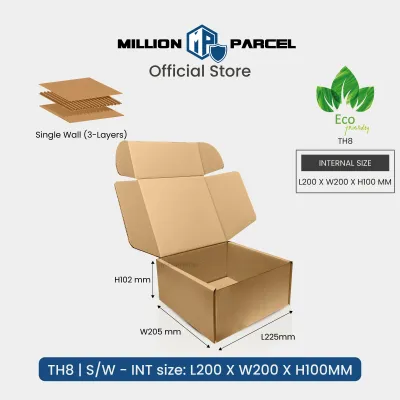
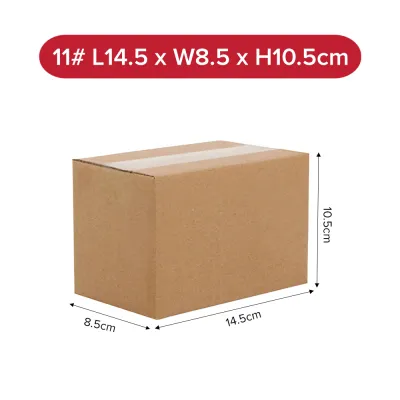
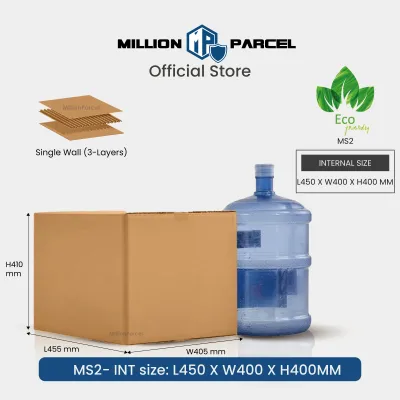
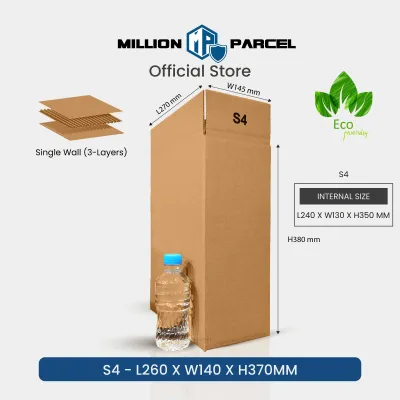
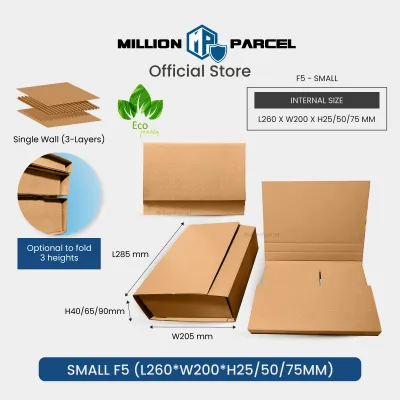
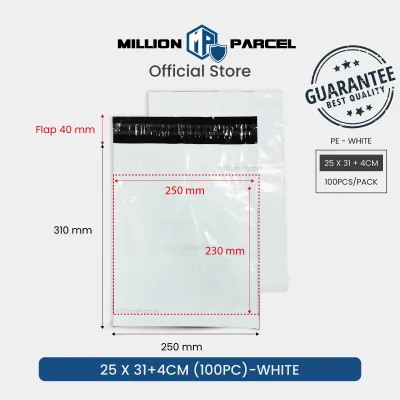
Prices are valid at publication and may change. Please refer to the product page for the latest price.
Printed adhesive labels are the industry standard for both small businesses and occasional shippers. These labels typically come in standard 4×6 inch sheets or rolls, which fit perfectly on most medium-to-large parcel boxes. If you use a direct thermal printer, the machine uses heat instead of ink to create the text and barcodes. This makes thermal labels highly resistant to smudging from water or friction. However, direct thermal paper is sensitive to heat and UV light; prolonged exposure to direct sunlight can cause the entire label to turn black or fade.
If you are printing with a standard home laser or inkjet printer, self-adhesive sticker sheets are a convenient choice. Laser printers use toner fused to the paper via heat, resulting in excellent smudge resistance and sharp barcode lines. Inkjet printers, on the other hand, often use water-soluble dye inks. If an inkjet-printed label gets wet during transit, the ink can bleed, making the barcode unscannable. If you must use an inkjet printer, look for pigment-based inks, which offer superior water resistance, or protect the printed surface.
Handwritten labels are suitable for quick, local shipments but require careful stationery selection. Always use a permanent, alcohol-based marker with a medium felt tip. Avoid ballpoint pens, gel pens, or washable markers, as these inks easily smear when touched by damp hands or exposed to high humidity.
For those without adhesive label sheets, printing on standard A4 copy paper and securing it with clear packaging tape is a reliable alternative. When using this method, choose a high-quality, clear acrylic adhesive tape. Acrylic adhesives hold up better in warm, humid climates compared to hot-melt rubber adhesives, which can soften and slide under heat.
Essential Information to Include on Shipping Labels
A shipping label must present critical routing information in a clear, standardized format that both human couriers and automated optical character recognition (OCR) sorting machines can read instantly. Missing or poorly formatted details are among the most common causes of delivery failure.

For local deliveries within Singapore, the recipient’s address must include the full name, street name, building name (if applicable), house or block number, and unit number. Unit numbers are vital for HDB flats and condominiums; omitting the floor and unit number (such as #12-345) often results in the parcel box being returned to the sender.
The 6-digit Singapore postal code is the most critical piece of routing information for local mail. Because Singapore’s postal codes are building-specific, a correct postal code allows sorting machines to route the package to the exact delivery sector even if there is a minor typo in the street name.
When shipping internationally, the destination country must be written in bold block capitals on the very last line of the address block. Use the English name of the country to ensure smooth transit through international hubs.
Always include a complete return address, clearly marked with “Sender” or “From,” in a smaller font size in the top-left corner of the parcel box. If the package cannot be delivered due to customs issues or an incorrect address, the courier needs this information to return the parcel box to you.
Finally, include a reliable contact phone number for both the sender and the recipient. Many modern courier services send automated SMS notifications with delivery windows or use the number to contact the recipient if access to a condominium or office building is restricted.
Best Practices for Label Placement on Parcel Boxes
Where and how you physically attach the label to your parcel box determines whether automated sorting systems can scan the barcode. A perfectly printed label is useless if it is creased, folded, or obscured.
Always place the primary shipping label on the largest, flattest surface of the parcel box. This is almost always the top face of the box. Placing the label here ensures that the barcode remains completely flat, allowing handheld scanners and overhead conveyor lasers to read it without distortion.
Never place a label over a seam, flap, or edge of the box. If the box shifts or flexes during transit, the label can tear along the seam, destroying the barcode or address text. Additionally, folding a label over the edge of a box bends the barcode, making it impossible for linear scanners to read the code in a single pass.
Keep the label clear of any packaging tape lines. While it is tempting to tape over the entire label to protect it, the adhesive on standard packaging tape contains plasticizers that can react with direct thermal labels, causing the printed text to fade to white within a few days. If you are using thermal labels, only tape down the blank outer margins of the label, leaving the barcode and text uncovered.
If you are securing a plain paper label with clear tape, apply the tape in smooth, parallel strips. Avoid overlapping the tape directly over the barcode, as the slight seam between tape strips can refract scanner lasers and cause read errors. Ensure there are no trapped air bubbles or wrinkles beneath the tape, as these also interfere with optical scanners.
Special Requirements and Customs Documents for International Parcels
Shipping a parcel box across international borders requires additional documentation to comply with global customs regulations. These documents must be attached to the outside of the box so customs officers can inspect them without opening the package.
The most common customs documents are the CN22 or CN23 customs declaration forms, along with commercial invoices. As a general rule, smaller, lower-value postal items typically require a CN22 form, while larger, heavier parcel boxes require a CN23 form and detailed commercial invoices.
To attach these documents, use a clear, self-adhesive plastic document pouch, often referred to as a “packing list enclosed” envelope. Stick this pouch firmly to the side of the parcel box adjacent to the main shipping label. Do not cover the main shipping label with the document pouch.
Before sealing the documents inside the pouch, ensure they are folded so that the essential details—such as the item description, total value, and recipient address—are clearly visible through the plastic. Seal the adhesive opening of the pouch tightly to protect the paperwork from rain, humidity, and friction during long-haul flights and sorting hub transfers.
Provide highly specific item descriptions on your customs forms. Avoid vague terms like “gift,” “merchandise,” or “samples.” Instead, write precise descriptions such as “100% cotton men’s shirts” or “plastic toy action figures.” Include the exact quantity, weight, and declared value in S$ or the destination currency. For commercial shipments, including the correct Harmonized System (HS) code is highly recommended to prevent customs delays and ensure accurate duty assessment.
Final Checks Before Handing Over Your Parcel
Before you hand over your parcel box to a courier or drop it off at a post office, performing a final quality check can save you the hassle of a lost or delayed shipment.
First, verify the legibility of the barcode and text. Run your finger over the printed area to ensure the ink or toner is fully dry and does not smudge. If you notice any faint lines, streaks, or faded spots on the barcode, print a fresh label. A barcode with missing vertical lines will fail to scan, forcing manual entry which slows down delivery.
Second, inspect the parcel box for any old markings. If you are reusing a cardboard box, you must completely remove or obliterate all old shipping labels, tracking barcodes, and handling stickers (such as “Fragile” or “Heavy” if they no longer apply). Use a thick, black permanent marker to cross out old barcodes completely, or cover them with blank adhesive labels. Leaving old barcodes visible can cause sorting machines to route your package to its old destination.
Third, check the adhesion of all four corners of your shipping label. Press down firmly along the edges to ensure a strong bond with the cardboard. If the edges are lifting, apply a small strip of clear packaging tape over the margin to secure it, keeping the tape clear of any thermal print areas.
Frequently Asked Questions (FAQ)
Can I reuse a parcel box with old shipping labels on it?
Yes, reusing a parcel box is an eco-friendly and cost-effective option, but you must prepare the box properly. Automated sorting systems at courier hubs scan the first barcode they detect. If old shipping labels, routing stickers, or barcodes are left on the box, the sorting machine may misroute your package. To prevent this, peel off all old labels entirely. If they are stuck fast, cover them completely with your new shipping label or use a thick, dark permanent marker to black out every old barcode and address line.
What should I do if my shipping label gets damaged or wet?
If your shipping label becomes wet, torn, or smudged before you hand it over to the courier, you should replace it immediately. A damaged label can cause automated scanners to fail, leading to manual sorting delays or the package being returned to you. To protect your labels from moisture, especially during Singapore’s rainy seasons, print your labels using a laser or thermal printer rather than an inkjet printer. If you must use an inkjet printer, cover the entire label with clear, waterproof packaging tape, ensuring there are no creases or bubbles over the barcode.
Community discussion
Share your experience or ask a question. Comments are reviewed before publication.