
Choosing the correct sewing needle set is the foundation of successful machine sewing. A mismatched needle can lead to skipped stitches, broken threads, damaged fabrics, or even costly timing issues inside your machine. To make the right choice, you must align three critical factors: your machine’s mechanical needle system, the needle point style required by your fabric’s construction, and the needle size suited to your fabric’s weight.
Verify Your Sewing Machine's Needle System
Before purchasing any sewing needle set, you must confirm that the needles are physically compatible with your specific machine model. The vast majority of modern domestic sewing machines use a standardized needle system known as 130/705H, which is also frequently labeled as HAx1. This system features a flat-sided shank on one side and a rounded side on the other, ensuring the needle can only be inserted in the correct orientation. You can easily verify this requirement by checking your machine’s instruction manual or looking at the label inside the needle clamp area.
Using the wrong needle system can cause immediate mechanical damage. For instance, industrial sewing machines typically require round-shank needles (such as the DBx1 system) which lack the flat side found on domestic needles. Attempting to force an industrial needle into a home machine, or vice versa, will misalign the needle eye with the rotary hook, leading to broken needles or damaged timing mechanisms. Similarly, specialized embroidery machines or overlockers may require specific needle systems like ELx705, which feature a second groove to accommodate high-speed thread delivery.
Products mentioned in this guide
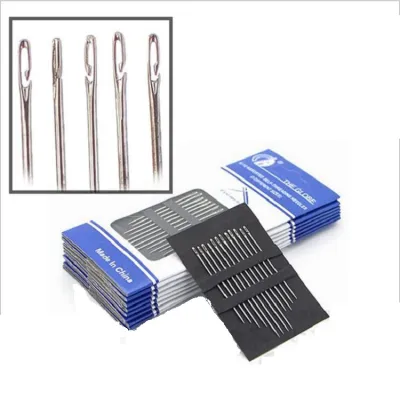
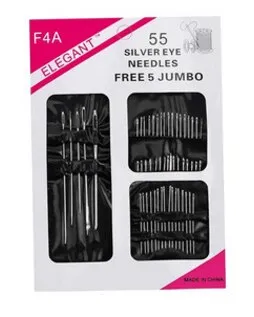
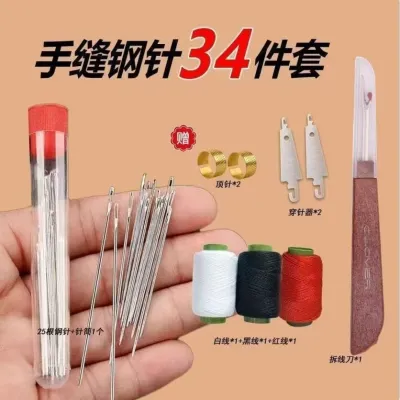
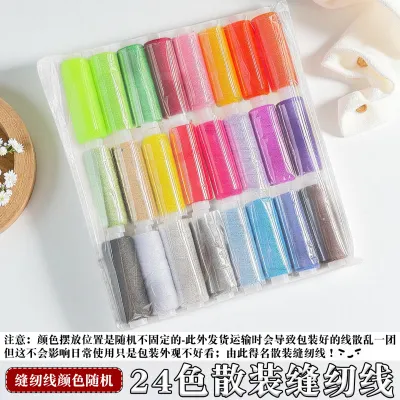
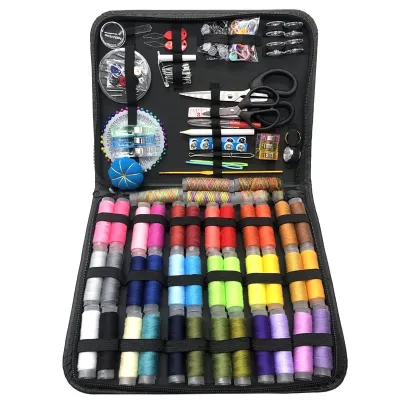
Prices are valid at publication and may change. Please refer to the product page for the latest price.
If you are operating a vintage sewing machine, extra caution is necessary. While many vintage models from the mid-twentieth century onward accept standard 130/705H needles, some older or highly specialized machines require proprietary systems that are longer, shorter, or have different shank diameters. Always consult the manufacturer’s historical documentation or a qualified sewing machine technician before attempting to use modern needle sets in heritage equipment.
Match the Needle Point to Your Fabric Type
The shape of a needle’s tip determines how it interacts with the fibers of your fabric. Using the wrong point style can slice through threads, create unsightly holes, or cause the machine to skip stitches entirely.

For general sewing on woven fabrics like cotton, linen, or polyester blends, a Universal needle is the standard choice. Universal needles feature a very slightly rounded point that is sharp enough to pierce woven threads cleanly while remaining versatile enough for basic utility stitches. However, when working with knit fabrics such as jersey, interlock, or ribbing, you should switch to a Ballpoint or Jersey needle. These needles feature a distinctly rounded tip designed to push between the knitted loops rather than piercing and cutting the fibers, which prevents the fabric from running or unraveling.
Highly elastic materials require even more specialized point geometry. For swimwear, athletic wear, or performance knits containing high percentages of elastane or spandex, a Stretch needle is essential. Stretch needles feature a specially designed scarf (the indentation above the eye) and a medium ballpoint tip that prevents skipped stitches when the fabric stretches under the presser foot. Conversely, for tightly woven microfibers, silks, synthetic leathers, or coated materials, a Microtex or Sharp needle is preferred. These needles have an extremely slim, acute point that creates precise, straight stitches without deflecting or puckering the delicate fabric.
Heavy-duty and non-woven materials demand robust, specialized points. Denim or Jeans needles are engineered with a reinforced blade and a very sharp, slim point to penetrate thick, densely woven layers without bending or breaking. For genuine leather, suede, or heavy non-woven plastics, a Leather needle is required. Leather needles feature a wedge-shaped cutting point that physically slices a small hole as it enters the material, allowing the thread to pass through smoothly. Because of this cutting action, leather needles must never be used on woven or knit fabrics, as they will permanently slice and ruin the textile fibers.
Select the Right Needle Size for Fabric Weight
Once you have identified the correct point type, you must select the appropriate needle size based on the thickness and weight of your fabric. Sewing needles use a dual-numbering system that represents both European (metric) and American sizing standards, typically written as a fraction like 70/10 or 90/14. The first, larger number represents the metric size (the shaft diameter in hundredths of a millimeter), while the second, smaller number represents the traditional American size. In both systems, smaller numbers indicate finer needles, while larger numbers indicate thicker, more robust needles.
Fine, lightweight fabrics require small needle sizes to prevent leaving visible, permanent holes in the material. For delicate fabrics such as silk, chiffon, organza, or lace, select sizes ranging from 60/8 to 70/10. These ultra-thin needles glide through delicate weaves without pulling or puckering. For medium-weight fabrics like quilting cotton, linen, chambray, and lightweight wool, a standard 80/12 needle provides the ideal balance of strength and precision.
Heavyweight materials and thick layers require larger needle sizes to prevent the needle from bending under pressure. For canvas, upholstery fabrics, corduroy, or multiple layers of denim, choose sizes from 90/14 up to 100/16 or even 110/18. These thick-shanked needles resist deflection and can accommodate the heavier threads typically used for structural sewing.
Before beginning any sewing project, always perform an observable trial on a scrap piece of your project fabric. Use the exact thread, fabric layers, and stabilizer you plan to use for the final piece. Sew a few inches of straight and zigzag stitches, then inspect the sample. If you observe skipped stitches, puckering, or visible holes where the needle entered, adjust your needle size or point type accordingly before sewing your actual garment or project.
Decode Sewing Needle Packaging and Labels
Understanding how to read a sewing needle package makes selecting the right set in a store or online marketplace straightforward. The front of the packaging contains all the vital specifications you need to match the needle to your machine and project.
First, locate the primary system code, which is usually printed near the top or bottom of the card. Look for “130/705H” or “HAx1” to confirm compatibility with your domestic machine. Directly alongside or below this code, the manufacturer will print the needle type, such as “Universal,” “Stretch,” “Jeans,” or “Microtex.” This text is often accompanied by a color-coding guide, as many modern needle brands paint colored bands on the needle shoulder to help you identify the type and size even after the needle has been removed from its packaging.
Next, examine the size indicators. These are typically displayed as a range or a single dual-number (e.g., 80/12) on the front of the plastic case or card. When purchasing a variety pack or assortment set, the packaging will list the specific distribution of sizes included, such as “2x 70/10, 2x 80/12, 1x 90/14.” Ensure the assortment matches your planned projects rather than relying on a generic set that may contain sizes too large or too small for your typical fabric choices.
Recognize When to Replace Your Needle
Sewing machine needles are consumable tools that wear down gradually with use. Continuing to sew with a dull, bent, or damaged needle can compromise your stitch quality and put unnecessary strain on your sewing machine’s motor and internal timing.
You can often diagnose a worn needle by listening closely to your machine. A fresh, sharp needle pierces fabric silently, but a dull or damaged needle will produce a distinct popping, clicking, or thumping sound as it forces its way through the fibers. If you hear this change in acoustic feedback, stop sewing immediately and inspect the needle.
Physical inspection is another reliable way to identify wear. Gently run your fingertip or a piece of scrap nylon stocking over the needle tip; if you feel any snagging, the tip has developed a burr that will shred your thread and damage your fabric. You can also check for a bent shaft by removing the needle and placing its flat side down on a perfectly flat surface, such as a glass table. If the tip curves upward or the needle does not lie completely flat, it must be discarded.
As a general maintenance guideline, plan to replace your sewing machine needle after every 8 to 10 hours of active sewing time, or at the start of every major new project. This simple habit prevents unexpected fabric damage and ensures consistent stitch quality throughout your sewing journey.
Frequently Asked Questions (FAQ)
Can I use the same needle for all my sewing projects?
While a medium-sized Universal needle (such as an 80/12) is highly versatile and works well for basic woven cottons, it is not suitable for all projects. Using a Universal needle on knit fabrics can cause skipped stitches and cut fibers, leading to unraveling seams. Conversely, attempting to sew heavy denim or leather with a standard Universal needle can cause the needle to bend or snap, while using it on delicate silk may leave permanent, unsightly holes.
Why does my thread keep breaking or shredding?
Thread breakage and shredding are most commonly caused by a damaged needle or an incorrect needle-to-thread size ratio. If the needle has a tiny burr in its eye or along its shaft, it will repeatedly scrape and shred the thread as it passes through. Additionally, if you are using a thick thread with a needle eye that is too small, the friction will quickly wear down and break the thread. Replacing the needle and ensuring the thread slides smoothly through the needle eye will usually resolve this issue.
Do I need a specific needle brand for my sewing machine?
In most cases, you do not need to purchase the same brand of needles as your sewing machine. As long as the needle set matches the standard needle system required by your machine (typically 130/705H for domestic models), needles from any reputable manufacturer will function correctly. Always consult your machine’s instruction manual to verify if there are any unique mechanical restrictions or recommended needle specifications before purchasing.

Community discussion
Share your experience or ask a question. Comments are reviewed before publication.