
Repairing a damaged leg garment requires a careful match between the patch material and the original fabric. Leg garments experience continuous friction, bending, and tension, particularly around the knees, thighs, and seat. If you apply a rigid, heavy patch to a lightweight, stretchy pair of leggings, the surrounding fabric will quickly tear under tension. Conversely, a thin, flexible patch applied to heavy work pants will wear through almost immediately. Achieving a durable repair depends on matching the weight, elasticity, and heat tolerance of both materials.
To select the right patch for a leg garment, you must first identify the fabric composition of your trousers. Denim, canvas, synthetic blends, and high-elastane knits all react differently to heat, adhesives, and stitching. By evaluating these physical properties and choosing a compatible application method, you can restore your clothing’s structural integrity and extend its wearable life.
Assessing Your Garment's Fabric Properties
Before purchasing or cutting a patch, evaluate the physical characteristics of your damaged trousers. Begin by testing the fabric’s elasticity. Gently pull a section of the undamaged fabric horizontally and vertically to determine if it has two-way stretch, four-way stretch, or no stretch at all. A patch must mimic this behavior; applying a non-stretch patch to a stretchy fabric restricts movement and concentrates stress along the seam line, leading to secondary tears.
Products mentioned in this guide
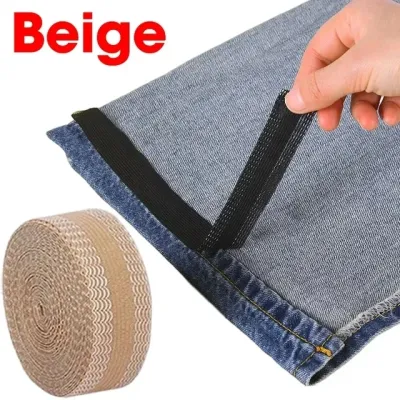
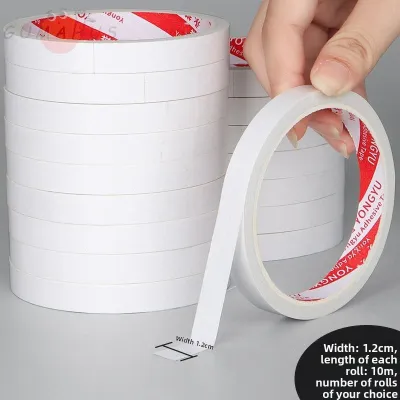
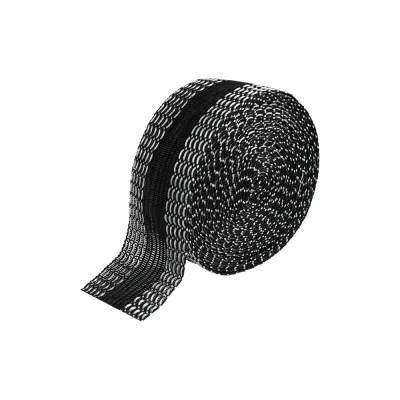
Prices are valid at publication and may change. Please refer to the product page for the latest price.
Next, consider the weight and texture of the garment. Heavyweight fabrics like denim and canvas require a patch of similar density to maintain uniform wear and appearance. Lightweight fabrics, such as those used in summer trousers or activewear, require thin, unobtrusive patches that will not create bulky, uncomfortable ridges against your skin. The texture also dictates how well adhesives can grip the fibers, as highly textured or ribbed fabrics may require mechanical stitching rather than simple iron-on backing.
Finally, locate and read the garment’s care label. This label provides critical information regarding fiber content and maximum washing and drying temperatures. Synthetic fibers like polyester, nylon, and spandex have low melting points and can easily scorch or shrink when exposed to the high heat of a household iron. Understanding these thermal limits is essential for deciding whether you can safely use an iron-on patch or if you must rely on cold-application fabric glue or traditional hand sewing.
Selecting Patches for Heavyweight Denim and Work Pants
Heavyweight work pants and jeans demand patch materials that can withstand intense abrasion and structural stress. For classic denim jeans, using recycled denim from old garments or heavy cotton twill patches provides a compatible match in both weight and durability. Canvas work pants are well paired with heavy canvas or duck cloth patches. These materials offer the necessary thickness to resist friction when kneeling, crawling, or working in demanding environments.

While iron-on patches are highly convenient for quick repairs, they often struggle to maintain a permanent bond on thick, heavy fabrics. The adhesive backing on standard iron-on patches may not penetrate deeply into dense denim or canvas fibers, causing the edges to lift after a few wash cycles. For long-lasting durability on workwear, mechanical stitching is highly recommended. You can use a sewing machine with a heavy-duty needle or hand-sew the patch using a strong polyester or nylon thread to secure the perimeter.
Another critical factor when patching heavyweight natural fibers is the shrinkage rate of the materials. Cotton denim and canvas tend to shrink during their first few hot washes. If you apply a pre-shrunk patch to a relatively new, unwashed pair of jeans, or vice versa, the two fabrics will shrink at different rates. This mismatch leads to unsightly puckering, distortion, and tension around the repaired area. To prevent this, always wash and dry both the garment and the patch material before performing the repair.
Choosing Stretch-Compatible Patches for Leggings
Leggings and activewear present a unique challenge because they rely on high elasticity to fit snugly and move with the body. When repairing a hole in leggings, you must select a patch material that features four-way stretch, typically containing a high percentage of spandex or elastane blended with polyester or nylon. This ensures the patch expands and contracts in unison with the garment, preserving comfort and preventing the patch from pulling away during exercise.
Using a rigid, woven patch—such as cotton or standard denim—on leggings is a common mistake that leads to rapid failure. Because the woven patch cannot stretch, all the physical tension from movement is transferred directly to the thin knit fabric surrounding the patch. Under tension, the sewing threads or adhesive boundaries will act like a perforated line, causing the legging fabric to rip open right along the edge of the repair.
If you prefer not to sew, you must verify the flexibility and washability specifications of your chosen fabric adhesive. Standard fabric glues often cure into a stiff, plastic-like layer that cracks when stretched. Look for specialized flexible fabric adhesives or stretch-compatible iron-on repair tapes designed specifically for synthetic activewear. If you choose to sew, use a stretch stitch on your sewing machine, such as a zigzag or three-step zigzag stitch, and select a flexible polyester thread to allow the seam to expand without snapping.
Comparing Application Methods Based on Fabric Limits
Selecting the right attachment method requires balancing the heat tolerance of your garment with the physical stress the repair will endure. Iron-on patches rely on heat-activated thermoplastic adhesives that melt and fuse with the garment’s fibers. This method is highly effective for heat-tolerant fabrics like 100% cotton denim or heavy canvas. Always cross-reference the patch manufacturer’s temperature instructions with the garment’s care label to ensure you do not exceed the fabric’s safe ironing limit.
For high-stress areas like the knees, inner thighs, and seat, sewing remains a highly durable method regardless of fabric type. The constant bending and friction in these zones will eventually break down even strong chemical adhesives. If you are working with heat-sensitive synthetic fabrics that cannot tolerate an iron, hand or machine sewing is the safest path to avoid melting the garment. When sewing, ensure your stitch pattern matches the fabric’s structural needs, using straight stitches for rigid fabrics and elastic stitches for stretch materials.
Post-application care is just as important as the application process itself. If you use an adhesive-based patch or fabric glue, respect the manufacturer’s specified curing time—which often requires waiting 24 to 48 hours before exposing the garment to moisture. When washing repaired leg garments, turn them inside out to protect the patch edges from rubbing against other clothes in the washing machine. Wash the garments in cool or warm water and air-dry them when possible, as the high heat of a clothes dryer can reactivate and weaken thermoplastic adhesives over time.
Verifying Compatibility and Knowing When to Stop
Before committing to a permanent repair, always conduct a compatibility test on a hidden area of the garment, such as the inside of a hem or pocket bag. Apply a small amount of fabric glue or press a hot iron against this hidden spot using a pressing cloth. This test allows you to observe how the fabric reacts to heat or chemical solvents without risking visible damage. If the fabric changes color, puckers, or begins to soften, avoid using that specific repair method on the visible portion of the trousers.
Be particularly cautious with garments that feature specialized finishes or coatings. Waterproof rain pants, windbreakers, and heavy-duty outdoor work pants often have durable water repellent coatings or polyurethane backings. These coatings prevent adhesives from bonding properly and can be permanently damaged by the heat of an iron. Similarly, delicate synthetic blends, waxed cotton, or coated utility pants require specialized cold-patching techniques or mechanical sewing to avoid ruining the protective finish.
Finally, it is important to recognize when a repair exceeds DIY capabilities. While small punctures, clean tears, and minor wear spots are easy to patch at home, structural failures require professional attention. Blown-out crotch seams, shredded fabric spanning large areas, or damage close to complex tailoring elements like zippers, pockets, and rivets are difficult to patch securely without specialized equipment. In these cases, taking the garment to a professional tailor or repair service can save the item from being discarded.
Frequently Asked Questions (FAQ)
Can I use an iron-on patch on synthetic work pants?
Synthetic work pants made of polyester, nylon, or blended fibers are highly sensitive to heat. Applying a standard iron-on patch directly to these materials carries a high risk of melting, scorching, or glazing the fabric. To determine if an iron-on patch is safe, check the garment’s care label for the iron symbol; if it shows a low-heat setting or prohibits ironing entirely, you should avoid iron-on adhesives. If ironing is permitted at low heat, always use a damp pressing cloth between the iron and the patch to distribute the heat evenly and protect the synthetic fibers from direct contact with the hot metal plate.
How do I prevent a patch on stretchy leggings from peeling at the edges?
To prevent a patch on stretchy leggings from peeling, you must address edge stress and adhesive flexibility. First, cut the patch into a circular or oval shape with rounded corners, as sharp 90-degree corners tend to catch on objects and peel first. Second, ensure you use a highly flexible fabric adhesive or stretch-compatible iron-on tape designed specifically for elastane blends. Finally, secure the outer perimeter of the patch with a flexible stretch stitch, such as a hand-sewn blanket stitch or a machine zigzag stitch. This mechanical reinforcement absorbs the tension when the leggings stretch, preventing the edges of the patch from lifting during movement.
Community discussion
Share your experience or ask a question. Comments are reviewed before publication.