
Matching the right moving box size to your household items is the single most effective way to prevent damaged belongings, physical strain, and chaotic unpacking. The golden rule of packing is simple: the heavier and denser the item, the smaller the box should be. Conversely, light, bulky items should occupy larger containers. Following this principle ensures that no single box becomes too heavy to lift safely, while also preventing large boxes from collapsing under excessive weight.
When preparing for a move, especially in high-density urban environments like Singapore where navigating tight condominium corridors, HDB lifts, and service elevators is common, box selection directly impacts transport efficiency. Choosing the correct carton dimensions and structural grades allows for stable stacking in the moving vehicle, maximizing vertical space without risking a structural blowout.
Understanding Moving Box Size Categories and Weight Limits
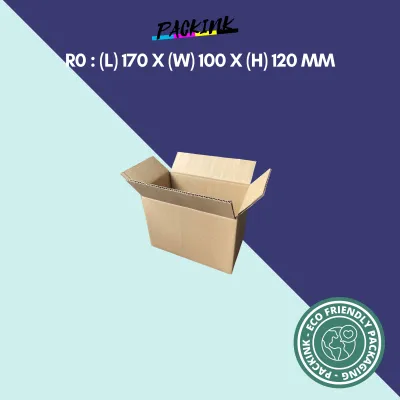
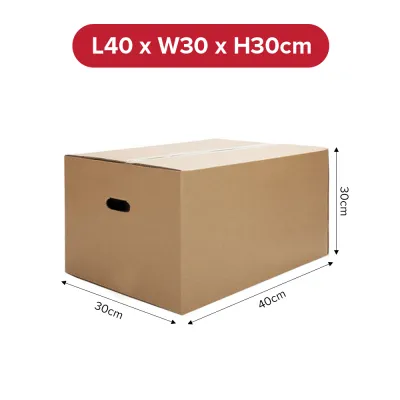
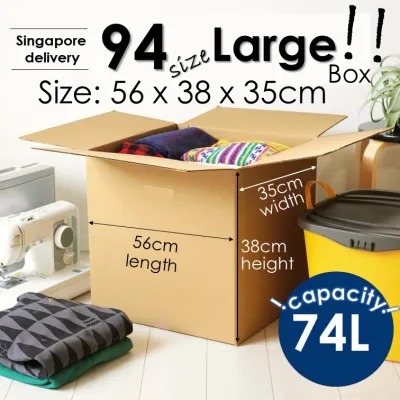
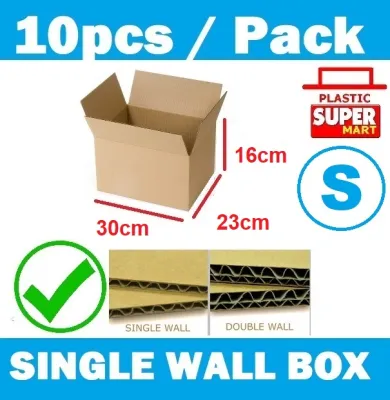
Moving boxes, or moving cartons, are categorized by their volume and structural design to accommodate different payloads. Small moving boxes typically measure around 30x30x30 cm to 40x30x30 cm (approximately 1.5 cubic feet). These compact cartons are engineered to carry heavy, dense items without bending. Medium moving boxes, averaging 45x40x40 cm (around 3.0 cubic feet), serve as the versatile workhorses of any move, accommodating a wide mix of mid-weight household goods. Large moving boxes, measuring 60x45x45 cm or larger (4.5 cubic feet and above), are reserved strictly for lightweight, high-volume items that take up space but add little weight.
Products mentioned in this guide
Prices are valid at publication and may change. Please refer to the product page for the latest price.
To ensure your cartons do not fail during transit, you must verify their maximum weight limits. Most professional-grade moving cartons feature a Box Maker’s Certificate (BMC) printed on a bottom flap. This circular stamp details the carton’s construction, including its burst strength or Edge Crush Test (ECT) rating. A standard carton with a 32 ECT rating is generally suitable for loads up to 15 kg, while a heavy-duty 44 ECT carton can safely support up to 25 kg. Always check these manufacturer specifications before loading your heaviest possessions.
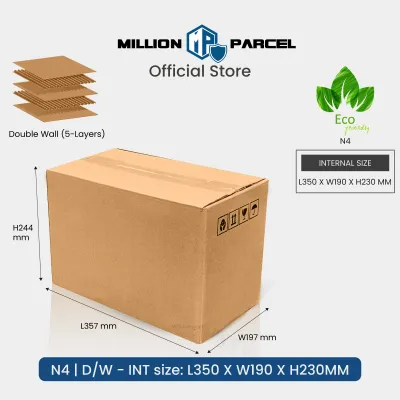
The structural integrity of a carton is heavily influenced by its corrugated board layers. Single-wall cartons consist of one wavy fluted layer sandwiched between two flat linerboards, offering lightweight and cost-effective packaging for non-fragile items. Double-wall cartons feature two layers of fluting and three flat liners, providing superior puncture resistance, exceptional stacking strength, and crucial impact protection. For valuable, fragile, or exceptionally heavy items, double-wall construction is highly recommended to withstand the physical pressures of stacking and transport.
Matching Box Sizes to Specific Household Items
High-density and heavy items must always be assigned to small-dimension cartons. Items such as books, financial documents, files, canned pantry goods, hand tools, and heavy cast-iron cookware quickly accumulate weight. Packing these items into a large box makes the container virtually impossible to lift and puts immense pressure on the bottom seams. By restricting these items to small boxes, you keep the total weight of each unit within a safe lifting limit of 15 to 20 kg, protecting both your back and the carton’s structural seams.

Medium-sized cartons are ideal for distributing medium-weight and mixed household items. This category includes folded clothing, shoes, toys, bed linens, and small kitchen appliances like blenders, coffee makers, or toaster ovens. When packing medium boxes, aim for a balanced mix. For example, you can place a few heavier pots at the bottom and cushion them with lighter plastic kitchenware or dish towels on top. This strategy keeps the box manageable while fully utilizing its internal volume.
Large cartons should be reserved exclusively for bulky, low-density items. Bedding, pillows, winter coats, cushions, and large plastic toys are perfect candidates for these spacious containers. Because these items are light, a fully packed large box will remain easy to carry. To maximize space within large cartons, consider using vacuum compression bags for bulky textiles like duvets and winter wear before placing them inside the box. This drastically reduces the volume, allowing you to fit more items securely without exceeding weight limits.
Specialized packaging options should be utilized for items that do not fit standard carton profiles. Wardrobe boxes, which feature a built-in metal hanging bar, are highly recommended for suits, dresses, and delicate hanging garments, saving significant unpacking and ironing time. For flat, fragile items like large mirrors, framed artwork, or flat-screen televisions, specialized telescoping picture boxes provide a snug, reinforced fit. Extremely fragile glassware and porcelain benefit from heavy-duty dish pack boxes, which feature double-wall construction and customizable cardboard cell dividers to prevent individual pieces from colliding.
Step-by-Step Guide to Packing Boxes Safely and Efficiently
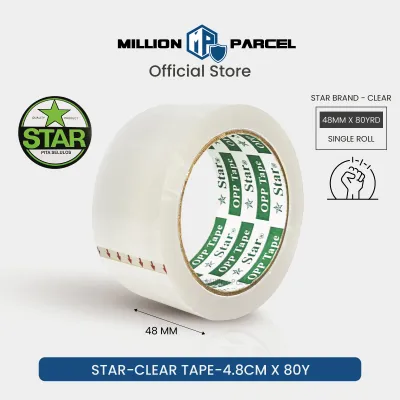
Before packing, inspect each carton’s structural integrity. Ensure the cardboard is completely dry, stiff, and free of deep creases or punctures. Gather your packing supplies, including heavy-duty packing tape (at least 48mm wide, preferably hot-melt or acrylic adhesive designed for corrugated cardboard), bubble wrap, clean packing paper, and a utility knife. When using utility knives or box cutters to trim tape or open packages, always cut away from your body and keep the blade retracted when not in use to prevent accidental cuts.
When loading a carton, always place the heaviest items at the very bottom to establish a low, stable center of gravity. Wrap fragile items individually in packing paper or bubble wrap before placing them in the box. As you pack, fill all remaining empty spaces, or voids, with crumpled packing paper, bubble wrap, or clean towels. Eliminating these voids is crucial; any empty space allows items to shift during transit, which can lead to breakage or cause the box to collapse when stacked.
Proper sealing and reinforcement are essential to secure the carton base. Avoid simply folding the box flaps over one another in an interlocking pattern, as this drastically reduces the box’s load-bearing capacity and easily gives way under weight. Instead, use the “H-taping” method. Seal the center seam of the box, extending the tape at least 75mm down the sides. Then, apply tape along the side edge seams to form a letter “H”. For heavy boxes, apply a second layer of tape over the center seam for added reinforcement.
Clearly label every carton on its side panels rather than the top, ensuring the information remains visible when the boxes are stacked. Use a bold, permanent marker to write the destination room (e.g., “Kitchen”, “Master Bedroom”), a brief summary of the contents, and handling instructions such as “Fragile” or “This Side Up” with directional arrows. This systematic labeling keeps the moving process organized and alerts movers to handle delicate items with appropriate care.
Common Packing Mistakes and How to Avoid Them
One of the most frequent packing errors is overloading large cartons with heavy items. Attempting to pack an entire library of books or a complete set of ceramic dinnerware into a single large box inevitably leads to bottom blowouts, dropped items, and potential personal injury. Always lift a box gently as you pack it to gauge its weight. If a box feels uncomfortably heavy before it is full, stop packing heavy items and fill the remaining space with lightweight cushioning materials.
Leaving excessive void space inside a carton is equally problematic. When boxes are stacked inside a moving truck, the weight of the upper boxes relies on the internal contents of the lower boxes for structural support. If a lower box contains mostly empty space or loose items, the cardboard will buckle under the vertical pressure, causing the entire stack to tip over. Always pack boxes firmly to the top, using crumpled paper to fill any remaining gaps so the box top remains flat and rigid.
Reusing old, degraded, or moisture-damaged cartons is a major hazard, particularly in humid tropical climates like Singapore. Cardboard naturally absorbs moisture from the air, which breaks down the cellulose fibers and can reduce the carton’s structural strength by up to 50 percent. Avoid using boxes that feel soft, show signs of water staining, or have worn, rounded corners. These compromised boxes are highly likely to fail when stacked or lifted.
Establish clear stop conditions during your packing process. If you notice a carton bulging at the sides, creasing along the corners, or making tearing sounds when lifted, immediately stop packing. Transfer the contents to a smaller or more robust double-wall carton. It is always safer and more cost-effective to pause and swap out a questionable box than to deal with broken valuables and ruined belongings later.
Where to Source Quality Moving Cartons and Packing Supplies
When sourcing moving cartons, look for observable indicators of high quality. Run your hand over the cardboard; it should feel dry, stiff, and highly resistant to bending. Inspect the edge of a flap to verify the corrugation density. High-quality cartons feature tightly spaced, rigid fluting between the linerboards, which provides the necessary vertical stacking strength. Avoid thin, flimsy cardboard boxes commonly used for lightweight retail packaging.
For purchasing options, specialized packaging suppliers and local office supply stores offer the most reliable selection of heavy-duty moving boxes in standardized dimensions. Buying in bulk from these suppliers often reduces the cost per unit, making it an economical choice for a full household move. Online marketplaces and ecommerce platforms also provide convenient delivery options for bundled moving supplies, including specialty boxes, bubble wrap, and packing tape.
While reusing old cartons is an environmentally friendly and budget-conscious option, it requires careful selection. It is safe to reuse clean, dry, structurally sound boxes sourced from grocery stores for lightweight, non-fragile items like clothing, plastic kitchenware, or bedding. However, for valuable electronics, fragile glassware, and heavy books, investing in new, heavy-duty double-wall cartons is highly recommended to guarantee the safety of your belongings.
Frequently Asked Questions (FAQ)
Can I use regular delivery boxes for moving heavy items?
Regular delivery boxes from online shopping shipments are generally not recommended for heavy items. These boxes are typically made from thin, single-wall cardboard designed for single-use transport of specific, pre-packaged goods. They often lack the structural density and edge crush resistance required to withstand the heavy vertical pressure of being stacked in a moving truck. If you must reuse them, limit their contents to light, non-fragile items, and carefully inspect them for any pre-existing creases, soft corners, or moisture damage before packing.
How do I prevent the bottom of a moving box from falling out?
To prevent the bottom of a moving box from failing, always use the H-taping method with high-quality, heavy-duty packing tape. Apply tape along the center seam and across all side edges of the bottom flaps. For added security with heavy loads, place a flat piece of rigid cardboard at the very bottom of the box interior to distribute the weight evenly across the flaps. Finally, strictly adhere to the weight limits of the carton and avoid packing heavy items like books or canned goods in large, unsupported boxes.
Should I use plastic bins instead of cardboard moving boxes?
Plastic storage bins are excellent for protecting items from moisture, dust, and pests, making them highly suitable for long-term storage or moving during wet weather. They offer rigid protection for fragile items and stack securely without collapsing. However, they are significantly more expensive than cardboard cartons, cannot be folded flat for space-saving storage when not in use, and can crack under extreme weight or impact. For a standard move, a combination of cardboard boxes for general items and a few plastic bins for high-value or moisture-sensitive belongings offers the best balance of cost and protection.
Community discussion
Share your experience or ask a question. Comments are reviewed before publication.