
Matching fabric for sewing to your machine’s capabilities is the key to achieving professional results while protecting your equipment from costly damage. Every sewing machine has mechanical boundaries defined by its motor power, feed dog design, and presser foot clearance. Attempting to force a heavy canvas or a highly slippery silk through a machine configured for basic cotton can lead to broken needles, skipped stitches, or a burned-out motor.
To ensure a successful project, you must systematically evaluate both your machine’s physical limits and the fabric’s unique characteristics. By understanding how fabric weight, thickness, and stretch interact with your machine’s settings, you can make informed adjustments before making your first cut. This guide provides a practical framework to assess your equipment, prepare your materials, and execute flawless stitches every time.
Check Your Sewing Machine's Physical and Mechanical Limits
Before starting any sewing project, you must identify the operational boundaries of your machine. The first place to look is your user manual, which often lists the maximum recommended fabric weights and thicknesses. If the manual is unavailable, you can find critical clues on the machine’s physical body.
Products mentioned in this guide
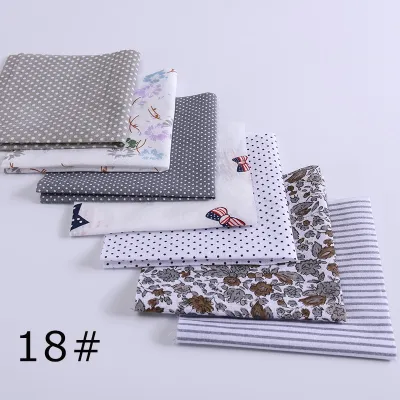
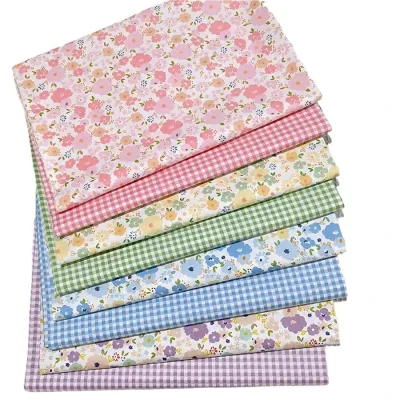
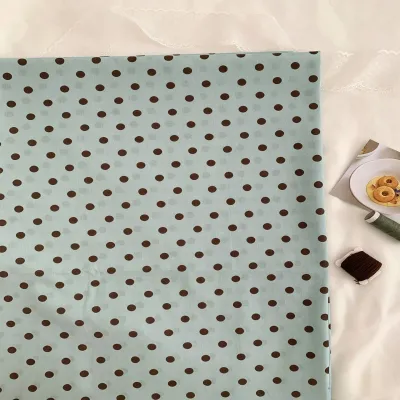
Prices are valid at publication and may change. Please refer to the product page for the latest price.
Locate the silver specification label, typically positioned on the back or bottom of the machine. This label displays the motor’s power rating, usually measured in watts (W) or amperes (A). A domestic machine with a motor rating of 50W or lower is generally designed for light to medium-weight fabrics, while motors rated at 70W to 90W offer higher torque, allowing them to penetrate denser materials without stalling.
Next, examine your machine’s adjustable features, starting with the presser foot pressure dial. This control regulates how firmly the presser foot holds the fabric against the feed dogs. Reducing the pressure is essential for delicate or stretchy fabrics to prevent pulling, while increasing it helps stabilize thick, multi-layered materials.
Finally, inspect the feed dog mechanism. Look at the metal teeth beneath the presser foot; a wider feed dog system with more teeth provides more consistent fabric control than a basic three-point system. Check if your machine allows you to drop the feed dogs for free-motion work, or if it is compatible with specialized attachments like a walking foot, which helps feed difficult fabrics evenly.
Evaluate Fabric Weight and Type Before Cutting
Once you understand your machine’s mechanical limits, you must analyze the fabric you intend to use. Start by reading the fabric bolt or label for its weight indicator, typically measured in grams per square meter (GSM). Lightweight fabrics generally fall below 150 GSM, medium-weight fabrics range from 150 to 250 GSM, and heavyweight fabrics exceed 250 GSM.

Fiber composition also plays a major role in how a fabric behaves under the needle. Natural fibers like cotton and linen are generally stable and easy to sew, whereas synthetic fibers like polyester or nylon can be slippery or dense. Knowing the composition helps you select the correct needle type and thread tension.
To simulate the actual sewing conditions, perform a physical thickness check. Fold a scrap of your fabric to replicate the maximum number of layers your project will require, especially where seams intersect. Measure this folded stack against your machine’s presser foot clearance; if you have to force the fabric under the foot, the stack is too thick for your machine to sew safely.
Additionally, test the fabric’s stretch and recovery. Hold a 10-centimeter section of the fabric along a ruler and gently pull it to see how far it extends. If it stretches easily and snaps back to its original length, you are dealing with a highly elastic knit that requires specialized machine settings and needles to prevent skipped stitches and wavy seams.
Pair Fabric Categories With Machine Adjustments
Matching your fabric to the correct machine settings and accessories is crucial for achieving clean, durable seams. Lightweight or slippery fabrics, such as silk, chiffon, or lightweight synthetics, require a delicate touch. Use a fine needle (size 60/8 or 70/10) and reduce the presser foot pressure to prevent the fabric from puckering. If your machine allows, swap to a single-hole needle plate to prevent the thin fabric from being drawn down into the bobbin area.
Medium-weight woven fabrics, including quilting cotton, linen, and light canvas, are highly forgiving and work well with standard machine configurations. For these materials, a universal needle (size 80/12 or 90/14) and standard thread tension are usually sufficient. Keep your feed dogs at their default height to ensure a steady, even feed.
Heavy or multi-layer fabrics, such as heavy denim, canvas, or upholstery materials, demand maximum motor torque and structural support. Equip your machine with a specialized jeans or denim needle (size 100/16 or 110/18), which has a reinforced shaft and a sharp point designed to pierce dense weaves. Increase the presser foot clearance and consider using a walking foot to help pull the heavy layers through the machine at a uniform speed.
Stretchy knits, like jersey or spandex, require settings that accommodate fabric movement. Ensure your machine is set to a zigzag stitch, a triple stretch stitch, or use a serger if available, to allow the seams to stretch without snapping the thread. Use a ballpoint or stretch needle, which has a rounded tip that slips between the fabric fibers rather than piercing them, preventing runs and skipped stitches.
Run a Test Sew to Verify Compatibility
Never begin sewing your actual project without conducting a comprehensive test run on scrap fabric. Prepare a test sample using leftover pieces of the exact fabric, interfacing, and thread you plan to use. Ensure the sample contains the same number of layers as the thickest seams in your final design.
As you sew the test strip, closely observe the stitch quality on both the top and bottom of the fabric. The stitches should be uniform, with the thread lock hidden precisely between the fabric layers. If the fabric puckers, the tension may be too tight; if the stitches are loose or looping, the tension is likely too loose.
Listen carefully to your machine during the test run. The motor should maintain a steady, smooth hum. If you hear the motor straining, slowing down, or if the machine vibrates excessively, stop sewing immediately. These are clear indicators that the fabric combination is too heavy for your machine’s current configuration.
Watch for warning signs such as skipped stitches, shredded thread, or a bending needle. Skipped stitches often indicate that you need a different needle type, such as a stretch needle for knits. If the needle deflects or bends as it strikes the fabric, it is too fine for the material weight and must be replaced with a larger size before it breaks and damages the needle plate.
Decide When to Upgrade Your Machine or Seek Alternatives
If your test runs consistently result in mechanical strain, it may be time to evaluate whether your current machine is fundamentally suited to your sewing goals. Persistent warning signs, such as a hot motor smell, frequent needle breakage, or gears slipping, indicate that your machine is being overloaded. Continuing to force heavy materials through an underpowered machine can cause permanent mechanical failure.
For those who occasionally work with heavy-duty materials, purchasing a new machine may not be the most practical solution. In Singapore, where residential space in HDB flats is often limited, storing multiple specialized machines can be challenging. Instead, consider renting time at a local sewing cafe or maker space, where you can access industrial sewing machines for a small hourly fee, typically ranging from S$10 to S$20.
However, if you find yourself regularly sewing heavy canvas bags, thick denim garments, or upholstery, upgrading to a heavy-duty domestic machine or a semi-industrial model is a worthwhile investment. These machines feature solid metal frames, high-torque motors, and robust feeding mechanisms designed to handle dense materials daily. Choosing a machine that aligns with your primary fabric choices ensures a frustration-free sewing experience and protects your investment over the long term.
Frequently Asked Questions (FAQ)
Can a standard domestic sewing machine handle thick denim or leather?
A standard domestic sewing machine can handle light to medium denim and very thin garment leather, provided you make the correct adjustments. You must use a specialized jeans or leather needle, heavy-duty thread, and slow your sewing speed down significantly. However, multiple layers of heavy denim (such as flat-felled seams) or thick belt leather will exceed the motor torque and presser foot clearance of most domestic machines. Forcing these materials can bend the needle bar, throw the machine out of timing, or burn out the motor.
What does GSM mean on a fabric label, and how does it affect sewing?
GSM stands for Grams per Square Meter, which is a standard metric unit used to measure fabric weight and density. A lower GSM (under 150) indicates lightweight fabrics like chiffon or voile, which require fine needles, low tension, and careful handling to prevent puckering. A medium GSM (150 to 250) represents stable fabrics like quilting cotton, which are highly compatible with standard domestic machines. A high GSM (above 250) indicates heavy materials like canvas or denim, which require high-torque motors, thick needles, and increased presser foot pressure to feed and pierce successfully.
Community discussion
Share your experience or ask a question. Comments are reviewed before publication.