
Choosing a calendar or planner is a deeply personal decision that directly impacts your daily productivity and peace of mind. Many people fall into the trap of purchasing a beautifully designed planner based on its cover or brand popularity, only to abandon it a few weeks into the year. The key to breaking this cycle is matching the planner’s structural design to your specific cognitive style and daily habits. By understanding how you naturally process tasks, schedules, and goals, you can select a planning system that supports your workflow rather than forcing you into an unnatural routine.
Identify Your Core Planning Style
To find your ideal planner, you must first diagnose your daily task volume and scheduling needs. If your day is dictated by back-to-back meetings, hourly appointments, and a high volume of granular tasks, a daily layout is almost certainly necessary. These spreads provide ample space to list hourly commitments and detailed to-do lists for a single day. Conversely, if your schedule is more flexible and you prefer to see how your tasks balance across the entire week, a weekly spread is far more efficient. Weekly layouts prevent you from feeling overwhelmed by empty daily pages on quieter days while keeping your mid-term deadlines visible.
For those who find pre-printed lines and boxes restrictive, bullet journaling offers a highly customizable alternative. This planning style relies on blank, dotted, or grid pages where you draw your own layouts, trackers, and logs. Bullet journaling is ideal if your planning needs change from week to week, allowing you to use ten pages for a busy project and a single page for a quiet week. It requires a commitment to setting up your own pages, but it rewards you with complete creative freedom and a system that adapts to your life in real-time.
Products mentioned in this guide
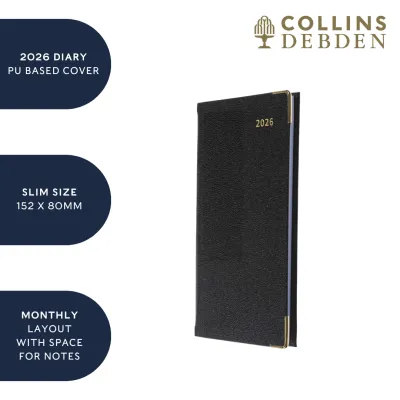
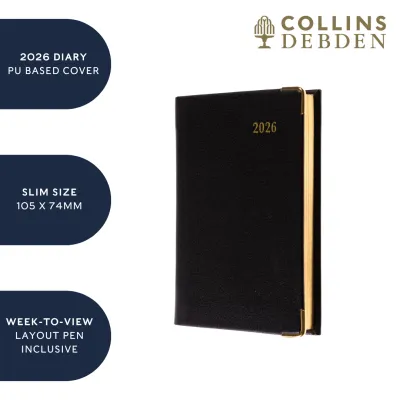
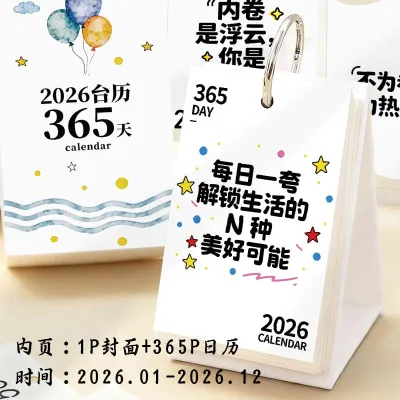
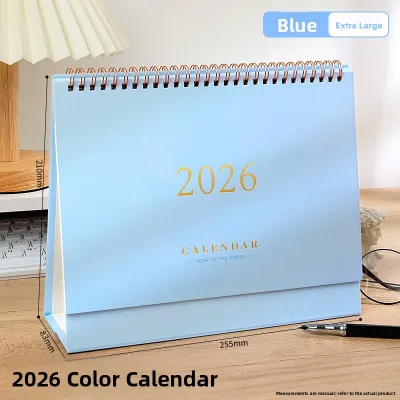
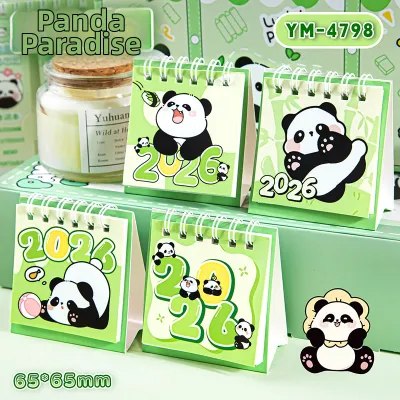
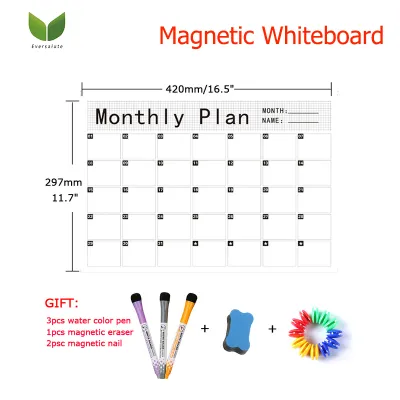
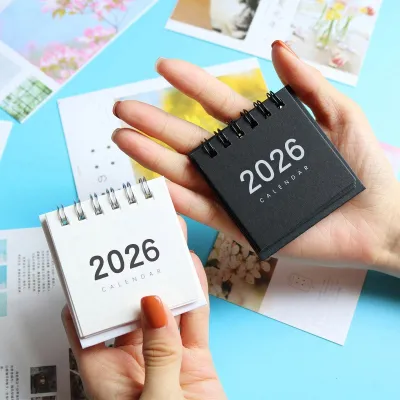
Prices are valid at publication and may change. Please refer to the product page for the latest price.
If your primary reason for planning is personal growth, skill development, or long-term project management, a goal-tracking layout is essential. These planners go beyond simple scheduling by integrating dedicated spaces for monthly reflections, habit trackers, vision boards, and quarterly milestone reviews. They help you break down large, abstract goals into actionable daily steps, ensuring that your long-term aspirations are not lost in the noise of daily chores.
Recognizing the signs of a failing planning method is crucial for making a better choice. If you open your current planner and feel a sense of guilt over abandoned pages, or if you find yourself constantly ignoring pre-printed hourly slots, your system is working against you. A planner should feel like a supportive tool, not an administrative chore. If a highly structured layout leaves you feeling confined, or if a blank notebook leaves you feeling paralyzed and disorganized, it is time to pivot to a brand philosophy that addresses those specific pain points.
Match Planner Features to Brand Design Philosophies
Once you understand your planning style, you can begin matching your needs to the design philosophies of different planner categories. Highly structured brands focus on maximum organization and time management. These planners often feature pre-printed daily or hourly layouts, dedicated sections for top priorities, and strict boundaries for scheduling. They are designed for professionals, students with rigorous timetables, or anyone who thrives under a clear, predictable framework that requires minimal setup time.

In contrast, minimalist and flexible brands prioritize open space and modularity. These manufacturers often use subtle dot grids, pale lines, or completely blank pages, allowing the user to define the structure. Many of these brands offer modular systems, such as traveler’s notebooks or disc-bound covers, where you can mix and match different paper inserts. You can combine a monthly calendar insert with a dotted notebook insert and a zipper pouch, creating a personalized tool that evolves alongside your professional and personal projects.
Goal-oriented planning systems are built around specific productivity frameworks and psychological principles. These brands design their layouts to prompt regular self-reflection, gratitude practice, and progress reviews. Instead of just asking what you need to do today, they ask why you are doing it and how it connects to your broader life goals. These systems are highly beneficial for individuals undergoing major career transitions, building new habits, or seeking a more mindful approach to time management.
You must also verify whether a brand’s calendar format aligns with your consistency and start dates. Many brands offer standard calendar-year planners (January to December) or academic-year planners (typically starting in July or August), which are ideal if your schedule aligns with school terms. If you tend to plan sporadically or want to start your journey in the middle of the year without wasting paper, look for undated planners. Undated formats allow you to fill in the dates as you go, ensuring that every single page is utilized regardless of when you start or if you take a multi-week break.
Essential Pre-Purchase Checks for Paper and Binding
A planner’s physical construction is just as important as its layout, as it determines how well the book survives daily wear and tear. The paper quality is the foundation of your writing experience. You should check the paper weight, which is measured in grams per square meter (gsm). Standard planners often use paper ranging from 70 gsm to 120 gsm; heavier paper offers better opacity and prevents ink from feathering or bleeding through to the other side. If you prefer using fountain pens, wet gel pens, or colorful highlighters, look for brands that specify high-density, ink-friendly paper to ensure your notes remain clean and legible. In humid environments like Singapore, paper naturally absorbs ambient moisture, which can slow down ink drying times and increase the risk of smudging, making quick-drying ink and high-quality paper compatibility a key consideration.
The binding type dictates how the planner opens and how comfortable it is to write in. Lay-flat stitched binding is highly recommended for those who write extensively, as it allows the book to lie completely flat on your desk without requiring you to hold the pages down. Spiral or wire-o binding offers the convenience of folding the planner completely in half, which is excellent for saving desk space or writing while standing. Disc-bound and ring-bound systems provide the ultimate customization, allowing you to pull pages out, rearrange them, and snap them back in, though the central rings can sometimes get in the way of your hand while writing.
Size and portability are practical dimensions that must fit your daily lifestyle. A large desk calendar or an A4-sized planner provides a generous canvas for detailed notes and complex schedules, but it can be heavy and cumbersome to carry. If you commute regularly or prefer to keep your planner in your bag, more compact sizes like A5 or B6 offer an ideal balance between writing space and portability. Ensure the physical dimensions and weight of the planner align with the bag you carry daily to avoid leaving your planner at home.
Finally, if you choose a modular or refillable system, evaluate the long-term availability and cost of compatible inserts. While a premium leather cover is a beautiful one-time investment, you will need to purchase new paper refills every year or season. Check whether the brand uses standard paper sizes (like A5 six-ring inserts) or proprietary formats that force you to buy exclusively from them. Calculate the ongoing cost of these refills—which can range from S$10 to S$30 per set—to ensure the system remains practical and sustainable for your budget over the coming years.
Frequently Asked Questions (FAQ)
Should I choose a dated or undated planner?
Dated planners are highly convenient because they come with all calendar dates, holidays, and weekly spreads pre-printed, saving you the time and effort of setting up the book yourself. This format is excellent for maintaining daily consistency and tracking specific calendar events. However, if your planning habits are seasonal, or if you frequently go weeks without opening your planner, an undated version prevents the guilt and waste of empty pages, allowing you to pick up exactly where you left off.
Can I use a regular notebook instead of a dedicated planner brand?
Yes, a standard blank, lined, or dotted notebook is a highly cost-effective option that offers complete creative freedom, making it a favorite for bullet journalers. However, designing every calendar grid and weekly layout by hand requires a significant time commitment. Dedicated planner brands offer pre-printed structures, goal-setting templates, and specialized layouts that save you time and provide immediate organizational guidance, which often justifies the higher price point for busy individuals.
Community discussion
Share your experience or ask a question. Comments are reviewed before publication.