
Choosing your first resin mold is an exciting milestone when entering the world of resin crafting. In Singapore, where the creative community is rapidly growing, beginners are often faced with an overwhelming array of options on online marketplaces and in local craft stores. Making a confident purchase requires looking beyond attractive shapes and marketing buzzwords. Instead, success depends on verifying the chemical quality of the silicone, understanding structural design elements, and sourcing from authentic sellers. By learning how to evaluate these factors, you can build a durable, high-performing starter collection that ensures clean, beautiful casts from your very first pour.
This guide breaks down the essential technical standards, design features, and local sourcing strategies you need to navigate the market. Whether you plan to create custom jewelry, decorative coasters, or intricate trays, understanding what makes a mold reliable will save you time, money, and materials. Let us explore how to identify high-quality molds that will stand up to repeated use.
How to Evaluate the Material Quality of Resin Mold Brands
The material composition of a silicone mold directly dictates its durability, tear resistance, and how many times it can be reused before degrading. When evaluating different brands, the first technical specification to look for is the curing method of the silicone. High-quality resin molds are typically made from platinum-cure silicone, while cheaper, mass-produced alternatives often use tin-cure silicone. Platinum-cure silicone offers superior tear strength, minimal shrinkage over time, and excellent resistance to the chemical attack of curing resins. Tin-cure molds, while more budget-friendly, tend to break down and become brittle after only a few casts.
Products mentioned in this guide
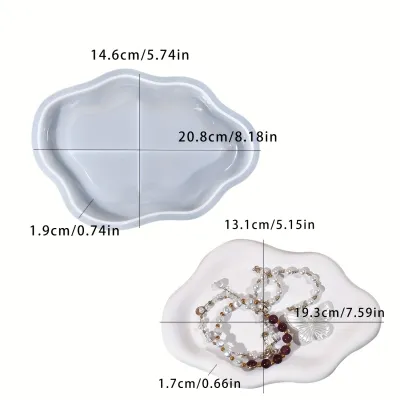
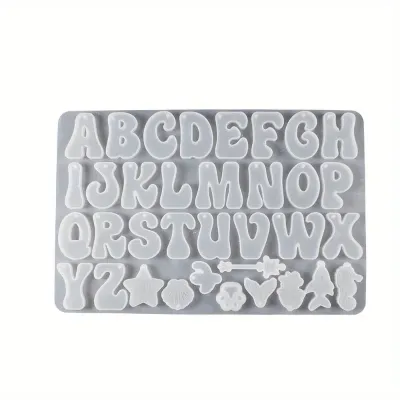
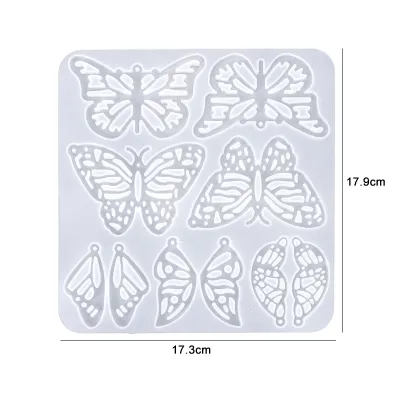
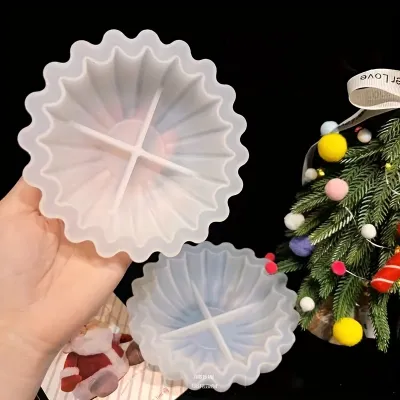


Prices are valid at publication and may change. Please refer to the product page for the latest price.
To identify the quality of the silicone when shopping, check the product labels or online specifications for terms like “platinum-cure,” “high-tensile strength,” or “addition-cure.” If you are shopping in a physical store, you can perform a simple physical check known as the pinch test. Pinch a portion of the mold and twist it slightly; if the silicone turns white at the stress point, it contains cheap plastic fillers rather than pure silicone. Pure, high-quality silicone will retain its color throughout the stretch, indicating a durable material that can withstand the physical stress of demolding.
Another critical factor is the thickness of the mold walls and the presence of edge reinforcement. When epoxy resin cures, it undergoes an exothermic reaction that generates heat. If a mold is too thin or lacks structural reinforcement along its outer rims, this heat can cause the silicone to warp or bow outward. This results in distorted castings with uneven edges and bowed bottoms. Look for brands that design their molds with thick, sturdy walls and reinforced support ribs, especially for larger projects like trays or deep geometric vessels.
Finally, reliable brands always provide clear, accessible instructions regarding the temperature thresholds of their molds. Because crafters frequently use heat guns or butane torches to pop surface bubbles in wet resin, the mold must be able to withstand localized heat. A quality brand will specify a maximum temperature limit—typically around 200°C to 230°C. Exceeding these limits can cause the resin to chemically fuse to the silicone, permanently ruining both the mold and your casting. Checking for these temperature ratings on the packaging is a quick way to verify that a brand is committed to quality and user safety.
Design Features That Make Resin Molds Beginner-Friendly
For those new to the craft, the design of a mold can make the difference between an effortless demolding experience and a frustrating struggle. Beginners should prioritize shallow depths and simple geometric shapes. Molds for items like coasters, bookmarks, and flat jewelry pendants are highly forgiving because they require less resin and have a low profile. Shallow molds allow air bubbles to rise to the surface and escape easily, minimizing the risk of unsightly voids in your finished piece. Intricate designs with deep undercuts or complex, narrow cavities tend to trap air, requiring advanced techniques to fill successfully.

Symmetry and alignment are also crucial when you are learning to layer colors or embed decorative elements. Some thoughtfully designed molds feature subtle, built-in alignment marks or measurement guides along the outer edges. These guides assist you in pouring precise, level layers without needing to measure every millimeter manually. This is particularly helpful when creating multi-layered resin art, where uneven pours can ruin the balance and visual appeal of the final product.
Additionally, pay close attention to the surface finish labels on the molds, which are typically categorized as either glossy or matte. The interior texture of a silicone mold is mirrored exactly onto the surface of your cured resin. Glossy molds have a highly polished, glass-like interior that produces a crystal-clear, shiny finish on your resin cast right out of the mold. Matte molds, on the other hand, have a micro-textured surface that results in a frosted, satin finish. If you want a glossy look from a matte mold, you will need to spend time sanding, polishing, or applying a clear topcoat. For beginners, starting with glossy molds is highly recommended as it eliminates these labor-intensive finishing steps.
Where to Find and Verify Authentic Resin Molds in Singapore
Finding genuine, high-quality resin molds in Singapore involves knowing where to shop and how to spot counterfeit products. One of the best ways to ensure you are buying a reliable product is to visit physical craft and stationery stores located in Singapore’s major retail and arts districts. Physically handling a mold allows you to test its flexibility, feel the thickness of the silicone, and inspect the interior surface for any microscopic scratches, dust, or manufacturing defects. It also gives you a clear sense of the actual dimensions, which can sometimes be misleading in online product photos.
When shopping online, stick to authorized distributors and official brand storefronts on reputable e-commerce platforms. Many established international mold brands partner with local Singaporean craft distributors to sell their products. Buying from these official channels ensures that you receive genuine platinum-cure silicone and that the manufacturer’s return and exchange policies will apply if you receive a defective item. It also guarantees that the product has been stored in climate-controlled environments, protecting the silicone from premature aging.
Be vigilant against common red flags when browsing online marketplaces. Listings that feature generic stock photos, lack a clear manufacturer or brand name, or are priced suspiciously low—such as large, complex molds selling for under S$3—often indicate low-grade, industrial silicone containing harmful fillers. Another major warning sign is the complete absence of material safety data sheets (MSDS) or clear usage instructions from the seller. Investing a bit more in a verified brand ensures a safer crafting experience and a mold that will last for dozens of pours rather than tearing on its first use.
How to Build a Practical Resin Mold Starter Kit
Building your first resin mold kit does not require a massive financial investment. Instead of buying large, multi-piece mold sets that contain shapes you may never use, focus on selecting two to three high-quality foundational molds. A classic square or hexagonal coaster mold, a simple pendant mold for jewelry, and a small trinket dish mold are excellent starting points. These shapes are highly versatile, use a manageable volume of resin, and allow you to practice essential techniques like color blending, embedding dried flowers, and creating clean edges.
Before purchasing your molds, you must cross-reference their compatibility with your chosen resin system. The two most common types of resin used by beginners are epoxy resin and UV resin, and they interact differently with silicone. Epoxy resin, which cures slowly over 24 to 48 hours, is compatible with almost all silicone molds. However, UV resin requires ultraviolet light to cure. Because of this, you must use clear or highly translucent silicone molds when working with UV resin. Opaque molds (such as those colored blue, pink, or solid white) will block the UV light, leaving the resin in the center of the mold sticky and uncured.
Finally, remember to budget for essential companion tools that protect your molds and improve your results. A quality silicone mold release spray (typically costing between S$15 and S$25 in Singapore) is a highly recommended investment. Spraying your mold before pouring resin creates a protective barrier that prevents the resin from sticking, making demolding effortless and significantly extending the lifespan of the silicone. You should also acquire a set of fine-grit sanding sponges (ranging from 400 to 2000 grit) to smooth down any sharp edges on your finished pieces without scratching the cured resin.
Daily Care and Storage Rules to Extend Mold Lifespan
To get the most out of your investment, establishing a proper care and storage routine is essential. When it is time to demold your cured resin, avoid the temptation to rush. Never use sharp metal tools, tweezers, or knives to pry the resin out, as these will easily puncture or scratch the soft silicone. Instead, gently peel the edges of the mold away from the resin, working your way around the perimeter. If a piece is particularly stubborn, pour a small amount of warm, soapy water into the gap. The soapy water acts as a safe, natural lubricant, allowing the resin casting to slide out smoothly without putting excessive stress on the silicone.
Cleaning your molds immediately after use prevents the buildup of dust, lint, and sticky resin residue. Wash the molds using warm water and a mild, grease-cutting dish soap. Gently rub the surface with your fingers or a soft microfiber cloth; never use abrasive scrubbing pads or stiff brushes, which will ruin the glossy interior finish. Avoid using harsh solvents like acetone, rubbing alcohol, or chemical paint thinners to clean the silicone. While these solvents may quickly dissolve sticky residue, they also strip the silicone of its plasticizers, causing it to dry out, become brittle, and tear easily.
Singapore’s warm and highly humid climate requires specific storage conditions to prevent silicone degradation. After washing, allow your molds to air dry completely, or pat them dry with a lint-free cloth. Store them completely flat on a level surface; storing molds stacked on top of each other or bent in tight spaces will cause them to permanently warp and lose their shape. Keep your molds in a cool, dry drawer or a sealed plastic container away from direct sunlight. Prolonged exposure to UV rays from sunlight will yellow and weaken the silicone, making it sticky and highly prone to tearing during your next craft project.
Frequently Asked Questions (FAQ)
Can I use baking silicone molds for epoxy resin?
Yes, you can technically use food-grade baking silicone molds for epoxy resin, but they come with significant limitations. Baking molds are designed to withstand heat, but they often lack the structural rigidity required to hold heavy liquid resin, which can cause the sides of the mold to bow outward and distort your casting. Additionally, the interior surface of baking molds is almost always matte or textured. This means your finished resin pieces will emerge with a dull, cloudy finish rather than a crystal-clear, glossy shine. If you do choose to use a baking mold, ensure it is dedicated solely to resin crafting and never reused for food preparation.
How do I fix a cloudy finish on my resin cast?
A cloudy finish on a cured resin cast is usually caused by a worn or degraded mold surface, moisture trapped in the silicone due to high humidity, or demolding the resin before it has fully cured. To restore the shine to a cloudy piece, you can wet-sand the surface using progressively finer sandpaper (from 800 up to 2000 grit) and then apply a plastic polishing compound. Alternatively, you can apply a thin, clear topcoat of fresh resin—a technique known as doming—to instantly restore a glass-like gloss. However, if the cloudiness is caused by micro-scratches or chemical wear on the interior of the mold itself, the silicone has reached the end of its lifespan and the mold must be retired.
Community discussion
Share your experience or ask a question. Comments are reviewed before publication.