
Navigating Singapore’s highly efficient public transportation network is incredibly straightforward when you have the right payment tool in hand. The EZ-Link card, a contactless stored-value smart card, serves as a primary payment method for the Mass Rapid Transit (MRT), Light Rail Transit (LRT), and public buses across the island. Beyond transit, this versatile card is widely accepted for retail purchases, dining, and government services, making it an essential companion for residents and visitors alike.
Getting started with your first card involves a simple process of purchasing the physical card, understanding its cost structure, and learning how to manage your balance. By taking a few proactive steps, such as registering your card digitally and setting up convenient top-up methods, you can ensure a seamless travel experience. This comprehensive guide outlines everything you need to know to acquire, register, top up, and troubleshoot your card in Singapore.
Where to Buy a Standard EZ-Link Card in Singapore
To begin your journey, you must first acquire a physical card. Standard cards are readily available at various convenient locations throughout Singapore. The most common points of purchase are the SimplyGo Ticket Offices and Passenger Service Centres located within major MRT stations and bus interchanges. Additionally, you can purchase these cards at authorized convenience stores, such as 7-Eleven outlets island-wide, which offer excellent accessibility outside of transit station operating hours.
Products mentioned in this guide

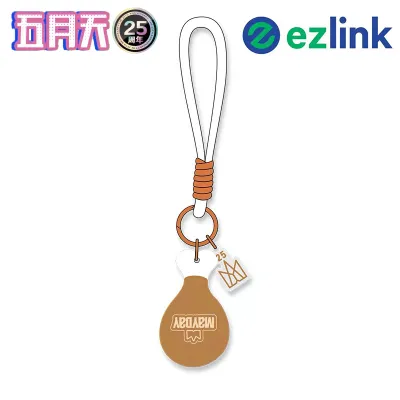
![[🇸🇬 SG SELLER]EZLINK CHARM/Personalised NETS Charm/EZ LINK Card customise/Bus MRT Card/Perfect Gift/KeyChain/phone charm](https://img.lazcdn.com/g/ff/kf/S27911fbda362482c92481ba473eced35m.jpg_400x400q80.jpg_.webp)
![[ SG SELLER]EZLINK CHARM/Personalised NETS Charm/EZ LINK Card customise/Bus MRT Card/Perfect Gift/KeyChain/phone charm](https://img.lazcdn.com/g/p/6799af1fb44799dc756f71fa4943c143.jpg_400x400q80.jpg_.webp)
Prices are valid at publication and may change. Please refer to the product page for the latest price.
When purchasing a standard card, it is important to understand its cost structure. The total initial price you pay is split into two distinct components: a non-refundable card fee and an initial stored travel value that is immediately available for use. Because pricing structures and promotional packages can adjust periodically, you should verify the exact current costs at the point of purchase or via the official transit authority website.
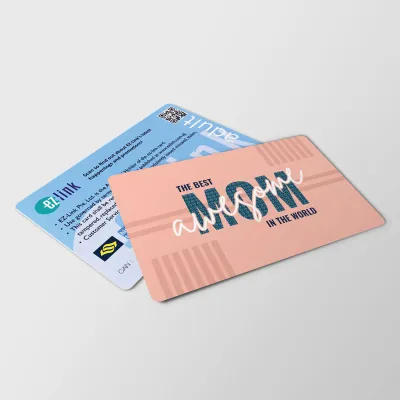
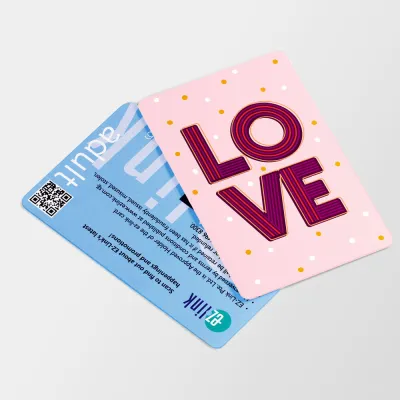
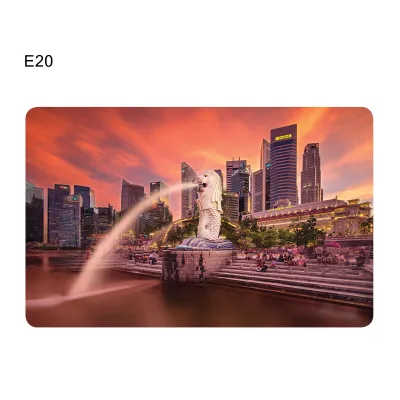
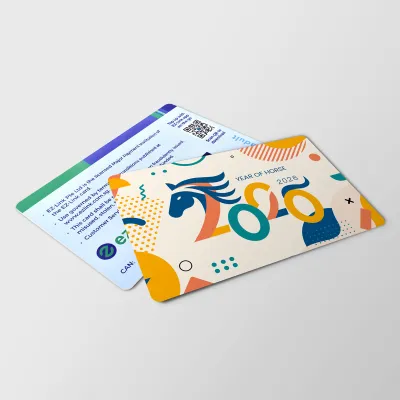
For those looking for something more unique, special edition and customized card designs are frequently released. These cards often feature popular pop-culture characters, local artistic designs, or commemorative themes. While they function identically to standard cards on the transit network, they typically carry different pricing structures, may not include any initial stored value, and are subject to limited availability at select retail outlets or online marketplaces.
From a physical standpoint, the card conforms to the standard ISO/IEC 7810 ID-1 dimensions, measuring approximately 85.60 mm by 53.98 mm. This standard size ensures that the card fits perfectly into standard wallet slots, cardholders, lanyards, and travel organizers. When choosing a protective sleeve or wallet, ensure it does not contain heavy metallic shielding if you intend to tap the card without removing it from your holder.
How to Register Your Card for Balance Tracking
Once you have secured your physical card, registering it digitally is highly recommended to unlock a suite of security and convenience features. The registration process begins by downloading the official transit and payment application onto your smartphone. This application is compatible with most modern mobile devices equipped with Near Field Communication (NFC) capabilities, allowing you to interact directly with your physical card by holding it against the back of your phone.

Creating an account within the app requires you to input your personal details and link your physical card’s unique identification number, which is printed on the back of the card. To comply with current local regulatory requirements for digital payment and financial services in Singapore, you will need to complete a standard identity verification process. This step ensures that your digital account remains secure and complies with national guidelines.
The benefits of completing this registration are substantial. Once linked, the app allows you to monitor your real-time card balance, view a detailed transaction history of your journeys and retail purchases, and receive low-balance alerts. Most importantly, registration provides a critical safety net: if you ever misplace your physical card, you can immediately block it through the app to prevent unauthorized usage and safeguard your remaining funds.
Methods to Top Up Your Stored Value
Keeping your card funded is essential for uninterrupted travel, and Singapore offers a variety of physical and digital top-up channels to suit your preferences. If you prefer physical transactions, you can utilize the self-service ticketing machines, known as SimplyGo Kiosks, located at all MRT stations and bus interchanges. These machines accept local debit cards, credit cards, and mobile payment platforms. Alternatively, you can top up over-the-counter using cash or electronic payments at authorized retail partners, including convenience stores and select pharmacies, though you should check if a small service fee applies at these retail counters.
For maximum convenience, digital top-ups via the official mobile application allow you to add funds anytime, anyplace. By utilizing your smartphone’s NFC reader, you can scan your card, select your desired top-up amount, and complete the transaction using supported credit cards, debit cards, or local bank transfer methods. The app also offers an automatic top-up feature, which automatically replenishes your card balance from a linked payment card whenever the stored value falls below a specific threshold.
Before initiating a top-up, it is wise to familiarize yourself with the current transaction limits. There are established minimum and maximum top-up amounts per transaction, as well as a maximum carrying limit for the card’s total stored value. These limits are displayed on the ticketing machine screens and within the mobile application interface. Additionally, while transit station kiosks do not charge convenience fees, certain external retail partners or specific digital payment gateways may apply a nominal processing fee, so always review the transaction summary before confirming payment.
How to Tap and Pay for Transit and Retail
Using your card on Singapore’s transit network is a seamless, hands-free experience when executed correctly. When entering an MRT station or boarding a public bus, you must tap your card firmly against the designated contactless reader. A successful tap is indicated by a green light and a single beep on the reader, which also displays your remaining card balance. It is absolutely mandatory to tap in at the start of your journey and tap out at your destination exit gantry or bus exit door. This dual-tap process ensures the system calculates the correct distance-based fare; failing to tap out will result in the system charging you the maximum possible fare for that route.
Beyond public transportation, your card is an accepted payment medium at thousands of retail merchants, food courts, convenience stores, and vending machines across Singapore. To pay for a purchase, simply inform the cashier that you wish to pay via your stored-value card, wait for the payment terminal to activate, and tap your card on the reader. The transaction is processed instantly, deducting the exact purchase amount from your balance without the need for PIN entry or signatures.
Occasionally, you may encounter reader errors at transit gantries or retail terminals. Common issues include “card clash,” which occurs when multiple contactless cards (such as credit cards or other travel cards) are kept in the same wallet and presented to the reader simultaneously. To resolve this, simply remove your card from your wallet and tap it individually. If the reader displays an “insufficient balance” message, you must top up your card before proceeding. For persistent technical errors where the card fails to read despite having sufficient funds, present your card to the staff at any MRT Passenger Service Centre for diagnostic checks and immediate assistance.
Handling Card Expiry and Balance Transfers
Like most smart cards, physical transit cards have a defined operational lifespan, typically lasting several years from the date of manufacture. To avoid unexpected disruptions to your daily commute, it is important to monitor your card’s validity. You can easily locate the card’s expiry date by checking the printed details on the back of the card, scanning it at any transit ticketing kiosk, or viewing the card profile within the registered mobile application.
If your card is nearing its expiry date or has recently expired, you can transfer the remaining stored value to an active replacement card. This transfer process can be initiated at SimplyGo Ticket Offices or managed directly through the official mobile app if your card is registered. It is advisable to perform this transfer within the officially designated grace period surrounding the expiry date to ensure a smooth, administrative-fee-free transfer of your funds.
When dealing with physical issues, the replacement procedures differ depending on the nature of the problem. If your card suffers from standard wear-and-tear or technical degradation but remains physically intact, transit offices can typically diagnose the issue and issue a replacement or refund the balance. However, if the card is physically lost or stolen, balance recovery is only possible if the card was previously registered in your digital account. In the case of physical loss, you must report the loss immediately through the app to freeze the funds, after which you can apply for a refund of the remaining balance to your bank account or a new card, subject to prevailing administrative terms.
Frequently Asked Questions (FAQ)
Can tourists use the standard card or do they need a special pass?
Yes, tourists can absolutely use a standard stored-value card for their travel needs in Singapore. It offers the exact same convenience and discounted distance-based fares on public transit as it does for local residents. However, short-term visitors who plan to travel extensively over a few days may also want to consider a dedicated tourist pass, which offers unlimited rides on basic bus and train services for a fixed number of days. You should evaluate your planned itinerary to decide whether the pay-as-you-go standard card or an unlimited tourist pass offers better value for your trip.
What should I do if my registered card is lost or stolen?
If your registered card is lost or stolen, your immediate priority should be to block the card to secure your funds. Log into the official mobile application, navigate to your linked cards, and select the option to report the card as lost. This action initiates a lock on the card, preventing any further unauthorized transit or retail transactions. Once the card is blocked, you can submit a claim through the app to have the remaining stored balance refunded to a designated local bank account or transferred to another active card registered under your name.
Is it better to use a contactless bank card instead?
Using a contactless bank card (such as a credit or debit card) via the SimplyGo system is a highly convenient alternative, as it eliminates the need to purchase a physical transit card or manage a separate stored balance. However, there are trade-offs to consider. While local bank cards incur no additional transaction fees, foreign-issued bank cards may be subject to administrative fees and currency conversion charges imposed by your bank for overseas transactions. Additionally, using a dedicated physical transit card remains highly popular for children, elderly family members, or individuals who prefer to keep their transit expenses strictly budgeted and separated from their primary bank accounts.
Community discussion
Share your experience or ask a question. Comments are reviewed before publication.