
Selecting the ideal beginner knitting book requires looking beyond beautiful cover photos to find a guide that demystifies the technical fundamentals of tools and yarn. A high-quality knitted book serves as a patient, step-by-step mentor, translating complex fiber science and physical mechanics into clear, actionable instructions. For a novice, the right book must bridge the gap between holding needles for the first time and successfully casting off a completed project. By focusing on publications that prioritize clear tool explanations, structured yarn selection guides, and logical skill progression, you can avoid common frustrations and build a sustainable foundation for your crafting journey.
What to Look for in a Beginner Knitting Book
A logical progression of skills is the backbone of any effective instructional guide. The book should not expect you to knit a complex sweater in early chapters. Instead, it must begin with the absolute basics: how to hold the needles, how to make a slipknot, and how to execute a basic cast-on. From there, it should systematically introduce the knit stitch, the purl stitch, and the bind-off. Each subsequent chapter should build incrementally on these skills, introducing simple shaping techniques like increases and decreases only after the foundational stitches are thoroughly mastered.
High-quality visual aids are indispensable when learning a highly tactile craft. While written instructions are necessary, they can be difficult to interpret without visual context. Look for books that feature clear, high-contrast, step-by-step photographs or detailed technical illustrations. The images should clearly show the path of the yarn, the direction of the needle tips, and the structure of the stitches. Close-up shots of hands in motion are particularly helpful, as they demonstrate proper finger placement and tension control.
Products mentioned in this guide
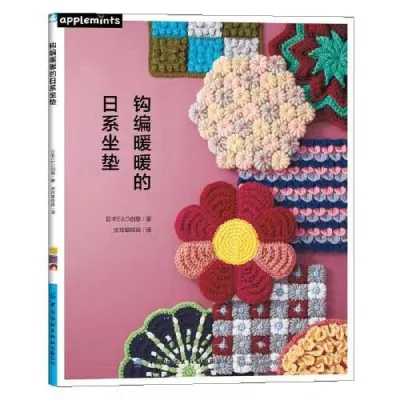
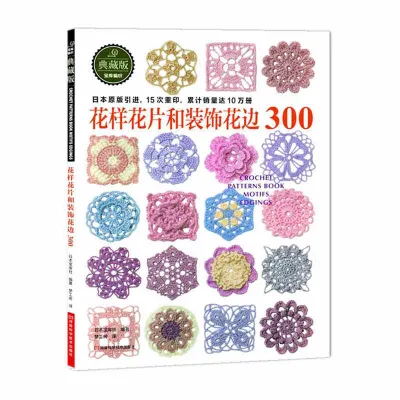
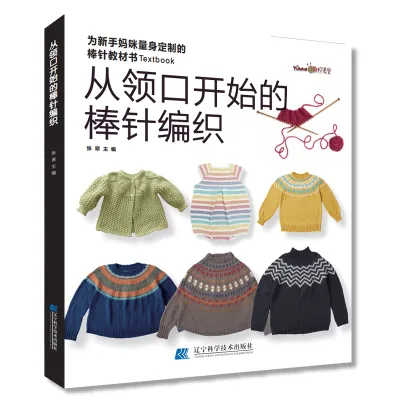
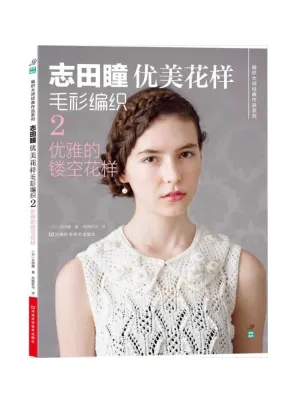
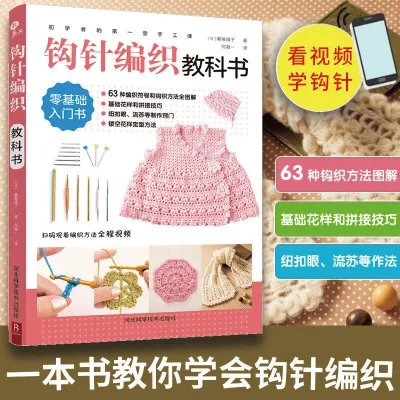
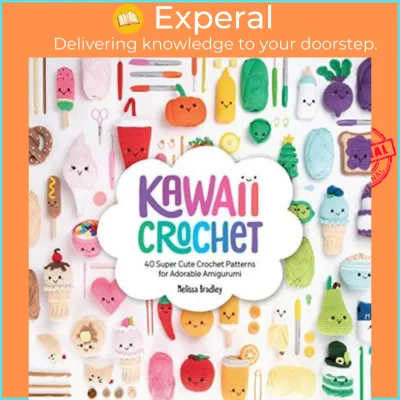
![New 6pc/set Lunarheavenly Charming Flower and Fruit Crochet Knitting Book 30 Lace Crochet Necklace Brooch Ornament Weaving Book[ All 6 Book ] Nana Nakazato Series Books Naiwa Nakazatos Micro-Crochet Book Crochet book yarn crochet patterns handmade](https://img.lazcdn.com/g/p/70bbb0bd9283b82b847c5c1dbb47143b.jpg_webp_400x400q80.jpg_.webp)
Prices are valid at publication and may change. Please refer to the product page for the latest price.
A dedicated troubleshooting section is another critical element that separates excellent knitting books from mediocre ones. Every beginner will eventually drop a stitch, split their yarn, or end up with an accidental extra loop. Without a guide to help diagnose and correct these issues, a minor mistake can lead to immense frustration and abandoned projects. A good book will include clear illustrations showing what common mistakes look like on the needles and provide step-by-step instructions on how to fix them, such as using a crochet hook to rescue a dropped stitch.
Finally, the text should explain the “why” behind each technique rather than just providing rote instructions. Understanding the anatomy of a stitch—how the loops sit on the needle and how they interlock—empowers you to read your knitting. This conceptual understanding is what allows you to transition from blindly following patterns to identifying errors, adjusting your tension, and eventually designing your own simple modifications. A book that explains the mechanics of the craft builds long-term confidence and independence.
Evaluating the Tool and Yarn Selection Chapters
The chapters dedicated to tools and materials are the foundation of your knitting education. Before you can make a single stitch, you must acquire the correct gear, and a good book should guide this process with practical, budget-conscious advice. The tool section should begin by explaining the physical properties of different needle materials. For instance, bamboo and wooden needles offer a natural grip that prevents slippery stitches from sliding off accidentally, making them ideal for beginners. In contrast, metal needles are slick and fast, which can be frustratingly slippery for a novice but highly efficient for experienced knitters.

The book should also demystify needle sizing systems, explaining the differences between metric measurements and regional sizing standards. It should provide clear recommendations on which sizes are easiest to handle when starting out. Generally, medium-sized needles—such as 4.0mm to 5.5mm—are the most comfortable for beginners to hold, as they are neither too cramped nor too bulky.
Yarn selection is another area where beginners often feel overwhelmed by the sheer variety of fibers and weights. A comprehensive guide must cover the characteristics of common fibers, explaining how wool, acrylic, cotton, and various blends behave on the needles. For first projects, the book should recommend forgiving, elastic, and highly visible yarns. Smooth wool or high-quality acrylic blends in light, solid colors are excellent choices because they allow you to see your stitch definition clearly. The book should explicitly advise against dark colors, highly textured novelty yarns, or inelastic plant fibers like pure cotton for your very first practice swatches.
Understanding how to read a commercial yarn label is a crucial skill that a beginner book must teach. The label contains vital information, including the yarn weight category, recommended needle size, fiber content, care instructions, and dye lot number. A good book will feature an annotated diagram of a yarn label, explaining what each symbol and number means. It should also explain the concept of yarn weight classes, helping you understand why a bulky yarn cannot be easily substituted for a fingering weight yarn without altering the entire project.
Lastly, the book should distinguish between essential notions and optional gadgets. To start knitting, you only need needles, yarn, a pair of scissors, a tapestry needle for weaving in ends, and a few simple stitch markers. A beginner-friendly book will emphasize these basic tools and advise against purchasing expensive accessories like ball winders, swift stands, or specialized row counters until you are certain you want to commit to the hobby. This budget-conscious approach keeps the initial barrier to entry low and manageable.
Matching the Book to Your Learning Style and Project Goals
Every crafter learns differently, so it is important to choose a book that aligns with your personal learning style and immediate goals. Some knitters prefer technique-heavy reference guides that function like encyclopedias, detailing dozens of stitch patterns, cast-on methods, and finishing techniques. These books are excellent long-term investments that you will refer to for years, but they can sometimes feel dry or overwhelming if you want to start making practical items immediately. Conversely, pattern-heavy books focus on getting you knitting actual projects right away, using simple designs to teach skills on the fly.
Evaluate the starter projects featured in the book to ensure they match your patience level and interests. Classic beginner projects include dishcloths, simple garter stitch scarves, and basic beanies. A dishcloth is an outstanding first project because it is small, quick to finish, and allows you to practice maintaining even tension without a massive time commitment. A scarf builds muscle memory through repetition, though some beginners find the length tedious. Ensure the book offers projects that you would actually want to use or gift, as this provides powerful motivation to finish.
In the modern crafting landscape, many print books offer integrated digital content to enhance the learning experience. Look for publications that include QR codes or web links to short video tutorials demonstrating specific techniques. While a static photo is helpful, seeing the fluid motion of a stitch in a video can instantly clarify a confusing step. Some books also provide access to online community forums or downloadable pattern updates, which can be incredibly helpful if you encounter an error in the printed text.
The physical layout and typography of the book are also critical for usability. When you are knitting, your hands are occupied, and your attention is split between your needles and the page. The book should feature large, legible fonts and a clean, uncluttered layout. Instructions should be broken down into short, numbered steps rather than dense blocks of text. High-contrast formatting, where key terms or stitch counts are highlighted, makes it easy to glance down at the book and quickly find your place without losing your grip on your yarn.
Pre-Purchase Checklist and Buying Considerations
Before finalizing your purchase, it is wise to run through a quick checklist to ensure the book will meet your practical needs. First, consider the physical construction of the book. A lay-flat binding, such as a spiral binding or a high-quality softcover that stays open on its own, is highly desirable. If a book constantly snaps shut while you are trying to knit, you will need to weigh it down, which can damage the spine or distract you from your stitches. Check the paper quality as well; thick, durable pages are less likely to tear when you are flipping through them with busy hands.
When deciding where to purchase your book, consider both convenience and community value. Local yarn shops and specialized craft stores are excellent options because their staff can often provide personalized recommendations and help you select the exact tools and yarn featured in the book. If you prefer online shopping, reputable online marketplaces and specialized book retailers offer wide selections and fast shipping. If you are budgeting, a high-quality reference book is a highly cost-effective investment compared to private lessons.
Be cautious when evaluating bundle deals that package a beginner book with starter tools or yarn. While these bundles can offer convenience, you must carefully inspect the quality of the included items. Ensure the needles are made of a beginner-friendly material like bamboo or smooth wood, rather than cheap, rough plastic that snags the yarn. The included yarn should be a smooth, light-colored, worsted-weight fiber. If the bundle contains low-quality materials or tools that do not match the book’s initial projects, it is often more economical to purchase a high-quality book and your starter supplies separately.
Finally, take the time to read recent reader feedback, focusing specifically on reviews written by absolute beginners. Look for comments that discuss the clarity of the tool and yarn chapters, rather than just praising the aesthetic beauty of the finished projects. If multiple reviewers note that the instructions are confusing, that key steps are skipped, or that the patterns contain uncorrected errors, it is best to look for an alternative title. A well-reviewed book with a reputation for clear, error-free instruction will save you hours of frustration.
Frequently Asked Questions (FAQ)
Do I need a physical book or is a digital version better for knitting?
A physical book is generally superior for beginners due to its ergonomic advantages. When learning to knit, both of your hands are fully occupied with holding the needles and managing yarn tension. A physical book—especially one with a lay-flat or spiral binding—can sit open on a table or your lap without requiring any physical interaction. You do not have to worry about the screen dimming, going to sleep, or requiring a swipe to turn the page while your hands are busy.
Digital versions, such as PDFs or e-books, offer portability and the ability to zoom in on small details, but they present practical challenges. Constant zooming and scrolling can disrupt your knitting rhythm, and screen glare can cause eye strain during long crafting sessions. Additionally, keeping a tablet or phone screen active for hours can rapidly drain the battery. For most beginners, a physical book provides a more seamless, tactile, and distraction-free learning experience.
Should my first knitting book include patterns for complex garments?
Your first knitting book should focus primarily on simple, flat, and small projects rather than complex garments like sweaters or socks. Starting with basic items like dishcloths, coasters, or simple scarves allows you to focus entirely on mastering foundational skills, such as maintaining consistent stitch tension and recognizing stitch anatomy. These smaller projects work up quickly, providing a sense of accomplishment that keeps you motivated.
Complex garments require advanced skills such as knitting in the round, shaping (increases and decreases), pattern reading, and precise gauge swatching to ensure a proper fit. Attempting these projects too early can lead to frustration and uneven results. It is best to master the basics using a beginner-focused book first, and then transition to garment-specific or advanced pattern books once you feel confident in your tension control and basic construction techniques.

Community discussion
Share your experience or ask a question. Comments are reviewed before publication.