
Finding the perfect happy teachers day card in Singapore requires balancing aesthetic appeal, tactile quality, and writing compatibility. With Teacher’s Day celebrated on the first Friday of September in Singapore, students and parents often seek cards that go beyond standard mass-produced options to express genuine gratitude. A premium card not only conveys a heartfelt message but also serves as a lasting keepsake that educators can display on their desks or store in memory boxes for years to come.
To identify the best card brands and sourcing options, you must look past eye-catching cover designs and evaluate the physical construction of the stationery. High-quality paper stock, precise printing embellishments, sturdy envelopes, and ink-friendly writing surfaces are the hallmarks of superior greeting cards. By understanding these technical attributes and knowing where to shop in Singapore—from curated international imports to bespoke local illustrators—you can select a card that perfectly matches your teacher’s personality and stands the test of time.
What Defines a High-Quality Teacher's Day Card?
Paper Stock and Texture
Paper weight is measured in grams per square meter (GSM), which serves as the primary indicator of a card’s structural integrity. Standard printer paper is usually 80 GSM, which is far too flimsy for a greeting card and will easily warp under its own weight. A premium card should utilize paper stock ranging between 250 GSM and 350 GSM. This weight ensures the card can stand upright on a teacher’s desk without sagging, bowing, or bending over time.
Products mentioned in this guide
![[GC 31] Greeting Card | Gift Card | Teachers Day Cards 教师节贺卡 | Thank You My Teacher 谢谢您老师](https://img.lazcdn.com/g/ff/kf/S847a15098c834edea658526eca319a2fK.jpg_400x400q80.jpg_.webp)
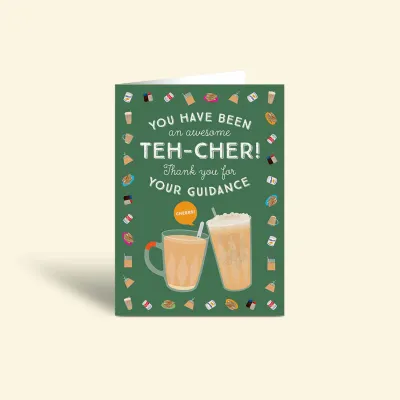
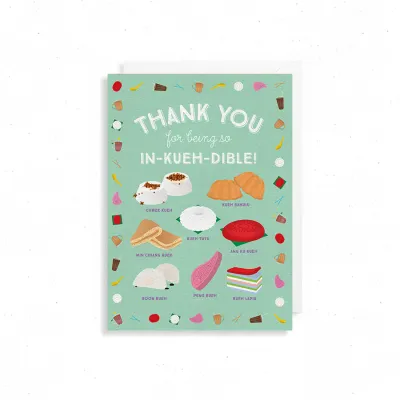
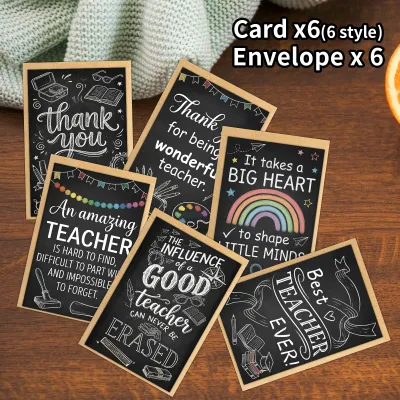
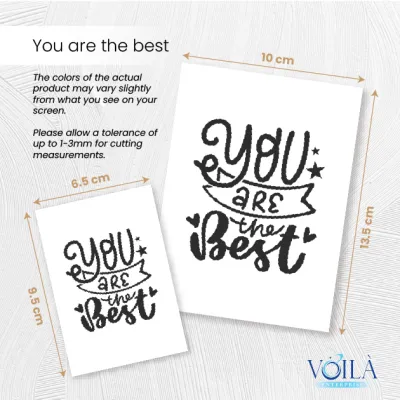
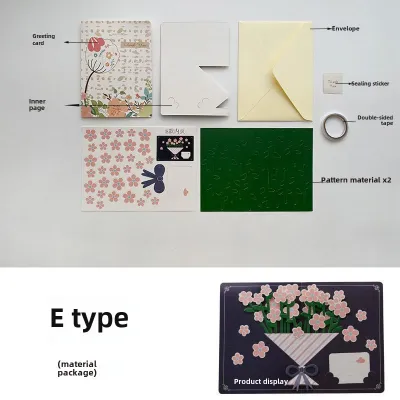
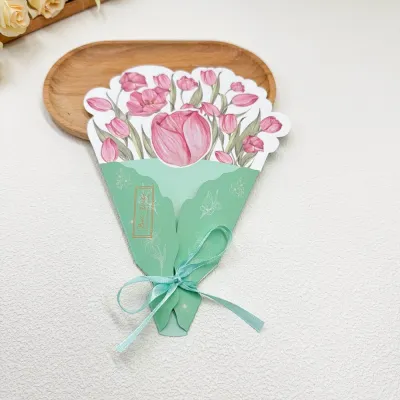
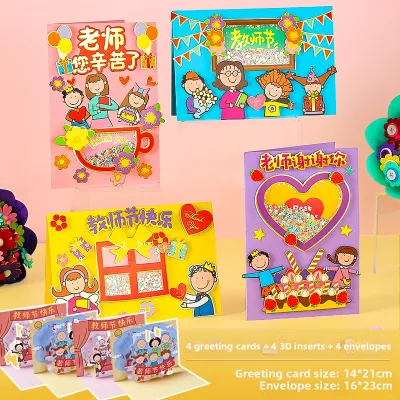
Prices are valid at publication and may change. Please refer to the product page for the latest price.
Texture also plays a critical role in the tactile experience of receiving a card. Matte papers offer a clean, modern look and are exceptionally easy to write on because they lack a reflective coating. Glossy papers make photographic elements pop but are highly reflective and prone to fingerprint smudges. Textured papers, such as linen, laid, or felt-finished stocks, feature distinct physical ridges or woven patterns that instantly communicate craft and luxury.
Printing and Embellishments
Premium card brands distinguish themselves through specialized printing techniques that add depth and visual interest to the design. Foil stamping uses heat and pressure to apply a thin metallic layer to the paper, creating shiny gold, silver, or rose gold accents that catch the light beautifully. Embossing raises specific design elements above the paper surface, while debossing presses them down, creating a three-dimensional depth you can physically feel.
Letterpress printing, a classic artisanal technique, leaves a deep, crisp impression in thick, soft cotton paper, giving the card an unmatched tactile quality. When evaluating a card, inspect the edges of these embellishments closely. High-quality printing features sharp, clean borders without any flaking foil, misaligned colors, or blurry ink registration. Avoid cards where the metallic foil appears dull or easily rubs off when touched.
Envelope and Structural Quality
The envelope is the first thing a teacher touches, making its quality just as important as the card itself. Standard, cheap envelopes are often made from thin 80 GSM paper that tears easily and reveals the card’s contents through the paper. Premium card brands pair their products with heavy-duty envelopes made from 100 GSM to 130 GSM paper. This thickness protects the card from damage during transit and adds a satisfying weight to the hand.
Additionally, consider the envelope flap style and sealing mechanism. Euro flaps (deep V-shapes) and square flaps are popular for modern designs. For sealing, gummed flaps require moisture to activate the adhesive, offering a traditional seal, while peel-and-stick adhesive strips provide maximum convenience and a secure lock without the need for moisture. Ensure the envelope is cut precisely so the card slides in and out smoothly without catching on the inner seams.
Interior Layout and Writing Space
A beautifully designed card cover is useless if the interior paper ruins your handwritten message. Many lower-quality cards use the same glossy coating on the inside as they do on the outside, which causes gel pens, rollerballs, and fountain pens to smudge, bead, or take hours to dry. Premium cards feature an uncoated or matte-coated interior that is specifically designed to absorb ink quickly and smoothly.
When choosing a card, decide between a blank interior and a pre-printed message. Blank interiors offer complete freedom to write a long, personalized letter of appreciation. Pre-printed cards provide a structured sentiment, but you should ensure there is still ample white space around the text for a personal signature and a brief custom note. Check that the interior paper is thick enough to prevent your writing from showing through on the back of the card.
Where to Source Reliable Card Brands in Singapore
Premium Stationery and Bookstores
Shopping at physical premium stationery shops and major bookstores in Singapore allows you to touch and feel the paper quality before making a purchase. Retailers located in major shopping districts like Orchard Road, City Hall, or Bugis often carry curated selections of international stationery brands known for their superior paper stocks and elegant designs. These brick-and-mortar stores provide a sensory shopping experience where you can physically test the rigidity of the card, inspect the shine of the foil stamping, and ensure the envelope matches the card perfectly.

The curated nature of these stores means you are paying for pre-vetted quality, reducing the risk of buying flimsy or poorly printed cards. You can often find exclusive imports from renowned Japanese, European, and American stationery houses that are difficult to find elsewhere. Additionally, the in-store staff can often assist you in finding matching writing instruments or gift wrap that complement your chosen card.
Local Independent Designers and Craft Markets
For a truly unique and meaningful gesture, look to Singapore’s vibrant community of independent illustrators and local design studios. These creators often design cards that incorporate local Singaporean culture, school-themed humor, and colloquial expressions (such as affectionate nods to “cher” or references to classroom red pens and correction tape). You can find these bespoke products at local creative markets, art pop-ups, or independent multi-label boutiques in areas like Bras Basah, Haji Lane, or Tiong Bahru.
Supporting local artists not only guarantees a highly original design that stands out from generic commercial cards but also contributes directly to the local creative economy. These cards are typically printed in small batches, often using premium, locally sourced papers. The unique illustrations reflect a shared cultural understanding of the Singaporean school journey, making the card feel incredibly personal and nostalgic for local educators.
E-commerce Platforms and Brand Official Stores
Purchasing online offers unparalleled convenience and access to a global array of card designs. When navigating online marketplaces or shopping directly from a brand’s official webstore, it is essential to read customer reviews carefully, paying close attention to feedback regarding paper thickness, packaging quality, and actual color accuracy. Ensure the seller packages the cards in rigid, bend-proof mailers or bubble wrap to prevent bent corners during transit.
Because Teacher’s Day in Singapore is celebrated in early September, always check the estimated shipping and delivery windows. Order your cards at least two to three weeks in advance to account for any potential customs delays or local postal backlogs. Buying from official brand stores online often grants access to exclusive web-only designs and bulk discount packs, which are highly economical if you need to buy cards for multiple teachers.
Eco-Friendly and Sustainable Brands
For environmentally conscious students and parents, many modern card brands prioritize sustainable manufacturing processes. Look for cards that carry the Forest Stewardship Council (FSC) certification, which guarantees the paper was sourced from responsibly managed forests. Many eco-friendly brands use 100% post-consumer recycled paper, which often features a charming, slightly textured surface with subtle natural flecks.
Another innovative option is plantable seed paper. These cards are made from biodegradable paper embedded with wildflower, herb, or vegetable seeds. After reading the card, the teacher can plant it in a pot of soil, water it, and watch it grow into a living reminder of their student’s gratitude. Choosing sustainable brands demonstrates a thoughtful approach to gifting that aligns with modern environmental values.
Matching Card Designs to Your Teacher's Personality
Classic and Elegant Designs
If you are buying a card for a school principal, vice-principal, senior educator, or a teacher with whom you have a more formal relationship, classic designs are the safest and most respectful choice. Look for brands that specialize in elegant botanical illustrations, delicate watercolor florals, or refined, minimalist typography. These designs convey a sense of prestige, professionalism, and deep respect.
The color palettes are typically sophisticated, utilizing soft pastels, deep navy, forest green, or classic cream paired with subtle gold foil accents. This understated elegance ensures the focus remains on the sincerity of your written message. Classic cards are highly versatile and are universally appreciated across all academic levels, from primary schools to tertiary institutions.
Subject-Specific and Humorous Themes
For teachers who bring immense enthusiasm to their specific subjects, a themed card shows that you appreciate their teaching style and passion. Look for card brands that offer clever, subject-specific illustrations and puns. A mathematics teacher might appreciate a card featuring geometric equations or calculus jokes; a science teacher will love illustrations of chemical beakers, DNA double helices, or physics formulas; and a literature teacher will connect with classic literary quotes or typewriter motifs.
These playful designs break the ice, show a high level of personalization, and demonstrate that you pay attention to the specific subject matter they teach every day. Humorous cards are excellent for building rapport and showing your teacher that their hard work in making lessons engaging has not gone unnoticed. Ensure the humor remains respectful and appropriate for a school setting.
Modern and Contemporary Aesthetics
If your teacher is someone who appreciates modern art, stylish interior design, or trendy stationery, look for contemporary card designs. These cards often feature bold color blocks, abstract geometric shapes, mid-century modern patterns, or quirky vector illustrations. The typography is usually clean and sans-serif, or features hand-drawn, expressive lettering.
Contemporary cards feel fresh, youthful, and artistic, making them an excellent choice for younger teachers or those who run creative extracurricular activities (CCAs) like art, design, or drama clubs. These designs often double as mini art prints that teachers can pin to their classroom bulletin boards or frame for their home offices, extending the life of your gift far beyond the holiday itself.
Handmade and Interactive Options
For a truly memorable presentation, interactive and handmade cards offer an engaging sensory experience. Pop-up cards utilize intricate paper engineering to reveal a three-dimensional scene—such as a bouquet of flowers, a classroom setup, or a stack of books—when opened. Other interactive options include cards with pull-tabs, scratch-off surfaces, or spinning wheels that reveal different messages of appreciation.
These cards are highly engaging and are particularly popular among primary school students, as they add an element of fun and surprise to the gifting experience. Because of their complex construction, ensure you buy these from brands known for sturdy paper engineering to prevent the mechanisms from jamming or tearing. Handmade elements, such as hand-tied ribbons or real pressed flowers, add a warm, personal touch that feels incredibly special.
A Practical Checklist Before You Buy
Dimension and Fit Verification
Before finalizing your purchase, verify the physical dimensions of the card and its matching envelope. Standard greeting card sizes typically range from A6 (105mm x 148mm) to A5 (148mm x 210mm), or square formats like 140mm x 140mm. Ensure the card fits comfortably within its envelope without requiring you to force or bend the edges.
Additionally, consider how the student will transport the card to school. A large, delicate card can easily get crushed, bent, or stained inside a crowded school backpack. If the card is large or has delicate 3D elements, secure it between two rigid plastic files or place it flat inside a textbook during the commute to school to keep it pristine.
Ink and Pen Compatibility
The interaction between your writing instrument and the card’s paper surface determines how neat your final message will look. Highly coated, glossy, or metallic interior papers do not absorb liquid inks well, leading to severe smudging and long drying times. If you plan to write with gel pens, rollerballs, or fountain pens, look for cards with uncoated, matte, or textured interiors.
To prevent ruining a beautiful card, perform an observable trial: write a small test stroke or your name on a discreet, hidden corner of the card (such as the very bottom edge of the interior fold) or on the inside flap of the envelope. Observe how quickly the ink dries and check if it feathers or bleeds through to the back of the paper. If the ink bleeds or smudges, switch to a reliable ballpoint pen or a pigment-based fine-liner.
Delivery and Return Policies
When ordering cards online, timing is everything. Review the seller’s shipping policy and estimated delivery times to ensure the card arrives well before the Teacher’s Day celebrations. Opt for shipping methods that offer tracking numbers, which allow you to monitor the package’s progress and avoid lost mail.
Additionally, check the merchant’s return or exchange policy. While greeting cards are relatively low-cost items, a reputable brand should offer solutions, such as replacements or refunds, if your cards arrive damaged, bent, or wet due to inadequate shipping packaging. Look for sellers who ship cards in rigid cardboard mailers rather than soft paper envelopes.
Additional Elements and Inclusions
Double-check what is actually included in your purchase. While most greeting cards come with an envelope, some minimalist or eco-friendly brands sell them separately, or package cards in bulk without individual sleeves. Verify if the card includes extra decorative elements, such as matching gold foil stickers to seal the envelope, ribbon ties, or built-in slots designed to hold retail vouchers or gift cards.
If you plan to gift a small token of appreciation alongside the card, choosing a design with a dedicated gift card holder ensures the voucher remains securely inside the card and does not accidentally slide out when the teacher opens the envelope. This small detail adds a layer of professionalism and security to your gift presentation.
Frequently Asked Questions (FAQ)
Can I use fountain pens or markers on standard greeting cards?
Writing with fountain pens or heavy markers on standard greeting cards carries a high risk of ink feathering and bleed-through, especially if the paper is thin or has a cheap coating. Fountain pen inks are water-based and require paper with proper sizing (a treatment that controls how the paper absorbs liquid) to prevent the ink from spreading along the paper fibers like a spiderweb. To write successfully, look for cards made from heavy, uncoated paper stock of at least 300 GSM, or cards explicitly labeled as fountain pen friendly.
If you must use a fountain pen on an untested card, use an extra-fine or fine nib paired with a dry-flowing, well-behaved ink, and always perform a quick test on a hidden corner of the card first. If the ink bleeds or feathers excessively, switch to a high-quality ballpoint pen or a pigment-based fine-liner, which dries quickly and remains stable on almost all paper surfaces.
Is it better to give physical cards or digital e-cards to teachers?
While digital e-cards offer convenience, instant delivery, and zero environmental waste, physical greeting cards remain the preferred and far more impactful choice for Teacher’s Day. A physical card represents a tangible keepsake that a teacher can hold, display proudly on their classroom desk, or keep in a personal drawer of memories to look back on during challenging days. The physical act of handwriting a message shows a level of effort, time, and personal care that digital text simply cannot replicate.
However, before purchasing a physical card or any accompanying small gift, it is wise to be aware of your school’s specific guidelines regarding physical gifts to ensure compliance. If a physical exchange is not feasible due to administrative policies or remote learning arrangements, a thoughtfully composed, personalized e-card is a wonderful alternative that still conveys deep appreciation.

Community discussion
Share your experience or ask a question. Comments are reviewed before publication.