
Finding a reliable physical planner in Singapore that keeps your daily schedule organized without exceeding a S$20 budget is entirely achievable. While luxury planners often dominate social media with premium covers and heavy-weight paper, highly functional alternatives exist at a fraction of the cost. The key lies in shifting your focus from aesthetic branding to structural utility. By understanding how to evaluate paper specifications, layout efficiency, and binding durability, you can secure a dependable planning tool that fits your daily routine and your wallet.
Setting Your Priorities for a S$20 Planner Budget
To make the most of a S$20 budget, you must first define your core planning needs. Planners serve various purposes, from strict hourly scheduling to habit tracking or free-form journaling. If your primary goal is to manage back-to-back meetings or university lectures, an hourly vertical layout is essential. Conversely, if you prefer tracking daily tasks, a simple checklist format or a horizontal weekly spread will suffice. Identifying these non-negotiable requirements prevents you from paying extra for complex layouts you will not use.
At this price point, distinguishing between must-have specifications and nice-to-have extras is crucial. Premium features like gold foil stamping, genuine leather covers, gilded page edges, and elaborate storage pockets significantly drive up manufacturing costs. When shopping on a budget, look past these cosmetic details. A plain cardboard or flexible plastic cover protects your pages just as effectively as a faux-leather wrap, allowing more of the production cost to be allocated to what actually matters: the paper quality and the layout design.
Products mentioned in this guide
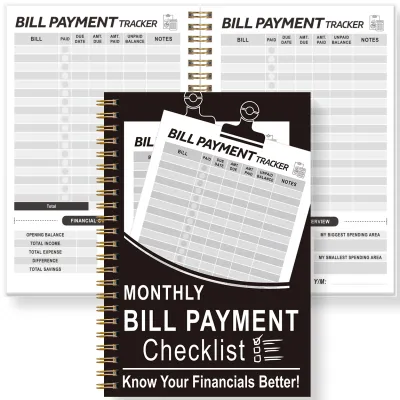
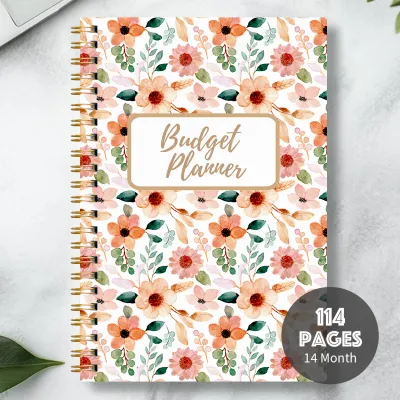
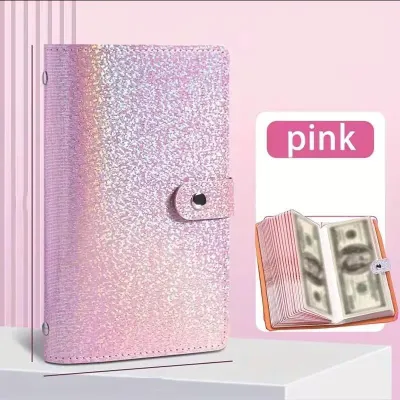
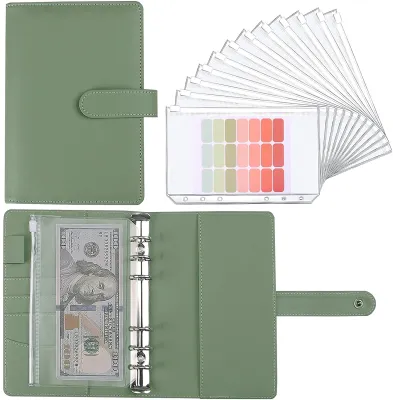
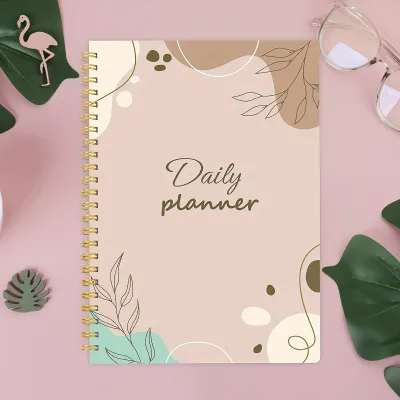
Prices are valid at publication and may change. Please refer to the product page for the latest price.
Accepting certain trade-offs is a natural part of budget shopping. For under S$20, you will likely choose standard paper weights (typically between 70 gsm and 80 gsm) rather than ultra-thick luxury sheets. You may also need to opt for simpler binding methods, such as basic spiral wire or stapled booklets, instead of intricate thread-bound spines. Recognizing these compromises early on helps you focus your search on structural durability and layout usability rather than superficial aesthetics.
Evaluating Paper Quality and Layouts in Affordable Options
Evaluating paper quality without physical testing requires a close look at manufacturer specifications. Do not rely on vague marketing terms like “premium feel” or “ink-proof.” Instead, look for the exact paper weight measured in grams per square meter (gsm). Standard copy paper is usually around 70 gsm to 80 gsm, which works well for standard ballpoint pens. If you prefer using gel pens, rollerballs, or fountain pens, aim for at least 80 gsm to 100 gsm to minimize the risk of ink bleeding through to the other side of the page.

Layout functionality is highly dependent on your handwriting size and daily writing volume. When examining a planner, assess the physical dimensions of the daily or weekly boxes. If you have large handwriting, a compact A6 planner with narrow hourly slots will quickly become cramped and illegible. An A5 size generally offers the most balanced compromise between portability and writing space. Check if the line spacing accommodates your natural writing style, and ensure there is dedicated space for miscellaneous notes or weekly goals if those are part of your routine.
Ink bleed-through and feathering can ruin a planner’s usability, making it difficult to write on both sides of a page. To verify paper performance before buying, read user reviews specifically searching for terms like “ghosting,” “bleeding,” or “feathering.” If you are shopping in a physical retail store in Singapore, look for display samples that allow you to feel the texture of the paper. Smooth, coated paper often resists feathering better than rough, highly absorbent paper, even at lower weights. If no sample is available, check the store’s return policy regarding opened stationery items.
The binding type directly impacts how comfortably you can write in your planner every day. A planner that refuses to lie flat requires you to constantly hold the pages down, which quickly becomes frustrating. Spiral or wire-o bindings are excellent budget-friendly options because they naturally lie completely flat and allow you to fold the planner back on itself to save desk space. If you prefer a book-bound style, look for Smyth-sewn or thread-bound options, which offer superior lay-flat capability compared to cheap glued bindings that can crack and lose pages over time.
Where to Source Budget Planners in Singapore
Sourcing an affordable planner in Singapore involves weighing the pros and cons of physical retail stores versus online marketplaces. Visiting physical stationery chains, local bookstores, and lifestyle shops allows you to physically inspect the paper texture, test the binding flexibility, and verify the layout dimensions. This hands-on evaluation eliminates the guesswork associated with online shopping. However, physical stores may have a more limited selection within the sub-S$20 price bracket, especially outside the peak school-reopening seasons.
Online marketplaces and ecommerce platforms offer an incredibly vast selection of planners, often at lower price points due to reduced overhead costs. You can easily filter searches by price, layout, and size to find options under S$20. The primary risk of online shopping is the prevalence of unbranded or white-label products. Product images are frequently digitally rendered or heavily edited, making the paper appear thicker and the cover more durable than they are in reality. To mitigate this risk, prioritize listings with detailed customer photos and written reviews that describe the actual physical quality of the item.
To stretch your S$20 budget further in local retail stores, look for specific purchasing opportunities. Many bookstores offer clearance sections where dated planners are heavily discounted a few weeks into the new year. If you are a student or a member of a retail loyalty program, inquire about available discounts that can bring a slightly higher-priced planner down into your target range. Additionally, some local stationery distributors offer bulk-buy options, which can be a cost-effective strategy if you and your friends or colleagues purchase your planners together.
Hidden Costs and Value Traps to Avoid
When shopping online, the initial price tag of a planner can be highly misleading. A planner listed at S$15 may seem like a great deal until you factor in shipping fees, handling charges, or international delivery costs that push the final checkout total well over S$20. Always check the shipping terms before committing to a purchase. To avoid these extra fees, look for sellers that offer free local shipping, or consolidate your stationery purchases to meet the minimum spend threshold required for free delivery.
Another common value trap is the hidden cost of proprietary systems. Some budget-friendly binders or disc-bound planners are sold at a very low entry price, but they require specific, proprietary paper refills or specialized hole punches to customize. Over time, the cost of buying these unique refills will far exceed your initial budget. Similarly, some low-cost planners use highly absorbent paper that bleeds heavily with standard gel pens, forcing you to purchase specialized, quick-drying, or low-flow pens just to make the planner usable. Stick to standard sizes and paper types that work with the writing instruments you already own.
To ensure you are getting genuine value, calculate the cost-per-month of the planner by checking the actual page count and date range. A cheap planner might only cover a six-month period, meaning you would need to buy two of them to last the entire year, doubling your actual annual cost. Look for full 12-month or even 18-month planners to maximize your investment. Additionally, verify that the page count includes sufficient space for daily entries rather than being padded with blank notes pages or decorative illustrations that reduce the actual planning space.
Practical Alternatives and Smart Add-ons
If you cannot find a pre-printed planner under S$20 that meets your standards for paper quality and layout, consider creating a semi-custom system. You can purchase a high-quality, plain grid or dotted notebook within your budget and pair it with free printable planner templates available online. This approach allows you to benefit from the superior paper quality of established notebook brands while customizing the layout to your exact specifications. You can print the layouts on standard paper and paste them in, or draw your own grids using a ruler.
If your chosen budget planner lacks convenient features, you can easily upgrade it using inexpensive, separate accessories. Instead of paying a premium for a planner with a built-in pen loop or elastic closure, purchase adhesive pen loops and elastic bands separately from local dollar stores or budget stationery shops. These small add-ons cost very little and can be transferred to your next planner when the year ends, preserving your budget while enhancing your daily workflow.
Undated planners are an exceptionally practical alternative for budget-conscious users. Traditional dated planners lose their value rapidly as the year progresses, and any weeks you miss represent wasted money. An undated planner allows you to fill in the dates as you go, meaning you can pause using it during holidays or busy periods without leaving blank, wasted pages. This flexibility ensures that every single page you paid for is utilized, maximizing the long-term value of your S$20 purchase.
Frequently Asked Questions (FAQ)
Can I find dated planners under S$20, or should I opt for undated ones?
Yes, dated planners are widely available under S$20, particularly if you shop during specific promotional windows. Retailers often discount dated planners significantly during the year-end holiday season, back-to-school campaigns, or in the first few weeks of the new year when they need to clear remaining inventory. However, if you are purchasing mid-year or have an irregular schedule, an undated planner is generally the smarter financial choice. Undated planners prevent page waste because you only write in them on the days you actually need to plan, ensuring you get full value out of every sheet of paper regardless of when you start.
Do budget planners usually include pen loops and bookmarks?
At the sub-S$20 price point, built-in accessories are often minimized to keep production costs low. While many budget planners will include a basic ribbon bookmark to help you find your place, features like elastic closure bands, pen loops, and expandable inner pockets are frequently omitted. If these accessories are essential to your daily routine, it is important to read the product specifications and inspect the product photos carefully before buying. Alternatively, you can easily purchase these accessories separately at local budget shops and attach them yourself, allowing you to enjoy the convenience of a premium planner without exceeding your budget.
Community discussion
Share your experience or ask a question. Comments are reviewed before publication.