
Finding the perfect birthday card in Singapore requires balancing aesthetic appeal with physical craftsmanship. Whether you are celebrating a colleague’s milestone or sending a lighthearted message to a close friend, the card you choose serves as the physical vessel for your well-wishes. Navigating the diverse landscape of greeting card brands involves understanding how different design styles, paper weights, and printing techniques align with your recipient’s preferences.
By focusing on key quality indicators—such as paper texture, ink compatibility, and structural integrity—you can confidently select a card that stands out on any display shelf. Taking the time to evaluate these physical and artistic elements ensures your gesture feels intentional, memorable, and perfectly suited to the occasion.
How to Choose the Right Birthday Card Brand for Your Recipient
To select the ideal birthday card brand, start by analyzing the recipient’s personal style and your relationship with them. A close friend who appreciates witty banter will require a completely different brand aesthetic than a corporate mentor or an elderly relative. For intimate relationships, look for brands that leave ample blank space inside, allowing you to write a deeply personalized message. For acquaintances or professional contacts, brands that feature elegant, pre-printed sentiments or sophisticated cover designs help maintain a respectful yet warm tone.
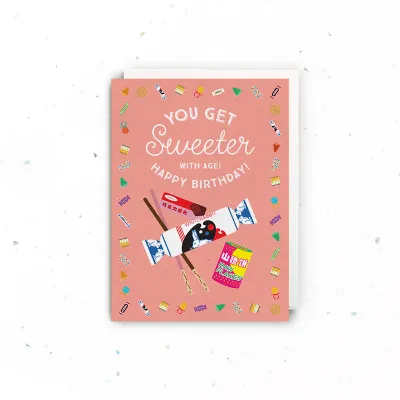
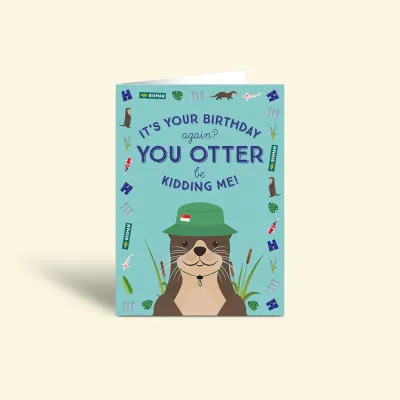
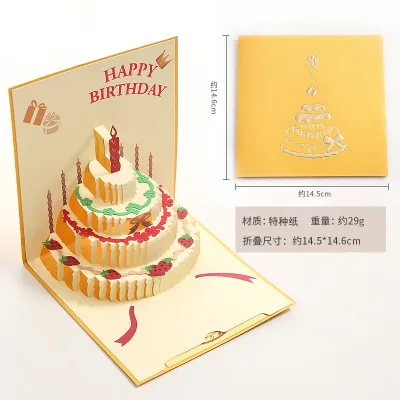
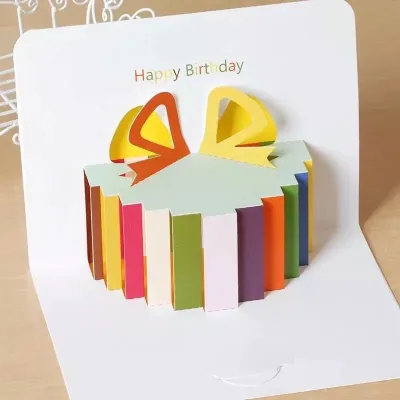
Products mentioned in this guide

![[GC 06] Greeting Card | Gift Card | Happy Birthday Card | 生日快乐](https://img.lazcdn.com/g/p/2b327199f0fb368acb276d6693210ae1.jpg_400x400q80.jpg_.webp)

Prices are valid at publication and may change. Please refer to the product page for the latest price.
The formality of the birthday celebration also dictates the type of card you should seek. Milestone birthdays—such as a 21st, 50th, or 80th celebration—often call for keepsake-quality cards that the recipient might preserve for years. These occasions warrant brands specializing in premium embellishments, heavy cardstock, or intricate structural engineering. Conversely, casual annual birthdays are perfectly suited for playful illustrations, modern typography, or minimalist designs that focus on immediate visual delight rather than long-term preservation.
Budget is another practical factor to consider when browsing different brands. If you are purchasing a single card for a special individual, investing S$8 to S$15 in a premium, hand-assembled, or heavily embellished card is highly reasonable. However, if you are managing birthday cards for a large office team or a big family, look for brands that offer multi-packs or curated box sets. These sets significantly lower the cost per card while maintaining a consistent standard of design and paper quality, ensuring you always have a suitable card on hand without overspending.
Matching Card Styles to Recipient Preferences
Greeting card brands generally align themselves with specific design philosophies, ranging from ultra-modern minimalism to elaborate three-dimensional paper sculptures. Understanding these categories allows you to quickly filter out brands that do not match your recipient’s taste. When exploring online portfolios or physical retail displays, pay close attention to a brand’s signature color palettes, illustration styles, and finishing techniques.

To confirm a brand’s design focus, review their visual portfolio or product descriptions for recurring themes. A brand that consistently highlights hand-painted gouache illustrations or letterpress printing on antique machinery is likely to deliver a highly tactile, artistic product. On the other hand, brands that emphasize laser-cut precision or interactive elements are better suited for those who appreciate structural novelty. Matching these brand identities to your recipient’s lifestyle ensures the card feels personally selected rather than generic.
Minimalist and Modern Designs
For recipients who appreciate clean lines, subtle details, and contemporary aesthetics, look for brands that master the art of negative space. Minimalist card designs rely heavily on balanced layouts and high-quality typography rather than busy patterns or loud colors. The text on the cover should be crisp and legible, often featuring elegant serif fonts or modern sans-serif lettering that conveys the message with quiet confidence.
When evaluating minimalist brands, check for muted color palettes—such as sage green, dusty blue, warm terracotta, or classic cream—paired with matte finishes. Glossy coatings can distract from the clean aesthetic, so uncoated or lightly textured matte papers are preferred. Additionally, look for subtle embellishments that add depth without cluttering the design. High-quality minimalist brands often incorporate delicate foil stamping (such as matte gold or copper) or blind embossing, where the design is pressed into the paper to create a tactile, raised effect that catches the light beautifully.
Humorous and Quirky Illustrations
If your recipient loves a good laugh or appreciates whimsical art, seek out brands that specialize in witty text, relatable daily-life jokes, or vibrant character illustrations. These brands often collaborate with independent illustrators and cartoonists, resulting in unique visual styles that you won’t find in mass-market retail chains. The humor can range from dry, sarcastic puns to heartwarming, quirky scenarios that celebrate specific hobbies, pets, or pop-culture references.
Before purchasing, carefully read the inside message—or verify if the card is blank inside—to ensure the tone matches your recipient’s specific sense of humor. A joke that lands perfectly with a sibling might feel inappropriate for a supervisor. Furthermore, pay close attention to print vibrancy and color accuracy. High-quality illustrative brands use advanced printing techniques that prevent colors from looking muddy or washed out, ensuring that the quirky characters and bright backgrounds pop off the page exactly as the artist intended.
Elegant, Luxury, and Pop-Up Cards
For milestone celebrations or when you want to make a grand impression, luxury and pop-up cards offer an unparalleled sense of theater. These cards transcend traditional flat stationery, transforming into three-dimensional paper sculptures that recipients often display as temporary art pieces. Look for brands that specialize in intricate laser-cut designs, accordion folds, or multi-layered paper engineering that unfolds smoothly without catching or tearing.
The materials used in luxury cards are a key indicator of their quality. Premium brands utilize exceptionally heavy cardstock, often exceeding 300 GSM, to ensure the structural elements can support their own weight. Look for tactile finishes like velvet-touch coatings, heavy metallic foil accents, or hand-applied elements like ribbons and sequins. Because these cards feature delicate 3D components, verify that the brand provides protective packaging, such as a rigid cellophane sleeve or a sturdy cardboard backing, to prevent bending or crushing during transit.
Evaluating Paper Quality and Printing Standards
The physical feel of a card is just as important as its visual design. Paper weight, measured in grams per square meter (GSM), directly determines how substantial the card feels in the hand and whether it can stand upright on a desk or mantelpiece without bowing. Standard commercial cards typically range from 250 GSM to 350 GSM. Anything below 250 GSM may feel flimsy and cheap, while cards approaching 350 GSM or higher offer a premium, rigid feel that commands respect.
Paper texture also plays a critical role in both the card’s appearance and its writing compatibility. Smooth, uncoated papers offer a clean surface that works well with most writing instruments, while textured papers like linen, felt, or laid finishes add a sophisticated, tactile dimension. However, the interaction between ink and paper is highly variable. Smoothness, bleed resistance, drying speed, and water resistance depend entirely on the exact combination of the paper’s coating and the ink formulation you use. For instance, highly absorbent recycled papers may cause wet inks to feather, while glossy coatings can cause gel or fountain pen inks to smudge.
To avoid ruining a beautiful card, always perform a quick trial write on a hidden corner or a matching scrap piece of paper to verify drying times and bleed resistance. Do not overlook the quality of the accompanying envelope. A premium card should always be paired with an envelope of matching or complementary paper weight—ideally at least 120 GSM—to ensure it protects the contents. Check for secure gummed seals that adhere firmly when moistened, or self-adhesive strips that offer convenience. If environmental sustainability is a priority for you or the recipient, look for brands that display recognizable eco-friendly certifications, such as the Forest Stewardship Council (FSC) logo, or explicitly state the use of recycled post-consumer waste and soy-based inks.
Where to Buy and What to Check Before Checkout
When sourcing birthday cards in Singapore, you have the choice between visiting physical boutique stationery stores or browsing online marketplaces and dedicated brand websites. Physical stores offer the distinct advantage of tactile inspection, allowing you to feel the paper weight, test the envelope thickness, and view the colors under natural light. However, online shopping provides a vastly wider variety of independent international and local brands, often at more competitive price points.
Before finalizing any online purchase, verify the exact dimensions of the card. Standard card sizes like C6 (approximately 114mm x 162mm) or DL (110mm x 220mm) fit easily into standard envelopes and qualify for basic local postage rates. Oversized, square, or unusually thick 3D cards may require larger envelopes and higher postage fees. Additionally, read customer reviews specifically looking for feedback on print accuracy, color fidelity, and packaging quality to ensure the seller ships the cards in protective, bend-proof mailers.
Finally, always confirm the delivery lead times and dispatch locations before checking out. If you are ordering from an international seller on an online marketplace, shipping to Singapore can take anywhere from one to three weeks, which could cause you to miss the birthday entirely. For urgent needs, prioritize local Singapore-based sellers or brands that offer express courier options, ensuring your card arrives in pristine condition well before the celebration begins.
Frequently Asked Questions (FAQ)
What is the standard postage rate for greeting cards in Singapore?
In Singapore, local postage rates are determined by the dimensions, thickness, and weight of the envelope. Standard small cards that fit within standard envelope sizes (up to 240mm x 162mm x 6mm) and weigh under 20 grams qualify for the basic local postage tier. If your birthday card is oversized, square, or features thick 3D pop-up elements that exceed 6mm in thickness, it will be classified as a non-standard package or parcel, requiring higher postage. Always check the latest guidelines from the local postal service to confirm current rates and size limits before mailing.
Can I use fountain pen ink on most commercial birthday cards?
Whether you can use a fountain pen depends entirely on the card’s interior paper finish. Many commercial birthday cards feature a semi-gloss or coated interior to protect the printed design, which prevents water-based fountain pen inks from absorbing, leading to severe smudging and extremely slow drying times. Uncoated, matte, or textured paper interiors are much more receptive to fountain pens, though highly fibrous recycled papers may cause the ink to bleed or feather. To ensure a clean message, perform a small spot test with your pen on the back flap of the card or an inconspicuous inner corner before writing.
Community discussion
Share your experience or ask a question. Comments are reviewed before publication.