
Finding the perfect greeting card to deliver a warm morning message in Singapore involves looking beyond generic, mass-produced options. A thoughtful morning greeting sets a positive tone for the day, making the choice of design, paper quality, and visual theme highly significant. To source the best options, you should focus on specialty stationery boutiques, local design markets, and curated online platforms that offer uplifting aesthetics and premium materials. By evaluating key physical characteristics—such as paper weight, texture, and print finish—you can select cards that feel as premium as the sentiment they carry.
What Defines a Quality Good Morning Greeting Card
To elevate a simple morning message, the card itself must communicate warmth and intentionality before it is even opened. The visual theme is the first element a recipient notices. For morning greetings, look for color palettes that evoke the start of a fresh day, such as soft pastel yellows, warm peach tones, gentle sky blues, and botanical greens. Typography plays an equally critical role; clean, elegant sans-serif fonts or flowing, hand-lettered scripts convey a sense of calm and optimism, whereas harsh, overly bold, or cluttered lettering can feel jarring early in the day.
The physical feel of the card is determined by its paper weight and texture. High-quality greeting cards typically use paper stock with a weight of 250 GSM (grams per square meter) to 350 GSM. This thickness ensures the card stands upright on a desk or shelf without bowing or folding under its own weight. Texture adds a tactile dimension that digital messages cannot replicate. Matte finishes offer a clean, modern look, while textured papers like linen, felt-marked, or cotton rag provide a luxurious, organic feel. When sourcing cards, look for eco-friendly certifications printed on the back, such as FSC (Forest Stewardship Council) certification, which indicates the paper was sourced from responsibly managed forests.
Products mentioned in this guide
![[SG SELLER] Exquisite Black Birthday Cards Greeting Cards Thank you Cards Premium Cards](https://img.lazcdn.com/g/p/83b82e6a9c7f9f641a2767435019eb1d.jpg_400x400q80.jpg_.webp)
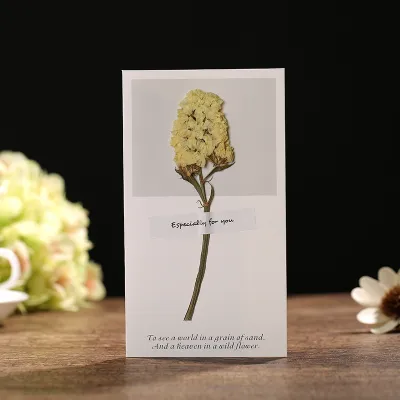
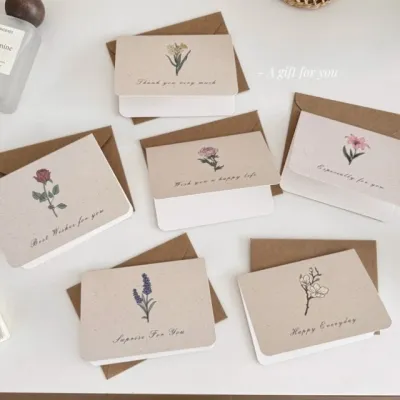
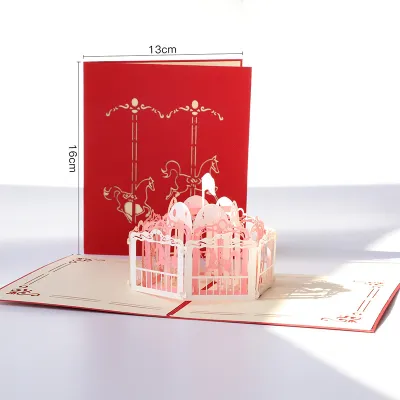
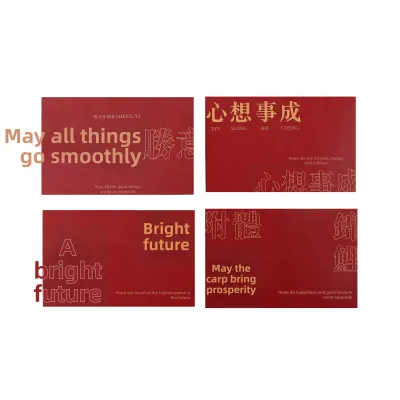

Prices are valid at publication and may change. Please refer to the product page for the latest price.
Print quality and specialty finishes distinguish premium cards from standard office prints. Examine the card for sharp, crisp edges on illustrations and text, with no visible pixelation or color bleeding. Specialty finishes, such as gold or rose gold foil stamping, blind embossing, or spot UV coating, add a subtle catch of light that feels celebratory and refined. These details reflect a high level of craftsmanship, making the card feel like a keepsake rather than a disposable note.
Finally, consider how the paper interacts with your writing instruments. A quality greeting card must feature a writing surface that resists ink feathering and bleed-through, especially if you prefer using fountain pens, gel pens, or brush markers for your personal messages. Uncoated or lightly textured interior surfaces are ideal, as they allow ink to dry quickly and prevent smudging. Before writing your final message, it is wise to perform a quick test with your chosen pen on a small, inconspicuous corner of the card or a matching envelope to verify drying speed and bleed resistance.
Where to Source Greeting Cards in Singapore
Singapore offers a vibrant retail landscape for stationery enthusiasts, ranging from physical boutiques to expansive digital platforms. Specialty stationery and gift stores located in major shopping districts or creative hubs are excellent starting points. These boutiques curate international and regional paper brands, with individual cards typically ranging from S$5 to S$12 depending on the complexity of the design. Visiting these shops allows you to physically feel the paper texture, inspect the print quality under natural light, and assess the true colors of the designs before making a purchase.

For everyday convenience and a broad selection, major bookstore chains and lifestyle retailers across Singapore provide dedicated card aisles. These locations carry a reliable mix of established global card brands and accessible local options. While these selections may lean toward broader themes, you can often find dedicated sections for “encouragement,” “thinking of you,” or “blank” cards that adapt beautifully to morning greetings. These stores are particularly useful when you need to purchase cards in bulk or find matching envelopes quickly.
If you prefer browsing from home, online marketplaces and official brand websites offer unparalleled variety. Many independent brands host their own e-commerce storefronts, allowing you to view their entire catalog, including niche daily greeting lines that physical stores might not stock. When shopping online, utilize search filters such as “inspirational,” “botanical,” “minimalist,” or “daily” to narrow down designs suitable for morning wishes. Be sure to check the product specifications for paper weight (GSM) and dimensions to ensure the physical product matches your expectations.
For truly distinctive, art-focused designs, museum and gallery gift shops in Singapore are hidden gems. The retail shops at major cultural institutions often stock exclusive card collections featuring classic artwork, contemporary illustrations, and local historical prints. These cards offer a sophisticated, non-commercial aesthetic that stands out from standard retail designs. A morning message written on a card featuring a beautiful landscape painting or a minimalist architectural sketch carries an artistic weight that makes the greeting feel incredibly special.
Exploring Independent and Local Card Designers
Supporting local Singaporean artists and independent design studios is an excellent way to find highly original, culturally resonant morning cards. Local creators often infuse their work with unique artistic styles, hand-drawn illustrations, and subtle nods to Singaporean life, such as tropical flora, local architecture, or familiar morning scenes. To discover these creators, explore local craft markets, creative pop-ups, and design directories. Social media platforms are also valuable tools; searching for localized stationery hashtags can connect you directly with independent illustrators who sell their work online.
When evaluating independent designs, look for hand-drawn elements and distinct artistic voices that differ from mass-market templates. Independent card makers often print in smaller batches, which allows them to use unique paper stocks and hand-finished details that larger manufacturers cannot easily scale. This limited-run nature ensures that your morning greeting will feel highly personal and uncommon, showing the recipient that you took the time to seek out something truly unique.
Purchasing directly from local creators offers several practical advantages. Many independent designers sell their cards in curated bundles or daily sets, which can be a cost-effective way to build a collection of morning greetings. Direct purchasing also opens up opportunities for customization; some artists offer personalized calligraphy or custom illustrations for special occasions. Furthermore, buying directly ensures that a larger portion of your purchase supports the local creative community, encouraging the continued production of high-quality, locally designed paper goods.
Creative Alternatives for Daily Morning Greetings
When specific branded morning cards are unavailable, or when you want to add a highly personalized touch, several creative alternatives can serve as beautiful morning greetings. Utilizing high-quality blank cardstock is one of the most versatile approaches. By selecting premium blank cards in soft cream or pastel shades, you can use decorative stamps, stickers, or custom calligraphy to design a bespoke morning message. This DIY approach allows you to tailor the visual theme precisely to the recipient’s tastes, whether they prefer minimalist modern designs or elaborate floral patterns.
Art postcards and mini-prints offer another stylish and cost-effective alternative. Postcards featuring beautiful photography, abstract art, or travel illustrations make excellent morning notes. Because they do not require an envelope, they encourage concise, cheerful messages that are quick to read and easy to display on a refrigerator or bulletin board. You can source these postcards from local museum shops, independent bookstores, or during your travels, building a diverse collection of visual styles to suit different moods.
For those who want to combine digital creativity with physical stationery, custom print-on-demand services are an excellent option. Several local printing services in Singapore allow you to upload your own photographs, digital illustrations, or graphic designs to create professional-grade cards. This is ideal for printing small batches of personalized morning cards featuring family photos, scenic morning views you have captured, or custom digital typography. This method ensures your cards are completely unique while maintaining the professional print and paper quality of a commercial brand.
Frequently Asked Questions (FAQ)
Is it appropriate to send physical good morning cards every day?
While a physical card is a beautiful gesture, sending one every day can become impractical and overwhelming for both the sender and the recipient due to the time, cost, and physical storage required. Physical cards are best reserved for weekly check-ins, Monday morning encouragement, or special milestones to maintain their novelty and emotional impact. For daily morning greetings, digital messages or quick phone calls are generally more practical, allowing you to save physical stationery for moments when you want to make a lasting impression.
How should I store a collection of greeting cards to prevent damage?
To keep your greeting card collection in pristine condition, store them flat in a cool, dry place away from direct sunlight, which can cause colors to fade over time. Singapore’s humid climate makes paper susceptible to moisture damage and warping, so it is highly recommended to store cards in airtight plastic containers or acid-free storage boxes. Using individual acid-free archival sleeves can protect delicate finishes like foil stamping or embossing from scratching. Avoid placing heavy items directly on top of loose cards to prevent bending, creasing, or damage to the envelopes.

Community discussion
Share your experience or ask a question. Comments are reviewed before publication.