
Finding the perfect postcard in Singapore involves balancing aesthetic appeal with structural durability. Whether you are sending a warm greeting to a loved one overseas, celebrating a milestone, or collecting local art, the right postcard must withstand the journey through the postal system while conveying your message beautifully. To make an informed choice, you need to understand the physical characteristics of high-quality cardstock, know where to source unique local designs, and ensure your cards meet local mailing standards.
By focusing on material quality, design relevance, and proper mailing practices, you can elevate a simple written message into a cherished keepsake. This guide outlines the essential criteria for evaluating postcard quality, matching styles to specific occasions, finding reliable local retailers, and even creating your own custom designs.
Key Criteria for Evaluating Postcard Quality and Suitability
Before purchasing a postcard, evaluating its physical construction ensures it will survive the sorting machines and transit process without tearing, bending, or smudging. High-quality stationery brands prioritize both tactile feel and structural integrity.
Products mentioned in this guide
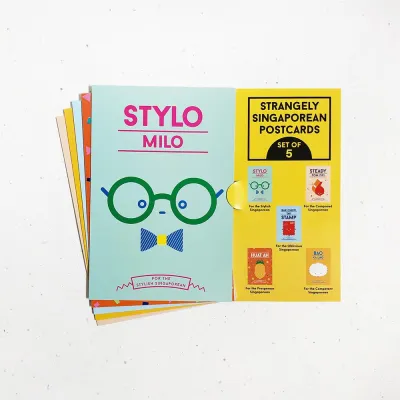
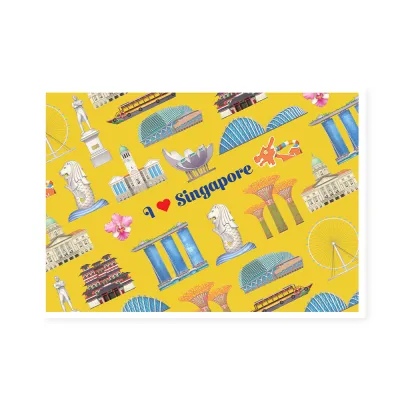
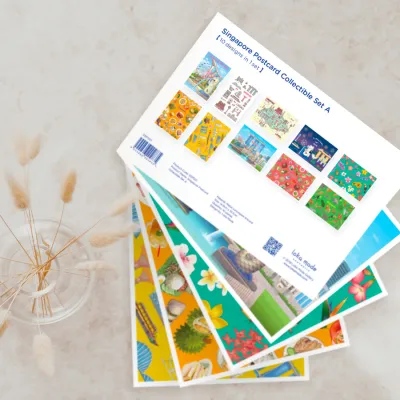
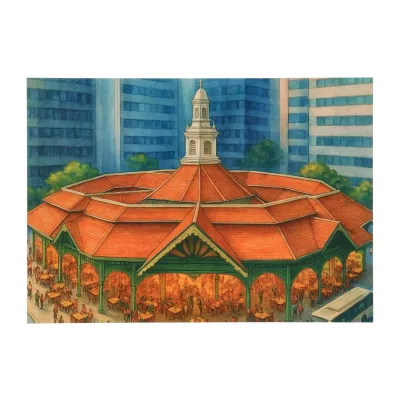

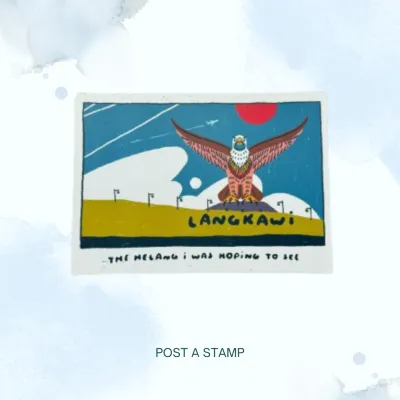
Prices are valid at publication and may change. Please refer to the product page for the latest price.
Paper Weight and Texture
The weight of the paper is the most critical factor in determining a postcard’s durability. Paper weight is measured in grams per square meter (GSM). Standard postcards should ideally be printed on cardstock that is at least 250 GSM, though premium brands often use 300 GSM to 350 GSM paper.
When handling a postcard in a shop, check its rigidity by gently holding it by one corner; it should remain flat and not droop. The texture, or finish, of the paper also affects the writing experience. Uncoated or matte-coated cardstock on the reverse side is highly desirable because it absorbs ink quickly, preventing smudges when you write your message.
Print Clarity and Finish
A premium postcard features sharp, vibrant imagery without any signs of pixelation, color bleeding, or banding. Inspect the print quality closely, especially in high-contrast areas or fine text.
The finish on the front of the card can vary based on the design aesthetic:
- Matte Finish: Offers a modern, glare-free look that is excellent for illustrations and minimalist designs. It is highly resistant to fingerprints.
- Glossy Finish: Enhances color saturation and depth, making it ideal for vivid landscape photography and bold graphic art. However, it can attract fingerprints and scratches if not treated with a protective UV coating.
- Satin or Silk Finish: Provides a subtle sheen that balances the benefits of both matte and glossy surfaces, offering a smooth feel and excellent color reproduction.
Standard Dimensions
To ensure your postcard can be mailed without issues, it must conform to standard postal dimensions. The most common international standard is the A6 size, which measures approximately 148mm by 105mm.
Cards that are excessively large, heavy, or oddly shaped (such as square or die-cut designs) often require additional postage and manual sorting. Always check the dimensions on the packaging or measure the card to ensure it fits within standard mailing limits before purchasing.
Material Sourcing and Sustainability
As environmental awareness grows, many premium stationery brands in Singapore are transitioning to sustainable production methods. Look for eco-friendly indicators on the packaging, such as the Forest Stewardship Council (FSC) certification, which guarantees the paper comes from responsibly managed forests.
Additionally, some independent brands use recycled post-consumer waste paper or print their cards using soy-based inks. These sustainable practices not only reduce the environmental footprint but often result in unique, textured paper characteristics that add character to the postcard.
Matching Postcard Styles to Specific Occasions
The visual style of a postcard sets the tone for your message. Matching the design aesthetic to the specific occasion or recipient makes the greeting feel thoughtful and personalized.

Travel and Local Greetings
For tourists, expats, or locals sending mail to friends overseas, postcards featuring local landmarks and cultural motifs are highly popular. Look for brands that move beyond generic tourist photography and instead offer artistic interpretations of Singapore’s heritage.
Illustrations of historic shophouses, local culinary favorites like durian or laksa, and iconic architectural marvels capture the unique spirit of the city. These designs serve as both a greeting and a small piece of local art that the recipient can display.
Birthdays and Celebrations
Personal milestones call for vibrant, cheerful, and expressive designs. For birthdays, anniversaries, or festive holidays, look for postcards featuring playful illustrations, hand-drawn typography, or humorous concepts.
Bright color palettes and whimsical characters work well for casual relationships and close friends. These cards focus on delivering joy and energy, making them a great accompaniment to a gift or a standalone surprise in the mailbox.
Thank-You Notes and Formal Messages
When expressing professional gratitude or sending a formal message, the design should be understated and elegant. Opt for minimalist layouts, clean typography, or delicate botanical illustrations.
Cards printed on textured paper, such as linen or cotton blends, convey a sense of prestige and respect. Neutral color schemes, subtle pastel tones, or simple geometric patterns keep the focus on your handwritten words while maintaining a sophisticated presentation.
Where to Find Reliable Postcard Brands and Retailers in Singapore
Singapore offers a diverse retail landscape for stationery enthusiasts, ranging from curated physical boutiques to online creator platforms.
Independent Stationery and Lifestyle Boutiques
For those who appreciate unique, small-batch designs, independent lifestyle boutiques are excellent places to explore. These shops are often located in creative hubs such as Tiong Bahru, Haji Lane, or the Bras Basah district.
Boutique owners curate selections from local illustrators and niche international stationery brands. Shopping at these locations allows you to feel the paper quality firsthand and discover exclusive designs that are not available in mass-market retail chains.
Museum, Gallery, and Heritage Gift Shops
If you are looking for culturally significant or artistic postcards, visit the gift shops of major cultural institutions, such as the National Museum of Singapore or the National Gallery Singapore.
These shops stock high-quality postcards featuring historical archives, local fine art prints, and exhibition-themed designs. The print quality at these venues is typically exceptional, as the cards are produced to represent the institutions’ collections accurately.
Online Marketplaces and Local Creator Platforms
To support local artists directly, explore online marketplaces, creator portfolios, and local e-commerce platforms. Many independent illustrators run their own direct-to-consumer online stores where they sell curated postcard sets.
Buying directly from creators often gives you access to limited-edition prints and personalized packaging. When shopping online, read the product descriptions carefully to verify the paper weight (GSM) and dimensions, as you cannot physically inspect the card before purchasing.
DIY and Custom Postcard Solutions for Personalized Greetings
When commercial designs do not quite fit your vision, creating your own custom postcards offers a highly personalized alternative that recipients will deeply appreciate.
Sourcing Blank Heavy Cardstock
To start your DIY project, you need to source high-quality blank cardstock. Look for pre-cut blank cards that match standard postcard dimensions (A6).
Ensure the paper is rated at 300 GSM or higher to provide the necessary rigidity for mailing. If you plan to use watercolors, calligraphy ink, or markers, select watercolor paper or mixed-media cardstock that can handle wet mediums without warping or bleeding.
Printing Personal Designs
If you prefer digital art or photography, you can print your designs at home or use a local digital print shop.
- Home Printing: Check your printer's manual to confirm its maximum paper weight capacity. Many standard home inkjet printers cannot feed paper thicker than 220 GSM without jamming. Use high-quality print settings and pigment-based inks to ensure longevity and water resistance.
- Professional Printing: For the best results, upload your designs to a local digital print shop. They can print on heavy cardstock, apply professional finishes (like matte lamination), and ensure precise cutting.
Adding Personal Embellishments
Elevate your custom postcards by adding tactile, handmade details. Consider using custom rubber stamps, archival ink pads, or hand-lettered calligraphy to decorate the card.
If you wish to use wax seals, apply them with care. Because automated postal sorting machines can scrape off raised embellishments, it is best to place a wax-sealed postcard inside a protective envelope rather than mailing it exposed.
Mailing Standards and Practical Tips for Sending Postcards
To guarantee that your carefully selected or crafted postcard reaches its destination safely, you must adhere to local and international postal guidelines.
Verifying Postal Size Requirements
In Singapore, standard postage rates apply to cards that fall within specific size and weight limits. Generally, postcards must be rectangular and fit within the following dimensions:
- Minimum Size: 140mm x 90mm
- Maximum Size: 240mm x 162mm
- Thickness: Between 0.2mm and 2mm
Cards that exceed these dimensions or have irregular shapes will be classified as packages or non-standard mail, requiring higher postage fees.
Layout and Writing Space
The back of your postcard must be organized correctly to facilitate automated sorting. Divide the back of the card into two main sections:
- Left Side: Reserved for your personal message.
- Right Side: Reserved for the recipient's address and the postage stamp. The address should be written clearly in block letters.
- Bottom Margin: Leave a clear space of at least 15mm at the very bottom of the card, as postal sorting machines print routing barcodes in this area.
Protection During Transit
While postcards are designed to be mailed uncovered, certain delicate designs require extra protection. If your card features delicate foil accents, hand-painted elements, or a glossy finish prone to scratching, consider placing it inside a clear plastic sleeve or a rigid paper mailer.
Using a protective envelope ensures the card arrives in pristine condition, which is especially important if the recipient intends to keep or frame the postcard as art.
Frequently Asked Questions (FAQ)
Can I use standard photo paper to make my own postcards?
Standard photo paper is generally not recommended for mailing as a standalone postcard. It lacks the necessary rigidity and is prone to curling or creasing during transit. Additionally, the glossy backing of most photo papers makes it difficult to write on without smudging, and the ink may not adhere properly. If you want to use a photograph, it is best to mount the photo onto a sturdy piece of 300 GSM cardstock before mailing.
Do postcard brands in Singapore offer bulk discounts for events?
Yes, many independent stationery brands, local illustrators, and print shops offer bulk pricing for large events such as weddings, corporate gatherings, or exhibitions. Instead of buying individual cards from retail shelves, you should contact the creators or printers directly through their websites to inquire about volume discounts or custom printing services. This approach allows you to secure cohesive designs at a more economical rate.
Community discussion
Share your experience or ask a question. Comments are reviewed before publication.