
Quick Guide to Evaluating 3D Pop-Up Card Brands
Giving a 3D pop-up card is more than sending a simple greeting; it is presenting a miniature piece of paper engineering that doubles as a keepsake. Unlike standard flat cards, a high-quality 3D card relies on structural integrity, precise cutting, and resilient materials to create a lasting impression. When evaluating different brands in the market, the primary decision factors are paper stock durability, structural engineering precision, and design relevance to the recipient.
Because the Singapore market offers a wide range of options—from premium artisan imports to mass-produced alternatives—knowing how to assess these physical characteristics is essential. This guide focuses on the technical criteria, material standards, and local sourcing channels that will help you identify reliable 3D card brands for any gifting occasion.
How to Assess 3D Card Quality and Structural Design
To ensure a 3D card stands proud on a display shelf rather than sagging or tearing, you must evaluate the physical components of its construction. The foundation of any premium card is its paper stock and weight, measured in grams per square meter (gsm). High-quality brands typically use a heavy cardstock of 250 to 300 gsm for the outer cover to provide a rigid, protective shell. The internal pop-up elements require a slightly lighter but highly resilient paper, usually between 120 and 180 gsm. If the internal paper is too thin, the structure will sag under its own weight; if it is too thick, the joints will resist folding, causing the card to buckle or fail to close flat.
Products mentioned in this guide

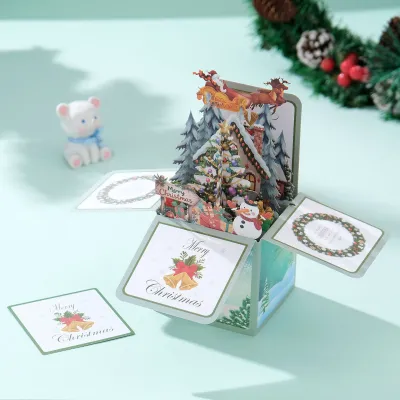

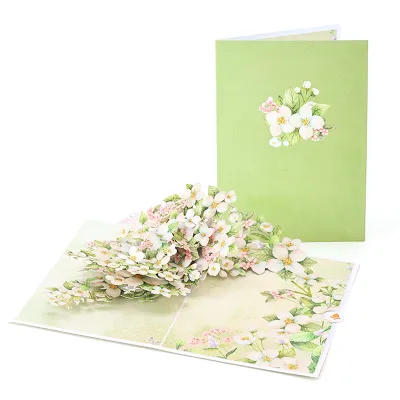
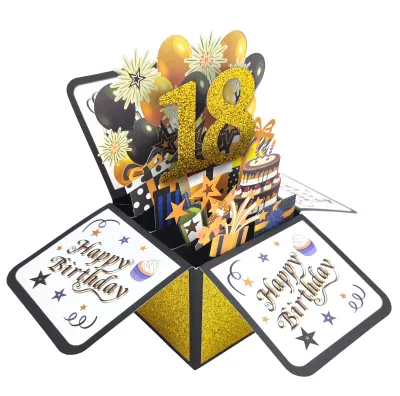
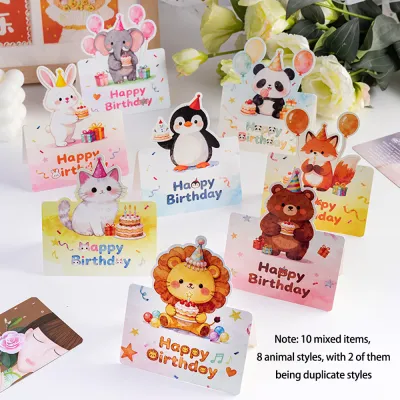
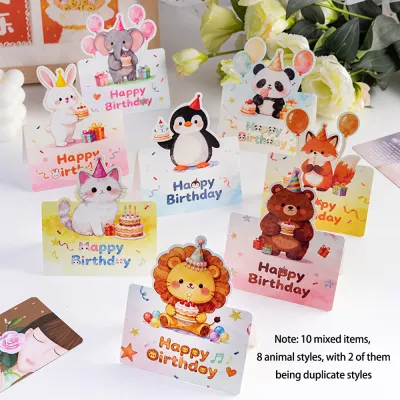
Prices are valid at publication and may change. Please refer to the product page for the latest price.

Cutting and folding precision are equally critical to the card’s longevity. Premium brands utilize advanced laser-cutting technology to achieve intricate details, such as delicate lace patterns or tiny architectural features. When inspecting a card, look closely at the edges of these cuts. High-quality laser cutting leaves clean, sharp lines without any fraying, tearing, or visible brown soot marks (charring) along the paper edges. The fold lines must be pre-creased, or scored, with absolute precision so that the paper bends exactly where intended without cracking the paper fibers.
Structural stability depends on the engineering of the paper hinges and joints. A well-designed 3D card should open smoothly to its full angle—typically 90 or 180 degrees—and fold back down completely flat without catching, snagging, or requiring you to manually tuck elements back into place. The tiny paper tabs that connect the different layers must be wide enough to withstand repeated opening and closing, yet discreet enough not to distract from the overall design.
Finally, examine the print quality and color registration. The inks used should be sharp, vibrant, and highly resistant to fading. Because these cards are often kept as long-term mementos, the print must not smudge or transfer onto opposing pages when the card is closed. Check that the printed colors align perfectly with the laser-cut shapes; any misalignment indicates poor quality control during the manufacturing process.
Matching 3D Card Styles to Specific Gifting Occasions
Selecting the right 3D card style involves matching the complexity and theme of the paper structure to the significance of the event and the personality of the recipient.
Milestone celebrations, such as weddings, graduations, or major anniversaries, call for grand, multi-layered designs that evoke a sense of wonder. For these events, look for brands that specialize in complex architectural structures—like a detailed church, a garden gazebo, or a grand university gate—or elaborate 360-degree floral arrangements. These designs often feature dozens of individual paper elements that unfold in a dramatic, sculptural display, making them feel like a substantial gift in their own right.
For personal milestones like birthdays or casual anniversaries, character-driven and hobby-specific designs are highly effective. Choose cards that feature whimsical animal scenes, miniature musical instruments, vintage vehicles, or sports themes that align directly with the recipient’s personal interests. The focus here is on playfulness and personalization, showing the recipient that you selected a design tailored specifically to their life and passions.
Professional and formal events, such as corporate achievements, retirement send-offs, or expressions of sympathy, require a more restrained aesthetic. Avoid overly bright, cartoonish, or highly complex whimsical designs. Instead, opt for elegant, minimalist pop-up structures. Geometric patterns, simple botanical silhouettes, or subtle architectural lines in sophisticated color palettes—such as navy, cream, and gold foil accents—convey a sense of professional respect and quiet elegance without feeling cluttered.
Seasonal and cultural festivals in Singapore’s multicultural landscape demand careful attention to thematic accuracy and cultural sensitivity. When choosing cards for Lunar New Year, Hari Raya, Deepavali, or Christmas, ensure the symbols used are traditional and respectful. For instance, during Lunar New Year, look for intricate cherry blossoms, traditional lanterns, or accurate representations of the annual zodiac animal. High-quality brands respect these cultural nuances, ensuring the designs are celebratory, accurate, and free from generic stereotyping.
Where to Source and Verify 3D Card Brands in Singapore
Finding a reliable 3D card brand requires knowing where to shop and how to verify the authenticity and quality of the product before making a purchase.
Specialty stationery shops and independent gift boutiques located in major retail districts—such as Orchard Road, Bugis, or Bras Basah—are excellent places to start. The primary advantage of shopping at a physical boutique is the ability to conduct a hands-on inspection. You can feel the weight of the cardstock, test the smoothness of the opening mechanism, and verify that the colors are as vibrant in person as they appear online. Physical retailers also curate their selections, meaning they have already vetted the brands for structural reliability.
For a wider selection, visiting the official websites of established papercraft brands or their authorized online storefronts is highly recommended. Sourcing directly from the brand guarantees that you are purchasing an authentic product rather than a cheap imitation. Official storefronts also provide access to the brand’s complete catalog, including seasonal releases, limited editions, and customization options such as custom-printed messages or photo inserts that may not be available in physical retail stores.
If you choose to shop on online marketplaces or e-commerce platforms, you must exercise caution to avoid low-quality knockoffs. Many unauthorized sellers copy the product photos of premium brands but manufacture the cards using thin paper, weak adhesives, and poorly calibrated cutting machines. To protect your purchase, filter for highly rated sellers, read verified customer reviews, and pay close attention to real-life photos uploaded by previous buyers rather than relying solely on polished promotional renders.
Before finalizing your purchase online, verify the seller’s credibility by checking their customer service responsiveness and return policies. Because 3D cards are fragile, they require protective packaging during transit. Reliable sellers will explicitly state how they package their items—such as using rigid, bend-proof cardboard mailers—to ensure the card arrives in pristine condition without bent corners or crushed internal structures.
Practical Tips for Mailing and Preserving 3D Pop-Up Cards
Because of their delicate, three-dimensional nature, these cards require special care when sending them through the mail and displaying them at home.
When mailing a 3D pop-up card, keep in mind that they are significantly thicker and heavier than standard flat greeting cards. When closed, a 3D card typically measures between 3mm and 8mm in thickness. In Singapore, this extra bulk means they exceed the dimensions for standard local letters. You must weigh the envelope and measure its thickness to determine the correct postage rate, as they will often be classified as non-standard mail or packages, requiring additional postage fees to avoid delivery delays.
To protect the delicate internal paper engineering from being crushed by automated postal sorting machines, never mail a 3D card in a standard paper envelope on its own. Always place the card inside a rigid cardboard mailer or a padded bubble envelope. For added security, insert a stiff piece of backing board—such as thick chipboard or corrugated cardboard—on both sides of the card’s envelope to prevent any bending or puncturing during transit.
Once the card arrives, preserving it requires managing environmental factors, particularly Singapore’s high humidity. High levels of moisture in the air can soften paper fibers over time, causing the intricate pop-up structures to sag, warp, or lose their tension. To prevent this, advise the recipient to display the card in a dry, well-ventilated area. Keep the card away from direct sunlight, which can rapidly fade the printed inks, and avoid placing it directly under air conditioning vents, where rapid temperature and humidity fluctuations can cause the paper to buckle. If the card is being stored away as a keepsake, keeping it in a sealed box with a small packet of silica gel will help absorb excess moisture and maintain its structural integrity for years.
Finally, share gentle handling instructions with the recipient if they are unfamiliar with 3D cards. Instruct them to open the card slowly, holding the outer edges of the cover, to allow the internal mechanism to unfold naturally. Forcing the card open too quickly or pulling on the delicate laser-cut elements can tear the paper joints and permanently damage the design.
Frequently Asked Questions (FAQ)
Can I write my own message inside a 3D pop-up card?
Yes, though the writing space is often more limited than in traditional flat cards due to the space occupied by the internal pop-up mechanism. To write a personal message, look for cards that feature a dedicated blank panel on the inner cover, a slide-out note tag, or a separate insert card designed specifically for handwriting. When writing your message, use a quick-drying gel pen, a fine-liner pigment pen, or a standard ballpoint pen. Avoid using heavy fountain pens, wet ink rollerballs, or permanent markers, as these can easily smudge on the smooth, coated cardstock or bleed through to the other side, ruining the card’s appearance.
Are 3D pop-up cards recyclable in Singapore?
While the primary material is paper, most 3D pop-up cards are not fully recyclable in their original state due to the presence of mixed materials. These cards often incorporate non-paper elements such as synthetic adhesives, metallic foil stamping, glitter, plastic structural supports, or electronic sound and light modules. To recycle the card responsibly under local waste management guidelines, you must carefully separate the clean, unadorned paper elements from these non-paper components. Only the plain, uncontaminated paper portions should be placed in the blue recycling bins, while any parts containing glue, foil, glitter, or electronics must be disposed of in the general waste.
Community discussion
Share your experience or ask a question. Comments are reviewed before publication.