
Finding the perfect deer-themed greeting card in Singapore requires a balance of aesthetic appreciation, material evaluation, and an understanding of where to source high-quality stationery. Whether you are celebrating a festive winter holiday, sending a warm birthday wish, or expressing heartfelt gratitude, the elegant silhouette of a deer brings a timeless, nature-inspired charm to your message. Because seasonal collections and brand availability frequently shift, the key to securing an exceptional card lies in knowing how to assess physical quality, navigate local shopping channels, and explore creative alternatives when you want a truly personalized touch.
By focusing on key construction details—such as paper weight, printing techniques, and envelope compatibility—you can easily distinguish between a standard card and a premium keepsake. This guide provides a comprehensive framework to help you evaluate greeting card quality, compare mass-market options with independent artisan designs, shop effectively within Singapore, and even create your own custom deer-themed cards using simple DIY techniques.
Key Quality Checks for Deer-Themed Greeting Cards
When selecting a greeting card, the physical and tactile experience of the recipient is just as important as the visual design. Assessing the paper weight and texture is the first step in ensuring your card feels premium and durable. High-quality greeting cards typically utilize cardstock with a weight of 250 to 350 GSM (grams per square meter), which allows the card to stand upright on a desk or mantelpiece without bowing or folding under its own weight. Cotton blends offer a soft, luxurious texture that absorbs ink beautifully, while textured kraft paper provides a rustic, organic backdrop that naturally complements forest and wildlife motifs.
Products mentioned in this guide
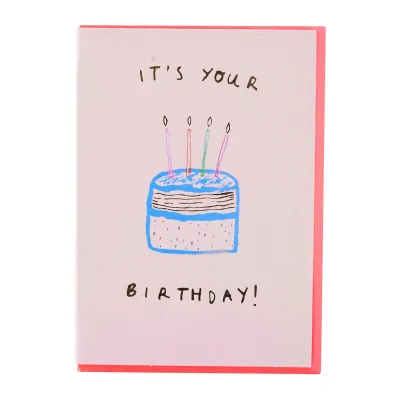
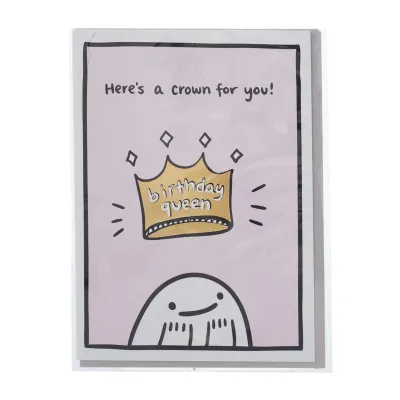
Prices are valid at publication and may change. Please refer to the product page for the latest price.
In addition to the paper itself, the printing technique used for the deer illustration significantly influences the card’s overall impact. Premium cards often feature specialty finishes that add physical depth to the design. Foil stamping uses heat and pressure to apply metallic foil—such as gold, silver, or copper—to highlight the intricate details of a stag’s antlers or the delicate spots of a fawn, creating a beautiful contrast against matte paper. Letterpress printing leaves a deep, tactile debossed impression in thick cotton paper, while embossing raises the design above the surface, inviting the recipient to run their fingers over the artwork.
Do not overlook the quality and sizing of the accompanying envelope, as it serves as the first point of contact for the recipient. A premium card should always be paired with a high-quality envelope made from paper weighing at least 100 to 120 GSM to ensure it does not feel flimsy or tear during transit. Verify that the envelope matches the card’s dimensions perfectly, leaving just enough clearance (typically 2 to 3 millimeters on each side) to allow the card to slide in and out smoothly without bending the corners. Standard sizes like C6 or 5×7 inches are highly recommended, as they are widely accepted by postal services and easy to frame.
Finally, examine the interior layout of the card to ensure it aligns with your writing preferences. Many premium cards feature a completely blank interior, offering maximum flexibility for your message, while others may include a subtle, minimalist border or a small printed accent that mirrors the cover design. Check that the interior paper surface is uncoated or lightly textured; highly glossy or heavily coated papers tend to repel ink, leading to frustrating smudges and limited compatibility with fountain pens, gel pens, or calligraphy markers.
Where to Shop for Card Brands in Singapore
Singapore offers a diverse retail landscape for stationery enthusiasts, ranging from physical boutiques where you can feel the paper quality to convenient online platforms. Exploring local independent stationery boutiques and lifestyle stores is one of the most rewarding ways to find unique deer-themed cards. These curated shops, often located in creative neighborhoods like Tiong Bahru, Haji Lane, or within major retail malls along Orchard Road, specialize in sourcing niche artisan brands from around the world. Visiting these stores allows you to physically inspect the paper texture, appreciate the true colors of the illustrations, and discover limited-edition designs that are not widely distributed.

For those who need a card quickly or prefer a wide selection of familiar brands, large chain bookstores and dedicated gift shops located in suburban malls across Singapore are highly accessible options. These retailers carry a reliable inventory of mass-market greeting cards, particularly during major festive seasons like Christmas and New Year, when deer and forest motifs are highly popular. While the designs in these stores may be more conventional, they offer excellent convenience, standardized sizing, and consistent quality control at accessible price points.
If you prefer to shop from the comfort of your home, online marketplaces and official brand websites provide an unparalleled variety of international and regional designs. E-commerce platforms allow you to filter search results specifically for deer motifs, stags, or woodland themes, making it easy to compare dozens of styles simultaneously. When purchasing online for delivery in Singapore, always verify the seller’s ratings and read customer reviews to assess the actual print quality. Additionally, keep an eye on estimated shipping times and potential delivery fees, ensuring that the total cost in S$ remains reasonable and that the card will arrive well ahead of your intended occasion.
Mass-Market vs. Independent Artisan Brands
Deciding between a mass-market greeting card and a creation from an independent artisan brand depends largely on your budget, timeline, and how unique you want the card to be. Mass-market brands excel in affordability and immediate availability. Because they are produced in large quantities, these cards are highly cost-effective, typically priced between S$3 and S$6. They are easy to find in almost any major bookstore or gift shop, making them the ideal choice for last-minute purchases. However, because these designs are mass-produced, they can sometimes feel generic and lack the distinct artistic character of smaller print runs.
In contrast, independent artisan brands offer unique, limited-run designs that often feature hand-drawn illustrations, custom watercolor paintings, or intricate digital art. These cards are typically printed on premium, heavy-weight cardstock and may feature hand-finished details like hand-painted gold accents or hand-tied twine. While artisan cards command a higher price point—often ranging from S$8 to S$15 or more—they carry a sense of exclusivity and thoughtfulness that mass-market cards rarely replicate. The recipient is highly likely to keep and display an artisan card as a miniature piece of art long after the occasion has passed.
Environmental sustainability is another key differentiator between these two categories. Independent design studios are increasingly prioritizing eco-friendly materials and sustainable production practices. They are far more likely to use 100% post-consumer recycled paper, FSC-certified cardstock, and non-toxic, plant-based inks. Furthermore, many independent creators package their cards in biodegradable, plastic-free sleeves or omit individual plastic wrapping entirely, whereas mass-market brands often rely on single-use plastic packaging that contributes to environmental waste.
Finally, independent creators frequently offer customization or personalization services that are simply unavailable with mass-market products. If you are ordering in advance, many small studios can print a custom message inside the card, adjust the color palette of the deer illustration, or even add the recipient’s name to the cover design. This level of personalization transforms a simple greeting card into a deeply personal, bespoke gift that shows a high level of care and consideration.
DIY Alternatives for Personalized Deer Cards
If you cannot find a commercial brand that perfectly matches your vision, or if you want to present a truly one-of-a-kind greeting, creating a DIY deer-themed card is an incredibly rewarding alternative. A simple yet highly effective method is to utilize high-quality wooden stamps featuring detailed deer silhouettes or intricate antler designs. Pair these stamps with archival pigment ink pads on premium, heavy-weight blank cardstock. Pigment inks are ideal because they sit on top of the paper fibers rather than soaking in, resulting in a crisp, sharp image with minimal bleeding. You can elevate this look by applying metallic embossing powder over the wet ink and heating it with an embossing tool to create a raised, glossy metallic finish.
For a more organic, three-dimensional aesthetic, consider combining deer-themed elements with real botanical accents. You can adhere a minimalist deer sticker or a hand-stamped silhouette to the center of your card, then frame it with small, pressed fern fronds, dried pine needles, or tiny pressed flowers. Use a tiny amount of clear-drying, acid-free craft glue to secure the botanical elements to the cardstock. This technique creates a beautiful, tactile connection to nature that perfectly complements the woodland theme of the deer.
Selecting the right writing instruments is crucial to ensuring your handmade card looks polished and professional. When writing your message or drawing freehand elements on textured cardstock, opt for pigment-based fineliners, brush pens, or calligraphy markers. These pens offer excellent lightfastness and water resistance, ensuring your writing will not fade over time. Avoid using overly wet fountain pen inks or cheap dye-based markers on highly absorbent papers like cotton or kraft paper, as the ink is likely to feather along the paper fibers and bleed through to the other side of the card.
If you prefer a digital approach, you can leverage high-resolution digital design templates available online. Many independent artists sell digital download files of their deer illustrations, which you can customize with your own text using basic design software. Once your design is ready, you can print it at home using a high-quality inkjet printer set to its maximum resolution, or transfer the file to a local print shop in Singapore for professional-grade printing on premium cardstock. After printing, use a bone folder and a metal ruler to score a clean crease down the center of the card before folding, ensuring a crisp, professional edge without any cracking in the paper fibers.
Matching the Design to Your Specific Occasion
To maximize the emotional impact of your greeting card, it is helpful to match the artistic style and color palette of the deer motif to the specific event or sentiment you wish to convey. Deer are incredibly versatile symbols, and their representation can shift dramatically depending on the design elements paired with them. For winter holidays and festive year-end celebrations, look for designs that evoke warmth, coziness, and seasonal cheer. Majestic stags standing in snow-covered forests, paired with delicate snowflake patterns, pine branches, or warm metallic foil accents in gold and bronze, are perfect for conveying holiday wishes.
For everyday expressions of gratitude, birthdays, or “thinking of you” messages, a softer and more whimsical design style is often more appropriate. Minimalist line art of a gentle deer, soft watercolor illustrations of fawns in a meadow, or playful cartoon-style deer characters work beautifully for casual, heartfelt sentiments. These designs typically utilize pastel color palettes, soft greens, and warm earth tones, creating a gentle, comforting aesthetic that feels personal and approachable without being overly formal.
For formal occasions, professional acknowledgments, or milestone anniversaries, select sophisticated, abstract, or highly detailed deer motifs that project elegance and respect. Opt for muted, deep color palettes—such as forest green, navy blue, charcoal gray, or rich burgundy—combined with subtle, high-end printing techniques like blind debossing or elegant gold foil detailing. A clean, centered layout with classic typography ensures the card feels dignified and polished, making it entirely suitable for corporate clients, mentors, or formal family celebrations.
Frequently Asked Questions (FAQ)
Are eco-friendly deer-themed greeting cards widely available?
Yes, environmentally conscious greeting cards are widely available in Singapore, particularly from independent design studios and specialty stationery brands. To verify a card’s eco-friendly credentials, look for the FSC (Forest Stewardship Council) logo printed on the back of the card, which guarantees that the paper was sourced from responsibly managed forests. Additionally, many sustainable brands explicitly state that they use 100% post-consumer recycled paper, non-toxic soy- or vegetable-based inks, and plastic-free, compostable sleeves made from plant starch rather than traditional plastic packaging.
How can I ensure the ink won't smudge on textured card paper?
To prevent ink from smudging on textured or premium cardstock, always perform a quick test write on a hidden corner of the card or on a spare scrap of similar paper before writing your final message. Opt for quick-drying gel pens, ballpoint pens, or pigment-based fineliners, which dry much faster than liquid ink fountain pens or heavy calligraphy inks. Once you have written your message, allow the card to sit open in a dry, well-ventilated room for at least five to ten minutes to ensure the ink has completely set before folding the card or sliding it into its envelope.
Community discussion
Share your experience or ask a question. Comments are reviewed before publication.