
Selecting a desk calendar for 2027 is an opportunity to establish a reliable, tactile system for managing your time, goals, and daily commitments. While digital tools offer convenience, a physical calendar on your desk provides a constant, glanceable reference that helps you stay anchored throughout the work day. The transition to a new year prompts many stationery brands and independent design studios to release their latest collections, making it the ideal time to evaluate your options.
A high-quality desk calendar must balance aesthetic appeal with structural integrity. Because this item will sit on your desk for an entire year, it needs to withstand daily handling, environmental exposure, and various writing instruments without degrading. By understanding the key material specifications and design features to look for, you can select a calendar that not only complements your workspace but also enhances your daily planning routine.
Key Criteria for Evaluating Desk Calendar Quality
Paper Weight and Ink Compatibility
The foundation of any premium paper product is the quality of the paper itself. When evaluating a desk calendar, pay close attention to the paper weight, which is typically measured in grams per square meter (gsm). For a calendar that you intend to write on daily, look for a paper weight of at least 120 gsm, though 150 gsm to 200 gsm is ideal for preventing ink issues. Heavyweight paper provides a sturdy feel and ensures that your writing does not easily show through to the other side of the page.
Products mentioned in this guide
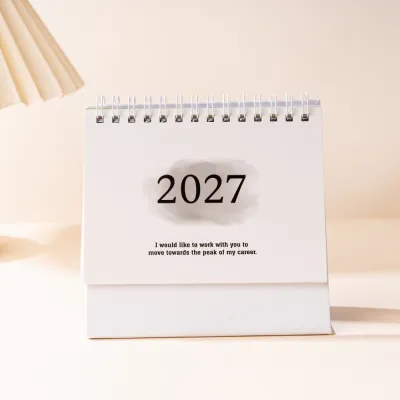
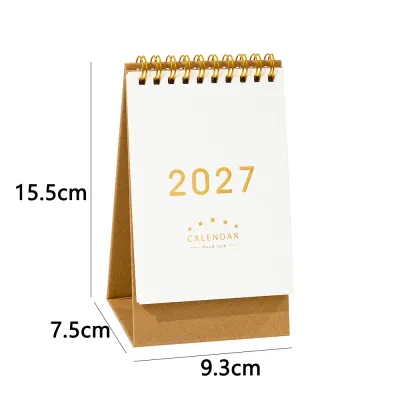
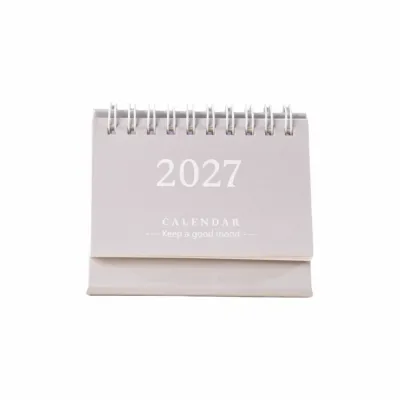
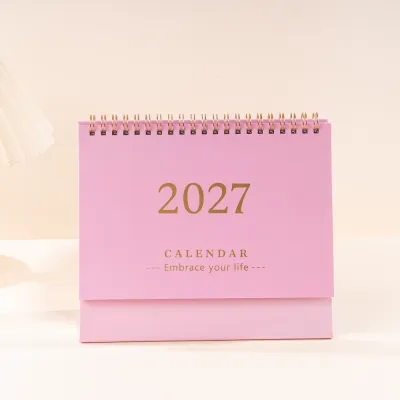
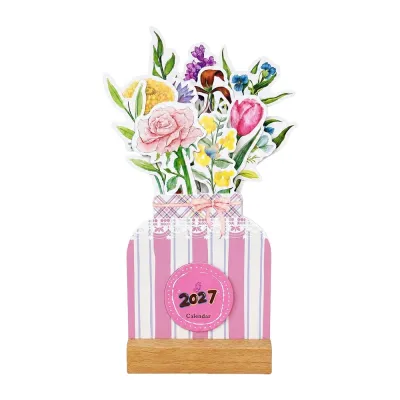
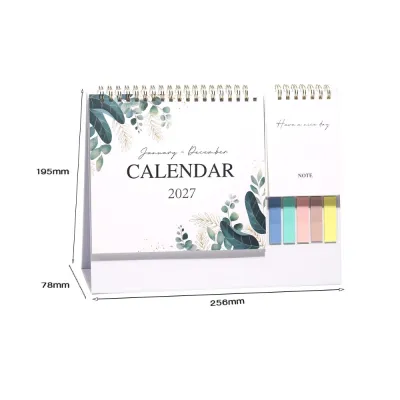
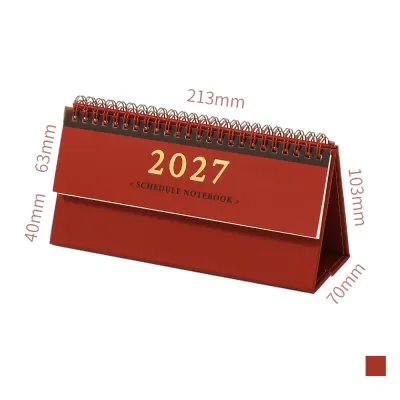
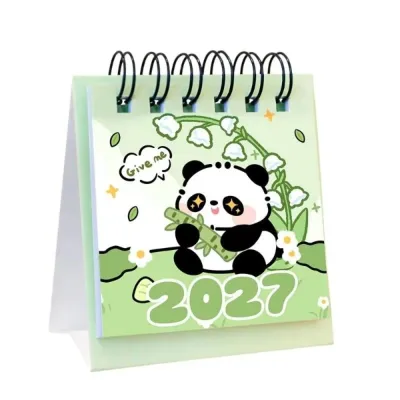
Prices are valid at publication and may change. Please refer to the product page for the latest price.
The interaction between your writing instrument and the paper surface is crucial for a smooth planning experience. If you prefer using fountain pens, gel pens, or heavy markers, standard thin paper will often suffer from feathering—where the ink spreads along the paper fibers—or bleed-through, which ruins the subsequent month’s page. To verify ink compatibility, look for specifications indicating bleed-resistant or fountain pen friendly paper. If you are shopping in a physical stationery boutique, you can perform an observable trial by gently touching the paper to assess its texture; a smoother finish generally reduces tip drag and speeds up ink drying times, while a slightly textured surface offers more tactile feedback.
Binding Durability and Base Stability
The binding mechanism determines how easily you can flip through the months and whether the calendar will lie flat on your desk. Twin-loop wire binding, often referred to as wire-o binding, is the standard for high-quality desk calendars. This mechanism allows the pages to turn a full 360 degrees without creasing or tearing, ensuring that the calendar remains neat throughout the year. Check that the wire is made of a rigid, coated metal rather than flexible plastic, which can easily warp or bend out of shape under pressure.
Equally important is the stability of the calendar’s base or stand. A standing desk calendar relies on a triangular tent frame to remain upright. This frame should be constructed from thick, heavy-duty chipboard or cardboard to prevent sagging. In humid climates, such as Singapore, paper products naturally absorb moisture from the air over time. A flimsy cardboard stand will gradually soften and buckle under the weight of the pages, causing the calendar to slide or fall over. Look for bases wrapped in textured, water-resistant book cloth or those featuring a solid wooden stand, which provide superior structural support and resist environmental wear.
Physical Dimensions and Spatial Footprint
Before purchasing a calendar, measure your available desk space to determine the ideal physical dimensions. Desk calendars come in various sizes, ranging from compact A6 formats to expansive A4 or custom panoramic layouts. A large calendar offers spacious date grids for detailed scheduling, but it can quickly crowd a compact workspace, leaving little room for your keyboard, mouse pad, or laptop.
Consider how the calendar’s footprint interacts with your daily workflow. If your desk is often cluttered with reference materials or dual monitors, a slim, horizontal panoramic calendar that sits directly beneath your monitor may be the most space-efficient choice. Conversely, if the calendar is your primary planning tool, a larger A5 or square format positioned next to your keyboard ensures that your schedule remains highly visible and easily accessible for quick notes.
Design and Layout Features to Look For
Grid Formats and Planning Space
The layout of the calendar pages should align directly with your personal planning habits. Most desk calendars feature a monthly grid format, which is excellent for tracking long-term deadlines, holidays, and major events. When examining the grid, consider the size of the individual date boxes. If you have busy days with multiple appointments, look for grids that maximize the writing area by minimizing border margins. Some designs include faint horizontal lines or dot-grid patterns within each date box to help keep your handwriting neat and organized.

For more detailed task management, look for layouts that offer dedicated space beyond the standard date grid. Many high-quality calendars include sidebars or bottom margins for weekly goals, habit trackers, or general notes. This extra space allows you to keep your action items separate from your scheduled appointments, turning a simple date tracker into a comprehensive productivity tool.
Visual Styles and Workspace Aesthetics
A desk calendar is a highly visible element of your office decor, meaning its visual style should match your professional or personal environment. Minimalist designs featuring clean, sans-serif typography and generous white space are ideal for corporate settings, as they reduce visual clutter and promote a sense of order. These layouts prioritize legibility, making it easy to scan your schedule from a distance.
If you prefer a warmer, more creative workspace, look for calendars designed by independent illustrators or design studios. These often feature unique color palettes, custom typography, or monthly illustrations that add a touch of personality to your desk. However, ensure that the artistic elements do not overshadow the functional aspects of the calendar; the date grid should always remain clear and easy to read under standard office lighting.
Functional Additions and Regional Customizations
Small, thoughtful design details can significantly enhance the usability of a desk calendar. Look for features such as perforated pages, which allow you to cleanly tear off past months without damaging the binding or leaving messy paper scraps behind. Mini reference calendars showing the preceding and succeeding months on the current page are also highly useful, saving you from constantly flipping back and forth to check dates.
Additionally, verify the inclusion of regional holiday markers and cultural details. A calendar designed for a global audience may omit local public holidays, which can lead to scheduling conflicts. If you are planning your year around specific local events, school terms, or long weekends, ensure the calendar includes these markers. Some specialized designs also feature practical additions like moon phases, Julian dates, or week numbers, which can be highly beneficial for specific professional industries.
Evaluating Calendar Brands and Design Studios for 2027
Distinguishing Between Brand Types
As you begin shortlisting options for 2027, it helps to understand the different types of brands offering desk calendars. Large-scale stationery manufacturers are known for their consistent production quality, standardized layouts, and widespread availability. These brands often use highly automated manufacturing processes, resulting in precise binding and uniform paper quality at an accessible price point.
Specialized planner brands focus heavily on paper engineering and functional layouts. These companies often design their calendars to integrate seamlessly with their existing planner systems, using premium, proprietary paper stocks that are highly resistant to ink bleed-through. Independent design studios, on the other hand, prioritize unique aesthetics, tactile paper textures, and limited-edition prints. While these calendars may carry a higher price tag, they offer a level of craftsmanship and artistic value that mass-produced options cannot match.
Researching Historical Quality and Feedback
Because 2027 collections are newly released, you may not find immediate reviews for the specific edition you want to buy. In this case, you can gauge a brand’s expected quality by researching customer feedback on their 2025 and 2026 collections. Look for recurring comments regarding the durability of their paper and binding over a full twelve-month cycle.
Pay close attention to user reviews that mention whether the paper yellowed over time, if the wire binding began to uncoil, or if the stand lost its rigidity after a few months of use. Brands that consistently receive positive feedback for their material choices and structural design in previous years are highly likely to maintain those standards for their 2027 releases.
Verifying Official 2027 Releases
When shopping online, it is easy to accidentally purchase outdated stock if you do not carefully verify the product details. Retailers often discount remaining 2026 calendars as the new year approaches, and these listings can look remarkably similar to the upcoming 2027 editions. Always double-check the product title, cover design, and detailed specifications to ensure the calendar is strictly for the year 2027.
To avoid confusion, visit the brand’s official website or social media channels to confirm their official 2027 release announcements. Many premium brands announce their upcoming collections in the late third quarter or early fourth quarter of the preceding year. Verifying the official cover art and layout designs on the manufacturer’s site allows you to cross-reference and confirm that the item you are purchasing from a third-party retailer is the genuine, updated edition.
Where to Buy and What to Verify Before Checkout
Comparing Retailer Options
Purchasing directly from a brand’s official online store is the most reliable way to guarantee authenticity and access their complete range of 2027 designs. Official stores also provide direct customer support should you encounter any issues with your order. However, shipping fees can sometimes be high, especially if the brand is based overseas. While budget options exist, premium desk calendars typically range from S$15 to S$40, reflecting the cost of high-gsm paper, sturdy book-cloth stands, and custom design work.
To save on shipping or to physically inspect the calendar before buying, consider visiting authorized local stationery boutiques or specialty bookstores. These retailers curate high-quality brands and allow you to feel the paper weight and test the stand’s stability in person. If you choose to shop on general online marketplaces or ecommerce platforms, carefully verify the seller’s credentials. Look for official brand storefronts or highly rated distributors to ensure you do not receive a counterfeit or poorly printed copy.
Essential Cart and Edition Checks
Before finalizing your purchase, perform a thorough check of your shopping cart. Confirm that the selected calendar is indeed the 2027 edition and not a clearance item from a previous year. Additionally, verify the regional edition of the calendar. Many international brands produce different versions of the same calendar tailored to specific regions, featuring localized public holidays and starting days of the week (such as a Sunday-start versus a Monday-start layout).
If you are purchasing a calendar for use in a professional setting, ensuring the correct regional holidays are marked is essential for avoiding scheduling errors. Take a moment to review the product images or description to confirm that the calendar’s holiday markers align with your local calendar.
Shipping, Packaging, and Return Policies
Because desk calendars are made of paper and cardboard, they are highly vulnerable to damage during transit. Bent corners, creased pages, or a crushed stand can ruin the appearance of a new calendar before it even reaches your desk. Before checking out, review the retailer’s packaging standards. Reputable stationery sellers typically ship calendars in rigid cardboard mailers or boxes with protective bubble wrap to prevent shifting during transit.
If you are pre-ordering a 2027 calendar ahead of its official release date, confirm the estimated shipping timeline to ensure it will arrive before the start of the new year. Finally, review the retailer’s return and exchange policy. Ensure they offer a straightforward process for replacing items that arrive damaged, misprinted, or with binding defects, giving you peace of mind as you prepare your workspace for the year ahead.
Frequently Asked Questions (FAQ)
When do 2027 desk calendars typically go on sale?
Most stationery brands and design studios begin releasing their 2027 desk calendars between August and October of 2026. This period often includes pre-order phases where you can secure limited-edition designs before they sell out. Full stock availability on online marketplaces and in local retail stores typically peaks between November and December, making it the best time to shop for the widest variety of options.
How can I prevent a desk calendar from curling or falling over?
To prevent the pages of your desk calendar from curling, keep it away from areas with high humidity, direct sunlight, or air conditioning drafts, which can cause paper fibers to warp. Ensure the triangular stand is fully extended on a flat, stable surface to maintain its balance. When transitioning to a new month, tear off perforated pages slowly and carefully from one side to the other, rather than pulling them downward, to avoid putting unnecessary strain on the wire binding or stand.
Community discussion
Share your experience or ask a question. Comments are reviewed before publication.