
Quick Answer: Core Criteria for Your First Oil Paint Set
Selecting your first oil paint starter set can feel overwhelming due to the sheer variety of brands, grades, and mediums available. To begin painting successfully, a starter set must include a balanced palette of at least five essential colors, a few stiff-bristled brushes, a basic mixing palette, and a properly primed surface.
When evaluating options, prioritize student-grade paints from established manufacturers over generic, unbranded kits. Look for clear labeling that indicates pigment codes and lightfastness ratings rather than vague color names. A reliable beginner set does not need to be expensive, but it must provide predictable mixing behavior so you can master fundamental color theory without frustration.
Essential Components Every Starter Set Should Include
A complete oil painting setup requires several core tools to function. When browsing starter sets, ensure the kit contains a thoughtful selection of colors rather than an excessive array of pre-mixed shades. A highly practical beginner palette consists of a split-primary system: a warm and cool version of yellow, red, and blue, along with a large tube of white.
Products mentioned in this guide
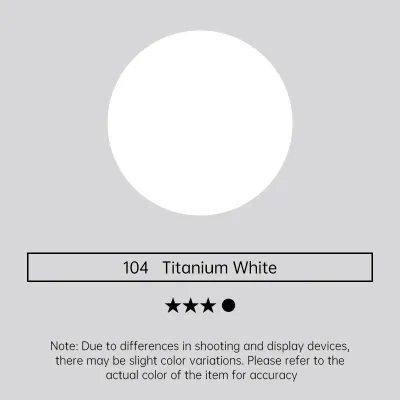
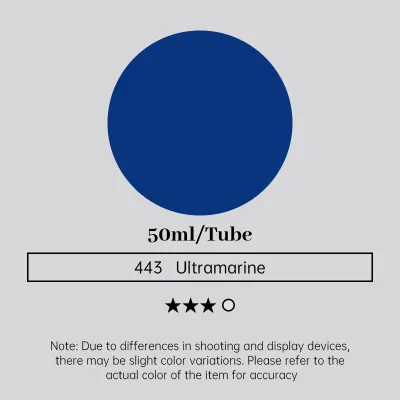
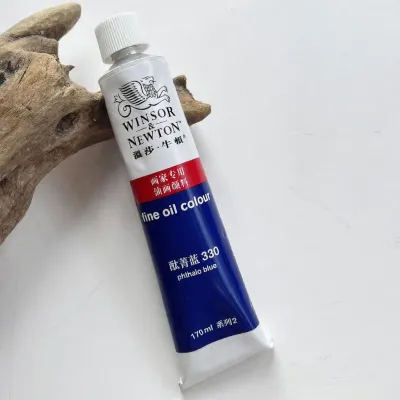
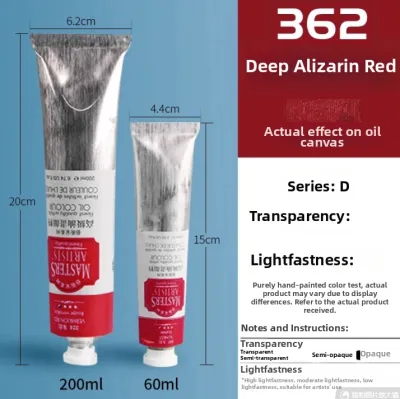
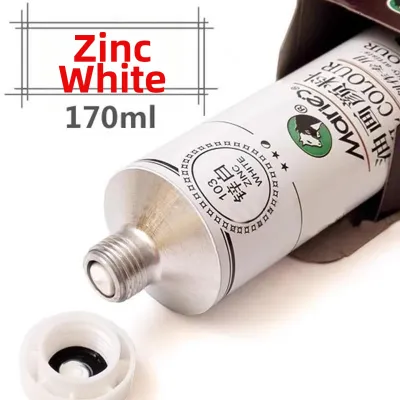
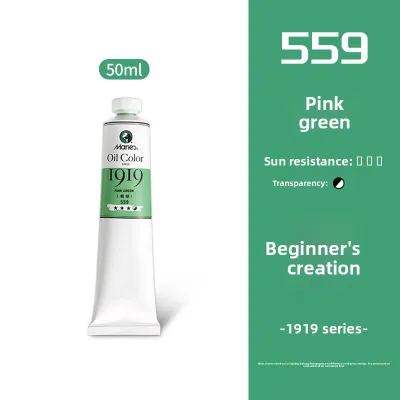
Prices are valid at publication and may change. Please refer to the product page for the latest price.

For a minimal budget, a five-color starter palette is highly effective: Titanium White, Cadmium Yellow Hue, Cadmium Red Hue, Ultramarine Blue, and Burnt Umber. Titanium White is the most frequently used color for tinting and opacity, so look for sets that offer a larger tube of white compared to the other colors. Earth tones like Burnt Umber are invaluable for underpainting and quickly neutralizing vibrant mixtures.
Beyond the paint itself, the brushes included in a set dictate how well you can control the medium. A starter kit should feature at least three distinct brush shapes:
- Flat brushes: Ideal for broad coverage, bold strokes, and sharp geometric edges.
- Filbert brushes: Feature a curved tip that is excellent for soft blending and organic curves.
- Round brushes: Designed with a pointed tip for sketching, detail work, and fine lines.
A mixing surface is another non-negotiable component. Look for kits that include a sturdy wooden, plastic, or disposable paper palette. Avoid sets that lack a palette knife; this tool is essential for mixing paint on your palette. Using a brush to mix thick oil paint wastes significant amounts of pigment trapped in the bristles and damages the delicate hair structure over time.
Finally, verify the included painting surfaces. Beginners often find canvas boards or heavy-duty oil painting paper more approachable than large stretched canvases. These surfaces must be pre-primed with gesso to prevent the linseed oil in the paint from seeping into the substrate, which causes the fibers to rot and degrade over time.
Quality Markers: Reading Oil Paint Labels and Grades
Understanding how to read paint tubes is the most reliable way to assess quality before making a purchase. Art supplies are generally divided into student-grade and professional-grade categories. Student-grade paints (often labeled as “Academy,” “Studio,” or “Winton”) are formulated to be affordable for learners. They achieve this by replacing expensive, rare pigments with synthetic alternatives—labeled as “hues”—and using a higher proportion of binders and fillers. While professional paints offer richer pigment loads, student-grade paints are highly suitable for mastering basic techniques.
To evaluate the quality of a student-grade paint, look closely at the back of the tube for pigment codes. These codes consist of letters and numbers, such as PW6 for Titanium White, PY37 for Cadmium Yellow, or PB29 for Ultramarine Blue. Single-pigment paints, which list only one code on the label, mix much more predictably than multi-pigment mixtures. If a starter set contains tubes with three or four pigments listed per color, your mixed colors are highly likely to turn muddy and dull.
Lightfastness is another critical marker, indicating how well the paint resists fading when exposed to light over time. Look for the ASTM international standard rating on the tube. ASTM I represents excellent lightfastness, while ASTM II indicates very good resistance. Avoid any paints that lack these ratings or use proprietary, unverified grading systems.
Lastly, observe the consistency of the paint if possible. High-quality oil paint should have a buttery, cohesive texture that holds its shape when squeezed onto a palette. If the paint is runny, separates into clear oil and pigment, or feels excessively gritty, it indicates an imbalance of binder and filler, which will make smooth application difficult.
Evaluating Included Brushes, Mediums, and Surfaces
The accessories included in pre-packaged kits vary wildly in quality. Oil paint is a heavy, viscous medium that requires robust tools. Standard watercolor brushes are far too soft and will lose their shape immediately under the weight of oil paint. Ensure the kit includes brushes made from stiff natural hog bristle or high-quality synthetic fibers designed specifically for heavy-bodied paints. These fibers must have enough spring to push the heavy paint across the canvas and retain their shape after repeated washings.
Mediums and solvents are used to alter the drying time, viscosity, and gloss of oil paint. Traditional oil painting relies on the “fat over lean” rule: early layers should be thin and fast-drying (lean), while later layers should contain more oil (fat) to prevent cracking. A basic starter set should include a small bottle of refined linseed oil, which acts as a medium to increase gloss and slow drying times.
Solvents, such as odorless mineral spirits (OMS), are used to thin paint for initial washes and to clean brushes. Because solvents release volatile organic compounds, they must be handled with care. If you paint in a small home studio or a space with limited ventilation, look for water-soluble oil paint starter sets instead. These innovative paints can be thinned and cleaned with ordinary water, eliminating the need for harsh chemical solvents entirely.
When evaluating the included surfaces, check the label for priming specifications. A reliable canvas or board should be marked as “triple-gessoed” or “primed for oil painting.” If you use an unprimed surface, the oil will sink into the support, leaving the pigment dry, chalky, and prone to flaking off.
Pre-Packaged Kits vs. Assembling a Custom Beginner Set
Many beginners instinctively reach for pre-packaged wooden box sets because they look professional and convenient. However, these kits often contain unnecessary filler items that inflate the price without adding real value. For example, a kit might include a dozen tiny 12ml tubes of paint, half of which are highly specific colors you will rarely use, alongside low-grade brushes that shed hairs onto your canvas.
In Singapore art supply shops, a pre-packaged beginner oil paint set typically ranges from S$30 to S$80. While a S$30 kit seems economical, you may quickly find yourself needing to replace shedding brushes or buying extra tubes of white paint within your first week of practice.
Assembling a custom starter set is often a more cost-effective and rewarding approach. With a budget of approximately S$60 to S$80, you can purchase a curated selection of high-quality materials that will last much longer:
- Five 37ml tubes of reputable student-grade oil paint: Titanium White, a yellow, a red, a blue, and Burnt Umber (approximately S$30 to S$40).
- Two high-quality brushes: A size 4 flat and a size 6 filbert made of synthetic or hog bristle (about S$15 to S$20).
- A small bottle of refined linseed oil: For thinning paint and adjusting drying times (S$8 to S$12).
- A pack of three canvas boards: Sturdy, pre-primed surfaces for practice (S$10).
By choosing your own components, you ensure that every dollar spent goes toward usable, high-performing materials rather than decorative wooden boxes or redundant plastic tools.
Frequently Asked Questions (FAQ)
Do I need professional-grade paints to learn oil painting techniques?
No, professional-grade paints are not necessary for beginners. Student-grade paints are highly effective for learning brushwork, color mixing, and layering rules. While professional paints have a higher pigment concentration and greater tinting strength, student-grade options allow you to practice freely without worrying about the cost of wasting expensive materials. As you gain confidence, you can gradually upgrade your most frequently used colors to professional grade.
How should I safely handle and store oil painting solvents at home?
Always work in a well-ventilated room with open windows or an exhaust fan to minimize inhalation of solvent fumes. Store all solvents in tightly sealed glass or metal containers away from direct sunlight and heat sources. Most importantly, dispose of solvent-soaked rags with extreme care. Because drying oils oxidize and generate heat, crumpled rags soaked in oil or solvent can spontaneously combust. Lay rags flat to dry completely outdoors, or submerge them in water inside a sealed metal container before disposal.
Community discussion
Share your experience or ask a question. Comments are reviewed before publication.