
Selecting the right ribbon for flower bouquets in Singapore requires a careful balance of aesthetic appeal, material durability, and moisture resistance. Because fresh floral arrangements are inherently damp and subjected to frequent handling, choosing a ribbon based solely on color or brand name can lead to structural failure, color bleeding, or unsightly fraying. To ensure a professional and long-lasting presentation, florists and hobbyists must evaluate ribbons through a systematic framework of material specifications, edge construction, and sourcing verification.
By understanding how different fabrics interact with moisture and wrapping paper, you can make informed purchasing decisions that elevate your floral designs. Whether you are preparing a delicate bridal bouquet or a robust hand-tied arrangement, verifying the technical properties of your ribbons ensures they remain pristine from the design table to the recipient’s hands.
Key Criteria for Evaluating Ribbon Quality
When assessing ribbon brands for floral use, the material composition is the most critical factor governing how the ribbon behaves when exposed to water. Fresh flower stems are typically prepped, hydrated, and sometimes wrapped in wet packaging (wet packs) to maintain freshness. Standard ribbons made from low-grade synthetic blends or non-colorfast dyes can absorb this moisture, causing the fabric to sag, lose its luster, or bleed dye onto the wrapping paper and light-colored petals. To prevent this, look for ribbons made from 100% double-faced polyester satin or high-density nylon. Polyester is naturally hydrophobic, meaning it resists water absorption and maintains its structural integrity and sheen even when in direct contact with damp stems.
Products mentioned in this guide
![[SG Seller] 25mm Satin Edged Organza Gift Box Wrapping Ribbon Cake Box Ribbon Flower wrapping Ribbon 5m](https://img.lazcdn.com/g/p/4886b9f7b04316723066e64a0b1ed7c7.png_400x400q80.png_.webp)
![[SG STOCK] 50Pcs/Set Solid Ribbon Bow Satin for Gifts Wrapping Flowers DIY Craft Decoration](https://img.lazcdn.com/g/p/2efc1b7d2f596d60d0adfbd69b821892.jpg_400x400q80.jpg_.webp)
Prices are valid at publication and may change. Please refer to the product page for the latest price.
Before purchasing, you can perform a simple colorfastness test to verify dye quality. Dampen a small section of the ribbon with water and rub it firmly against a clean, white cotton cloth. If any pigment transfers to the cloth, the ribbon is prone to bleeding and should not be used for fresh floral arrangements. Additionally, inspect the weave density of the fabric. A tight, dense weave prevents the ribbon from snagging on thorns or woody stems, ensuring a smooth, professional finish.
Ribbon width and length specifications must be matched precisely to the scale of the bouquet. Standard floristry ribbon widths generally range from 6 millimeters to 50 millimeters. Small, delicate arrangements, such as nosegays or single-stem presentations, are best complemented by narrow ribbons measuring 9 millimeters to 15 millimeters. Medium-sized hand-tied bouquets typically require a 25-millimeter ribbon to create a balanced bow, while large, cascading bridal bouquets or massive 99-rose arrangements demand substantial 38-millimeter or 50-millimeter ribbons to provide proportional visual weight. When calculating purchasing needs, note that standard commercial ribbon rolls are usually sold in lengths of 20 to 50 yards (approximately 18 to 45 meters), which offers better value and consistency than short retail spools.
Edge finishing is another vital structural consideration that dictates how a ribbon shapes and holds a bow. Wired ribbons feature a very thin, flexible copper or iron wire woven into the outer edges, allowing you to sculpt dramatic, voluminous loops that resist gravity, wind, and transport. These are highly recommended for large, structured bows or outdoor event arrangements. Unwired ribbons, on the other hand, rely entirely on the natural drape of the fabric, making them ideal for soft, cascading tails that flutter gently. Ensure the edges of unwired ribbons are finished with a high-quality woven selvedge rather than a cheap heat-cut edge, as woven edges are significantly more resistant to splitting and fraying under tension.
Matching Ribbon Materials to Bouquet Styles
Matching the texture and visual weight of a ribbon to the specific style of a flower bouquet is essential for creating a cohesive design. Satin and silk ribbons are the traditional choices for elegant, formal, or wedding bouquets. Double-faced polyester satin provides a brilliant, high-gloss sheen on both sides, ensuring that the ribbon looks immaculate from every angle. It drapes beautifully, creating heavy, luxurious folds and classic, structured bows. Genuine silk ribbons, particularly hand-frayed habotai silk, offer a contrasting matte, organic texture with soft, feathered edges. Silk drapes with unmatched fluidity, making it highly sought after for romantic, fine-art bridal bouquets. However, because genuine silk is highly absorbent and delicate, it must be handled with dry hands and kept away from direct water contact to avoid water spotting.

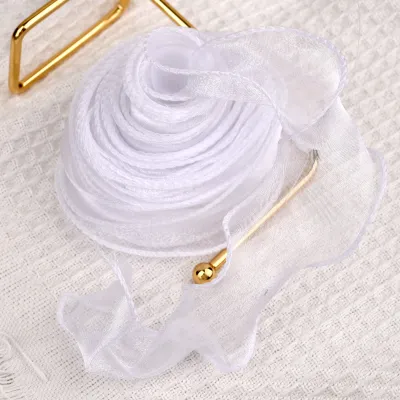
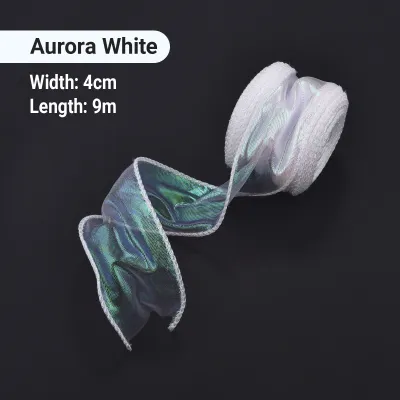
For lightweight, romantic, or rustic arrangements, chiffon and organza ribbons offer a delicate, airy aesthetic. Chiffon is a semi-translucent, matte fabric that provides a soft, dreamy appearance, making it perfect for pastel-colored spring bouquets featuring peonies, ranunculus, or hydrangeas. Its lightweight nature allows it to cascade elegantly without overpowering delicate blooms. Organza, while also sheer, possesses a distinct stiffness and a subtle shimmer. This structural stiffness allows organza to hold its shape well, making it excellent for creating voluminous, multi-layered bows that add dimension and light-catching texture to romantic arrangements without adding physical weight.
When designing casual, wildflower, or eco-friendly bouquets, natural fibers like cotton, linen, and burlap (jute) are highly effective. Cotton and linen ribbons provide a clean, minimalist, and modern matte finish that complements field flowers, herbs, and foliage-heavy designs. Burlap offers a coarse, highly textured, and rustic appeal that pairs exceptionally well with sunflowers, dried florals, or native blooms. While these natural fibers excel in aesthetic warmth, they are highly hydrophilic. They will rapidly absorb water from wet stems, which can lead to limpness or mold if left damp for extended periods. When using these materials, always ensure the stems are thoroughly dried or wrapped in a protective waterproof barrier before applying the ribbon.
Sourcing Reliable Ribbon Suppliers in Singapore
Finding high-quality ribbon brands in Singapore involves exploring both physical retail districts and specialized online platforms. For those who prefer to inspect materials in person, Singapore’s traditional textile and craft hubs offer excellent sourcing opportunities. Visiting established haberdashery and craft stores in districts like Chinatown (particularly around People’s Park Centre) and Arab Street allows you to physically feel the weight of the ribbon, test its drape, and verify color accuracy under natural light. Physical inspection is highly recommended when trying to match a ribbon color precisely to a specific flower variety or wrapping paper shade, as digital screens often distort colors.
When sourcing ribbons from online marketplaces and e-commerce platforms, a systematic evaluation process is necessary to ensure quality. Avoid generic listings that lack detailed specifications. Instead, prioritize sellers who provide comprehensive product descriptions, including the exact material composition (such as 100% polyester), fabric weight, and high-resolution close-up photographs of the ribbon edges. Carefully read customer reviews, filtering for feedback regarding “color bleeding,” “fraying,” or “stiffness.” Reliable online suppliers often cater specifically to the floristry, packaging, or wedding industries and will offer bulk purchasing options, which significantly reduces the cost per meter.
To verify brand authenticity and material claims, look for manufacturers that provide clear product labeling and technical specifications. Reputable ribbon brands often publish color charts and material data sheets detailing colorfastness ratings and washing tolerances. If you are sourcing in bulk for a professional business, consider requesting sample swatches from suppliers. This allows you to run preliminary water-resistance and fraying tests before committing to a large order, ensuring that your inventory meets professional standards and will not fail during a client delivery.
Techniques for Wrapping and Securing Floral Ribbons
Applying and securing ribbons to a flower bouquet requires precise technique to prevent damaging the delicate stems or wasting premium materials. To calculate the correct ribbon length for a standard hand-tied bouquet, use a simple formula: measure the circumference of the stem bundle where it will be bound, multiply this measurement by the number of wraps you intend to make (typically three to four wraps for structural stability), and add 40 to 60 centimeters to accommodate the bow loops and tails. For most standard bouquets, a total length of 1.5 to 2 meters is sufficient. Pre-measuring and cutting the ribbon before wrapping prevents you from working with an awkward, heavy roll, reducing the risk of dropping the bouquet during the binding process.
Always use dedicated, professional-grade fabric shears when cutting ribbons. Using household paper scissors will crush the fabric fibers rather than slicing them cleanly, leading to immediate fraying along the cut edge. To enhance the visual presentation and minimize fraying, cut the ribbon ends at a sharp 45-degree angle or create a classic chevron (V-cut). These angled cuts reduce the surface area of exposed cross-threads, making the ribbon ends significantly more stable and polished than a standard straight cut.
To secure the ribbon firmly without damaging the flowers, start by binding the stems with waterproof floral tape. This tape acts as a secure, non-slip foundation and prevents the ribbon from sliding down the stems. Wrap the ribbon tightly over the floral tape to completely conceal it. To fasten the ribbon ends, insert pearl-headed floral pins upward at an angle directly into the stems, ensuring the sharp points are safely buried within the center of the stem bundle. Avoid using hot glue or harsh chemical adhesives directly on fresh stems, as the heat and chemicals can cause localized tissue necrosis, causing the flowers to wilt prematurely. If the ribbon begins to absorb moisture or show signs of color bleeding during the wrapping process, stop immediately, dry the stems thoroughly, and reapply the ribbon over a protective layer of clear plastic wrap.
Frequently Asked Questions (FAQ)
How do I prevent ribbon edges from fraying after cutting?
To prevent ribbon edges from fraying, the sealing method must match the specific fiber content of the ribbon. For synthetic ribbons, such as polyester satin or nylon organza, you can use a low heat source to carefully melt and seal the raw edges. Hold a lighter flame approximately one centimeter away from the cut edge and pass it quickly along the fabric; the heat will fuse the synthetic fibers together. Always perform this in a well-ventilated area, test on a scrap piece first to determine the material’s heat tolerance, and never let the flame touch the fabric directly. For natural fibers like silk, cotton, or linen, heat sealing will burn the fabric rather than melt it. Instead, apply a very thin layer of clear fabric sealant or clear nail polish along the cut edge, or use sharp pinking shears to create a zigzag cut that naturally resists unraveling. If a ribbon is already severely frayed, discard the damaged section rather than attempting temporary repairs, as frayed edges compromise the professional look of the bouquet.
Can I reuse ribbons from previous bouquets?
Reusing ribbons is highly feasible and eco-friendly, provided the fabric has maintained its structural integrity. Before reusing a ribbon, inspect it thoroughly for water stains, mold, permanent creases, or physical damage. Synthetic ribbons like polyester satin can be restored by hand-washing them in cool water with a mild detergent, rinsing thoroughly, and laying them flat to dry. Once dry, iron the ribbon on a low-heat setting, placing a thin pressing cloth between the iron and the ribbon to prevent scorching or melting. Do not attempt to reuse ribbons that have compromised wired edges, severe fraying, permanent adhesive residue, or water-soluble dye stains, as these defects cannot be repaired and will detract from the aesthetic quality of your new floral arrangement.
Community discussion
Share your experience or ask a question. Comments are reviewed before publication.