
Selecting the right milk cotton 4 ply yarn in Singapore requires a careful balance of material analysis, project matching, and smart sourcing. With a vast array of unbranded and branded options available across local craft shops and online marketplaces, crafters must look beyond attractive packaging to evaluate the physical properties of the fiber. In Singapore’s warm, humid climate, the choice of yarn directly impacts not only the crafting process but also the comfort, durability, and maintenance of the finished item. By understanding how to inspect fiber blends, assess twist consistency, and verify seller reliability, you can confidently choose a yarn that elevates your knitting or crochet projects.
Understanding the Traits of Milk Cotton 4 Ply Yarn
Milk cotton yarn is a popular composite fiber that typically blends natural cotton with synthetic acrylic and milk-derived casein protein fibers. This unique combination is engineered to merge the best characteristics of each component. The cotton content provides essential breathability, structural strength, and moisture absorption, which are highly desirable properties for items worn in tropical climates. The acrylic portion introduces loft, elasticity, and lightweight warmth, preventing the finished fabric from becoming too heavy or sagging under its own weight. Meanwhile, the milk fiber contributes a characteristic silky sheen, a smooth hand-feel, and enhanced softness that mimics the texture of premium natural fibers.
The term “4 ply” historically referred to the number of individual strands spun together to form the yarn, but in modern crafting, it serves as a standardized weight classification. Typically categorized as a “Fine,” “Sport,” or “Fingering” weight yarn, 4 ply milk cotton is generally worked using 2.5mm to 3.5mm knitting needles or crochet hooks. This thickness is highly favored because it strikes an ideal balance between speed of crafting and delicate stitch definition. The resulting fabric is lightweight enough to remain comfortable in warm environments while still providing enough substance to showcase intricate stitch patterns, cables, or textured ribbing clearly.
Products mentioned in this guide
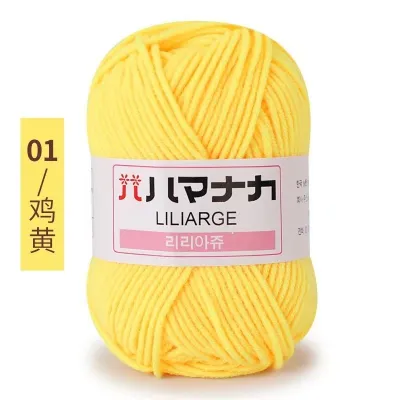
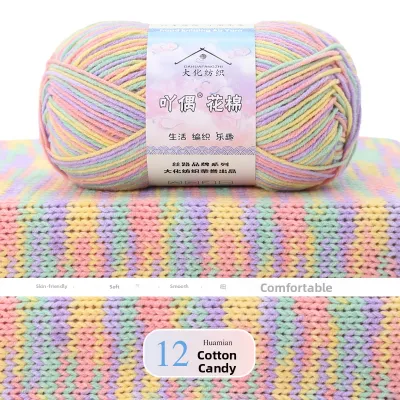
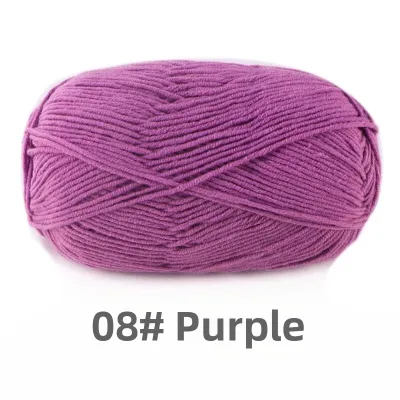
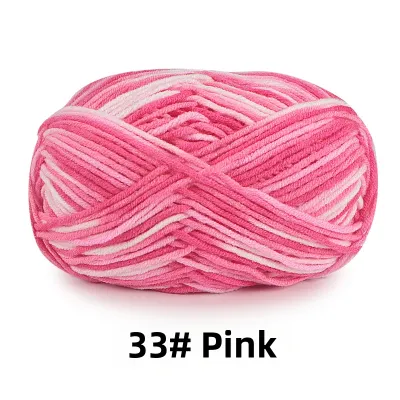
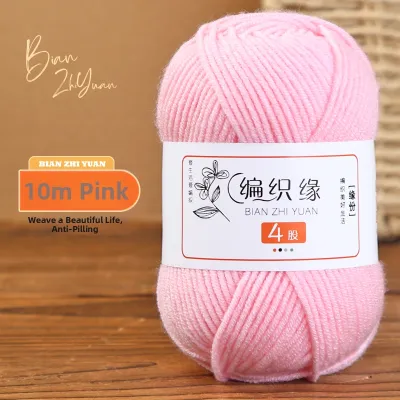
Prices are valid at publication and may change. Please refer to the product page for the latest price.
Because of these balanced structural properties, 4 ply milk cotton is exceptionally versatile. It is a staple material for amigurumi—the Japanese art of knitting or crocheting small, stuffed yarn creatures—because the blend holds its shape well and resists showing the stuffing underneath when worked at a tight gauge. Additionally, its signature softness makes it a preferred choice for baby blankets, booties, and lightweight garments that come into direct contact with sensitive skin. For adult wearables, accessories like shawls, and home decor items like decorative coasters, this yarn offers a reliable, budget-friendly medium that performs consistently across various techniques.
Key Criteria for Evaluating Yarn Quality and Value
To determine whether a specific brand of milk cotton 4 ply yarn is worth your investment, start by examining the exact fiber percentages listed on the product label. Manufacturers vary widely in their blend ratios; some yarns may contain up to 80% cotton and 20% milk protein, while others are predominantly acrylic with only a small fraction of cotton. A higher cotton percentage yields a cooler, more breathable fabric with excellent stitch definition, making it ideal for Singapore’s climate. Conversely, a higher acrylic or milk fiber ratio increases the yarn’s softness, elasticity, and resistance to wrinkling, which is beneficial for garments that require a gentle drape and easy machine washing.

Next, physically inspect the twist and ply consistency of the yarn strand. A high-quality milk cotton yarn features a uniform, balanced twist throughout the entire skein. If the twist is too loose, the individual plies will easily separate or “split” when your needle or hook passes through them, which slows down your work and creates untidy stitches. If the twist is too tight, the yarn may feel stiff, and the finished fabric might bias or slant to one side. Run a few meters of the yarn through your fingers to check for consistent thickness; avoid brands that exhibit frequent slubs, thin spots, or knots, as these structural defects compromise both the strength and appearance of your project.
Colorfastness and dye lot consistency are equally critical factors when evaluating value. When purchasing multiple skeins for a single project, always verify that the dye lot numbers printed on the labels are identical. Even minor variations in chemical concentrations or water temperature during the dyeing process can cause noticeable color bands in your finished fabric. To test a new brand’s colorfastness, especially with deep or vibrant shades, moisten a small sample of the yarn and press it firmly against a white paper towel or scrap fabric. If the dye transfers, the yarn may bleed during washing, which can ruin multi-colored designs or stain other garments.
Where to Source and Verify Yarn in Singapore
Sourcing milk cotton 4 ply yarn in Singapore involves choosing between local brick-and-mortar craft shops and online marketplaces. Physical retail stores offer the invaluable advantage of sensory evaluation; you can touch the yarn to assess its true softness, inspect the colors under natural lighting, and check the structural integrity of the skeins firsthand. However, local shops may carry a more limited color palette or charge higher prices due to retail overheads. Online marketplaces and specialized craft platforms provide access to a vast global inventory and highly competitive pricing, but they require you to rely on digital images and descriptions rather than physical touch.
When shopping online, you can mitigate purchasing risks by thoroughly verifying seller ratings and customer feedback. Look for detailed reviews from other crafters that specifically address the yarn’s texture, splitting tendencies, and color accuracy compared to the product listings. Avoid listings with vague descriptions, missing fiber composition details, or consistently poor ratings regarding shipping times and packaging quality. It is also wise to review the seller’s return and exchange policies, ensuring you have a clear path of recourse if you receive damaged skeins, incorrect colors, or mismatched dye lots.
Singapore’s tropical climate and high relative humidity introduce specific storage challenges that you must consider when sourcing yarn. Excess moisture in the air can cause natural fibers like cotton and milk protein to absorb dampness, leading to musty odors, mold growth, or weakened fibers. When purchasing from physical stores, observe whether the yarn is stored in dry, well-ventilated, and air-conditioned spaces. When buying online, inspect the packaging upon arrival; yarn should ideally be sealed in protective plastic bags. Once at home, store your yarn collection in airtight plastic containers with silica gel packets to protect your investment from humidity and pests.
Matching Yarn Properties to Your Knitting Projects
To achieve the best results, you must align the specific physical properties of your chosen milk cotton 4 ply yarn with the requirements of your project. When crafting baby garments or items for individuals with sensitive skin, prioritize blends that emphasize softness and washability. Look for yarns that carry recognized safety certifications, such as the OEKO-TEX Standard 100, which verify that the textile has been tested for harmful substances. Because baby items require frequent laundering, ensure the label specifies that the yarn can withstand gentle machine washing without excessive pilling or losing its shape.
For amigurumi and structured home decor items, structural stability and stitch definition are the primary requirements. For these projects, select a milk cotton yarn with a higher cotton content and a tighter, more robust twist. The higher cotton ratio provides the necessary stiffness to help the stuffed toy or decorative item maintain its shape over time. A tight twist also prevents the yarn from splitting when you use a smaller hook size to create the dense, tight stitches required to keep the polyester stuffing completely contained and invisible from the outside.
If your goal is to knit or crochet lightweight summer wearables, accessories, or flowing garments, focus on drape and breathability. A blend with a higher percentage of milk fiber or acrylic will yield a softer, more fluid fabric that drapes beautifully around the body. These blends feel exceptionally smooth against the skin and offer a subtle sheen that enhances the visual appeal of lace patterns or simple stockinette stitches. For these items, working with slightly larger needles or hooks can create a more open, breathable fabric that is perfectly suited for layering in Singapore’s warm climate.
Frequently Asked Questions (FAQ)
Does milk cotton yarn shrink after washing?
Yes, milk cotton yarn can experience shrinkage, primarily because of its cotton content, which naturally contracts when exposed to water and heat. The exact amount of shrinkage depends on the specific fiber blend ratio and the water temperature used during washing. To prevent your finished project from losing its shape or size, always refer to the care instructions on the yarn label, which typically recommend hand washing in cool water and laying the item flat to dry. To ensure precise sizing, knit a small gauge swatch, measure it, wash it according to your planned care routine, and measure it again once dry to calculate any dimensional changes before starting your main project.
Is 4 ply milk cotton suitable for making winter sweaters?
A 4 ply milk cotton yarn is generally not the best choice for high-insulation winter garments intended for freezing climates. Because cotton is a breathable, heat-conducting fiber, it tends to keep the wearer cool rather than trapping body heat. While the acrylic component in the blend adds some warmth, a 4 ply weight is relatively thin and better suited for lightweight spring or summer layers, or for indoor wear in air-conditioned environments. If you are knitting a sweater specifically for cold-weather travel, you should consider heavier yarn weights, such as 8 ply or worsted, or opt for fiber blends that incorporate wool, alpaca, or thermal synthetic fibers designed to trap heat.
How can I prevent my milk cotton yarn from splitting while knitting?
Yarn splitting can be minimized by adjusting your tools, tension, and technique. First, choose knitting needles or crochet hooks with slightly rounded or blunt tips rather than sharp, pointed ends, as sharp tips are more likely to pierce between the individual plies of the yarn. Second, maintain a relaxed and consistent tension; pulling the yarn too tightly can force the plies to untwist and separate. Finally, pay attention to the natural twist of the yarn as you work; if you notice the plies starting to untwist, occasionally let your project hang freely from the working strand to allow the yarn to untangle and restore its natural twist balance.

Community discussion
Share your experience or ask a question. Comments are reviewed before publication.