
A good large sewing kit for beginners must strike a balance between comprehensive tool variety and reliable material quality. Instead of focusing solely on massive piece counts, a truly useful kit provides robust cutting tools, a diverse selection of hand sewing needles, durable polyester threads, and essential diagnostic aids like a seam ripper. For a beginner, the ideal kit acts as a reliable workstation that can handle everything from securing a loose button on an office shirt to repairing a hem on lightweight linen trousers.
Understanding the "Large" Sewing Kit Set Box
When shopping for sewing supplies, you will frequently encounter kits labeled as “large” or “comprehensive.” In the consumer market, a “large” sewing kit set box typically boasts a piece count ranging from 100 to over 200 items. However, it is vital to understand that these high numbers are often inflated by tiny, repetitive consumables like safety pins, spare buttons, or multiple spools of identical thread. A beginner does not need a hundred low-grade plastic threaders; instead, you need a curated selection of durable, functional tools that can withstand regular use.
The storage box itself is just as important as the tools it contains. A high-quality large sewing kit should feature a sturdy, multi-tiered or compartmentalized cantilever box, or a rigid zippered case with dedicated elastic slots. Because sewing kits contain sharp objects like needles, pins, and fabric shears, the storage container must have secure, heavy-duty latches or robust zippers to prevent accidental spills. In a humid climate like Singapore’s, a well-sealed plastic or treated wooden box also helps protect steel needles and pins from moisture-induced rust, keeping your tools in pristine condition for years.
Products mentioned in this guide
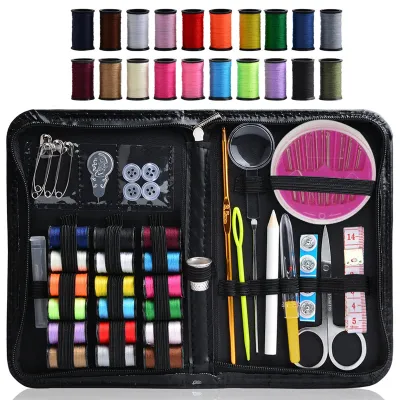
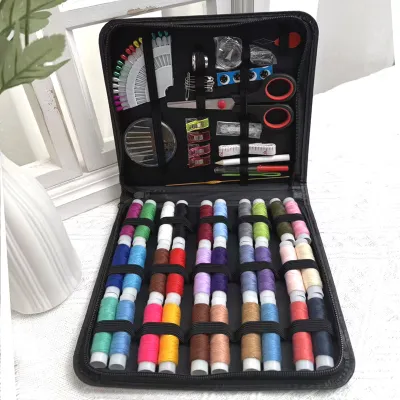
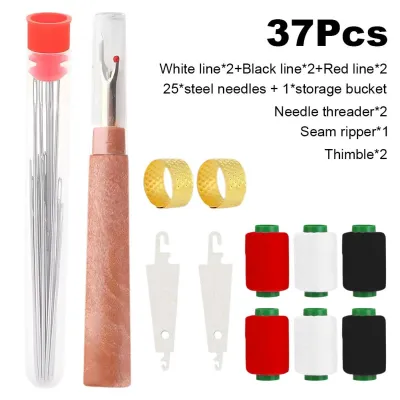
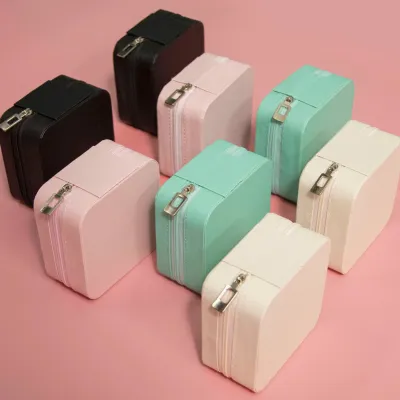
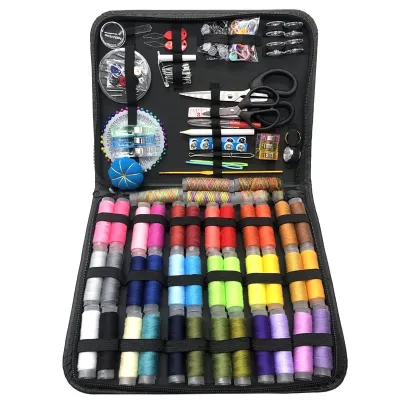
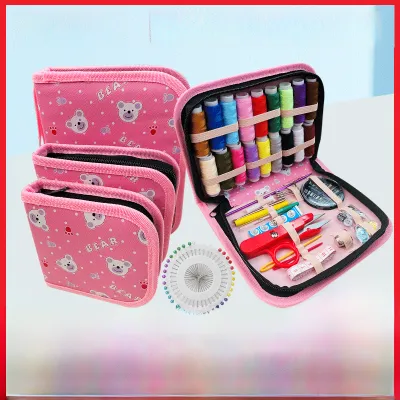
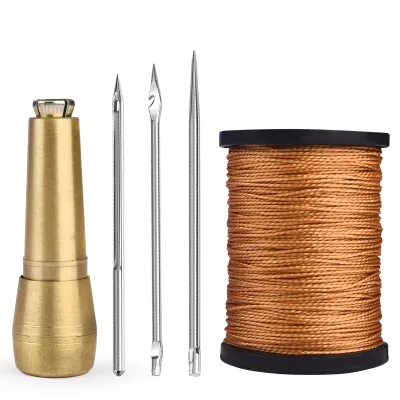
Prices are valid at publication and may change. Please refer to the product page for the latest price.
Core Essentials: Must-Have Tools for Basic Hand Sewing
Every beginner needs a solid foundation of primary tools to execute basic repairs, adjust garments, or complete simple craft projects. When evaluating a large kit, look past the sheer volume of items and examine the specifications of these core components.

Cutting and Measuring Tools
High-quality cutting tools are the backbone of any sewing project, as dull blades will chew through fabric rather than slicing it cleanly.
- Fabric Shears: A genuinely useful large kit must include dedicated fabric shears, preferably with stainless steel blades measuring at least 8 inches (20 cm). Look for shears with ergonomic, soft-grip handles that reduce hand fatigue during extended cutting sessions. Flimsy, all-plastic safety scissors are a major warning sign of a low-quality kit.
- Detail Scissors: Alongside large shears, a smaller pair of embroidery scissors or thread snips is incredibly valuable for clipping loose threads close to the fabric surface without damaging the surrounding weave.
- Measuring Tape: Accurate measurements are critical for successful alterations. Your kit should feature a flexible, dual-sided fiberglass measuring tape of at least 60 inches (150 cm) in length. Fiberglass is preferred over cheap plastic because it resists stretching over time, ensuring your measurements remain precise. Ensure the tape has clear, high-contrast markings in both centimeters and inches, secured by sturdy metal end tips to prevent fraying.
- Seam Gauge: A small metal or plastic seam gauge with a sliding pointer is an excellent addition. This tool allows you to quickly and repeatedly measure small distances, such as hem widths or buttonhole placements, without wrestling with a floppy tape measure.
Needles, Pins, and Threads
Consumables are where many low-cost kits cut corners, but they are the very items that hold your garments together.
- Hand Sewing Needles: A comprehensive kit should offer a diverse assortment of hand sewing needles housed in a secure dial compact. Look for a mix of sharps (for general sewing), darners (for mending heavier fabrics), and tapestry needles (with blunt tips and large eyes for yarn or embroidery floss). Inspect the needles closely: the eyes must be smooth and free of burrs, which can shred thread, and the shafts should be made of nickel-plated or stainless steel to prevent bending.
- Pins and Pincushions: Straight pins are essential for holding fabric layers together before you sew. Opt for kits that supply glass-head or flat-head pins rather than cheap plastic-headed ones. Glass-head pins are highly heat-resistant, meaning they will not melt if you accidentally run a hot iron over them while pressing a seam. A heavy, fabric-covered pincushion or a magnetic pin catcher is also necessary to keep these sharp items organized and off your floor.
- Sewing Threads: Thread quality directly impacts the durability of your stitches. Avoid kits that supply weak, fuzzy cotton threads that snap under minor tension. Instead, look for spools of polyester or poly-cotton blend thread. Polyester offers excellent tensile strength, minimal lint buildup, and slight elasticity, making it ideal for both lightweight cottons and heavier synthetic fabrics. A good large kit should provide a solid spectrum of neutral colors (black, white, grey, beige, navy) alongside a few vibrant primary shades.
Valuable Additions: What Makes a Large Kit Truly Comprehensive
Beyond the absolute basics, a truly comprehensive large sewing kit includes specialized secondary tools that make mending faster and less frustrating. These additions distinguish a professional-grade beginner kit from a basic emergency travel pack.
- Seam Ripper: This is perhaps the most critical secondary tool for any beginner. Mistakes are an inevitable part of learning, and a sharp seam ripper allows you to quickly undo errors without tearing your fabric. Look for a seam ripper with a comfortable, ergonomic handle and a fine, sharp point featuring a small red safety ball on the shorter tip to protect your textiles from accidental punctures.
- Thimbles: Protecting your fingers is paramount when pushing needles through dense fabrics like denim or canvas. A good kit should include at least one metal or flexible silicone thimble. Adjustable or multi-size options are ideal, as a poorly fitting thimble will slip off or restrict blood circulation.
- Buttonhole Cutter and Awl: For more advanced mending, a small wooden-handled awl is highly useful for punching neat holes in heavy fabrics, leather, or belts. A dedicated buttonhole chisel can also help you open machine-stitched buttonholes cleanly.
- Marking Tools: Transferring pattern lines or marking alteration points requires temporary, washable tools. Look for tailor's chalk, water-soluble fabric pens, or a tracing wheel with transfer paper. Always verify that these markings can be easily wiped away with a damp cloth or washed out in a standard laundry cycle.
- Fasteners Assortment: A generous selection of utility fasteners is a hallmark of a great large kit. This should include various sizes of shirt buttons, metal sew-on snaps, and classic hooks-and-eyes to facilitate quick wardrobe repairs without requiring a separate trip to a craft store.
Red Flags: Identifying Filler Items in Bulk Sewing Kits
Many online listings use high piece counts to mask poor component quality. When a kit advertises “250 pieces,” it is crucial to analyze what those pieces actually are before spending your money.
- Excessive Identical Needles: A common tactic is including fifty or sixty identical, low-grade needles of a single size. These needles are often made of soft, cheap alloys that bend or snap the moment they encounter medium-weight fabrics.
- Brittle Plastic Tools: Be wary of kits filled with cheap, clear-plastic needle threaders, flimsy plastic thimbles, and lightweight plastic seam rippers. These items are prone to cracking or snapping on their very first use, turning your "comprehensive" kit into a pile of plastic waste.
- Useless Craft Items: Some manufacturers pad their sewing kits with unrelated craft supplies to inflate the piece count. Items like colorful pipe cleaners, low-quality plastic beads, hot glue sticks, or mini safety pins have very little utility in a dedicated sewing and mending kit.
- Poor Thread Quality: Inspect the thread spools in product photos. If the thread looks excessively fuzzy, has visible lumps (slubs), or is wound loosely around tiny cardboard cores, it is filler. Low-quality thread will constantly snap in use, clog your fabric with lint, and lead to weak seams that fall apart after a single wash.
How to Verify Component Quality When Shopping Online
Because you cannot physically handle a sewing kit when purchasing from local online marketplaces or global ecommerce platforms, you must rely on strategic evaluation techniques to verify quality.
- Filter User Reviews for Durability Keywords: Do not just look at the overall star rating. Filter or search the reviews using specific keywords such as "broke," "snaps," "rust," "bent," or "flimsy." This will quickly reveal if other buyers experienced issues with the scissors failing to cut fabric or the needles snapping mid-stitch.
- Examine the Storage Box Construction: Look closely at user-uploaded photos to evaluate the storage box. Pay close attention to the hinges and latches. A cheap plastic clasp will wear out quickly, whereas a metal latch or a heavy-duty zipper on a canvas case offers far better longevity and security.
- Verify Material Specifications: Look for explicit material callouts in the product description rather than vague marketing adjectives like "premium" or "professional." A quality manufacturer will proudly state that their shears are made of "high-carbon stainless steel," their tape measure is "fiberglass," and their pins are "glass-head." If these details are missing, assume the components are made of cheaper, less durable materials.
Frequently Asked Questions (FAQ)
How many pieces should a good large sewing kit have?
A genuinely useful large sewing kit typically contains between 50 and 150 distinct, high-quality items. This range provides a comprehensive selection of tools—such as shears, various needle types, marking chalk, and a seam ripper—along with a practical assortment of threads and fasteners. Avoid kits boasting 200+ pieces that are heavily padded with cheap duplicates, as they prioritize quantity over functional durability.
Can I use a large hand sewing kit for machine sewing repairs?
A hand sewing kit is excellent for preparatory tasks like basting, marking, pinning, and finishing edges, but it is not designed to replace machine-specific accessories. Standard hand kits do not include machine needles, specialized presser feet, or bobbins wound to fit your specific sewing machine model. If you plan to transition to machine sewing, start with a high-quality hand kit for basic mending, and purchase machine-compatible accessories separately as needed.
Community discussion
Share your experience or ask a question. Comments are reviewed before publication.