
To find the right poly bag size for shipping, you must measure your product’s three-dimensional dimensions—length, width, and thickness—at its bulkiest point, then apply a formula that adds thickness and a clearance margin to both the width and length. Choosing the correct size ensures items fit securely without tearing the seams or overstretching the plastic during transit.
Using the wrong bag size can lead to damaged goods, higher shipping costs, and a poor unboxing experience for your customers. By mastering a few simple calculations and understanding how different materials behave, you can streamline your packaging process and protect your inventory effectively.
How to Measure and Calculate the Ideal Poly Bag Size
Equipping yourself with the correct measurements before purchasing packaging materials is the most effective way to prevent sizing errors. To begin, prepare your product exactly as it will be shipped. If the item needs to be folded, wrapped in protective material, or placed in an inner box, do this first so you are measuring the final shipping volume.
Products mentioned in this guide
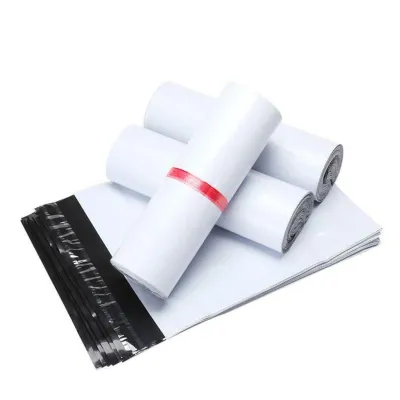
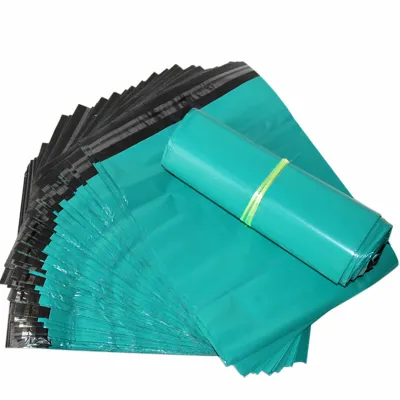
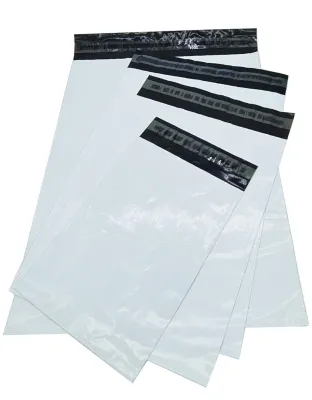
![[SG SELLER] Self Adhesive Clear OPP Transparent Packaging Poly Plastic Bag Retailer Clothes Sealing Wrap Plastic Storage](https://img.lazcdn.com/g/p/22be75670b3840eb6258305648fc2f8f.png_400x400q80.png_.webp)
Prices are valid at publication and may change. Please refer to the product page for the latest price.
Use a flexible measuring tape or a standard ruler to find the length, width, and thickness of the prepared item. Always measure at the bulkiest or thickest point. Even a small bulge in the middle of a folded garment or a protruding corner on an accessory will pull the sides of the poly bag inward, reducing the available space.
To calculate the required bag width, use the following formula: Required Bag Width = Product Width + Product Thickness + Seam Allowance
The seam allowance should be at least 15 mm to 25 mm. This extra space ensures that the side seams of the poly bag do not split when the bag stretches over the depth of your product. For highly rigid or heavy items, increasing this allowance slightly provides an extra safety margin.
To calculate the required bag length, use this formula: Required Bag Length = Product Length + Product Thickness + Flap Allowance
The flap allowance typically ranges from 50 mm to 75 mm, depending on the size of the bag and the sealing method. This allowance must remain completely free of the product’s volume so that the adhesive flap can fold over flat and seal securely against the back of the bag.
Sizing Considerations for Specific Product Categories
Different items behave uniquely under pressure, meaning a one-size-fits-all approach rarely works for shipping bags. While soft goods can compress to fit tighter spaces, rigid items require strict dimensional preservation. Adjusting your baseline calculations to match these physical properties prevents ruptured packaging and damaged goods.

Clothing and Apparel
When shipping garments, never rely on the flat, unfolded dimensions of the clothing. Always fold the item into its final shipping shape first. A folded t-shirt has a very different footprint and thickness compared to a folded winter jacket or a heavy knit sweater.
For thin items like basic cotton tees, lightweight activewear, or summer dresses, the thickness is minimal. You will only need to add a small margin of about 10 mm to 20 mm to your width and length calculations. However, bulky items like denim, outerwear, or woollen blankets expand significantly and require a much larger thickness allowance to prevent the bag from becoming too tight.
Avoid over-compressing delicate fabrics or structured garments. Forcing a bulky item into a bag that is too small can cause deep, stubborn creases or put excessive pressure on delicate seams, buttons, and zippers. If the garment is tightly stuffed, the poly bag also becomes highly vulnerable to puncturing if it encounters sharp objects during transit.
Accessories and Small Electronics
Rigid items like boxed accessories, plastic cases, or small electronic devices do not compress. Because they have fixed, hard edges, they exert concentrated pressure on specific points of the poly bag. You must add extra clearance—at least 20 mm beyond the standard formula—to prevent sharp corners from piercing the plastic during sorting and transport.
If you are shipping electronics or fragile accessories, you will likely need internal protective packaging. Whether you use bubble wrap, foam sleeves, or cardboard inserts, you must measure the product after it has been wrapped in these protective layers. A bubble-wrapped item can easily double in thickness, which dramatically increases the required bag width and length.
For sensitive electronic components, verify if you need specialized packaging, such as anti-static poly bags. These bags prevent electrostatic discharge from damaging sensitive circuitry. When sourcing anti-static options, check if their sizing runs differently or if they lack the flexibility of standard low-density polyethylene (LDPE) mailers, requiring an even more generous size margin.
Key Poly Bag Specs Beyond Dimensions
Selecting the right dimensions is only half the battle; the material specifications must also match your product’s physical demands. The thickness of a poly bag is measured in microns. For lightweight, non-abrasive items like clothing, a standard thickness of 50 to 60 microns is generally sufficient. For heavier, rigid, or sharp-edged items, look for heavy-duty bags of 75 microns or more to ensure adequate tear and puncture resistance.
Because the water resistance, seam strength, and tear resistance of poly bags depend heavily on the exact blend of low-density or high-density polyethylene, it is wise to perform a simple manual trial before committing to a bulk order. Test a sample bag by stretching the seams firmly to check for premature splitting, and apply a few drops of water over the sealed flap to verify that moisture cannot penetrate the adhesive closure.
The closure method also impacts your packaging workflow and security. Self-adhesive seals with a peel-and-stick release liner are highly efficient for high-volume packing and provide a tamper-evident seal that cannot be opened without tearing the bag. When handling self-adhesive bags in high volumes, ensure the peeled release liners are disposed of immediately in a designated bin to prevent static cling accumulation and slip hazards in your packing area. Alternatively, heat-sealable poly bags require a manual heat sealer, which creates an exceptionally strong, airtight weld but requires dedicated equipment and more processing time.
Finally, consider the opacity of the material. Opaque bags—often black or grey on the inside and white on the outside—protect customer privacy and prevent handlers from seeing high-value contents. However, if you are using the bags for internal warehousing or need to scan barcodes directly through the packaging without opening it, transparent poly bags are necessary. Ensure the plastic is clear enough to allow optical scanners to read the codes easily.
Common Sizing Mistakes to Avoid
One of the most frequent errors is purchasing poly bags based solely on the flat, two-dimensional measurements of the product. A book that is 20 cm wide and 5 cm thick will not fit into a 20 cm wide flat poly bag; the thickness pulls the sides inward, drastically reducing the available width. Always use the three-dimensional formula to account for this volume.
Another common pitfall is compromising on the flap allowance. When a bag is packed to its absolute limit, the adhesive flap is forced to stretch over the end of the product rather than folding flat against the back of the bag. This creates an incomplete seal, exposing the adhesive to dust and moisture, which can cause the bag to pop open during transit.
Lastly, if you frequently ship multiple items in a single order, do not assume they will fit into your standard single-item bags. Combining multiple garments or accessories creates a highly irregular, bulky shape. Trying to force multiple items into a single small bag leads to overstretched plastic, split seams, and ultimately wasted S$ on replacement packaging and return shipping fees. Always recalculate your dimensions for multi-item bundles or keep a selection of larger utility bags on hand.
Community discussion
Share your experience or ask a question. Comments are reviewed before publication.