
Quick Answer: Is There a Single Best Paper Quality?
Finding the absolute best paper quality for an A5 ring binder is not about finding a single winning brand. Instead, it is about matching the physical specifications of the paper to your specific writing instruments and note-taking habits. What works perfectly for a fountain pen user might cause frustration for someone who prefers quick-drying gel pens.
The primary trade-off in binder paper lies between thickness and capacity. Thicker, heavier paper prevents ink from bleeding through to the other side, but it also takes up more physical space. This reduces the total number of sheets you can carry in your binder. Conversely, thinner paper allows you to pack your binder with hundreds of pages, but it limits you to dry-ink pens like standard ballpoints.
To make the right choice, you must decide whether you prioritize a high sheet capacity or a premium, bleed-resistant writing surface. Wet-ink writers will need to seek out specialized, high-GSM papers, while everyday note-takers using ballpoint pens can opt for standard, budget-friendly refills.
Products mentioned in this guide
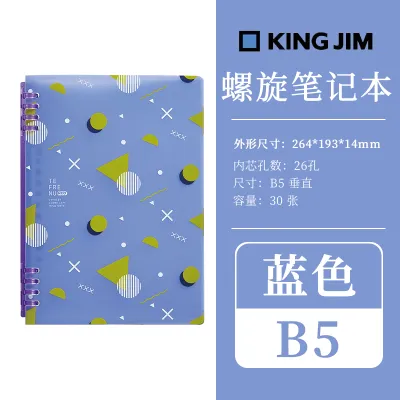
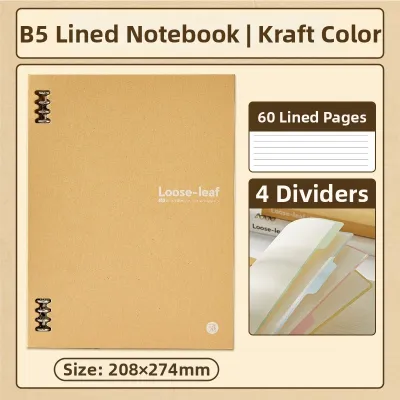
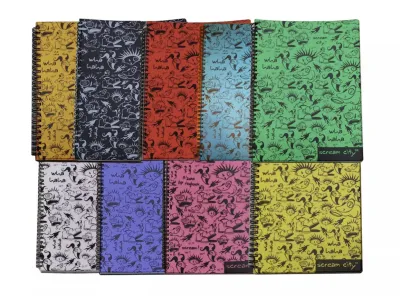
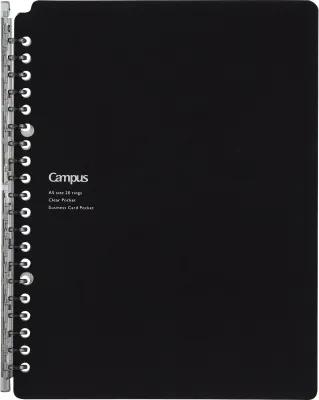
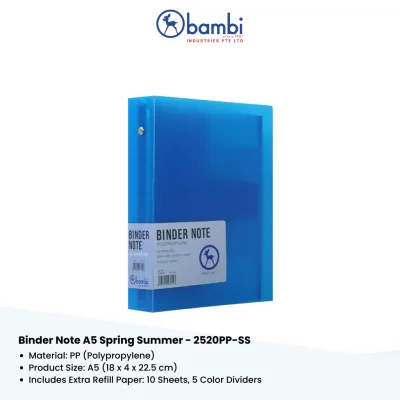
Prices are valid at publication and may change. Please refer to the product page for the latest price.
Key Paper Specifications to Check on the Label
When shopping for A5 ring binder refills in Singapore, understanding the technical specifications on the packaging will help you predict how the paper will perform. You do not need to test every pack in store if you know what these key metrics mean.

GSM (Grams per Square Meter) GSM measures the weight and density of the paper. Standard office printer paper typically ranges between 70 and 80 GSM. This weight is lightweight and economical, allowing you to maximize the number of pages in your binder, but it is prone to ghosting. Premium notebook paper usually starts at 90 GSM and can go up to 120 GSM or higher, offering excellent opacity and a substantial feel that resists ink penetration.
Paper Finish and Coating The surface texture of the paper dictates how your pen glides and how quickly the ink dries. Uncoated paper has a slight texture, often referred to as tooth, which absorbs ink rapidly and prevents smudging. Highly smooth or coated papers offer a luxurious, frictionless writing experience, but because they resist immediate absorption, wet inks will take longer to dry on their surface.
Paper Color and Brightness The shade of the paper affects visual comfort during long study or work sessions. Bright white paper provides sharp contrast, making colorful inks and highlighters stand out clearly. Off-white, cream, or ivory tones reflect less light, which significantly reduces eye strain when reading your notes under bright overhead office or classroom lighting.
Ruling and Margins Because the A5 format is relatively compact, every millimeter of writing space matters. Pay close attention to the margins near the punched holes. Refills designed with generous margins ensure your writing does not get cramped near the binder rings, while options like dotted, grid, or lined rulings help organize your layout without cluttering the page.
How Your Choice of Pen Dictates Paper Needs
Your preferred writing instrument is the single most important factor in determining which paper quality you should choose. Matching your pen’s ink delivery system to the correct paper characteristics prevents common issues like feathering, smudging, and bleed-through.
Fountain Pens and Wet Inks Fountain pens and liquid-ink rollerballs deposit a generous amount of wet ink onto the page. If the paper fibers are too loose or absorbent, the ink will spread outward, causing fuzzy lines known as feathering. To maintain clean, sharp lines, fountain pen users require high-GSM paper with specialized surface sizing that keeps the ink on the surface rather than letting it soak through.
Gel and Rollerball Pens Gel pens are popular for their smooth flow and vibrant colors, but they can easily smudge on highly coated, non-porous papers. If you write quickly or are left-handed, you need a paper that balances smoothness with moderate absorbency. Look for medium-weight papers that allow gel ink to dry within a few seconds to avoid accidental smearing.
Ballpoint and Fine Liners Standard ballpoint pens use thick, oil-based inks that dry almost instantly upon contact with the page. Because they rarely bleed or ghost, ballpoints perform exceptionally well on standard-weight, uncoated paper. If this is your primary writing tool, you can safely choose thinner, more affordable refills to maximize your binder’s storage capacity.
Highlighters and Markers Water-based highlighters and felt-tip markers can easily saturate standard binder paper, causing the ink to bleed through to the reverse side. If your note-taking style involves heavy color-coding or highlighting, you will need thicker sheets of at least 100 GSM, or you must adapt by writing only on one side of each page.
Comparing Common A5 Ring Binder Brand Categories
While individual product lines vary, understanding the general characteristics of different brand categories helps narrow down your options when browsing stationery stores or online marketplaces.
Japanese Stationery Brands Japanese manufacturers are highly regarded for their meticulous paper engineering. Their refills often feature exceptionally smooth, high-GSM paper designed specifically to handle fountain pens and wet gel inks without feathering. They also offer highly precise ruling options, such as fine grids and dotted lines. However, because specifications can vary between their budget and premium lines, always verify the exact GSM on the packaging.
Standard Office and Local Brands Standard office and local brands focus on practicality, high sheet counts, and cost-effectiveness. These refills typically feature standard 70 to 80 GSM paper with basic ruled lines. While they may not handle wet fountain pen inks well, they are highly reliable for everyday writing with ballpoint pens or pencils, making them an excellent choice for high-volume lecture notes or rough drafts.
Premium and Western Notebook Brands Premium Western brands often prioritize aesthetic appeal and tactile quality, featuring heavy-weight paper, distinct cream tones, and elegant textures. These papers offer a luxurious writing experience but can sometimes use proprietary hole-punch configurations.
Verification Step Before purchasing any refill pack, always verify the hole-punch compatibility. A5 binders are not universally standardized; they commonly use 6-hole, 20-hole, or multi-ring mechanisms. Ensure the refill pack matches your binder’s ring configuration exactly, as forcing mismatched paper into a binder will cause the pages to bind, crumple, or tear.
Decision Framework: Choosing the Right A5 Binder Paper
To make your final decision easier, use this straightforward framework to match your daily writing needs with the correct paper type:
- Choose high-GSM, coated paper if: You write with fountain pens, wet gel pens, or heavy highlighters, and you want to write on both sides of the page without ink bleeding through.
- Choose standard-GSM, uncoated paper if: You primarily use ballpoint pens, fine liners, or pencils, and your main goal is to fit as many sheets as possible into your portable A5 binder.
- Choose off-white or cream paper if: You spend long hours reading or reviewing your handwritten notes and want to minimize glare under bright overhead lighting.
- Verify first if: You plan to mix different refill brands. Check that the hole spacing and ring count (such as 6-hole or 20-hole configurations) align perfectly with your binder mechanism to prevent page binding or tearing.
Frequently Asked Questions (FAQ)
This section addresses common practical questions about selecting, using, and maintaining paper refills for your A5 ring binder.
Can I use standard A5 printer paper in my ring binder?
Yes, you can use standard A5 printer paper, provided you have a compatible hole puncher that matches your binder’s specific ring spacing. Standard printer paper is typically around 70 to 80 GSM, which works well for dry-ink pens like ballpoints. However, because printer paper is uncoated and relatively thin, it is more prone to tearing at the punched holes if the binder is overfilled or handled frequently.
Why does my gel pen smudge on premium binder paper?
Premium binder papers designed for fountain pens often feature smooth, protective coatings that prevent wet ink from absorbing too quickly and feathering. While this keeps lines sharp, it also extends the drying time for gel and rollerball inks, leading to smudges. To resolve this, look for paper labeled as quick-drying, or test a single sheet with your preferred pen before purchasing refills in bulk.
Community discussion
Share your experience or ask a question. Comments are reviewed before publication.