
To clean your laminator rollers using a GBC oil sheet, preheat your laminator to its standard operating temperature, feed the pre-treated oil sheet directly through the roller mechanism without forcing it, and gently wipe away the softened adhesive residue with a dry, lint-free microfiber cloth while the machine is still warm. This straightforward process dissolves and lifts away sticky adhesive buildup, preventing costly document jams, unsightly bubbles, and permanent roller damage.
Maintaining a clean laminator is essential for achieving professional, crystal-clear results. Over time, adhesive naturally squeezes out of laminating pouches and accumulates on the internal rollers. Utilizing specialized GBC oil sheets is the safest, most efficient way to keep your office or school laminator running smoothly without risking physical or chemical damage to the machine’s delicate internal components.
Why Clean Laminator Rollers Regularly?
During the thermal lamination process, laminating pouches are subjected to intense heat and high pressure to seal documents securely. The adhesive inside the pouch (typically made of ethylene-vinyl acetate, or EVA) melts into a liquid state to bond with the paper. As the rollers compress the pouch to squeeze out air pockets, a small amount of this liquefied adhesive naturally escapes from the edges. This issue is particularly common when laminating custom-shaped items, documents with narrow margins, or when running multiple small items through a single large pouch.
Products mentioned in this guide

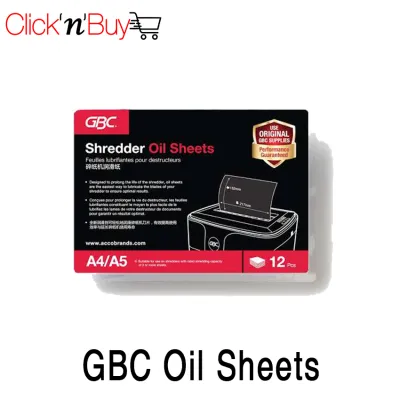
Prices are valid at publication and may change. Please refer to the product page for the latest price.
Over time, this escaped adhesive transfers directly onto the silicone or Teflon-coated rollers. With each subsequent lamination cycle, the intense heat bakes this residue, turning it into a stubborn, sticky, and hardened layer. If this buildup is left unaddressed, it creates an uneven surface on the rollers. This unevenness leads to poor pressure distribution, resulting in finished documents that suffer from cloudiness, silvering, wrinkles, bubbles, and visible streaks.
In severe cases, a thick layer of adhesive buildup can cause a laminating pouch to stick entirely to the roller instead of exiting the machine. When this happens, the pouch wraps around the roller mechanism, leading to a catastrophic jam. This type of jam often requires professional repair or can completely ruin the laminator’s heating elements and motor. Regular maintenance with GBC oil sheets dissolves this adhesive before it can harden into a destructive layer, ensuring consistent heat transfer and a smooth feed path.
Unlike harsh liquid solvents or abrasive cleaning tools, GBC oil sheets are engineered specifically for the high-temperature environment of thermal laminators. They use a precise, non-flammable, heat-stable cleaning oil that breaks down the molecular bonds of the sticky adhesive without degrading the sensitive rubber or silicone composition of the rollers. This targeted action makes them the safest preventative maintenance tool available for office and school laminating machines.
What You Need Before You Start
Before beginning the cleaning process, gather all necessary materials to ensure a smooth, uninterrupted workflow. Having the correct tools on hand prevents mistakes and ensures the laminator is cleaned safely and thoroughly.

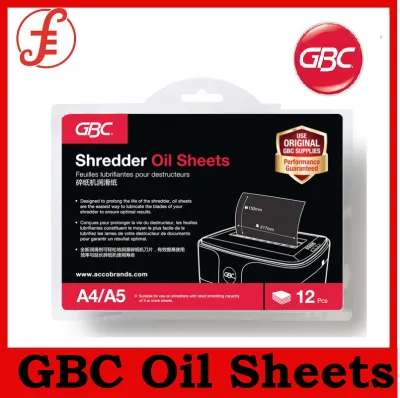
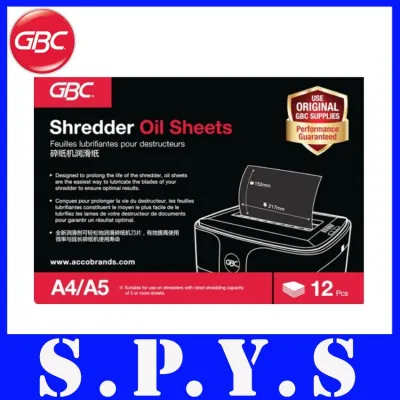
- GBC Oil Sheets: Ensure you have genuine GBC oil sheets designed specifically for thermal laminating machines. These sheets are pre-saturated with the correct dosage of cleaning oil, eliminating the guesswork associated with liquid cleaners.
- Lint-Free Microfiber Cloth: A clean, dry microfiber cloth is essential for wiping away the softened adhesive. Standard paper towels or cotton rags should be avoided, as they can leave behind lint, fibers, or paper dust that will stick to the warm rollers and cause future lamination defects.
- Laminator Carrier Pouch (If Applicable): Check your laminator's user manual to determine if your specific model requires a carrier pouch for cleaning. Some older or specialized laminators use direct heating elements that require a carrier to protect the machine's internal parts from direct contact with cleaning sheets.
- Stable Power Source: Ensure your laminator is plugged directly into a stable, grounded wall outlet. In Singapore, this means a standard 230V outlet. Avoid using overloaded extension cords, as a sudden drop in power during the cleaning cycle can cause the machine to stall mid-process, trapping the oil sheet inside the hot rollers.
Step-by-Step Guide to Using GBC Oil Sheets
Following a systematic cleaning procedure ensures that the GBC oil sheet works effectively without causing accidental jams or exposing you to hot internal components. Always consult your specific laminator’s user manual before starting, as manufacturer instructions should always take precedence over general guidelines.
Step 1: Preheat the Laminator
To begin, place your laminator on a flat, stable, and heat-resistant surface. Ensure there is ample clearance behind the machine so the cleaning sheet can exit freely without bending or hitting any obstacles. Turn on the power switch and select the appropriate temperature setting. If your laminator features a dedicated “cleaning” or “maintenance” setting, select that option. Otherwise, set the machine to the standard temperature setting you normally use for standard laminating pouches (typically between 75 to 125 microns).
Allow the laminator to heat up completely. This process usually takes between three to five minutes, depending on the model. Wait until the ready indicator light turns on or the machine signals that it has reached its optimal operating temperature. Heating the machine is a critical step because the active cleaning agents embedded within the GBC oil sheet require thermal energy to activate. The heat softens the hardened adhesive on the rollers, allowing the specialized oil to penetrate and dissolve the residue.
Never attempt to feed a GBC oil sheet through a cold laminator. Without sufficient heat, the cleaning oil will remain inactive, and the cold, hardened adhesive on the rollers will resist cleaning. Furthermore, feeding a cold, stiff sheet through cold rollers increases the risk of a physical jam, which can strip the internal drive gears or damage the motor.
Step 2: Feed the Oil Sheet Through the Rollers
Once the laminator is fully preheated, prepare the GBC oil sheet. If your laminator’s manufacturer instructions require the use of a carrier pouch, place the oil sheet flat inside the carrier, ensuring it is centered and free of wrinkles. If your machine does not require a carrier, you will feed the oil sheet directly into the feed slot.
Align the sealed or leading edge of the GBC oil sheet straight with the entry slot of the laminator. Gently insert the sheet into the feed tray until the motorized rollers grip the edge. As soon as the rollers take hold of the sheet, release your grip immediately. Let the machine pull the sheet through the roller mechanism at its own natural pace.
Do not push, pull, or force the sheet through the machine. Forcing the sheet can misalign the rollers, strip the internal gears, or cause the sheet to bunch up and jam inside the heating assembly. As the sheet passes through, the heat activates the cleaning oil, which transfers onto the rollers, breaking down and absorbing the sticky adhesive buildup.
Allow the GBC oil sheet to exit completely from the rear of the machine. Do not attempt to grab or pull the sheet as it emerges, as it will be hot and covered in softened adhesive. Once the sheet has fully exited, place it on a heat-safe surface to cool. For heavily soiled rollers, you may notice dark yellow or black streaks on the exited sheet, which indicates that a significant amount of dirt and glue has been removed. If the rollers are exceptionally dirty, you can run a second clean oil sheet through the machine, but allow the laminator to rest for a minute between cycles to prevent the motor from overheating.
Step 3: Wipe Away Loosened Residue
After the GBC oil sheet has completed its pass, turn off the laminator and, for optimal safety, unplug it from the wall outlet. While the machine is still warm, the adhesive on the rollers will remain in a softened, semi-liquid state, making it highly receptive to cleaning.
Take your dry, lint-free microfiber cloth and carefully wipe the accessible parts of the rollers. If your laminator has a removable top cover or a wide entry slot, use this access to gently wipe the roller surfaces. Rotate the rollers manually if your machine has a manual advance wheel, or turn the machine back on briefly to rotate the rollers to expose uncleaned areas, ensuring you turn the power off again before wiping.
Use gentle, sweeping motions to lift away any remaining softened glue, dust, or oil residue. Do not apply excessive downward pressure, as this can misalign the roller shaft. Once you have wiped the rollers, let the machine cool down slightly.
To verify that the rollers are completely clean and free of sticky residue, run a clean, blank sheet of standard 80gsm copy paper through the laminator while it is still warm. Inspect the paper as it exits. If the paper passes through smoothly and emerges completely clean, dry, and free of oily spots or dark streaks, your laminator is ready for normal use. If the test paper shows oily patches or picks up residual glue, repeat the wiping process or run another cleaning sheet.
Critical Mistakes to Avoid During Cleaning
When cleaning a laminator, maintaining the physical integrity of the rollers is just as important as removing the adhesive. Making a simple mistake during the cleaning process can permanently damage your machine, leading to costly repairs or requiring a complete replacement.
- No Sharp Objects: Under no circumstances should you use scissors, utility knives, razor blades, metal scrapers, or pins to scrape off hardened glue from the rollers. The rollers are coated with a delicate layer of silicone or Teflon. Even a microscopic scratch or gouge on this surface will permanently ruin the roller's ability to apply even pressure, resulting in permanent bubbles, creases, and spots on every document you laminate in the future.
- Avoid Unauthorized Solvents: Never apply household glass cleaners, multi-purpose sprays, rubbing alcohol, acetone, or lighter fluid directly to the rollers. These harsh chemicals can chemically react with the silicone rubber, causing it to dry out, crack, peel, or lose its non-stick properties entirely. Once the silicone is degraded by solvents, the rollers will become permanently sticky, attracting more adhesive and ruining the machine.
- Never Reverse the Machine Forcefully: If a cleaning sheet or test paper becomes jammed inside the rollers, do not attempt to forcefully pull it backward through the entry slot. Most laminators use one-way gear systems. Pulling a document or sheet backward against the motor's direction can strip the plastic drive gears, rendering the feed mechanism useless. Instead, use the machine's built-in release lever (often labeled as a jam release or reverse switch) to open the rollers and gently slide the sheet out in the direction of the feed.
- Do Not Overheat the Machine: Avoid running multiple cleaning sheets continuously without giving the laminator brief rest periods. The friction of the rollers combined with the active cleaning oil can generate excess heat. Running the machine continuously for extended periods without laminating actual documents can cause the thermal cut-off switch to trip or damage the internal motor.
How Often Should You Clean Your Laminator?
Establishing a consistent cleaning schedule is the best way to prolong the lifespan of your laminating machine and guarantee high-quality results. Rather than waiting for a major jam to occur, perform routine maintenance based on your specific usage patterns.
For low-volume users, such as those who use a laminator at home a few times a month, cleaning the rollers once every three months is generally sufficient. If you only laminate occasionally, a single GBC oil sheet can keep your machine in top condition for an entire year.
For high-volume environments, such as busy offices, print shops, or schools in Singapore where the laminator is used daily, a weekly cleaning routine is highly recommended. In these environments, the sheer volume of adhesive squeeze-out can accumulate rapidly, making weekly maintenance essential to prevent unexpected downtime and costly document reprints.
Additionally, Singapore’s tropical, high-humidity climate can affect both laminating supplies and paper. High humidity can cause paper fibers to hold tiny amounts of moisture, which can expand into steam during lamination, leading to increased adhesive squeeze-out. It is also crucial to store your unused GBC oil sheets correctly. Keep them sealed in their original airtight packaging and store them in a cool, dry, air-conditioned space. Exposing the sheets to high humidity or direct sunlight can cause the active cleaning oils to dry out or degrade, reducing their effectiveness when you need them.
Frequently Asked Questions (FAQ)
Can I use regular paper or baby oil instead of GBC oil sheets?
No, you should never use standard copy paper or household oils as a substitute for GBC oil sheets. Standard copy paper does not contain any active cleaning agents; running it through a dirty laminator will simply bake the existing adhesive deeper into the rollers or cause the paper to stick to the glue, resulting in a severe jam.
Using household oils like baby oil, mineral oil, or cooking oil is extremely dangerous. These oils are not formulated to withstand the high operating temperatures of thermal laminators. They can smoke, burn, or degrade under heat, creating a fire hazard. Furthermore, liquid oils can easily seep into the laminator’s internal gears, electrical wiring, and motor housing, causing irreversible electrical damage and immediately voiding your manufacturer’s warranty.
What if the adhesive residue is hardened and won't come off with one sheet?
If your laminator rollers have a heavy, hardened layer of adhesive that does not come off after a single pass, do not attempt to scrape it off. Instead, run a second GBC oil sheet through the preheated machine immediately after the first pass. The continuous exposure to the cleaning oil and heat will gradually soften and dissolve the stubborn buildup.
If the adhesive remains firmly attached after three attempts, stop the cleaning process. Do not continue running sheets indefinitely, as this can overheat the machine. At this point, the adhesive may have baked into the roller surface permanently, or the roller coating itself may be damaged. Consult the manufacturer’s customer support or contact a qualified office equipment technician in Singapore to inspect and service the machine safely.
Community discussion
Share your experience or ask a question. Comments are reviewed before publication.