
Selecting your first yarn holder spinner is a practical step toward frustration-free knitting, crocheting, or embroidery. This rotating tool holds your yarn cake or skein on a vertical or horizontal spindle, spinning smoothly as you pull to deliver a steady, tension-controlled feed of fiber. For beginners, a reliable spinner eliminates the constant interruptions of rolling yarn balls, sudden tangles, and uneven tension that can warp your stitches. By understanding what features to look for, you can choose a tool that matches your crafting style, workspace, and budget.
When you are first learning needlework, your hands are already busy managing needles, hooks, stitch counts, and pattern instructions. Adding the physical struggle of wrestling with a collapsing yarn ball or a rolling skein can quickly lead to fatigue and uneven tension. A yarn holder spinner automates the delivery of your material, allowing you to focus entirely on your craft. This guide will walk you through the essential features, material choices, and practical considerations to help you find the right spinner for your creative journey.
Why Use a Yarn Holder Spinner for Needlework
To appreciate the value of a yarn holder spinner, it helps to contrast it with traditional yarn storage methods. Static yarn bowls, while beautiful, rely on passive friction; the yarn ball rolls around inside the bowl, which can still cause sudden tugs and tension spikes as the ball shrinks. Center-pull skeins are another common alternative, but they are notorious for collapsing inward as they empty, often resulting in a tangled mass of yarn that requires hours to untangle.
Products mentioned in this guide
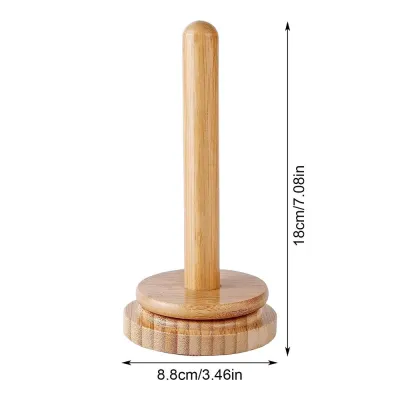
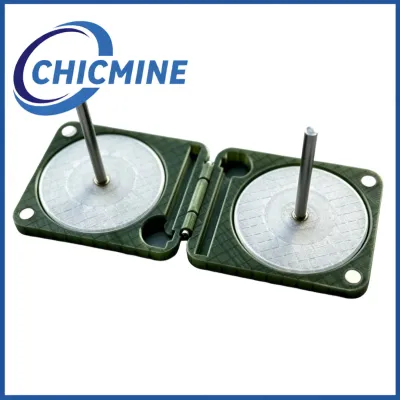
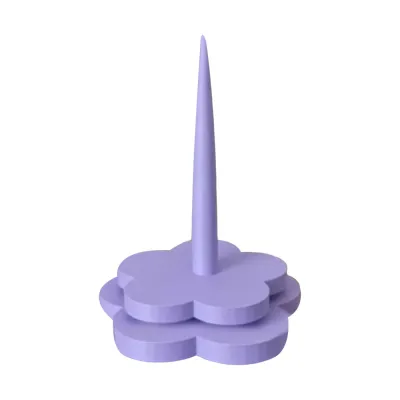
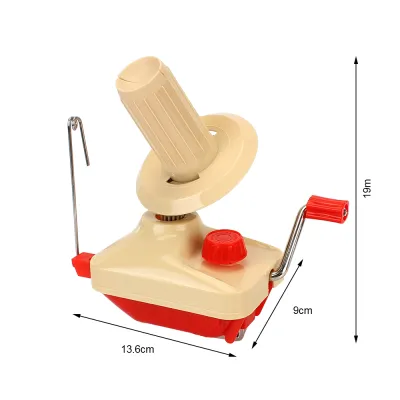
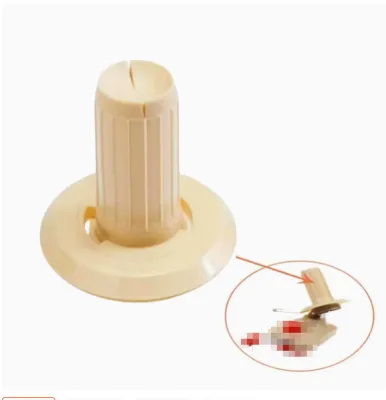
Prices are valid at publication and may change. Please refer to the product page for the latest price.
In contrast, a yarn spinner uses active mechanical rotation to feed the yarn. By placing your wound yarn cake onto a spindle that rotates on a bearing, the entire cake spins in unison with your pulling motion. This setup reduces yarn drag to near zero, ensuring that every stitch receives the exact same amount of yarn with minimal resistance. Consistent tension is the key to achieving neat, professional-looking stitches, making this tool highly beneficial for beginners who are still developing their muscle memory.
Beginners working with slippery, fine, or delicate fibers will find a spinner particularly helpful. Materials like silk, bamboo, mercerised cotton, and fine lace-weight threads tend to slide off static balls easily, creating loose loops that tangle at the slightest movement. A spinner keeps the structural integrity of the yarn cake intact from start to finish, preventing the layers from slumping or knotting as you work.
Core Features to Evaluate Before Buying
When browsing online marketplaces or local craft shops, you will encounter a wide variety of spinners. To ensure you select a model that operates smoothly and fits your workspace, there are several functional features you must verify before making a purchase.

Base Weight and Stability
The stability of the base is critical to the performance of your spinner. If the base is too light, the entire unit will slide across your table or tip over whenever you pull the yarn. Look for a spinner with a wide, substantial base that stays firmly anchored to your work surface. Many high-quality models feature non-slip silicone or rubber pads on the bottom to prevent sliding. While a heavier base provides excellent stability, consider your workspace; if you often craft on a small side table or a couch arm, ensure the base diameter fits your preferred spot without hanging over the edge.
Spindle and Bearing Mechanism
The bearing mechanism determines how smoothly the spindle rotates. High-quality spinners typically use sealed metal ball bearings, similar to those found in skateboards, which offer fluid, near-silent rotation with minimal friction. When evaluating a spinner, check the manufacturer’s specifications for the bearing type. If you are inspecting a unit in person, spin the empty spindle; it should glide effortlessly and continue spinning for several seconds without wobbling, grinding, or stopping abruptly. A wobbly spindle can cause uneven tension and make distracting clicking noises while you work.
Yarn Guide or Eyelet
Many spinners feature a guide loop or eyelet positioned above or beside the spindle. This guide acts as a control point, directing the yarn from the spinning cake to your hands. It prevents the yarn from slipping over the top of the spindle and wrapping around the rotating shaft, which would jam the mechanism. Look for a guide with a completely smooth, polished inner surface. Any rough edges, seams, or burrs on the guide can snag your yarn, damaging delicate fibers and disrupting your rhythm.
Adjustability and Capacity
Spindles come in various heights and thicknesses, and you must match these dimensions to the yarn formats you use. A short, thin spindle is excellent for standard 50-gram or 100-gram yarn cakes but will fail to support a massive 400-gram jumbo skein. Before buying, check the spindle’s usable height and weight capacity. If you plan to work with a wide range of yarn weights, look for a model with a removable or interchangeable spindle, which allows you to swap out shafts depending on the size of your project.
Material and Build Quality Checks
The materials used to construct a yarn spinner affect its durability, weight, aesthetic appeal, and performance. Understanding the trade-offs between different materials will help you make an informed decision based on your local environment and crafting habits.
Wood vs. Plastic vs. Metal
Wooden spinners are highly popular for their classic aesthetic, natural weight, and sturdy feel. However, wood is sensitive to environmental conditions. In humid climates, such as in Singapore, unfinished or poorly sealed wood can absorb moisture from the air, causing the wood to swell, warp, or develop rough patches. If you choose a wooden spinner, ensure it has a high-quality, moisture-resistant sealed finish. Plastic and acrylic spinners are lightweight, highly portable, and completely unaffected by humidity, making them easy to clean and travel with. However, because they are lighter, they often require suction cups or weighted bases to remain stable. Metal spinners offer exceptional durability and weight, but they can be noisier if the bearings are not perfectly sealed.
Surface Finish
Regardless of the material, the surface finish of the spindle must be flawless. Run your fingers along the entire length of the spindle and the base. Any splinters on wood, molding seams on plastic, or rough spots on metal can catch on delicate fibers like mohair, alpaca, or single-ply wool. A single snag can weaken the yarn strand or ruin the appearance of your needlework, so prioritize models that explicitly advertise a polished, snag-free surface.
Joint and Hardware Inspection
Take a close look at how the spindle connects to the base. Some models feature a fixed spindle, while others use a screw-in or magnetic attachment. If the spindle screws into the base, the threads should be clean, deep, and made of durable material (such as metal-on-metal inserts) to prevent stripping over time. Avoid models with visible glue residue, loose joints, or flimsy plastic connections, as these areas are prone to breaking under the repeated tension of pulling yarn.
Building Your Shortlist: Matching the Spinner to Your Project
To narrow down your options, create a shortlist based on the specific types of projects you plan to undertake and the environment in which you will be crafting.
For Fine or Slippery Yarns
If your projects involve delicate lace-weight yarns, silk embroidery threads, or slippery bamboo fibers, prioritize a spinner with an enclosed guide loop or a high-tension eyelet. These fibers can easily slide off the spindle too quickly, causing the yarn cake to unravel from the bottom. An enclosed guide keeps the strand aligned and introduces a tiny amount of natural resistance, preventing the spindle from over-spinning and creating loose loops.
For Bulky or Jumbo Yarns
If you plan to knit or crochet cozy blankets, thick sweaters, or chunky home decor items, you will be working with heavy, bulky yarns. For these projects, look for a spinner with a wide, heavy wooden or metal base and a tall, thick spindle. The heavy base prevents the top-heavy setup from tipping over when you pull the thick yarn, while the taller spindle accommodates the larger diameter and height of jumbo yarn cakes.
For Travel or Small Spaces
If you enjoy crafting during your daily commute, at local meetups, or in compact living spaces, portability is key. Look for compact, lightweight, or collapsible designs where the spindle can be detached from the base for flat storage. Keep in mind that lightweight travel spinners may slide on smooth tables, so look for models that feature high-friction silicone feet or temporary suction mounts to compensate for the lack of physical weight.
Budget and Value Checks
Yarn spinners are available at various price points, typically ranging from budget-friendly plastic models to premium, handcrafted wooden units. While it may be tempting to purchase the cheapest option available, a poorly made spinner with a squeaky, stiff bearing can quickly become a source of frustration. Compare prices against the build materials and included accessories, such as extra spindles or travel pouches. Investing in a mid-range spinner with a sealed ball bearing and a smooth finish often provides the best long-term value, saving you from the need to purchase a replacement later.
Setup, Usage, and Basic Maintenance
Once you have selected and received your yarn holder spinner, proper setup and routine care will ensure it operates smoothly and lasts for years.
Initial Setup
To begin, you must prepare your yarn. If your yarn comes in a traditional hank, use a swift and a ball winder to wind it into a neat, flat-bottomed cake. Slide the yarn cake down onto the spindle, ensuring it is centered and sits flat against the rotating base. If your spinner has a guide loop, thread the yarn end from the outside of the cake through the loop before you start stitching. This setup ensures that the yarn pulls cleanly from the exterior of the cake, allowing the spindle to rotate smoothly.
Troubleshooting Common Issues
If you notice the spinner wobbling during use, check if the yarn cake is off-center or if the spindle is fully tightened into the base. If the spindle spins too fast and causes the yarn to slacken and tangle, try threading the yarn through the guide loop in a different direction to add a small amount of friction, or adjust your pulling motion to be more gradual. If the rotation feels stiff, check the base of the spindle for any stray yarn fibers or lint that may have wrapped around the shaft and jammed the bearing.
Routine Care
Keep the rotating mechanism clean and free of debris. Dust, lint, and stray fibers from your projects can easily migrate into the bearing, causing friction, stiffness, and squeaking. Periodically wipe down the spindle and base with a dry microfiber cloth. If the bearing is exposed, use a small, soft brush or a can of compressed air to clear out any accumulated lint. Always store your spinner in a dry place away from direct heat, moisture, or intense sunlight to protect the materials and preserve the smooth operation of the bearing.
Frequently Asked Questions (FAQ)
Can I use a yarn holder spinner for center-pull skeins?
Yarn holder spinners are primarily designed for yarn cakes wound to pull from the outside. If you place a center-pull skein on a vertical spindle, the spindle will not rotate because you are pulling from the inside of the stationary mass. As the center-pull skein empties, the outer walls will collapse, which can cause the yarn to tangle around the spindle shaft. For the best results, wind your yarn into a flat-bottomed cake and pull from the outside to utilize the spinner’s rotating mechanism.
Do I need a yarn spinner if I already have a yarn bowl?
While both tools keep your yarn clean and contained, they function differently. A yarn bowl is a passive holder that relies on gravity and friction as the yarn ball rolls inside it. A yarn spinner uses active mechanical rotation, which reduces drag to near zero and provides much more consistent tension. If you frequently work with slippery, fine, or delicate yarns, or if you struggle with hand fatigue and uneven tension when using a yarn bowl, upgrading to a spinner can provide a noticeable improvement in your crafting comfort.
How do I fix a yarn spinner that is squeaking or sticking?
If your spinner begins to squeak or stick, first inspect the bearing area for any trapped lint, dust, or stray yarn fibers, and clear them out using a soft brush. Refer to the manufacturer’s instruction manual before applying any lubricants. Avoid using heavy household oils or cooking oils, as these can attract more dust, gum up the bearing, and potentially seep out to stain your expensive yarn. If the manufacturer permits lubrication, use only a tiny drop of approved light machine oil or sewing machine oil directly on the bearing.
Community discussion
Share your experience or ask a question. Comments are reviewed before publication.