
Starting your journey into Gundam model building, or Gunpla, is an exciting venture that combines engineering and patience. To transition from plastic runners to a fully assembled mobile suit, you need a reliable set of tools designed specifically for scale modeling. A beginner Gundam tool kit set should focus on clean part removal, safe trimming, and basic surface smoothing without overwhelming you with specialized equipment. Selecting a kit that prioritizes these fundamental tasks helps you achieve clean, professional-looking results on your very first build while keeping your initial investment modest.
Assess Your Building Needs Before Buying
Before browsing online marketplaces or local hobby shops, evaluate the specific model kits you plan to assemble. Bandai organizes Gundam models into distinct difficulty tiers, known as grades, which dictate the complexity of the build. If you are starting with Entry Grade or High Grade models, the parts are designed to separate easily and fit together with minimal intervention. These kits are highly forgiving and do not require advanced tools to look excellent right out of the box.
Understanding the difference between a basic straight build and advanced finishing is crucial for your budget. A straight build involves cutting parts from the plastic runners, cleaning up the connection points, and snapping the pieces together. Advanced finishing involves custom painting, seam line removal, and extensive weathering. As a beginner, focusing on a clean straight build is the best way to develop your muscle memory and understand how plastic behaves under pressure.
Products mentioned in this guide
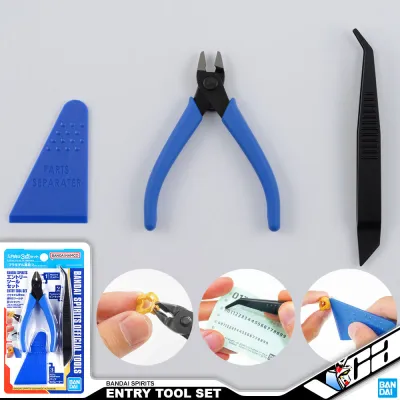
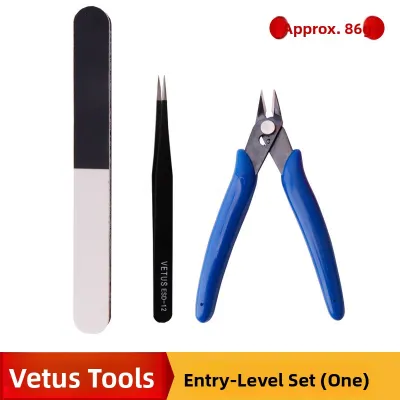
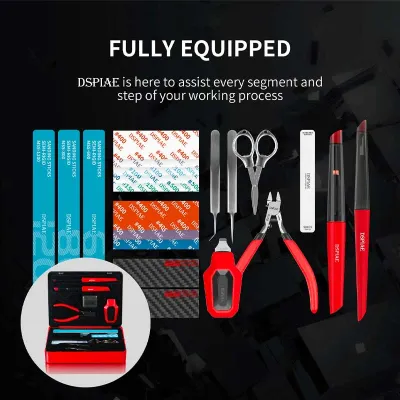
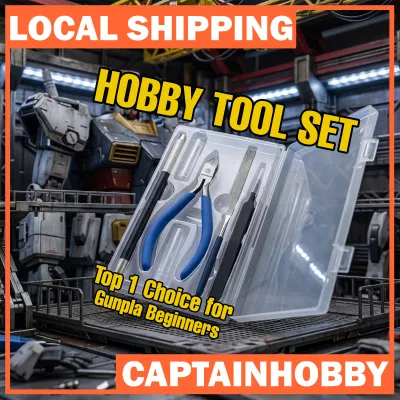
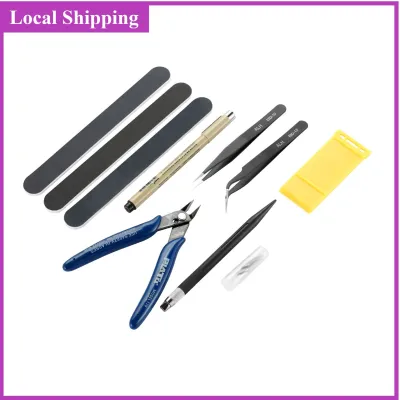
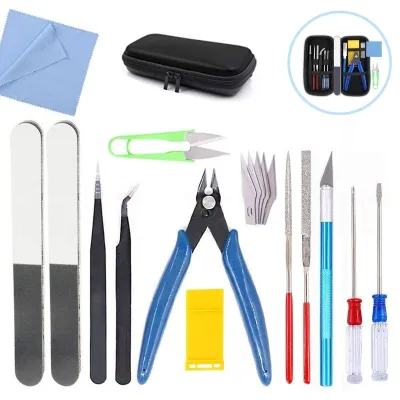
Prices are valid at publication and may change. Please refer to the product page for the latest price.
Many comprehensive tool sets marketed to beginners are packed with items you will not use for your first few projects. Tools like panel line scribers, metal files, and polishing compounds often sit idle in the box while adding to the overall cost. Recognizing these signs of over-packaging allows you to seek out streamlined kits that invest in the quality of a few essential tools rather than the quantity of mediocre ones.
Core Tools Every Beginner Gundam Tool Kit Must Include
The backbone of any Gundam tool kit is a pair of dedicated plastic side cutters, commonly referred to as nippers. Unlike household wire cutters, hobby nippers feature flat, flush-cutting blades designed to slice through plastic gates without crushing the surrounding material. When evaluating a starter kit, look for nippers with a thin blade profile and a spring-loaded action that reduces hand fatigue. The blade geometry should allow you to make clean cuts close to the part surface, minimizing the amount of excess plastic left behind.

A precision hobby knife is the next indispensable tool in your arsenal. Even the best nippers can leave a small nub of plastic where the part was attached to the runner. A sharp, pen-style hobby knife allows you to shave these remnants down flush with the part surface using controlled, shallow strokes. Ensure the knife handle features a textured, non-slip grip for safety, and always verify that it comes with a protective safety cap and a few replacement blades, as a dull blade is more likely to slip and cause injury.
Gundam models frequently include tiny stickers or water-slide decals to add realistic mechanical details. Attempting to apply these with your fingers is incredibly frustrating and often leads to misaligned or ruined decals. A pair of fine-tip or curved-tip tweezers is essential for picking up, positioning, and smoothing down these delicate markings. Stainless steel tweezers with non-magnetic properties are ideal, as they prevent static electricity from interfering with your placement.
Finally, no starter kit is complete without basic sanding tools to erase the final traces of gate marks. Sanding sticks or small sheets of high-grit sandpaper are perfect for smoothing out the plastic surface after trimming. A good beginner set should include a range of grits, typically starting around 800-grit for initial smoothing and progressing up to 1000-grit or 1200-grit for a clean, matte finish that matches the surrounding plastic.
Optional Upgrades: What to Skip in Your First Kit
As you explore the hobby, you will undoubtedly encounter premium tools that promise flawless results, such as glass files and high-end single-blade nippers. While single-blade nippers offer incredibly clean cuts, their ultra-thin blades are highly fragile and can easily snap if used incorrectly on thick runners. Glass files are excellent for polishing plastic to a high gloss, but they are a luxury that is unnecessary when standard sanding sticks can achieve a perfectly acceptable matte finish for a fraction of the price.
It is also wise to steer clear of advanced painting equipment during your initial foray into Gunpla. Airbrushes, miniature air compressors, and portable spray booths require a significant financial investment, dedicated workspace ventilation, and a steep learning curve. Standard Gundam kits are molded in multi-colored plastic that looks great without any paint, meaning you can safely postpone these purchases until you are certain you want to commit to custom color schemes.
Similarly, specialized detailing tools like panel line engravers and decal setting solutions should be left off your initial shopping list. Engravers are used to deepen or create new panel lines for custom detailing, a process that requires a steady hand and advanced layout planning. Decal setting solutions help slide decals conform to complex curves, but standard stickers and dry transfers included in beginner-friendly kits adhere perfectly well to clean, bare plastic without chemical assistance.
Evaluating Kit Quality and Ergonomics
When comparing different starter sets, pay close attention to the physical build and ergonomics of the tools, as you will likely spend hours holding them. Nippers and hobby knives should feature comfortable, ergonomic handles made from non-slip rubber or textured plastic. A grip that feels too small or lacks cushioning can cause hand cramps during extended building sessions, turning a relaxing hobby into a painful chore.
The durability of your cutting tools depends heavily on the quality of the steel used in their construction. While manufacturers of budget kits may not always list the exact steel grade, look for indicators of heat treatment or carbon steel construction in the product specifications. High-carbon steel blades retain their sharp edges much longer than cheap alloy alternatives, ensuring clean cuts that do not pinch or stress the plastic over time.
An often-overlooked component of a great tool kit is the storage case or organizer. A sturdy plastic case or a zippered fabric pouch keeps your sharp blades and delicate tweezers protected from damage when not in use. It also prevents small items like spare knife blades and sanding sticks from getting lost on your workspace, making it easy to pack up your tools if you prefer to build at a friend’s house or a local hobby meetup.
Building Your Starter Shortlist and Budgeting
When it comes to acquiring your tools, you have two main paths: purchasing a pre-bundled starter kit or assembling your own set by buying individual tools. Bundled sets available on online marketplaces are highly convenient and generally offer excellent value for money, grouping all the essentials into a single purchase. However, if you prefer higher quality for specific tools, buying a standalone pair of entry-level hobby nippers and supplementing them with a basic hobby knife and sanding sticks from a local craft store can yield a more durable custom kit.
For a complete, reliable starter kit in Singapore, a realistic budget range is between S$15 and S$35. Within this price bracket, you can easily find a well-reviewed bundle that includes decent nippers, a hobby knife with spare blades, tweezers, and a selection of sanding sticks. Spending less than S$10 often results in low-quality nippers that crush plastic rather than cutting it, while spending over S$50 is unnecessary until you decide to tackle more complex projects.
As your modeling skills progress and you move on to Master Grade or Real Grade kits, you can plan for gradual tool upgrades. Instead of replacing your entire kit, you can invest in a single high-end tool, such as a premium single-blade nipper, once your basic cutting technique is fully developed. This step-by-step approach keeps the hobby affordable and allows you to appreciate the performance difference that professional-grade tools offer.
Frequently Asked Questions (FAQ)
How do I maintain and clean my Gundam nippers after use?
To keep your nippers cutting smoothly and prevent rust, always wipe the blades with a clean, dry microfiber cloth after each building session to remove microscopic plastic dust. If the pivot joint begins to feel stiff, apply a single drop of light machine oil or multi-purpose lubricant to the joint, open and close the nippers a few times to distribute it, and wipe away any excess. Always store your nippers with the protective blade cap on in a dry, low-humidity environment to protect the delicate cutting edges.
Can I use regular household scissors instead of hobby nippers?
Using household scissors or heavy-duty wire cutters is highly discouraged for Gundam models. These tools rely on a shearing action or thick, wedge-shaped blades that apply immense squeezing pressure to the plastic before cutting it. This pressure causes the plastic to stress, turning white and leaving unsightly scars or even cracking the delicate model parts. Investing in a pair of entry-level hobby nippers ensures a clean, flat slice that preserves the integrity and color of the plastic.
When should I upgrade from a beginner kit to professional-grade tools?
You should consider upgrading your tools when you notice consistent frustration with your build finishes, such as stubborn stress marks or gouges that require extensive sanding to fix. If you find yourself transitioning to complex Master Grade or Perfect Grade kits, or if you want to explore custom painting and airbrushing, investing in specialized tools becomes highly beneficial. Upgrading gradually ensures you only buy tools that directly solve the specific challenges you encounter as your skills grow.
Community discussion
Share your experience or ask a question. Comments are reviewed before publication.