
When searching for a strong magnetic strip to organize your office whiteboard or metal filing cabinets, the absolute holding strength depends on the magnetic material grade and physical thickness rather than a specific brand name. Because independent brand test data is rarely standardized, the most reliable way to secure your documents is to match the magnetic material to your specific surface. For modern glass whiteboards, standard flexible magnetic strips will often slide down; these surfaces require high-strength rare-earth (neodymium) magnetic strips. Conversely, traditional steel filing cabinets and standard magnetic whiteboards easily accommodate flexible ferrite strips. To ensure a secure hold, always check the manufacturer’s specifications for the rated pull force or holding capacity, typically measured in kilograms or grams per linear centimeter, before making a purchase.
How to Evaluate Magnetic Holding Strength
To find a truly strong magnetic strip, you must look past generic marketing labels like “heavy-duty,” “super strong,” or “industrial grade.” Instead, evaluate the underlying magnetic material and its physical dimensions. Magnetic strips generally fall into two categories: flexible rubber-ferrite composites and rigid rare-earth (neodymium) compounds. Flexible strips are made by mixing magnetic barium or strontium ferrite powder with a flexible polymer binder. While highly versatile and easy to cut, their magnetic pull is inherently limited.
Rigid neodymium strips, on the other hand, utilize a sintered alloy of neodymium, iron, and boron, offering a vastly superior magnetic field. These high-strength options can hold heavy cardstock, laminated posters, or thick reference manuals without budging. When comparing options on ecommerce platforms or at local stationery suppliers, look for explicit pull-force ratings on the product packaging rather than relying on vague descriptions.
Products mentioned in this guide
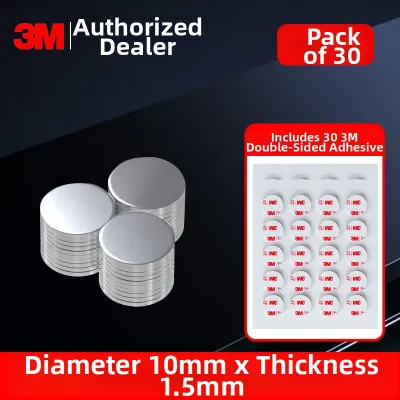
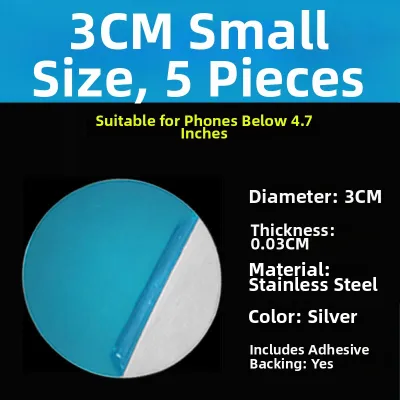
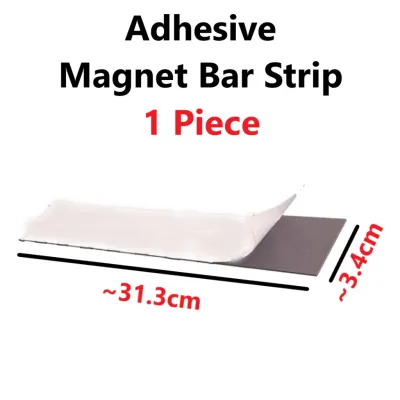
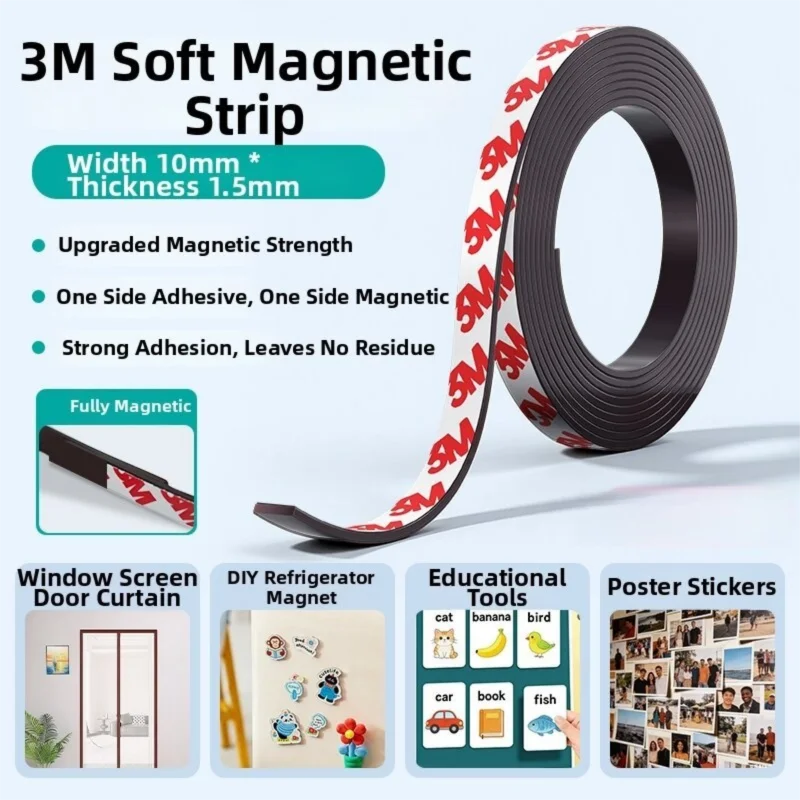
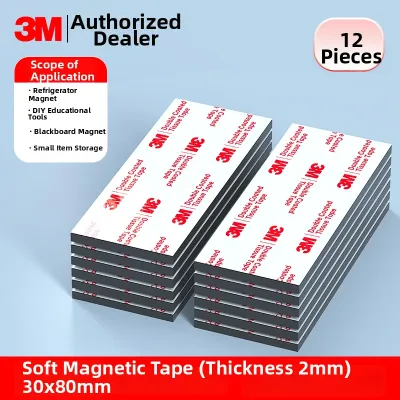
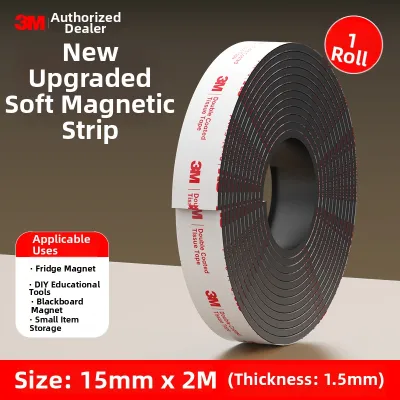
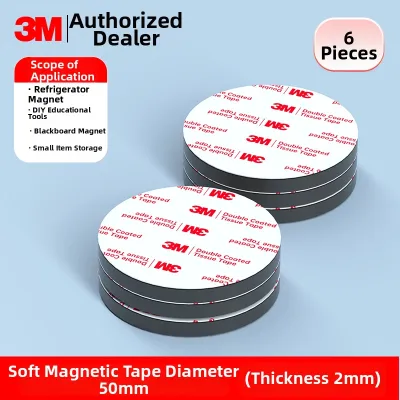
Prices are valid at publication and may change. Please refer to the product page for the latest price.
Pull force represents the amount of weight required to pull the magnet vertically away from a flat steel plate. A high-quality manufacturer will state this capacity clearly, often specifying how many grams or kilograms a single linear centimeter of the strip can support. If this rating is missing, you can estimate the relative strength by looking at the strip’s physical thickness and width. A thicker flexible strip contains more magnetic material per square centimeter, which naturally increases its holding power. For heavy, laminated, or multi-page documents, a wider strip distributes the weight more evenly, preventing the corners of the paper from curling away and breaking the magnetic contact.
Surface Compatibility: Whiteboards vs. Metal Cabinets
The surface you are mounting your magnetic strips on plays a critical role in how well they perform. Modern office spaces frequently feature glass whiteboards, which present a unique challenge. Glass boards consist of a sheet of tempered glass placed over a thin metal backing. Because the magnet must attract the steel through a thick layer of non-magnetic glass, the magnetic force is severely attenuated. Standard flexible ferrite strips are almost entirely ineffective on glass boards, as they lack the magnetic reach to bridge this gap. For these surfaces, high-strength neodymium strips are mandatory to prevent your documents from sliding immediately to the floor.

Traditional steel whiteboards and metal filing cabinets are much more receptive to magnetic forces. Because there is no thick glass barrier, the magnetic strip makes direct contact with the steel surface. On these surfaces, standard flexible ferrite strips perform exceptionally well for lightweight paper, receipts, and tracking cards. However, if you are organizing heavy binders, plastic pockets, or thick cardboard folders on a vertical filing cabinet, you will still benefit from upgrading to wider, thicker flexible strips or low-profile neodymium options to ensure the items remain anchored during daily office use.
Before purchasing adhesive-backed magnetic strips, it is wise to perform a quick surface receptivity check. You can test your whiteboard or cabinet by taking a standard refrigerator magnet and placing it on the surface. If the magnet slides down easily or feels incredibly weak, your surface has low magnetic receptivity or may feature a thick, non-magnetic protective coating. In such cases, avoid standard flexible strips and opt exclusively for high-strength rare-earth alternatives. Additionally, inspect the surface for any textured coatings or grease, which can prevent the adhesive backing of the strip from bonding properly.
Adhesive Quality and Long-Term Durability
A strong magnetic strip is only as reliable as its adhesive backing. If the magnet clings perfectly to the whiteboard but the adhesive peels away from your document or organizer, the system fails. When selecting magnetic strips, compare the type of adhesive pre-applied to the non-magnetic side. Standard acrylic adhesives are thin and work best on flat, clean paper or lightweight cardstock. For heavier items, plastic folders, or laminated materials, look for strips backed with heavy-duty acrylic foam tape. The foam core conforms to minor surface irregularities, creating a much stronger and more durable bond.
However, strong adhesives come with a trade-off. Applying a permanent adhesive-backed magnetic strip directly to important, original documents can cause tearing or leave a sticky residue when you attempt to remove it. To protect sensitive papers, consider using magnetic pockets or applying the adhesive strip to a reusable plastic sleeve instead of the document itself. This allows you to swap out the papers easily while keeping the magnetic mounting system intact.
Environmental conditions also heavily influence adhesive performance, particularly in Singapore. The local climate is characterized by high ambient humidity, and office environments often undergo dramatic temperature transitions when air conditioning systems are turned off overnight or during weekends. This cycle of cooling and warming can cause micro-condensation to form on surfaces, leading to the rapid degradation of low-quality adhesives. To prevent your magnetic strips from peeling off over time, choose products featuring moisture-resistant, high-tack adhesives designed to withstand humid tropical climates and temperature fluctuations.
Decision Framework: Choosing the Right Strip for Your Office
To make the right choice for your office organization project, follow a structured decision framework based on your specific materials and surfaces. First, identify the primary surface where the magnets will be used. If you are working with a modern glass whiteboard, bypass flexible ferrite options entirely. Your only reliable choice is a high-strength neodymium magnetic strip or specialized glass-board magnets. Verify that the whiteboard manufacturer does not have specific warnings against high-strength magnets, as extremely powerful rare-earth magnets can occasionally scratch or damage delicate glass coatings if dragged roughly across the surface.
Second, assess the weight and material of the items you need to display. For lightweight, single-sheet paper documents on traditional steel whiteboards or metal filing cabinets, standard flexible ferrite strips are the most cost-effective and practical choice. They are easy to cut, safe to handle, and provide more than enough holding power for daily tracking sheets and calendars. If you are mounting heavier items, such as laminated posters, multi-page packets, or plastic storage pockets, select a wider and thicker flexible strip, or opt for a low-profile neodymium strip to guarantee a secure hold.
Finally, always check the manufacturer’s product specifications for compatibility and installation guidelines. Ensure the adhesive backing matches the material of your organizer (such as plastic or laminated paper) and that the surface is thoroughly cleaned with an alcohol-based cleaner before application. By matching the magnetic strength to your surface and the adhesive type to your document material, you will create a highly efficient, durable, and reliable office organization system.
Frequently Asked Questions (FAQ)
Can I cut strong magnetic strips to custom lengths?
Yes, but the ease of cutting depends entirely on the material of the magnetic strip. Flexible ferrite and rubber magnetic strips can be easily cut to custom lengths using standard heavy-duty office scissors or a sharp utility knife. This makes them highly customizable for labeling and organizing. However, rigid neodymium or rare-earth magnetic strips cannot be cut with standard office tools. Attempting to cut or drill into a rigid neodymium strip can cause the material to shatter, release hazardous dust, or lose its magnetic properties entirely due to the heat generated by friction. Always check the manufacturer’s instructions, and if you require custom lengths for high-strength magnets, purchase pre-cut segments that match your required dimensions.
Why is my magnetic strip sliding down the whiteboard?
If your magnetic strip is sliding down, it is usually caused by one of three common issues: exceeding the weight capacity, surface incompatibility, or surface contamination. First, ensure the weight of the document or organizer does not exceed the rated pull force of the strip. Second, if you are using a glass whiteboard, standard flexible strips will slide because the magnetic field cannot effectively penetrate the glass layer; you will need to upgrade to a high-strength neodymium strip. Finally, dust, dry-erase marker residue, or finger oils on the whiteboard surface can significantly reduce friction, causing magnets to slide. Clean the whiteboard thoroughly with a manufacturer-approved whiteboard cleaner or isopropyl alcohol, dry it completely, and try reattaching the magnetic strip.
Community discussion
Share your experience or ask a question. Comments are reviewed before publication.