
Starting a new craft like knitting or crochet can feel overwhelming when faced with aisles of loose yarn and wall-sized displays of tools. A beginner-friendly set of yarn simplifies this entry point by bundling the exact materials, tools, and instructions needed to complete a first project. To make a confident purchase, a beginner should look for a kit that balances forgiving, medium-weight yarn with comfortable, appropriately sized tools and clear, step-by-step guidance. Focusing on these core elements ensures your first crafting experience is rewarding rather than frustrating.
By choosing a curated bundle, you avoid the common pitfall of pairing mismatched tools and materials, which often leads to uneven stitches and dropped loops. A well-designed starter set acts as a structured introduction to the craft, allowing you to focus on mastering basic hand movements and tension control before diving into complex patterns. Evaluating the components of these kits systematically will help you select a set that offers genuine utility and lasting value.
Essential Components of a Beginner Yarn Set
A comprehensive starter kit must provide enough material to complete the intended project with a reasonable margin for error. For a basic project like a scarf, dishcloth, or small amigurumi toy, look for kits that include at least two to three standard skeins, or a total yardage of at least 150 to 200 meters. Having extra yarn is crucial for practicing basic stitches and creating practice swatches before starting the actual project.
Products mentioned in this guide
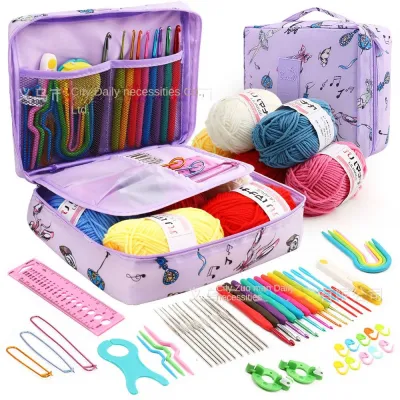
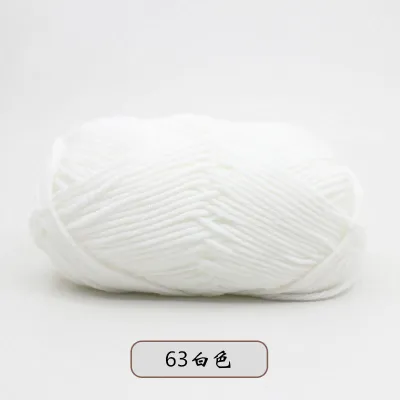
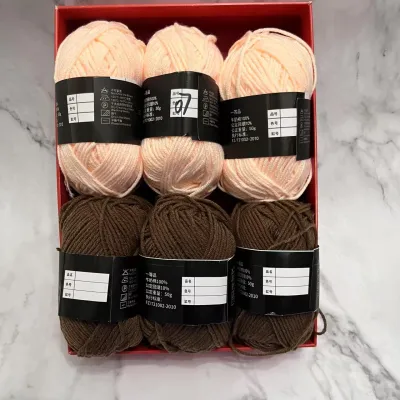
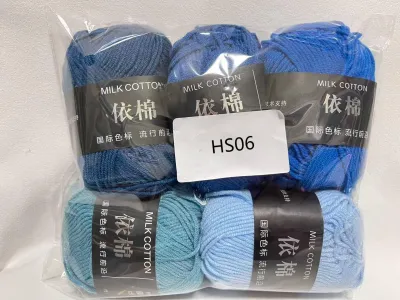
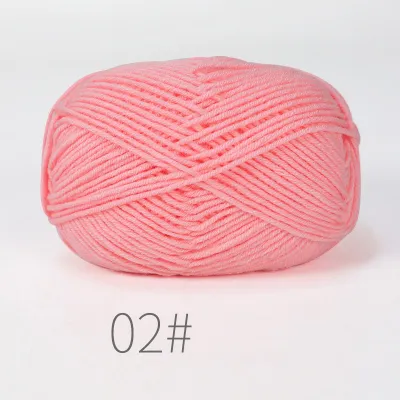
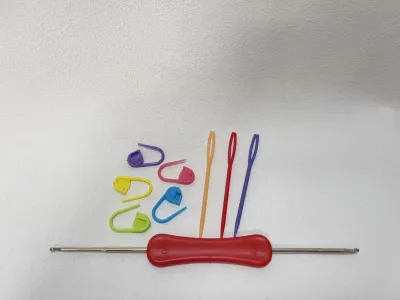
Prices are valid at publication and may change. Please refer to the product page for the latest price.
The kit must include the primary tool—either a pair of knitting needles or a crochet hook—that is perfectly calibrated to the yarn’s thickness. Beginners should avoid kits that offer a single tool size alongside multiple mismatched yarn weights, as this makes maintaining consistent tension incredibly difficult. The tool size should be clearly marked on the shaft or handle in millimeters for easy identification.
Beyond the yarn and needles, small accessories called notions are essential for finishing any project. Look for a set of yarn that includes at least five locking stitch markers to keep track of rows, a blunt-tipped tapestry needle for weaving in loose ends, and a compact pair of safety scissors. These small tools prevent stitches from unraveling and make the finishing process seamless without requiring extra trips to the store.
A truly comprehensive starter set does not leave you to figure out the steps on your own. High-quality kits provide clear, printed pattern booklets with large, high-contrast illustrations, or direct access to step-by-step digital video tutorials. Look for kits that offer video guides specifically filmed from the crafter’s perspective, as this angle is much easier to follow than front-facing demonstrations.
Choosing the Right Yarn Material and Weight
The material of your yarn affects both the crafting process and the final product’s durability. For beginners, acrylic yarn or cotton-acrylic blends are highly recommended. In Singapore’s warm and humid climate, pure wool can feel uncomfortably warm to handle and requires meticulous storage to prevent pest damage or mildew. Acrylic and cotton blends are lightweight, widely available, machine-washable, and highly resistant to humidity, making them excellent choices for local crafters.

Yarn thickness is categorized by standard weight numbers, ranging from lace (0) to jumbo (7). Beginners should look for medium-weight yarn, specifically worsted weight (category 4) or bulky weight (category 5). These thicknesses are large enough to see individual stitches clearly, allowing you to identify mistakes quickly, yet they are not so thick that they strain your hands during extended practice.
Before purchasing, inspect the yarn labels included in the kit for essential specifications. The label should clearly state the care instructions, fiber content, and the dye lot number. Ensuring all skeins in your kit share the same dye lot number guarantees that the color remains perfectly consistent throughout your project, preventing noticeable shade shifts in your finished work.
Certain yarn textures can turn a fun learning experience into a frustrating chore. Avoid kits that feature highly textured novelty yarns, such as eyelash yarn, boucle, or extremely slippery chenille, which hide your stitches and make counting rows nearly impossible. Similarly, loosely spun yarns that split easily when pierced by a needle or hook should be avoided.
To verify if a yarn is prone to splitting before you begin your project, pull a short length from the skein and untwist it slightly between your fingers. If the individual plies separate easily under light pressure, the yarn is more likely to split when pierced by a needle or hook. A high-quality beginner yarn should maintain its twist and structure even when manipulated, ensuring smooth stitching.
Evaluating Tools and Accessories in the Kit
The material of your knitting needles or crochet hooks determines how smoothly the yarn glides. Bamboo and wooden tools offer a natural grip that prevents slippery yarns from sliding off accidentally, making them ideal for absolute beginners. Aluminum and plastic tools are smoother and allow for faster crafting, but they can be slippery if you have not yet mastered tension control.
You can test the smoothness of a hook or needle by running your fingernail along the shaft and tip. Any rough seams, plastic flashing, or metallic burrs will snag yarn fibers, disrupting your rhythm and fraying the material. Smooth tools allow the yarn to glide effortlessly, which is essential for maintaining consistent stitch tension.
Crafting for extended periods can lead to hand fatigue or cramping, especially when you are still learning to relax your grip. Look for crochet hooks with wide, soft-grip ergonomic handles made of elastomer or silicone. For knitting needles, lightweight materials like bamboo or hollow aluminum reduce wrist strain compared to heavy solid metal needles.
Not all plastic and metal accessories are created equal. Test plastic locking stitch markers by opening and closing them several times; they should bend easily without showing white stress marks or snapping, and the clasp should secure firmly. Tapestry needles should be made of durable metal or smooth plastic with a blunt tip, as sharp sewing needles will split the yarn fibers and ruin your stitches.
A good starter set helps you keep your workspace organized. Look for kits that come packaged in a reusable zippered pouch, a canvas drawstring bag, or a sturdy box. Having a dedicated storage solution protects your yarn from dust and moisture while keeping your small notions from getting lost in your home.
Building Your Shortlist: What to Check Before Buying
Always verify that the physical dimensions of the included tools match the recommendations on the yarn label. For example, a worsted weight yarn typically requires a 5.0 mm to 6.0 mm knitting needle or crochet hook. If a kit pairs a thin yarn with an oversized hook, the resulting fabric will be loose and floppy, making it hard to evaluate your progress.
Read the product description carefully to confirm the total yardage provided. Some budget-friendly kits may only include miniature yarn balls of 20 to 30 meters each. While these are fine for tiny colorful accents, they are insufficient for completing a standard beginner project like a scarf or a beanie. Ensure the total yardage matches the requirements of the included pattern.
Confirm that the instructional guides cater to your specific learning style. If you are left-handed, check if the digital tutorials offer mirrored video options or specific left-handed instructions, as standard right-handed guides can be incredibly confusing to translate in reverse.
Finally, evaluate the overall S$ value of the bundled set. A starter kit priced around S$25 to S$40 often provides excellent value by saving you the time and effort of sourcing individual components. However, compare this to the cost of buying a single high-quality ergonomic hook (approx. S$6 to S$10) and one premium skein of yarn (approx. S$8 to S$12) separately. If you already own basic tools like scissors and tape measures, building your own custom set might occasionally yield higher-quality materials for a similar investment.
Frequently Asked Questions (FAQ)
Is it better to buy a yarn starter set or individual supplies?
For absolute beginners, a curated starter set is generally the better option because it eliminates the guesswork of matching yarn weights to tool sizes. It saves both time and the upfront S$ cost of purchasing full-sized tool sets and notions separately. However, if you already know you want to commit to the hobby long-term, or if you have specific ergonomic needs, purchasing a single high-quality tool and a premium skein of yarn individually allows you to customize your setup from the start.
What size knitting needles or crochet hooks are best for beginners?
Medium-sized tools are the easiest for beginners to hold and control. For crochet hooks, a size of 5.0 mm to 6.0 mm is ideal, while knitting needles in the 5.0 mm to 6.0 mm range are highly recommended. These sizes pair perfectly with worsted or bulky weight yarns, allowing you to see your stitches clearly and make steady, visible progress without straining your hands. Always check the yarn label’s recommended tool size to ensure a perfect match.
Community discussion
Share your experience or ask a question. Comments are reviewed before publication.