
Choosing the best yarn for crochet depends entirely on what you are making, who will use it, and how it will be washed. While there is no single universal winner, cotton, acrylic, wool, and blended yarns each offer distinct advantages in stitch definition, elasticity, and durability. Matching these fiber properties to your specific project ensures your finished piece looks professional, holds its shape, and lasts for years.
Understanding Core Yarn Fibers and Their Crochet Properties
Cotton is a plant-based fiber known for its strength and lack of natural elasticity. When you crochet with cotton, the stitches do not stretch or spring back. This lack of “give” makes it highly effective for projects requiring crisp stitch definition, such as intricate lace, mandalas, or structured bags. In warm climates like Singapore, cotton is highly favored for its breathability and cool feel against the skin. However, the lack of elasticity can sometimes tire out a crocheter’s hands during long sessions, making ergonomic hooks a helpful tool.
Acrylic is a synthetic fiber made from petroleum products. It is highly popular among beginners due to its affordability and wide availability in craft stores and online marketplaces. Acrylic yarn is exceptionally easy to care for, as most varieties can be machine-washed and dried without shrinking. It also holds dye incredibly well, resulting in vibrant color selections. On the downside, lower-grade acrylics can feel scratchy, tend to pill over time with friction, and lack the breathability of natural fibers, which can make garments feel warm and humid.
Products mentioned in this guide
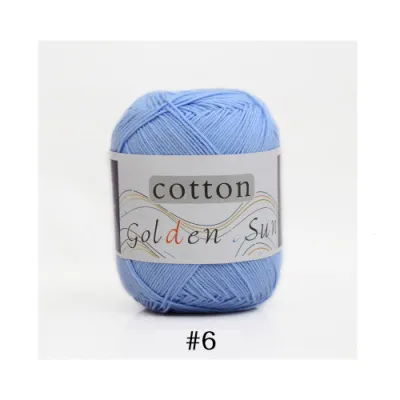
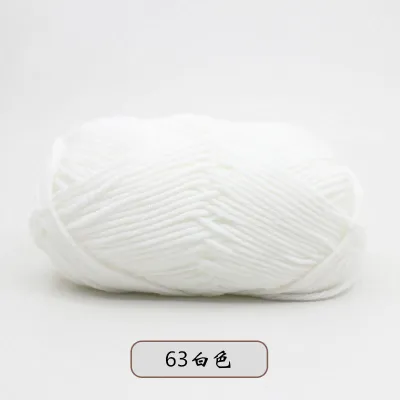
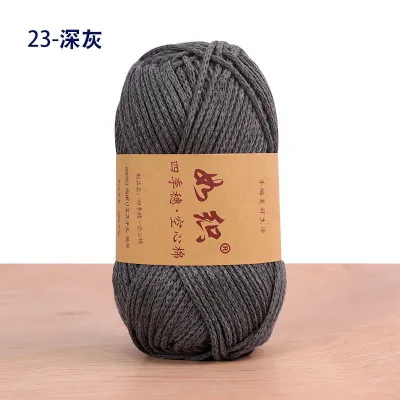
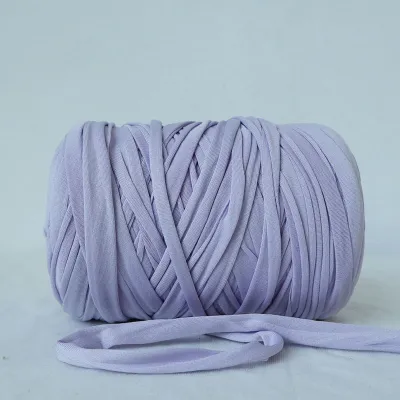
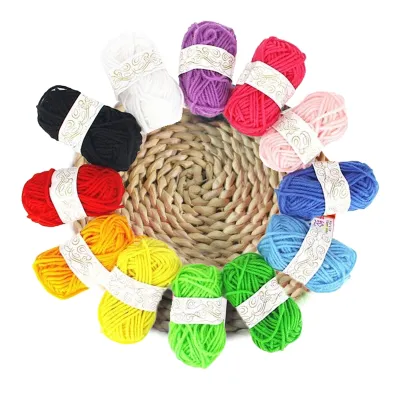
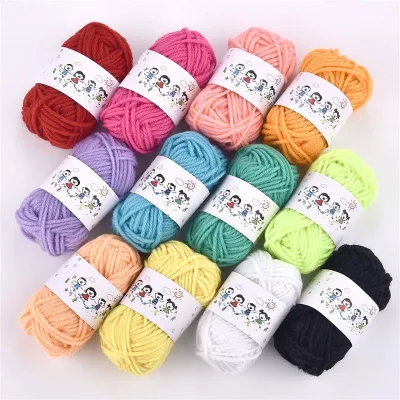
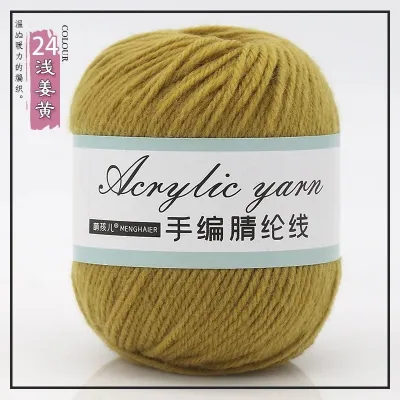
Prices are valid at publication and may change. Please refer to the product page for the latest price.
Wool is an animal fiber harvested from sheep, prized for its natural warmth, elasticity, and structural memory. Unlike cotton, wool fibers have a natural crimp that allows them to stretch and bounce back to their original shape. This elasticity makes wool highly forgiving for uneven tension and excellent for form-fitting garments. Wool also naturally repels water and insulates even when damp. However, some users experience skin sensitivity or itching when wearing wool. It also requires careful maintenance, as improper washing in warm water can cause the fibers to felt and shrink irreversibly.
Blended yarns combine two or more fibers to capture the best qualities of each. For example, a cotton-acrylic blend offers the breathability and stitch definition of cotton alongside the lightweight softness and elasticity of acrylic. Similarly, a wool-acrylic blend provides the warmth and bounce of wool but is often much easier to machine-wash and more budget-friendly. Blends are highly versatile, allowing crocheters to fine-tune the drape, weight, and maintenance requirements of their projects.
Matching Yarn Characteristics to Specific Project Types
Amigurumi and toys require a yarn that can be worked tightly to prevent the stuffing from showing through. Cotton yarn is the traditional favorite for toys because its lack of stretch keeps the stitches firm and structured. It also resists fuzzing, ensuring the toy maintains a clean, defined appearance even after heavy handling. When selecting yarn for toys, it is crucial to check for colorfastness to ensure the dyes will not bleed when washed. Tight acrylic blends can also work well, provided they do not pill easily.

Designing wearables requires careful consideration of drape, weight, and local climate. For lightweight garments suitable for tropical climates, fine cotton, bamboo, or linen blends offer excellent breathability and a cool touch. For cold-weather travel wear, wool or premium acrylics provide the necessary insulation and elasticity to hug the body comfortably. The drape—how the fabric hangs—is determined by both the fiber and your crochet tension; looser stitches or lighter yarn weights (such as fingering or sport weight) generally yield a more fluid drape.
Home accessories like coasters, baskets, and large blankets demand durability and ease of cleaning. For structured items like baskets or plant hangers, sturdy, multi-ply cotton yarn provides the necessary rigidity to hold weight. For large throw blankets, acrylic yarn is often preferred because it keeps the finished blanket lightweight and easy to wash in standard household machines. Heavy wool blankets can become incredibly heavy and difficult to clean, making synthetic fibers or cotton-acrylic blends a more practical choice for everyday home use.
Reading Yarn Labels to Verify Content and Care Requirements
Before purchasing yarn, the paper band or label wrapped around the skein serves as your primary guide. The label details the exact fiber composition percentages (e.g., 60% cotton, 40% acrylic) and the standard yarn weight category, typically represented by a number from 0 (lace) to 7 (jumbo). Matching this weight to your crochet pattern is essential for achieving the correct dimensions. The label also recommends a specific crochet hook size, which serves as an excellent starting point for your project.
Care instructions are communicated through standardized international symbols. These symbols indicate whether the yarn can be machine-washed, the appropriate water temperature, whether it can go in the dryer, and if it can tolerate ironing. Verifying these symbols ensures the finished item’s maintenance routine aligns with how it will be used. For instance, a baby blanket should ideally feature machine-washable and dryable symbols to accommodate frequent cleaning.
Another critical element on the label is the dye lot number. Yarn is dyed in large batches, and minor variations in water temperature, chemical balance, or dye concentration can cause subtle color differences between batches. Even if two skeins look identical under store lighting, they may show a visible line of contrast in your finished project. Always verify that all skeins purchased for a single project share the exact same dye lot number to ensure seamless color consistency.
Testing Yarn Behavior with Gauge Swatches Before Committing
A gauge swatch is a small, temporary square—typically 10 by 10 centimeters—crocheted using the exact yarn, hook, and stitch pattern intended for your project. This simple step allows you to assess how the yarn behaves in your hands. You can observe the stitch clarity, feel the stiffness or softness of the resulting fabric, and determine if your chosen hook size produces a fabric that is too stiff or too loose.
Once the swatch is crocheted, it should be washed and blocked according to the care instructions on the yarn label. Blocking involves wetting the swatch, gently squeezing out excess water, pinning it to shape on a flat surface, and letting it dry. This process reveals how the fiber reacts to water. Some fibers, like superwash wool, may stretch significantly when wet, while cotton might shrink slightly. Observing these changes beforehand prevents unpleasant surprises after you have invested hours into a full-sized project.
If your finished swatch does not match the pattern’s recommended gauge or if the fabric drape is unsatisfactory, you can make adjustments before starting the actual project. If your stitches are too tight and the fabric is stiff, try switching to a larger hook size. If the stitches are too loose, a smaller hook can help. If the yarn bleeds color excessively during the wash test or fails to hold its shape entirely, it may be best to select a different fiber or brand for that specific design.
Frequently Asked Questions (FAQ)
Is acrylic yarn suitable for baby crochet projects?
Yes, acrylic yarn is highly popular for baby items because it is machine-washable, durable, and hypoallergenic. However, because babies have sensitive skin, it is important to physically check the yarn for softness before purchasing, as some budget acrylics can feel scratchy. Avoid yarns that shed loose fibers easily to prevent inhalation hazards, and always review the manufacturer’s safety guidelines on the label regarding suitability for infant wear.
Can I substitute cotton yarn for wool in a garment pattern?
Substituting cotton for wool requires caution because cotton lacks wool’s natural elasticity and memory. A garment designed for wool relies on the fiber’s ability to spring back; if made in cotton, the weight of the stitches can cause the garment to sag, stretch out of shape, or hang heavily. To successfully substitute, look for a cotton-acrylic blend that introduces some elasticity, adjust your pattern to accommodate less stretch, or consider running a thin elastic thread along the ribbing and edges to help hold the shape.
How do I safely block heat-sensitive synthetic yarns?
Synthetic fibers like acrylic are essentially plastic and can melt or permanently lose their structure if exposed to high heat. Never press a hot iron directly onto synthetic yarn. Instead, use steam blocking by hovering a steam iron or garment steamer a few centimeters above the pinned swatch without touching the fibers, allowing the steam to relax the acrylic. Alternatively, use wet blocking by soaking the item in cool water, gently pressing out the moisture with a towel, and pinning it to shape until dry.

Community discussion
Share your experience or ask a question. Comments are reviewed before publication.