
Selecting the right wrapping paper in Singapore is an art that balances visual presentation with structural performance. Whether you are preparing a simple birthday gift for a colleague or wrapping an elegant wedding present, the paper you choose sets the tone before the gift is even opened. Navigating the local market requires understanding how different paper weights, finishes, and sourcing channels align with your specific gifting needs. By focusing on material specifications and design versatility, you can build a reliable collection of wrapping materials that suit any occasion. Rather than relying on generic options, taking the time to evaluate paper quality ensures your gifts look polished, professional, and intentional.
Defining Your Selection Criteria for Wrapping Paper
To build a practical and cost-effective wrapping paper collection, start by assessing your typical gifting frequency. If you find yourself frequently preparing gifts for children’s birthdays, family gatherings, or festive seasons, purchasing bulk rolls of wrapping paper is highly economical. Conversely, if you only give gifts on rare, major milestones, investing in individual sheets of specialized, high-quality paper prevents you from accumulating excess rolls that take up valuable space.
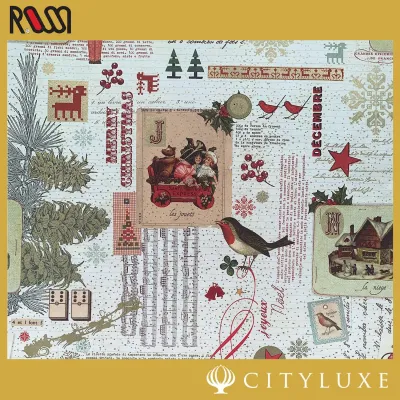
Next, consider the primary recipient demographics and aesthetic preferences. Children’s gifts often call for bright, playful patterns and whimsical illustrations, whereas corporate or formal gifts benefit from muted tones, geometric designs, or solid colors. Having a clear sense of your recipient’s preferences prevents you from buying overly specific designs that might sit unused for years. A versatile inventory should include a mix of playful, neutral, and elegant designs.
Products mentioned in this guide

![Tissue Wrapping Paper [20Pcs/Pack] | 11 Colours | Gifts | Fillers | Wrapping](https://img.lazcdn.com/g/p/44ccdbff8d91b381749cf50d4ec22413.jpg_400x400q80.jpg_.webp)
Prices are valid at publication and may change. Please refer to the product page for the latest price.
Establish a flexible budget range to guide your purchasing decisions. For everyday wrapping, standard rolls priced between S$2 and S$5 offer excellent value. For premium, artisan, or hand-printed papers, expect to spend between S$8 and S$15 per sheet. Setting these boundaries helps you filter options when browsing local stationery shops or online platforms.
Finally, account for physical storage space constraints, which are particularly relevant in Singapore’s compact residential spaces, such as HDB flats or condominiums. Storing multiple long, cylindrical rolls can be challenging without dedicated organizers. If storage space is limited, consider purchasing flat, pre-cut sheets that can be stored flat in shallow drawers, under-bed boxes, or filing folders, keeping them pristine and crease-free.
Evaluating Paper Quality and Material Specifications
When selecting wrapping paper, understanding material specifications is key to ensuring a smooth wrapping experience. The most reliable indicator of paper durability is its weight, measured in grams per square meter (GSM). Standard, budget-friendly wrapping papers typically range from 60 to 80 GSM. While these are highly flexible and easy to fold, they are prone to tearing, especially when wrapped around sharp box corners. For a more substantial feel and superior tear resistance, look for premium papers ranging from 90 to 120 GSM, which provide a luxurious weight and hold sharp creases beautifully.

Opacity is another critical factor to verify before purchasing. Low-quality, thin papers are often semi-translucent, meaning the branding, text, or colors of the gift box underneath will show through under standard lighting. To test this, hold the paper up to a light source or place it over a printed surface. High-quality papers feature high opacity, often achieved through denser fibers or a dark, solid-colored reverse side, ensuring the contents of your gift remain a complete surprise.
The material composition of the paper directly affects its foldability and crease retention. Papers made from pure wood pulp fold crisply and hold their shape without springing back. In contrast, papers with high recycled content or synthetic fiber blends can feel stiff and may crack along the fold lines, revealing a white core that detracts from the clean look of your gift. If you are wrapping complex, non-rectangular shapes, a highly pliable, long-fiber paper is essential for achieving smooth, neat folds.
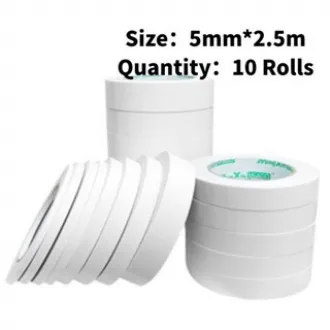
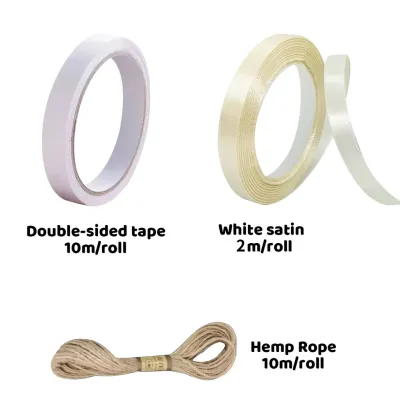
Lastly, consider how different finish types interact with adhesives. Matte, glossy, and textured finishes require different handling. Standard clear tape works exceptionally well on glossy and matte papers but often struggles to adhere to heavily textured, embossed, or glitter-coated surfaces. For textured or foil-stamped papers, double-sided tape or specialized craft adhesives are usually required to secure the seams cleanly. Understanding these material properties prevents frustration and ensures a flawless, professional finish.
Matching Wrapping Paper Styles to Gift Occasions
Building a versatile wrapping paper inventory allows you to be prepared for any event without last-minute stress. Rather than buying a new roll for every single birthday or anniversary, curate a foundational collection of papers that can be adapted for various occasions. By matching the formality and style of the paper to the significance of the event, you elevate the presentation and show the recipient that thought was put into every detail.
Everyday and Casual Gifting
For frequent, informal, or spontaneous gifts, prioritize versatility and cost-effectiveness. Neutral patterns, solid pastel or jewel tones, and simple geometric designs are highly adaptable across different age groups and occasions. Reversible wrapping papers—featuring a solid color on one side and a simple pattern on the other—are exceptionally useful, effectively giving you two design options in a single roll and reducing the need for extensive storage.
Look for standard-weight materials (around 70 to 80 GSM) that are easy to cut, fold, and tape without requiring specialized tools. These papers are highly economical and perfect for quick wrapping sessions. Standard roll dimensions, typically around 50 to 70 centimeters in width, are highly manageable on standard household tables and fit easily into common storage spaces, making them the ideal choice for everyday gifting needs.
Premium and Formal Presents
For formal events, luxury gifts, or major milestones such as weddings and significant anniversaries, select papers that make a strong visual statement. Premium finishes like foil stamping, metallic accents, deep embossing, or heavy-weight textured papers immediately elevate the presentation. These papers catch the light beautifully and convey a sense of prestige and care.
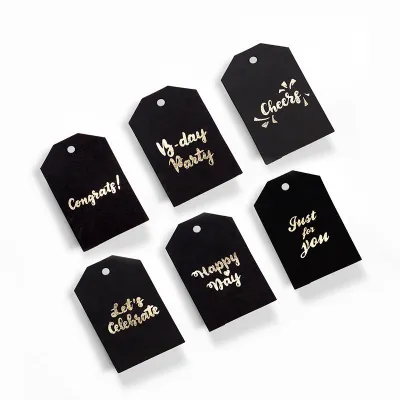
When choosing premium paper, verify its colorfastness and edge quality. High-quality inks should not rub off on your hands during the wrapping process, and the paper should feature clean, precision-cut edges that resist fraying. To complete the high-end look, consider purchasing matching accessories from the same supplier, such as coordinating fabric ribbons, wax seals, and high-quality cardstock gift tags, ensuring a cohesive and polished aesthetic.
Eco-Friendly and Sustainable Choices
As environmental awareness grows, selecting sustainable wrapping paper has become a priority for many. When shopping for eco-friendly options, look for verifiable labeling on the packaging, such as certifications from recognized forestry organizations or indicators of high post-consumer recycled content. These labels ensure the paper was sourced from responsibly managed forests or recycled materials.
To ensure your wrapping paper can actually be recycled after use, avoid papers coated with plastic laminates, metallic foils, or heavy synthetic glitters, as these elements cannot be processed by standard recycling facilities. Instead, opt for uncoated, matte papers printed with soy-based or water-based inks, which are fully recyclable and biodegradable.
Alternatively, explore creative sustainable materials such as unbleached brown kraft paper, which offers a rustic, minimalist aesthetic that can be personalized with natural jute twine and dried botanicals. Plantable seed paper, which contains embedded wildflower seeds, is another wonderful option that recipients can plant in their gardens. Reusable fabric wraps, such as traditional Japanese furoshiki, also serve as a beautiful, zero-waste alternative that doubles as an extra gift.
Navigating Local Retailers and Online Channels
Finding the right wrapping paper in Singapore involves exploring both physical retail stores and online channels, each offering distinct advantages. Visiting physical stationery stores, neighborhood bookshops, or boutique paperies allows you to physically feel the paper weight, inspect the print quality, and verify the true colors under natural light. This tactile inspection is invaluable when sourcing paper for high-end or formal gifts where texture and quality are paramount.
For a wider variety of designs, bulk purchasing options, and niche international brands, online marketplaces and ecommerce platforms are highly convenient. When shopping online, read customer reviews carefully, paying close attention to feedback regarding print resolution and shipping protection. Wrapping paper is highly susceptible to denting, creasing, and water damage during transit, so look for reputable sellers who ship rolls in sturdy cardboard tubes rather than soft plastic mailers.
If you are looking for unique, small-batch artisan papers or locally designed patterns, explore specialized craft stores and boutique lifestyle shops located in creative hubs like Bras Basah Complex or independent retail districts. These boutique retailers often collaborate with local artists to produce limited-edition wrapping papers that add a highly personal, localized touch to your gifts.
Before finalizing any online purchase, ensure the product listing clearly states the exact dimensions (width and length) and material composition of the paper. Avoid listings with vague descriptions, and verify the shipping origin to estimate delivery times accurately, ensuring your paper arrives well in advance of your gifting event.
Practical Wrapping and Storage Guidelines
To achieve a professional, clean look and minimize waste, use the appropriate tools and techniques for your chosen paper. A sharp pair of scissors or a dedicated rolling paper cutter is essential for achieving straight, clean edges without snagging or tearing the paper. When working with delicate, high-gloss, or textured finishes, apply double-sided tape along the inner seams to keep the exterior completely seamless and free of visible tape lines.
Singapore’s tropical climate, characterized by high humidity, poses unique challenges for paper storage. Excess moisture can cause wrapping paper to warp, wrinkle, or develop mold over time. To preserve the quality of your paper, store rolls upright in a dedicated container or flat in airtight plastic storage bins. Keep them in a cool, dry place away from direct sunlight to prevent the vibrant colors and metallic finishes from fading.
Finally, maximize your materials by saving leftover scraps. Do not discard smaller offcuts; instead, store them in a designated folder or box. These scraps are perfect for wrapping small jewelry boxes, creating custom patchwork designs, or cutting out handmade gift tags and decorative paper bands to wrap around solid-colored packages, ensuring that nothing goes to waste.
Frequently Asked Questions (FAQ)
How do I calculate the right amount of wrapping paper for a box?
To determine the correct size, place your box on the paper. To find the required width, wrap the paper completely around the box; it should overlap by about 3 to 5 centimeters. For the length, the paper on each end should extend slightly more than half the height of the box. This ensures that when you fold the ends inward, they meet neatly in the center without leaving gaps or creating bulky, excess layers that are difficult to tape down.
What are the visual signs of high-quality wrapping paper?
High-quality wrapping paper features crisp, high-resolution printing with sharp lines and vibrant, consistent colors. There should be no signs of pixelation, color bleeding, or ink smudging when you rub the surface gently. Additionally, when you fold the paper, it should hold a sharp, clean crease without cracking along the fold line or exposing a white, fibrous core underneath.

Community discussion
Share your experience or ask a question. Comments are reviewed before publication.