
Finding the ideal weekly planner in Singapore requires matching your daily cognitive load and writing habits to a specific layout, paper weight, and binding style. Because a planner is both a functional tool and a daily companion, the right choice depends on how you naturally process tasks—whether you visualize your week as a chronological timeline or as a flexible list of priorities. By evaluating your writing instruments, your daily commute, and your organizational routine, you can select a planner that streamlines your workflow rather than adding unnecessary friction to your day.
The humid tropical climate of Singapore can also affect paper behavior, making the choice of materials and binding more critical. High-quality paper fibers and robust cover materials prevent pages from warping or absorbing excess moisture from the air. Taking the time to understand the technical specifications of different planner brands ensures that your chosen tool remains pristine and functional throughout the year.
Match Your Workflow to the Right Weekly Layout
The layout of your weekly planner dictates how you interact with your schedule on a daily basis. Horizontal layouts, which divide the page into horizontal blocks for each day, are highly suited for those who use their planner as a journal or a simple task list. This format provides wide lines that accommodate natural handwriting, making it easy to write short narrative summaries of your day or list a few key priorities without feeling constrained by hourly grids. It is an excellent choice for individuals whose days are self-directed rather than dictated by a dense schedule of appointments.
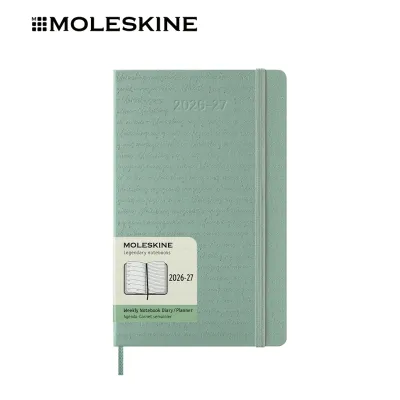
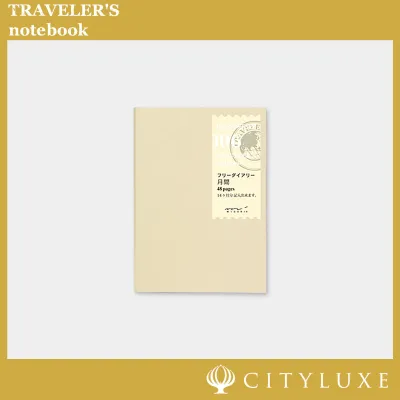
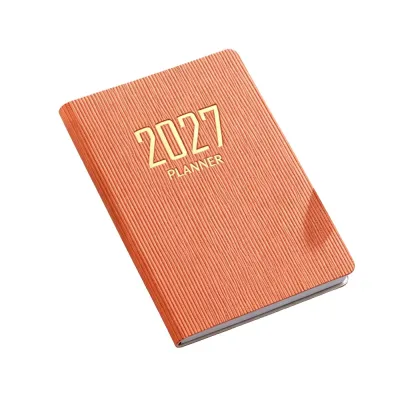
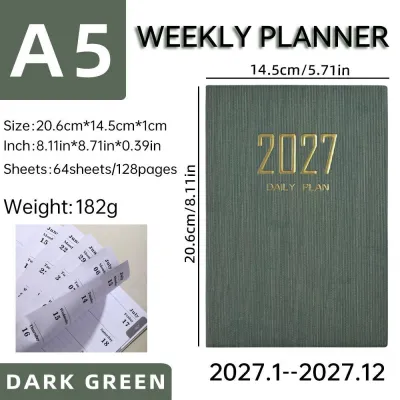
Products mentioned in this guide
![[2 in 1] 2027 Winnie-The-Pooh Classic Monthly Planner + Weekly Planner / Notebook-(A5 | 120 pages)|ROYCE PUBLISHING](https://img.lazcdn.com/g/p/e80990a67cd76a5aff09f199057fca0f.jpg_400x400q80.jpg_.webp)
Prices are valid at publication and may change. Please refer to the product page for the latest price.
Conversely, vertical layouts organize the week into vertical columns, often marked with hourly or half-hourly time increments. This structure is designed specifically for time-blocking, a productivity method where you allocate specific blocks of time to individual tasks or meetings. If your professional life involves managing multiple client consultations, project deadlines, or scheduled calls, a vertical layout allows you to see your open time slots at a glance. This visual representation helps prevent overcommitment and ensures you allocate sufficient travel time between different locations.
Beyond the orientation of the days, you must consider the overall spread design, specifically comparing one-page-per-week layouts against two-page-per-week spreads. A one-page-per-week layout typically places the weekly schedule on the left page and leaves the right page blank, lined, or gridded for notes and brainstorming. This hybrid format is highly versatile for those who need to jot down random ideas, phone numbers, or weekly shopping lists alongside their scheduled tasks. A two-page-per-week spread, however, dedicates the entire open surface to the seven days of the week, offering maximum writing space for detailed daily logging and extensive task lists.
Finally, the choice between dated and undated formats represents a trade-off between structural discipline and absolute flexibility. Dated planners come pre-printed with specific calendar days, holidays, and week numbers, providing an immediate framework that encourages daily consistency and helps you build a long-term planning habit. Undated planners, on the other hand, leave the date fields blank for you to fill in manually. This format is highly economical for individuals who experience highly variable workloads or who travel frequently, as it allows you to pause planning during quiet weeks without leaving blank, wasted pages behind.
Check Paper and Binding Specs for Your Pen Collection
The interaction between your writing instruments and the planner paper is a fundamental aspect of the user experience. Paper weight is measured in grams per square meter (GSM), and this figure is a reliable indicator of how the paper will handle different types of ink. Standard planners often feature paper weights between 70 GSM and 80 GSM, which is perfectly adequate for ballpoint pens and pencils but will likely suffer from ghosting or bleed-through if you use wet gel pens, rollerballs, or fountain pens. If you prefer writing with rich, dark inks or colorful highlighters, look for planners that specify a paper weight of 100 GSM to 120 GSM to ensure a clean, double-sided writing surface.

In addition to weight, the specific paper formulation and coating play a significant role in drying speed and ink resistance. Some premium planners utilize specialized Japanese paper, which is engineered to be incredibly thin and lightweight yet highly resistant to ink bleeding and feathering. However, because these papers often feature a smooth, non-porous coating, wet inks may take longer to dry, increasing the risk of smudging if you close the planner too quickly. If you are left-handed or prefer fast-drying setups, a slightly toothier, uncoated paper with a higher GSM may provide a more practical and smudge-free writing experience.
The binding method of your planner directly affects its durability and how comfortable it is to write near the center margins. Thread-sewn binding, also known as Smyth-sewn, is widely considered the gold standard for planners because it allows the book to lay completely flat on your desk when opened. This flat surface ensures that you can write comfortably across the entire page without having to hold the book down with your non-dominant hand. Spiral or wire-o binding also offers excellent lay-flat performance and allows you to fold the planner completely in half to save desk space, though the metal or plastic coils can sometimes get in the way of your hand depending on whether you are left- or right-handed.
The cover material of your planner is your primary defense against daily wear and tear, especially during a daily commute on public transit. Hardcovers provide a rigid, stable writing surface that allows you to make quick notes while standing or sitting without a desk, and they offer maximum protection for the pages inside. Softcovers, made from flexible cardstock or thin leather, are significantly lighter and conform easily to the shape of a crowded bag, making them highly portable. Synthetic covers, such as those made from polyurethane or water-resistant fabrics, are particularly practical for protecting your notes from accidental spills or high humidity.
Select Organizational Features That Fit Your Routine
Modern weekly planners often come equipped with a variety of built-in organizational tools designed to help you track your habits, manage your finances, or set long-term goals. While features like habit trackers, monthly budget sheets, and mood logs can be incredibly helpful for personal development, they can also become a source of clutter if they do not align with your actual routine. Before purchasing a planner with extensive pre-printed tracking sections, consider whether you will realistically use them or if you would benefit more from a minimalist design that leaves those pages blank for custom notes.
Practical physical additions can significantly enhance the daily utility of your planner, especially when you are on the move. A built-in pen loop keeps your preferred writing instrument securely attached to the book, eliminating the need to rummage through your bag when you need to make a quick note. Elastic closure bands are equally valuable, as they prevent the planner from opening accidentally in your bag, which can lead to bent pages or torn covers. Look for planners that include at least two ribbon bookmarks, allowing you to keep one marked on the current month’s calendar and the other on the active weekly spread for rapid navigation.
For those who use their planner to document detailed project notes, meeting minutes, or creative ideas, page numbering and an index are essential archiving features. Some planners include pre-printed page numbers and a blank index table at the front of the book, allowing you to create a personalized table of contents as you fill the pages. This system makes it incredibly easy to locate specific entries months after you wrote them, transforming your daily planner into a highly organized reference archive. If your preferred planner lacks these features, you can easily replicate them by manually numbering the pages and dedicating the first few sheets to a custom index.
Where to Test and Buy Weekly Planners in Singapore
To find a weekly planner that truly matches your tactile preferences, visiting physical retail stores in Singapore is highly recommended. Specialty stationery boutiques, lifestyle stores, and major bookshops located in central shopping districts offer the opportunity to handle different planners in person. In these physical spaces, you can run your fingers over the paper to assess its texture, test the flexibility of the binding, and observe how flat the pages lie when opened to different sections. This hands-on evaluation is the most reliable way to ensure the planner feels comfortable to use before making a financial commitment.
If you prefer the convenience of online shopping, navigating official brand websites and reputable ecommerce platforms provides access to a much wider variety of international planner brands. When shopping online, it is crucial to look past the aesthetic cover designs and carefully read the technical specifications provided in the product descriptions. Verify the exact dimensions, paper weight (GSM), page count, and layout style to avoid surprises when the package arrives. Reading verified customer reviews can also offer valuable insights into how the paper performs under real-world conditions and whether other users have experienced issues with binding durability.
Regardless of where you choose to purchase your planner, always review the retailer’s return and exchange policies before finalizing your transaction. This precaution is particularly important when buying stationery online, as paper products can occasionally suffer from manufacturing defects, such as misaligned printing, torn pages, or weak bindings that crack upon first use. Ensuring that the seller offers a straightforward return or replacement policy for defective items provides peace of mind and protects your investment, allowing you to shop with confidence as you prepare for the upcoming planning year.
Final Decision Framework: Which Planner Type Fits You?
Choosing the right weekly planner ultimately comes down to aligning your daily scheduling needs with the physical characteristics of the book. If your day is structured around hourly appointments, client meetings, or strict study sessions, a vertical time-blocking layout is the most effective tool to keep you organized. This format provides a clear visual representation of your day, helping you manage your time efficiently and identify open slots for focused work. Pair this layout with a durable hardcover if you frequently find yourself planning on the go without the support of a desk.
For those who prefer a more flexible, creative, or task-oriented approach to planning, a horizontal layout or a weekly notebook format is the ideal choice. This style is perfect for bullet journaling, sketching, or writing detailed daily reflections, as it does not confine your thoughts to rigid hourly columns. It allows you to migrate tasks easily from day to day and accommodates varying amounts of writing without leaving large, empty spaces that can make your planner feel incomplete.
Finally, if you are a stationery enthusiast who enjoys using fountain pens, wet gel pens, or vibrant markers, you must prioritize paper quality and binding above all other aesthetic features. Seek out planners that explicitly specify high-GSM paper or renowned ink-resistant paper brands, and ensure the book features a high-quality thread-sewn binding. By focusing on these technical specifications first, you can guarantee a smooth, bleed-free writing experience that makes the daily act of planning a genuine pleasure.
Frequently Asked Questions (FAQ)
Can I use fountain pens in any weekly planner?
Not all weekly planners are compatible with the wet ink of fountain pens. To prevent issues like feathering, where the ink spreads along the paper fibers, or bleed-through, where the ink seeps to the other side of the page, you should check the product specifications for paper weight and coating. Look for planners that feature a paper weight of 100 GSM or higher, or those that explicitly state they use fountain-pen-friendly paper. It is always a good practice to perform a small pen test on an inconspicuous back page of your new planner before writing extensively.
Are undated weekly planners better for beginners?
Undated weekly planners are often highly beneficial for beginners because they remove the pressure of maintaining a perfect, uninterrupted daily record. If you miss a few days or even an entire week due to a busy schedule or vacation, you can simply write in the next date and continue planning without wasting any pages. This flexibility makes undated planners a low-stress option for developing your organizational habits. However, if you find that you need the external discipline of pre-printed dates and calendars to keep yourself accountable, a traditional dated planner may provide the structured routine you need to stay consistent.
Community discussion
Share your experience or ask a question. Comments are reviewed before publication.