
Selecting the perfect wedding card brand in Singapore is a balancing act of design, paper quality, and budget. Your wedding invitation is the very first glimpse your guests will have of your celebration, setting the tone for the venue, formality, and theme. Navigating the options—from local bespoke letterpress studios to convenient online design platforms and hands-on DIY projects—requires a clear understanding of stationery materials and printing logistics. By focusing on key selection criteria, paper specifications, and local postal guidelines, you can confidently choose a stationery solution that fits your aesthetic and financial goals.
Define Your Wedding Card Style and Aesthetic
Before reaching out to card designers or browsing online catalogs, you must establish the visual direction of your wedding stationery. The design style should act as an extension of your wedding theme, color palette, and venue. For instance, a grand ballroom wedding at a historic hotel calls for formal, heavy-weight cardstock with classic finishes, while an outdoor garden ceremony at Fort Canning or a casual restaurant reception pairs beautifully with textured, organic papers and botanical illustrations.
Common design styles include minimalist, traditional, floral, and modern typography. Minimalist designs rely on clean lines, generous white space, and elegant serif fonts to convey sophistication. Traditional styles often feature classic red and gold color schemes for Chinese tea ceremonies, or formal script on cream cardstock for church services. Floral and botanical designs utilize watercolor illustrations or leafy borders to create a romantic, natural feel. Modern typography focuses on bold layouts, asymmetrical text placement, and contemporary color blocks.
Products mentioned in this guide
![[SG SELLER] 3D Pop Up Greeting Cards Valentine Cards Wedding Cards Anniversary Engagement Thank you Cards Festive Season Cards Happy Anniverary](https://img.lazcdn.com/g/p/a2c75e45055ac80534988f63eb56718a.jpg_400x400q80.jpg_.webp)
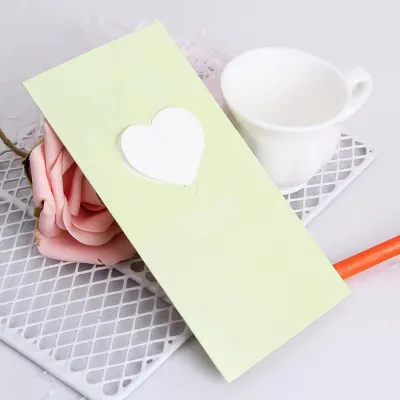
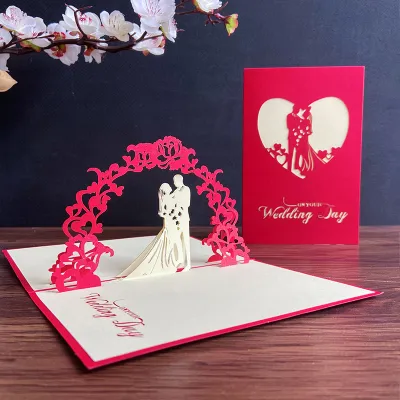
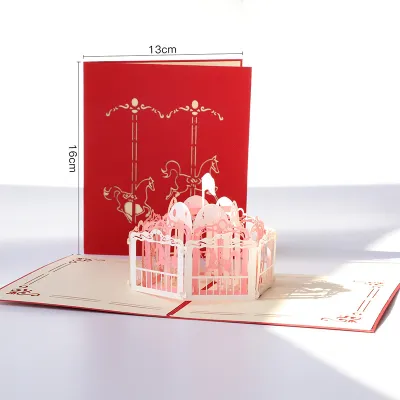
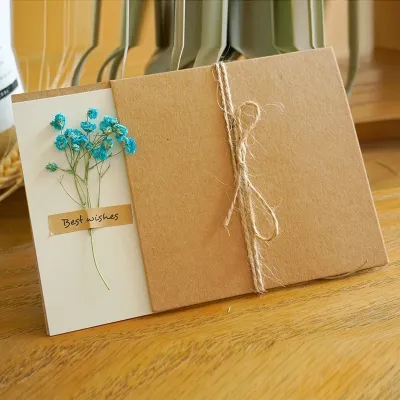
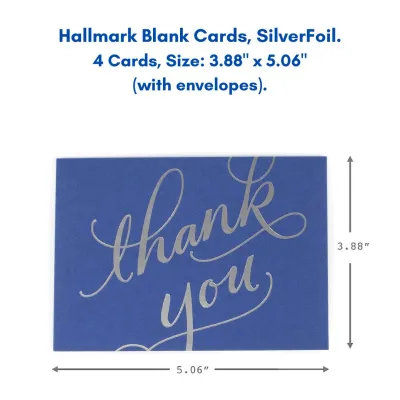
Prices are valid at publication and may change. Please refer to the product page for the latest price.
To elevate these styles, consider the tactile experience of different paper textures and printing finishes. Uncoated cotton paper (typically 300 gsm to 600 gsm) is highly absorbent and soft, making it the premier choice for letterpress printing because the deep, pillowy fibers hold the physical impression beautifully. Linen paper offers a classic, subtle crosshatch pattern that adds structure and elegance. Translucent vellum overlays can be layered on top of solid cards to add depth and a modern touch.
Printing finishes also play a significant role in the final aesthetic. Hot foil stamping uses heat and pressure to transfer metallic foil (such as gold, rose gold, or silver) to the paper, creating a luxurious, reflective finish. Embossing raises the design elements above the paper surface without ink, while debossing presses the design down into the paper. Understanding these material combinations allows you to communicate your vision clearly to potential suppliers.
Plan Your Wedding Card Budget
Establishing a realistic budget early prevents unexpected expenses from disrupting your wedding planning. When calculating costs, break down the stationery suite into individual components: base printing, premium materials, custom envelopes, embellishments, and postage. Digital printing is flat and uses standard inks, making it the most cost-effective and fastest production method. In contrast, letterpress and foil stamping require custom metal plates (dies) for every unique design, which introduces a high fixed setup cost regardless of whether you print 50 or 500 cards.

Material choices and physical embellishments will also influence the final price in S$. Upgrading to extra-thick cardstock (such as duplexed or triplexed paper), sourcing custom-colored envelopes, or adding handmade elements like wax seals, silk ribbons, and eyelets will increase the cost per unit. To keep your budget balanced, consider prioritizing premium finishes only on the main invitation card, while using standard digital printing for secondary items like RSVP cards, detail sheets, and map inserts.
When planning your quantities, remember to calculate based on the number of households, not the individual guest count. A guest list of 150 people typically only requires 80 to 90 invitations, as couples and families receive a single card. Always allocate a portion of your budget for postage. In Singapore, postal rates depend on the weight, thickness, and shape of the envelope. Keeping your invitation suite light and within standard dimensions will help you avoid higher non-standard postage fees.
Evaluate Local Card Suppliers and Design Studios
When assessing wedding card vendors in Singapore, establish a structured evaluation framework to ensure quality and reliability. Begin by reviewing the vendor’s portfolio to check for print consistency, alignment, and ink coverage. Look closely at how they handle fine lines, small text, and solid color blocks, as these are common areas where printing defects can occur.
Determine whether the vendor offers semi-custom collections or fully bespoke design services. Semi-custom collections allow you to change the text, colors, and sometimes the fonts of an existing template, which is faster and more budget-friendly. Bespoke services involve creating an entirely original design from scratch, offering maximum flexibility but requiring a larger investment of time and money.
Always inquire about the proofing process. While digital proofs (PDFs) are standard for verifying text and layout, they cannot accurately represent paper texture or ink color. Ask if the studio offers physical sample kits. Feeling the paper weights in person and seeing how different printing techniques look on various paper stocks is invaluable for making an informed decision.
| Supplier Type | Pros | Cons | Best For |
|---|---|---|---|
| Online E-Commerce Platforms | Lower cost, fast turnaround, interactive online design tools | No physical proofing, limited paper options, self-assembly required | Budget-conscious couples, simple designs |
| Local Boutique Studios | Personalized consultations, custom paper sourcing, high-end printing finishes | Higher cost, longer production timelines | Complex, multi-layered suites, bespoke artwork |
| Commercial Printers | Cost-effective for high volumes, fast printing | Limited design assistance, strict file preparation requirements | Couples with print-ready designs |
Before signing a contract, ask essential questions regarding turnaround times, reprint policies, and envelope inclusion. Ensure you understand the timeline for design revisions, printing, and shipping. Confirm the vendor’s policy if a printing error occurs: will they rush-print replacements at no extra cost? Finally, verify if envelopes are included in the base price or if they must be purchased separately.
Explore Custom and DIY Wedding Card Options
For couples seeking a highly personalized touch or looking to optimize costs, custom illustrations and DIY assembly offer excellent alternatives. Collaborating with an independent illustrator or graphic designer allows you to incorporate bespoke elements, such as a custom watercolor venue illustration, a personalized monogram, or a hand-drawn map of your wedding location. Once the artwork is finalized, you can purchase the high-resolution digital files and work with a local commercial printer to manage production.
If you choose a fully DIY route, you can source blank cardstock, envelopes, and embellishments from specialty paper merchants or local stationery shops, such as those located in Bras Basah Complex. When selecting cardstock for home printing, verify the maximum paper weight your printer can handle. Most standard home inkjet and laser printers struggle with cardstock heavier than 220 gsm. Always use the rear-feed tray of your printer to keep the paper path as straight as possible and prevent paper jams.
Test your ink and paper compatibility before printing the entire batch. Pigment-based inks offer excellent water resistance and rich color on uncoated cotton papers, but they require longer drying times on coated, metallic, or pearlescent papers to prevent smudging. If you plan to write guest names using calligraphy or hand-lettering, perform a trial run on a scrap piece of paper to check for ink feathering or bleeding.
When assembling your cards, prioritize safety and precision. If you need to trim cardstock or vellum sheets, always use a sharp utility knife, a non-slip metal ruler, and a self-healing cutting mat to ensure clean, straight edges. If you are applying wax seals, use a low-temperature glue gun with flexible wax sticks rather than traditional melting spoons over an open flame. This method reduces the risk of accidental burns and ensures the wax seals remain flexible enough to survive automated postal sorting machines without cracking.
Finalize Your Order and Delivery Checklist
To avoid costly mistakes and printing delays, establish a strict proofreading and ordering protocol before giving the final approval to print. Create a checklist to verify every detail on your invitation suite. Have at least three different people review the final digital proof to catch any overlooked errors.
- Names: Verify the spelling of your names, parents' names, and wedding party members.
- Dates and Times: Double-check that the day of the week matches the calendar date (e.g., ensuring Saturday actually falls on the specified date).
- Venues: Confirm the exact spelling of the venue name, room or ballroom name, and the correct postal code.
- RSVP Details: Check the RSVP deadline, contact methods (such as a website URL or phone number), and dietary requirement prompts.
- Bilingual Text: If printing cards with Chinese characters or other languages, verify the characters and formal titles with family members to ensure cultural accuracy.
When calculating your final order quantity, always add a 10% to 15% buffer to your household count. This extra stock is essential for addressing mistakes, last-minute guest list additions, and keeping a few pristine copies as personal keepsakes. Reordering a small run of 10 to 15 cards later is incredibly expensive because the printer must set up the printing press and plates all over again.
Finally, verify local shipping timelines and postage requirements. Take one fully assembled invitation suite—including the envelope, card, inserts, and any embellishments like ribbons or wax seals—to a local post office. Have the postal staff weigh and measure it to confirm the exact postage required. In Singapore, standard regular mail must fit within specific dimensions (up to 240mm x 162mm x 6mm) and weigh under 20g. Square envelopes, heavy wax seals, or thick ribbons often classify as non-standard mail, which requires higher postage fees and manual sorting.
Frequently Asked Questions (FAQ)
How far in advance should I order my wedding cards?
Save-the-dates should be sent out 6 to 8 months before the wedding, especially if you have overseas guests who need to plan travel. Main invitations should be mailed 2 to 3 months prior to the wedding day. To meet these timelines comfortably, begin researching and contacting card suppliers 6 to 9 months in advance. This allows 4 to 6 weeks for design iterations and proofing, and another 2 to 4 weeks for printing, assembly, and addressing.
What is the standard size for a wedding invitation?
The most common international standard size for wedding invitations is 5×7 inches (approximately 127mm x 178mm), which fits perfectly into an A7 envelope. This size is widely supported by local printers and envelope manufacturers. Other popular options include A5 (148mm x 210mm) for a larger, more formal presentation, and A6 (105mm x 148mm) for smaller detail or RSVP cards. Always ensure your card dimensions match standard envelope sizes available in Singapore to avoid the high cost of custom envelope fabrication.
Community discussion
Share your experience or ask a question. Comments are reviewed before publication.