
Selecting the right thread for sewing is the foundation of any successful needlework project, determining whether your seams will lie flat, stretch with movement, or snap under tension. The ideal choice depends entirely on matching the thread’s fiber, thickness, and construction to your fabric and machine. By understanding how thread characteristics interact with different needles and sewing techniques, you can prevent common frustrations like skipped stitches, puckering, and thread breakage.
Understanding Thread Basics: Weight, Material, and Ply
To make an informed decision when buying thread for sewing, you must first decipher the specifications printed on the spool’s label. The most critical of these is thread weight, which indicates the thickness of the strand. In most systems, such as the weight (wt) or Tex system, there is an inverse relationship between the numerical value and the physical thickness of the thread. For example, a 50wt thread is much thinner and finer than a 30wt thread, meaning higher numbers represent finer threads, while lower numbers indicate heavier, thicker strands.
The material composition of the thread dictates how it behaves under tension, heat, and moisture. Natural fibers like cotton and silk offer excellent heat resistance and a classic matte or soft finish, but they lack the high elasticity of synthetic fibers. Synthetic threads, such as polyester and nylon, are engineered for high tensile strength, excellent stretch recovery, and resistance to chemical degradation. Understanding these material properties allows you to select a thread that matches the performance characteristics of your base fabric.
Products mentioned in this guide
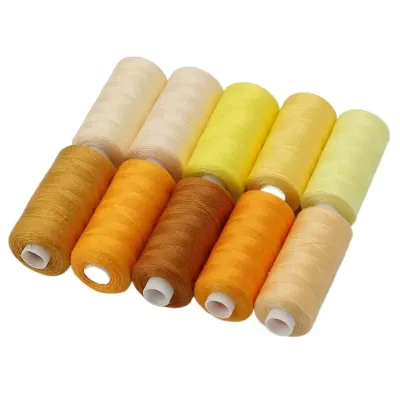
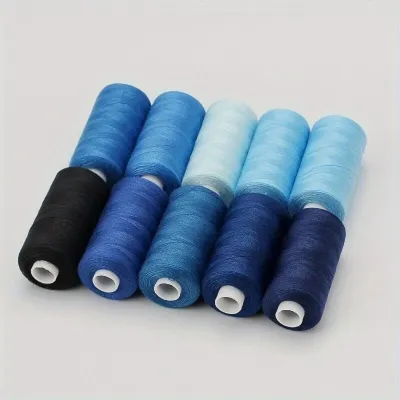
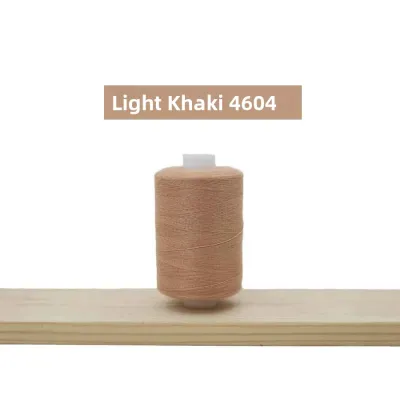
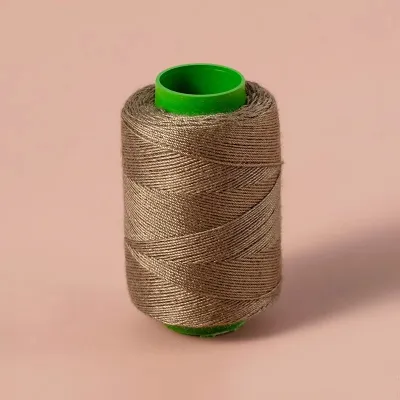
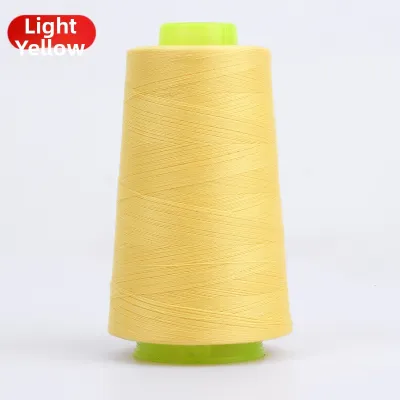
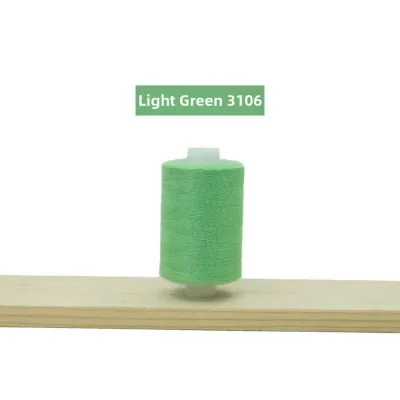
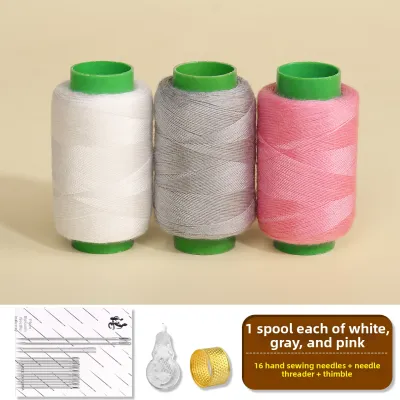
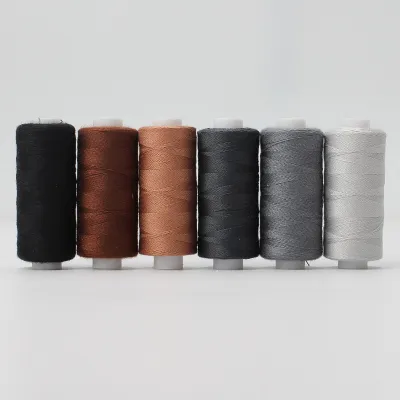
Prices are valid at publication and may change. Please refer to the product page for the latest price.
Ply refers to the number of individual strands, or single yarns, that are twisted together to create the finished thread. A spool labeled as 50wt/2 consists of two strands of 50-weight yarn twisted together, whereas a 50wt/3 thread uses three strands, making it stronger and slightly thicker. Higher ply counts generally increase structural strength and durability, though they also make the thread more visible in the seam. Checking the spool label for these precise weight, material, and ply specifications is the essential first step before setting up your machine or starting any hand-sewing project.
Matching Thread Material to Your Fabric and Project
When selecting a thread, the golden rule of garment construction and needlework is to match the thread’s fiber content to that of your fabric. This ensures that when the finished item is washed, ironed, or stretched, both the fabric and the seams react in unison. Mismatched materials can lead to uneven shrinkage, broken seams, or fabric tearing at stress points over time.

Cotton and Polyester Threads for Everyday Sewing
For general garment construction, quilting, and everyday household sewing, cotton and polyester are the two primary workhorses. 100% cotton thread is the traditional choice for quilting, patchwork, and sewing woven natural fabrics like cotton, linen, and lightweight wool. Cotton thread has virtually no stretch, possesses a beautiful matte finish, and can withstand high-heat pressing with a steam iron without melting. This heat resistance makes it indispensable for projects that require frequent, crisp pressing during construction.
In contrast, polyester and poly-blend threads are highly versatile synthetics that offer superior tensile strength and a slight, built-in stretch. This elasticity makes polyester thread for sewing the ideal choice for synthetic fabrics, knit materials, and high-stress seams in activewear or everyday apparel. Polyester is highly resistant to shrinking, fading, and mildew, ensuring that seams remain secure even after repeated machine washings. When working on high-stress seams in natural fabrics, using a high-quality polyester thread can prevent premature seam failure, provided the fabric itself is robust enough to handle the stronger synthetic fibers.
Silk, Nylon, and Specialty Fibers for Specific Needs
Specialty projects and delicate fabrics require fibers that go beyond the capabilities of standard cotton or polyester. Silk thread is highly valued in tailoring, basting, and sewing delicate silk or fine wool garments. Its incredibly smooth surface allows it to glide through fabrics without leaving noticeable needle holes or lint, making it perfect for temporary basting stitches and hand-sewn buttonholes. Because silk is both strong and exceptionally fine, it creates nearly invisible seams that lie perfectly flat.
For heavy-duty applications such as upholstery, outdoor gear, sails, and heavy canvas bags, nylon and heavy-duty polyester threads are the industry standards. Bonded nylon thread offers exceptional strength and abrasion resistance, allowing it to withstand the extreme tension of heavy-duty sewing machines and the harsh conditions of outdoor exposure. These threads are designed to hold heavy, dense materials together under significant physical stress without fraying.
However, using these heavy-duty or highly rigid threads on delicate, lightweight fabrics is a common mistake that can ruin a project. A thread that is significantly stronger and stiffer than the surrounding fabric will not give when the garment is pulled or worn. Instead of the thread stretching or yielding, the rigid stitches will cut through the delicate weave, causing the fabric to tear cleanly along the seam line. Always verify the weight and stiffness of your specialty thread against a scrap piece of your fabric before proceeding.
Selecting the Right Thread Weight for Different Tasks
Choosing the correct thread thickness is just as important as selecting the right material. The thickness of your thread must be compatible with both the weight of your fabric and the size of your sewing machine needle to ensure smooth stitch formation.
Standard Weights for Garment Construction
For the vast majority of everyday sewing tasks, threads in the 40wt to 50wt range are the universal standard. A 50wt polyester or cotton thread is thin enough to sink into standard apparel fabrics without creating bulky seams, yet strong enough to hold garments together through regular wear and tear. This range is ideal for piecing quilts, constructing shirts, sewing dresses, and installing zippers.
To achieve clean stitches with standard-weight threads, you must pair them with the appropriate needle size, typically a universal or sharp needle in sizes 70/10 or 80/12. If the needle eye is too small, the thread will rub against the sides, causing friction that leads to skipped stitches, shredding, or sudden breakage. Conversely, if the needle eye is too large, the thread will wander, resulting in loose, uneven stitches. Always consult your sewing machine’s instruction manual to verify the recommended thread weight and needle size ranges for your specific model to avoid mechanical jams and timing issues.
Fine and Heavy-Duty Weights for Specialized Techniques
When your needlework moves away from standard garment construction, you must adjust your thread weight and needle selection accordingly. Fine threads, ranging from 60wt to 100wt, are designed for delicate tasks such as micro-stitching, intricate appliqué, heirloom sewing, and sewing rolled hems on sheer fabrics like chiffon or organza. These lightweight threads require very fine needles, such as a Microtex or sharp needle in size 60/8 or 70/10, along with a careful reduction in your machine’s upper tension settings to prevent the delicate thread from snapping during operation.
On the other end of the spectrum, heavy-duty threads of 30wt or thicker are required for decorative topstitching on denim, sewing heavy canvas bags, and creating robust buttonholes. These thick threads require a larger needle, such as a denim or topstitching needle in size 90/14 or 100/16, which has a larger eye and a deeper groove to accommodate the thick strand.
Before using heavy-duty threads, perform a thorough safety and equipment check. Verify that your sewing machine’s tension discs, bobbin case, and needle eye can physically accommodate the thicker thread without forcing it. Forcing a heavy thread through a machine that is not designed for it can bend the needle, scratch the stitch plate, or damage the internal tension mechanism. If you encounter resistance or unusual mechanical noise during a test run on scrap fabric, stop immediately, consult your machine’s manual, or seek professional technical assistance.
Specialty Threads for Embroidery and Decorative Sewing
Unlike construction threads, which are engineered to hold seams together under tension, embroidery and decorative threads are designed for surface embellishment, high sheen, and visual impact. Using construction thread for dense embroidery designs often results in a stiff, dull finish, whereas specialty embroidery threads provide the flexibility and luster required for beautiful decorative motifs.
Rayon and polyester are the two most popular choices for machine embroidery. Rayon thread is famous for its exceptionally high, silk-like luster and soft hand feel, making it the traditional favorite for intricate decorative stitching. However, rayon is less durable and less resistant to chlorine bleach than polyester. Polyester embroidery thread offers a similar brilliant sheen but provides superior colorfastness, strength, and resistance to abrasion, making it the better choice for children’s clothing, workwear, and frequently laundered linens.
Metallic threads add a striking, reflective accent to holiday projects and evening wear, but they are notoriously delicate and prone to breaking. When sewing with metallic thread, you must use a specialized metallic needle, which features a polished, enlarged eye and a unique groove to minimize friction. Additionally, you should reduce your sewing machine’s speed by half, lower the top tension, and use a thread stand to allow the metallic strand to untwist smoothly before entering the machine’s tension discs.
Variegated threads, which feature repeating color changes along a single strand, are excellent for adding visual texture and depth to quilting and decorative borders. For projects where you do not want the stitches to be visible, such as stitch-in-the-ditch quilting or securing intricate appliqué shapes, invisible monofilament thread made of nylon or polyester is the preferred choice.
To maintain balanced tension and prevent excessive lint buildup when using these specialty threads on top, always use a high-quality, standard 50wt or 60wt polyester or cotton thread in the bobbin. This ensures that the delicate or textured specialty thread remains on the surface of the fabric where it belongs, while the smooth bobbin thread keeps the underside of the stitches secure and clean.
Common Thread Mistakes and How to Avoid Them
Even with the perfect fabric and needle, simple thread oversights can lead to broken needles, ruined projects, and machine damage. One of the most common errors is using old, degraded thread from a vintage sewing basket. Over time, exposure to air, dust, and light causes fibers to dry out and rot, making them brittle. Before starting a project, perform a simple “pull test” by holding a short length of thread between your hands and giving it a sharp tug. If it snaps effortlessly with minimal resistance, the thread has degraded and should be discarded rather than used for structural seams.
Another frequent mistake is mismatching the weights or materials of your top and bobbin threads. While specialty threads on top often require standard polyester in the bobbin, everyday garment construction requires matching the top and bobbin threads in both weight and fiber type. Mismatching these can cause uneven tension, resulting in puckered seams, bird’s-nesting under the fabric, or unbalanced stitches where the bobbin thread is pulled to the top.
Finally, proper storage is critical to preserving the life and performance of your thread collection, especially in tropical environments like Singapore. High relative humidity and warm temperatures can encourage the growth of mold and mildew on natural fiber threads, while direct sunlight fades colors and weakens synthetic fibers. Store your spools in airtight, clear plastic containers away from direct sunlight and damp areas. This simple practice keeps your thread dust-free, dry, and strong, ensuring it performs flawlessly every time it passes through your machine.
Frequently Asked Questions (FAQ)
Can I use regular sewing thread for machine embroidery?
While regular sewing thread can physically pass through an embroidery machine, it is not recommended for dense embroidery designs. Standard thread for sewing is designed for strength and has a matte finish, which will make embroidery designs look dull and bulky. Furthermore, regular sewing thread creates more lint and lacks the high-speed tensile strength of dedicated embroidery thread, leading to frequent thread breakage, skipped stitches, and potential machine jams during dense stitching.
Does sewing thread expire or go bad over time?
Sewing thread does not have a strict calendar expiration date, but its structural integrity degrades over time due to environmental exposure. Threads exposed to UV light, dust, and high humidity will dry out, lose their tensile strength, and become brittle. To check if a thread is still usable, pull a length of it sharply between your hands; if it snaps easily or feels excessively dusty and fuzzy, discard it or use it only for temporary basting, as it will fail under the stress of a structural seam.
Community discussion
Share your experience or ask a question. Comments are reviewed before publication.