
Selecting the right snap button pliers set requires evaluating three core factors: the material of the snaps you intend to install, the mechanical build quality of the tool, and the range of interchangeable dies included in the set. A well-chosen set ensures that closures on garments, bags, and home textiles remain secure through repeated laundering and daily use. By focusing on die compatibility, handle leverage, and material durability, you can select a tool that delivers clean, professional results without damaging your fabrics.
Unlike traditional buttonholes or zippers, snap fasteners rely on precise mechanical compression to lock their components together. If your pliers do not match the exact specifications of your snaps, you risk crushing the fasteners, tearing your fabric, or creating closures that easily pull apart. Understanding the relationship between the tool, the snap material, and your fabric layers is the first step toward achieving clean, durable results.
Understanding Snap Button Pliers and Compatibility
Snap fasteners are not uniform, and understanding their distinct categories is essential before choosing a tool. The most common types are plastic (resin) snaps and metal snaps, each requiring different handling. Plastic snaps, often made of polyacetal resin, are highly popular for baby clothes, cloth diapers, and lightweight activewear due to their rust-proof nature and lightweight feel. These snaps require a pliers set equipped with soft, contoured rubber or silicone collar dies that cradle the rounded cap of the snap, preventing it from cracking under pressure.
Products mentioned in this guide
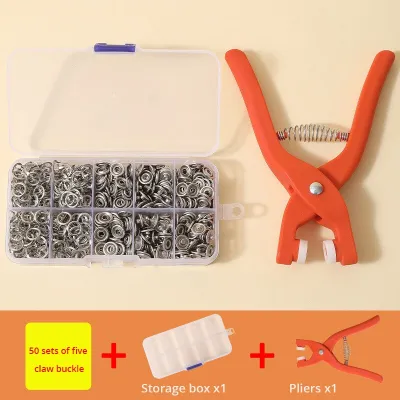
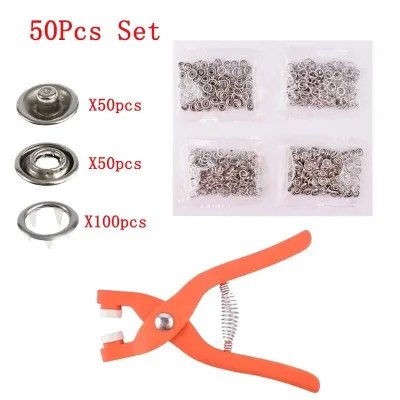
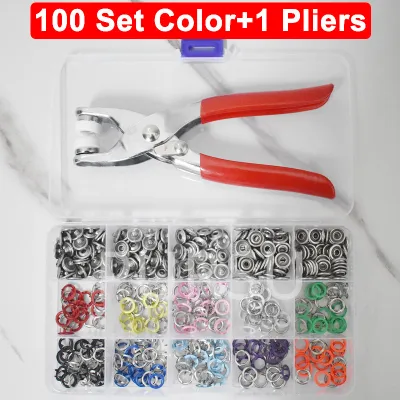
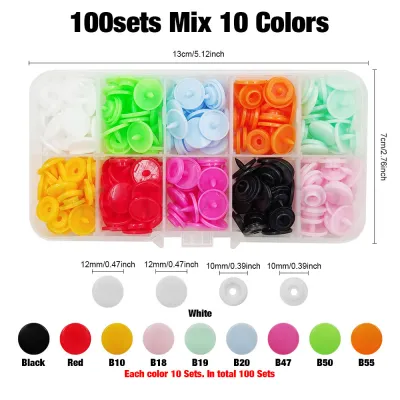
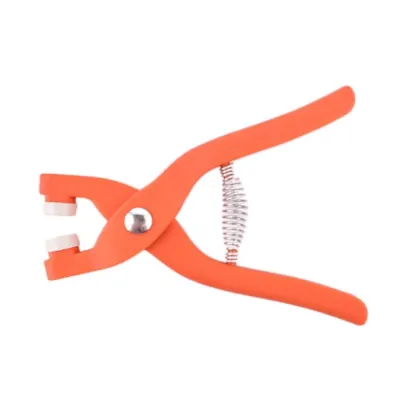
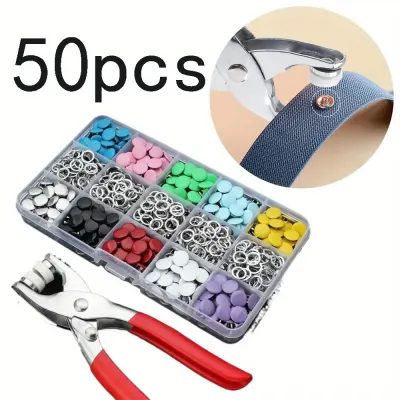
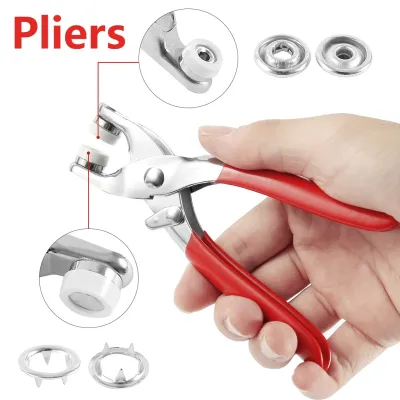
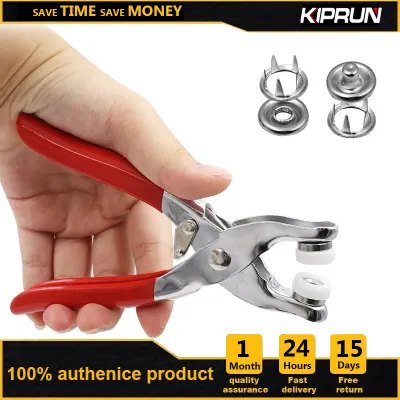
Prices are valid at publication and may change. Please refer to the product page for the latest price.
Metal snaps present a different set of requirements and are generally divided into pronged ring snaps and post-style utility snaps. Pronged ring snaps are ideal for knitwear and jersey fabrics, as the fine prongs penetrate the knit fibers without cutting them. Post-style utility snaps are much heavier and are designed for dense materials like canvas, denim, or leather. Metal snaps require rigid metal dies, typically machined from steel or brass, to properly crimp the metal post or flatten the prongs. Attempting to use a plastic-oriented die on a heavy metal snap will often result in uneven pressure, ruined fasteners, or damaged dies.
Before purchasing a pliers set, always check the manufacturer’s specifications for die sizes, which are typically measured in millimeters or standard sizing codes. For example, plastic snaps frequently use sizes like T3 (10.7 mm), T5 (12.4 mm), and T8 (14.1 mm). Ensure the pliers set you choose includes the exact die sizes matching the fasteners you plan to use, as even a half-millimeter mismatch can cause the snap to sit crookedly or fail to latch. Some specialized sets also offer adapters for metal utility snaps, such as those sized at 12 mm or 15 mm, providing greater versatility for mixed-media projects.
Fabric thickness and stabilization also dictate compatibility. Snaps require a specific amount of post length to clear the fabric layers and crimp securely. If your fabric is too thick, the post will not reach the die; if it is too thin, the snap will wobble and eventually tear the fabric. A compatible pliers set should be evaluated alongside the appropriate snap post lengths for your specific fabric stack, which often includes the outer fabric, lining, and a necessary layer of fusible interfacing to reinforce the attachment point.
Essential Build Quality and Ergonomic Features
The physical construction of the pliers directly impacts both the longevity of the tool and the ease of your sewing workflow. Look for pliers constructed from heavy-duty materials such as drop-forged steel or high-grade aluminum alloy. Lightweight plastic or thin, stamped-metal pliers tend to flex under pressure, which misaligns the dies and leads to incomplete or deformed snap installations. A rigid metal body ensures that the force you apply to the handles is transferred directly and evenly to the snap components.

Ergonomics play a vital role, especially during projects that require installing dozens of snaps in a single session, such as cloth diapers or long button-down shirts. Opt for handles that feature non-slip, cushioned grips made of rubber or thermoplastic elastomer (TPE). The handle length is also critical; longer handles provide superior mechanical leverage, allowing you to apply the necessary crimping force with minimal hand strain. This is a crucial consideration for crafters with limited hand strength or joint sensitivity, as proper leverage reduces the physical effort required to achieve a secure crimp.
Inspect the jaw alignment and the precision of the die seats. The upper and lower jaws must meet in precise parallel alignment throughout the squeezing motion. If the jaws twist or meet at an angle, the pressure will be concentrated on one side of the snap, crushing the cap or leaving the post under-crimped. A high-quality pivot joint, secured with a robust bolt rather than a loose rivet, prevents lateral play and maintains this alignment over years of use. Additionally, a smooth, spring-loaded return mechanism reduces hand fatigue by automatically reopening the jaws after each press.
Another build feature to consider is the ease of swapping dies. High-quality pliers utilize a simple, secure system for changing the upper and lower dies, such as a threaded screw or a snug-fitting friction slot. Avoid tools that require excessive force or specialized, hard-to-find tools to change the dies, as this can lead to stripped threads and render the pliers unusable for other snap sizes.
Matching the Set to Your Sewing Frequency and Projects
Your choice of a snap button pliers set should align with how often you sew and the types of projects you undertake. For occasional menders who only need to replace a missing snap on a raincoat, add a simple closure to a handmade pouch, or repair a baby onesie, a basic, compact pliers set is often sufficient. These entry-level sets typically include standard dies for common sizes like T5 plastic snaps and require minimal storage space in a sewing basket, making them a practical addition to a household repair kit.
For frequent crafters, garment makers, or those working on heavy-duty items like bags, outerwear, and upholstery, a modular, heavy-duty pliers system is highly recommended. These advanced sets feature interchangeable metal and plastic dies, adjustable pressure screws, and a wider throat depth to accommodate snaps placed further from the fabric edge. Investing in a robust system ensures you can transition seamlessly from delicate baby knits to thick denim or canvas without compromising on the professional quality of the finish.
Evaluate the completeness of the accessories included in the set. A comprehensive kit should feature a sharp awl for pre-piercing dense fabrics, a screwdriver or hex key for swapping out dies, and spare rubber cushions for the plastic snap dies. Well-organized storage, such as a dedicated plastic case with labeled compartments for different die sizes and snap components, saves time and prevents the frustration of searching for misplaced parts during a project. Having these accessories on hand ensures you can prepare your fabric and maintain your tool without needing separate purchases.
Consider the availability of replacement parts and additional die sizes within the brand’s ecosystem. If you plan to expand your sewing skills to include specialized projects like heavy leatherwork or delicate lingerie, choosing a pliers brand that offers individual, compatible dies for purchase later is a smart, cost-effective strategy. This prevents the need to buy an entirely new pliers set when your project requirements evolve.
Practical Verification and Testing Steps
To ensure clean installations and protect your projects from damage, always perform a series of practical checks before working on your final garment. Begin with a visual alignment check by slowly closing the pliers without any snap components installed. The upper die should seat securely into the lower die without rubbing against the sides or showing any visible gaps on one side, which indicates a straight and true alignment.
Next, conduct a test press using scraps of the exact fabric, interfacing, and thickness as your actual project. This step is vital because fabric thickness determines how much of the snap’s prong or post will protrude before crimping. Squeeze the handles firmly and evenly, then inspect the set snap. Check that the cap is smooth and unmarred, the prongs are fully flattened or the post is neatly rolled, and the snap does not spin or wobble when pulled. Try snapping and unsnapping the test piece several times to ensure the closure is secure but not overly difficult to open.
Establish clear stop conditions during your testing phase. If you observe that the pliers slip off the snap cap, crack the plastic resin, or fail to pierce the fabric cleanly, halt the process immediately. These issues indicate either a mismatch in die size, insufficient fabric stabilization, or a misalignment in the tool itself. Adjusting your setup on scrap fabric prevents irreversible damage to your finished sewing projects, saving you from the tedious and risky process of removing a ruined snap from delicate garment fabric.
Condition-Based Selection Guide by User Profile
To help you navigate the selection process, consider the following structured framework tailored to different skill levels and project requirements.
| User Profile | Recommended Features | Key Accessories | Typical Projects |
|---|---|---|---|
| Beginner / Occasional | Lightweight aluminum body, T5 plastic snap compatibility, cushioned rubber grips, clear size markings. | Storage case, basic awl, screwdriver, starter pack of T5 resin snaps. | Baby clothes, lightweight pouches, simple repairs, bibs. |
| Advanced / Frequent | Drop-forged steel body, interchangeable metal and plastic dies (T3, T5, T8), adjustable pressure screw. | Heavy-duty awl, multiple rubber cushions, metal snap adapters, organized compartment box. | Outerwear, canvas bags, leather goods, cloth diapers, heavy denim. |
When shopping, keep a sharp eye out for red flags that indicate a low-quality tool. Avoid sets that feature unlabeled dies, as guessing the correct size leads to ruined fasteners and wasted materials. Steer clear of pliers with visible play or wobbling at the pivot joint, as this guarantees uneven pressure and failed installations. Finally, reject any set that lacks clear material compatibility guidelines or fails to include basic maintenance tools like a die-changing screwdriver, as these omissions often point to a tool that will not last beyond a few basic projects.
Frequently Asked Questions (FAQ)
Can I use a single pliers set for all snap button sizes and materials?
While many high-quality pliers sets feature interchangeable dies, a single tool cannot universally accommodate every snap button size and material. The physical jaw size, throat depth, and maximum leverage of standard hand pliers are typically optimized for light to medium-duty snaps, such as plastic resin snaps and small metal ring snaps. Extremely large, heavy-duty metal snaps used for boat covers or thick leather jackets often require a heavy bench-mounted press or a specialized hammer-and-anvil setter to generate the immense force needed for a secure crimp. Always verify the manufacturer’s specified size range and material compatibility for each included die before attempting to install a new snap type.
What should I do if the snap button crushes or deforms during pressing?
If a snap button crushes or deforms, first verify that you are using the correct die size and shape for that specific snap brand and material. A common mistake is using a flat metal die on a rounded plastic cap, which concentrates pressure on the center and cracks the resin. If the dies are correct, check your alignment to ensure the snap is sitting completely flat in the lower die before squeezing. For delicate resin or painted metal snaps, placing a thin scrap of fabric or a small piece of masking tape over the die can help distribute pressure and prevent surface damage. If the issue persists, stop immediately and inspect the pliers’ pivot joint and die seats for any signs of damage or misalignment.
Community discussion
Share your experience or ask a question. Comments are reviewed before publication.