
Selecting the correct packaging consumables is a critical decision that directly impacts transit security, brand presentation, and operational efficiency. Finding the ideal packaging consumable means matching your shipping requirements with the reliable performance of the smartpack product line, ensuring your goods remain secure from the warehouse to the customer’s doorstep. Choosing the right tape or label requires evaluating your specific box materials, package weights, and the environmental conditions your shipments will encounter during transit.
In tropical environments like Singapore, high ambient humidity and elevated temperatures can severely test the limits of standard adhesives. A tape that performs perfectly in a temperature-controlled fulfillment center may fail when loaded into a delivery vehicle or stored in an unconditioned warehouse. By understanding the physical properties of different backing materials and adhesive formulations, you can systematically eliminate shipping failures, reduce product damage, and streamline your entire fulfillment workflow.
Quick Selection Framework for Smartpack Tapes and Labels
Matching your packaging consumables to the physical demands of your shipment is the first step toward a damage-free delivery. Tapes and labels serve entirely different but complementary roles in the shipping ecosystem. While tapes are engineered to provide structural integrity, secure flaps, and offer tamper evidence, labels are responsible for routing accuracy, handling instructions, and inventory control. Using the wrong product for either task can lead to opened boxes, lost shipments, or damaged contents.
Products mentioned in this guide
![[1/2/3/4 pcs] SingPost Smartpac Medium size - for using within Singapore only - Prepaid Packaging with Tracking](https://img.lazcdn.com/g/p/8f2c3c3994c2d6fb1e87feebed85f10b.jpg_400x400q80.jpg_.webp)
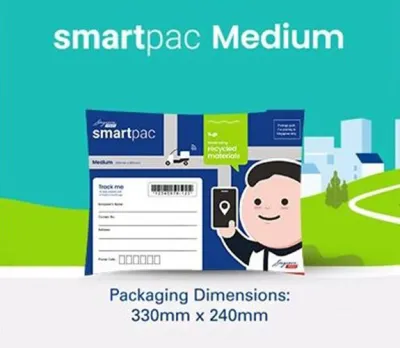
![*FREE SHIPPING* [CHOOSE OPTION] Singapore Post Smartpac Small Smartpac Medium Mini Lite 600g 1kg Singpost Smart pac Sing Post PolyM Poly M](https://img.lazcdn.com/g/p/ca35df7d5aaeef118422794879cc317a.jpg_400x400q80.jpg_.webp)
Prices are valid at publication and may change. Please refer to the product page for the latest price.
To establish an efficient packing workflow, you must evaluate three primary variables: the container material, the total package weight, and the environmental exposure. Recycled corrugated cardboard, for example, has shorter fibers and more surface dust than virgin kraft paperboard, requiring a more aggressive initial adhesive grab. Similarly, heavy parcels exert continuous outward pressure on box flaps, demanding tapes with high tensile strength and shear resistance.
| Packaging Challenge | Primary Requirement | Recommended Smartpack Solution |
|---|---|---|
| Standard light-to-medium cartons | Cost-effective, reliable sealing | Clear or Tan BOPP Tape (Acrylic Adhesive) |
| Recycled or dusty cardboard boxes | High initial tack, fast bond | Clear or Tan BOPP Tape (Hot Melt Adhesive) |
| Heavy, high-value, or oversized cargo | Tamper-evident, structural bond | Reinforced Water-Activated Kraft Paper Tape |
| Local e-commerce shipping labels | High-speed, ink-free printing | Direct Thermal Shipping Labels (4×6 Inches) |
| Long-term storage or export shipping | Moisture, UV, and scratch resistance | Thermal Transfer Labels (with Wax/Resin Ribbon) |
| Fragile or temperature-sensitive goods | Clear handler communication | Pre-Printed Warning and Handling Labels |
Evaluating Smartpack Tape Options by Material and Adhesive
Adhesive tape is the primary line of defense for any shipped parcel. The smartpack range offers distinct backing materials and chemical adhesive formulations designed to address specific packaging challenges, from lightweight courier bags to heavy industrial cartons.

Clear and Tan BOPP Tapes
Biaxially Oriented Polypropylene (BOPP) is the industry standard backing material for general carton sealing. BOPP tapes offer excellent tensile strength and resistance to splitting under tension, making them highly reliable for automated case sealers and manual hand dispensers alike. Clear BOPP tape is favored for modern e-commerce fulfillment because it provides a clean, professional appearance and can be applied directly over printed branding or barcodes without obstructing visibility. Tan BOPP tape, conversely, is ideal for hiding box seams, covering old shipping marks on reused cartons, and presenting a uniform, utilitarian look.
When selecting a BOPP tape, the chemical formulation of the adhesive is just as important as the backing material. Acrylic adhesives are water-based and offer exceptional resistance to ultraviolet (UV) light and long-term aging. They maintain their bond integrity over a wide temperature range and do not yellow over time, making them the preferred choice for goods stored in warehouses for extended periods. However, acrylic adhesives require a brief wet-out period to reach their maximum bond strength.
For immediate, aggressive adhesion, hot melt adhesives are highly effective. Hot melt tapes utilize a synthetic rubber-based adhesive that dry-bonds instantly to surfaces. This rapid grab makes hot melt tape excellent for sealing recycled corrugated boxes, which often feature shorter fibers and residual surface dust that can interfere with slower-curing adhesives. The trade-off is that hot melt adhesives can soften and lose shear strength when exposed to sustained high temperatures, such as those found in unventilated shipping containers or delivery vans during midday heat.
To ensure your tape can withstand the physical forces of transit, always verify the thickness of the tape, which is typically measured in microns. Standard-duty tapes range from 40 to 45 microns and are suitable for cartons weighing up to 10 kilograms. For medium-to-heavy parcels weighing between 10 and 20 kilograms, a 48-to-50-micron tape provides the necessary puncture resistance and tensile strength to prevent accidental bursts.
Kraft Paper and Water-Activated Tapes
For businesses seeking a highly secure, tamper-evident, and environmentally conscious sealing method, kraft paper tapes represent an excellent alternative to plastic film. Standard self-adhesive paper tape utilizes a pressure-sensitive natural or synthetic rubber adhesive, allowing for quick manual application without plastic backing. This tape is easily torn by hand, simplifying the packing process for low-volume operations while remaining fully recyclable alongside the corrugated box.
Water-Activated Tape (WAT), also known as gummed paper tape, offers the highest level of carton security available. Unlike pressure-sensitive tapes that merely stick to the surface of a box, water-activated tape features a starch-based adhesive that penetrates the porous fibers of the corrugated cardboard when moistened. As the adhesive dries, it creates an inseparable, molecular bond that fuses the tape and the box into a single structural unit. Any attempt to open the carton will visibly tear the cardboard fibers, providing undeniable, tamper-evident proof of pilferage.
For heavy, oversized, or high-value shipments, reinforced water-activated tape incorporates a grid of fiberglass filaments laminated between two layers of kraft paper. This reinforcement prevents the tape from stretching or tearing under extreme weight or rough handling. Implementing water-activated tape requires specialized dispensing equipment. Low-volume packers can utilize manual pull-and-cut dispensers, while high-volume fulfillment centers benefit from electronic water-activated tape dispensers that automatically moisten, cut, and deliver precise lengths of tape at high speeds.
Specialty and Double-Sided Tapes
Non-standard packaging applications often require specialized adhesive formulations to secure internal components or bundle irregular items. Double-sided tissue and foam tapes are highly effective for securing internal product packaging, mounting marketing inserts, or assembling retail displays. Double-sided tissue tape provides a very thin, low-profile bond line that is ideal for securing paperboard dividers or protective foam inserts inside a luxury product box. Double-sided foam tape, with its thicker, compressible carrier, excels at bonding uneven surfaces and absorbing shocks during transit.
When bundling heavy items such as metal rods, plastic tubes, or industrial parts, standard packaging tapes lack the tensile strength to hold the load together. Filament tape, which features continuous fiberglass yarns running along the length of the backing, provides immense tensile strength and resistance to stretching. Strapping tape, often made from tensilized polypropylene, offers high elongation and memory, allowing it to absorb sudden impacts without snapping. These tapes are designed to secure heavy pallets or bundle loose items without leaving adhesive residue upon removal.
Before applying any specialty or double-sided tape, it is crucial to verify the surface energy of the materials you are bonding. High-surface-energy materials, such as metals, glass, and unpainted cardboard, bond easily with most adhesives. Low-surface-energy materials, including polyethylene poly mailers, polypropylene plastics, and silicone-treated release liners, repel standard adhesives. For these materials, you must select a specialty tape formulated with an aggressive, high-tack adhesive designed specifically for low-surface-energy substrates.
Choosing the Right Smartpack Labels for Logistics and Handling
Labels are the data carriers of the shipping world. Selecting the right label material and printing technology ensures that tracking barcodes remain readable by optical scanners throughout the entire supply chain.
Thermal and Laser Shipping Labels
Generating shipping labels for e-commerce platforms and courier services requires choosing between two primary thermal printing technologies: direct thermal and thermal transfer. Direct thermal labels are coated with a chemical, heat-sensitive layer that turns black when exposed to the printhead of a thermal printer. This technology requires no ink, toner, or ribbon, making it highly cost-effective and simple to maintain. Direct thermal printing is the standard choice for local courier shipments where the label only needs to remain legible for a few days or weeks.
However, direct thermal labels are highly sensitive to heat, ultraviolet light, and surface friction. In warm, sunny environments, prolonged exposure to direct sunlight or storage in a hot vehicle can cause the entire label surface to turn black, rendering the barcode unreadable. For long-term storage, export shipping, or items exposed to harsh outdoor conditions, thermal transfer labels are much more durable. This process uses a thermal printer to melt a carbon-based ribbon onto the label material, creating a permanent, highly scratch-resistant image that does not fade when exposed to heat or light.
Standard shipping labels for major global and regional couriers typically measure 4×6 inches (approximately 100mm x 150mm). Before purchasing label rolls, always verify compatibility with your specific printer model. Desktop thermal printers (such as those from Zebra, Dymo, or Brother) have strict limitations regarding maximum roll outer diameters and core sizes. Furthermore, consider whether your application requires a permanent adhesive, which prevents label peeling and tampering, or a removable adhesive, which allows customers or warehouse staff to peel the label off cleanly without leaving sticky residue.
Warning and Handling Labels
Pre-printed warning and handling labels are essential for communicating specific transit requirements to couriers and warehouse staff. Common handling labels include “Fragile,” “This Way Up,” “Keep Dry,” “Handle with Care,” and “Do Not Stack.” These labels utilize high-visibility fluorescent colors, such as bright red, orange, or yellow, combined with internationally recognized bold symbols to ensure they immediately catch the eye of busy logistics handlers.
To maximize the effectiveness of warning labels, implement a strategic placement policy. Applying a single “Fragile” label to the top of a large box is often insufficient, as the label may be obscured when cartons are stacked. Instead, apply handling labels to at least two opposite side panels of the carton, close to the main shipping address label. This ensures that regardless of how the box is oriented on a pallet or conveyor belt, the handling instructions remain visible to the operator.
Inventory and Color-Coding Labels
Internal warehouse organization and inventory control rely heavily on visual management systems. Color-coded circular or rectangular labels are highly effective for implementing a First-In, First-Out (FIFO) stock rotation system. By assigning a specific color to each day of the week or month of arrival, warehouse staff can instantly identify older stock that needs to be dispatched first, reducing inventory write-offs and ensuring product freshness.
For automated inventory tracking, blank printable labels are used to generate custom barcodes, QR codes, and bin location markers. These labels must be printed with high contrast and sharp edges to ensure rapid and accurate scanning by handheld barcode readers. If your warehouse staff manually writes batch numbers or dates on labels, or if you use standard office laser printers, ensure the label material is smudge-resistant. Standard paper labels with a matte finish absorb ink quickly, preventing smears that could compromise data legibility during handling.
Scenario-Based Recommendations for Common Packaging Tasks
To simplify your purchasing decision, we have synthesized these tape and label options into practical configurations tailored to common packaging scenarios.
Scenario 1: Standard E-commerce Order Fulfillment
For high-volume e-commerce businesses shipping standard consumer goods in lightweight to medium-weight corrugated boxes, efficiency and cost-control are paramount.
- Tape Recommendation: Clear or Tan BOPP Tape with a hot melt adhesive. The hot melt adhesive provides an instant, aggressive bond on standard and recycled cardboard boxes, allowing packers to seal cartons quickly without waiting for the adhesive to cure.
- Label Recommendation: 4×6 inch direct thermal shipping labels. These labels eliminate the ongoing cost of ink or ribbons and are perfectly suited for the short transit times of local courier networks.
Scenario 2: High-Value or Heavy Item Shipping
Shipping heavy electronics, industrial components, or high-value luxury goods requires maximum carton security and structural reinforcement to prevent theft and accidental openings.
- Tape Recommendation: Reinforced water-activated kraft paper tape. The fiberglass reinforcement provides exceptional tensile strength, while the starch-based adhesive fuses directly to the box fibers, creating a tamper-evident seal that cannot be peeled off and reapplied without detection.
- Label Recommendation: High-contrast thermal transfer labels for the shipping address, paired with prominent, fluorescent "Fragile" and "Handle with Care" warning labels applied to multiple sides of the box.
Scenario 3: Cold Chain or Humid Environment Transit
Shipping chilled foods, pharmaceuticals, or goods that must endure Singapore’s intense tropical humidity requires adhesives and label materials that resist moisture and condensation.
- Tape Recommendation: BOPP tape formulated with a specialized, high-performance acrylic adhesive or a cold-temperature synthetic rubber adhesive. Standard hot melt adhesives can soften in high humidity, whereas specialized acrylics maintain their shear strength when exposed to moisture.
- Label Recommendation: Synthetic thermal transfer labels (such as polypropylene or polyester) printed with a resin-based ribbon. These synthetic materials do not tear, smudge, or degrade when exposed to condensation, melting ice, or high humidity.
Scenario 4: Warehouse Inventory and Stock Rotation
Optimizing internal warehouse logistics requires clear visual cues and reliable tracking labels that remain legible on storage racks, bins, and pallet wraps.
- Tape Recommendation: Double-sided tissue tape for securing internal protective dunnage or fixing product cards inside storage bins, along with high-strength filament tape for securing heavy pallet loads.
- Label Recommendation: Color-coded day-of-the-week labels for FIFO stock management, alongside matte-finish, smudge-resistant barcode labels for bin locations and inventory scanning.
Critical Specifications to Verify Before You Buy
To avoid costly purchasing errors and operational downtime, always verify the technical compatibility of your selected tapes and labels with your existing hardware and packaging materials.
- Core Size and Outer Diameter: Tape rolls designed for manual hand dispensers typically feature a standard 3-inch (76mm) core. Automated case sealers, however, often require larger machine rolls with specific core and outer diameter limits. For labels, desktop printers usually accommodate rolls with a 1-inch (25.4mm) or 1.5-inch core, whereas industrial-grade printers require a 3-inch core. Always check your printer's physical clearance specifications before ordering.
- Adhesive and Surface Compatibility: Adhesives behave differently depending on the substrate. Before purchasing in bulk, conduct an observable trial check. Apply a sample strip of tape or a label to your specific packaging material (whether it is a recycled corrugated box, a poly mailer, or stretch wrap) and allow it to sit for 24 hours. Check for lifting at the edges or adhesive shearing under tension to ensure a reliable bond.
- Printer and Software Alignment: Ensure your label format matches your printer's sensing capabilities. Thermal printers detect label boundaries using either gap/notch sensors (for die-cut labels on a liner) or black mark sensors (for labels with a black line printed on the backing). Verify that your shipping software and printer driver settings are configured to match the physical layout of your label media.
- Storage Conditions: Adhesives and thermal coatings are chemically active materials that degrade over time if stored incorrectly. In warm, humid climates, store your unused tapes and labels in a cool, dry, temperature-controlled environment away from direct sunlight. High heat can cause tape adhesive to bleed from the sides of the roll, while humidity can warp paper liners and cause direct thermal labels to pre-activate, turning grey before they are ever printed.
Frequently Asked Questions (FAQ)
Can Smartpack direct thermal labels be used with any brand of thermal printer?
Yes, direct thermal labels are generally compatible with any brand of direct thermal printer, provided the physical dimensions of the label roll match the printer’s media specifications. You must verify that the roll’s core diameter, maximum outer roll diameter, and label width fit within your printer’s physical dimensions. Additionally, ensure your printer is configured to detect the correct media sensing type, such as a die-cut gap, a notch, or a continuous roll.
How do I safely remove tape adhesive residue without damaging the packaging?
To safely remove adhesive residue from reusable packaging or plastic containers, begin with gentle, non-destructive methods. Applying mild heat from a hairdryer on a low setting for 10 to 15 seconds can soften the adhesive, allowing you to peel it away or roll it off with your fingers. For plastic surfaces, a plastic scraper or the edge of an old credit card can gently lift remaining residue. Avoid using harsh chemical solvents on corrugated cardboard, as they will saturate and permanently degrade the paper fibers; instead, test any mild adhesive remover on a small, inconspicuous area first.
Community discussion
Share your experience or ask a question. Comments are reviewed before publication.