
Preparing your child for a new primary school year involves organizing dozens of individual items, from textbooks and exercise books to tiny erasers and color pencils. In a busy classroom environment where many students use identical school-issued materials, small stickers serve as an essential tool to prevent lost property and keep supplies organized. Choosing the right stickers requires balancing functional utility, adhesive durability, and safety. By selecting the appropriate sizes and materials, you can ensure that labels remain intact throughout the school terms while remaining easy to read for both teachers and young children.
Identify the Purpose: Labeling vs. Rewards vs. Decoration
To build an efficient back-to-school organization system, it is helpful to categorize your sticker needs into three distinct types: functional name labels, behavioral reward stickers, and decorative stickers. Each type serves a unique role in a primary school student’s daily routine, and mixing them up can lead to cluttered supplies or wasted resources.
Functional name labels are the most critical category. These stickers are designed solely for identification, featuring high-contrast backgrounds and clear text to display your child’s name and class. They must be durable enough to withstand daily handling, friction inside school bags, and occasional exposure to moisture. For textbooks, exercise books, files, and shared classroom supplies, functional labels are indispensable. Using decorative stickers for this purpose often backfires, as busy patterns or metallic finishes can obscure the text, making it difficult for teachers to identify the owner of a misplaced book.
Products mentioned in this guide
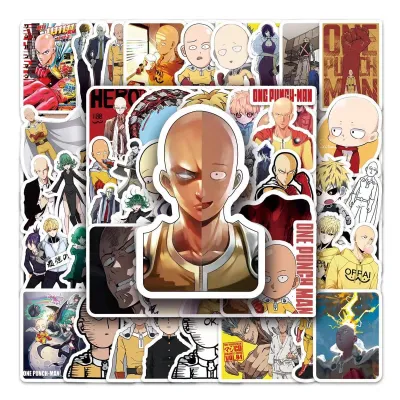
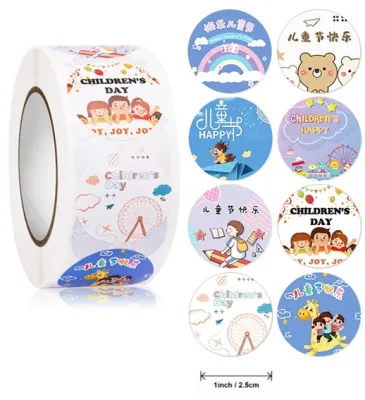
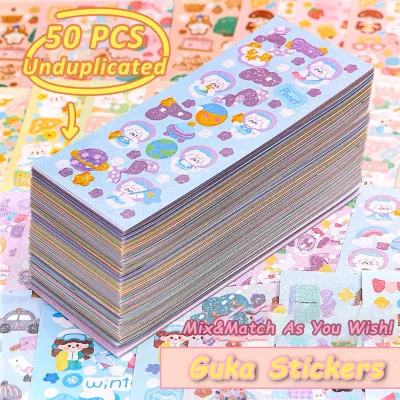
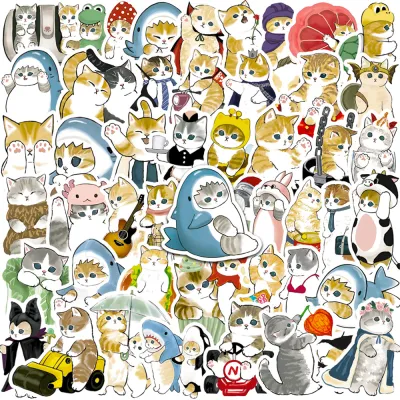
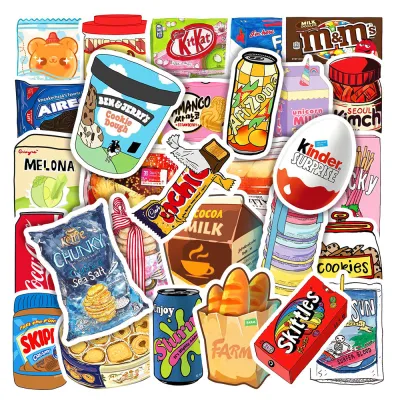
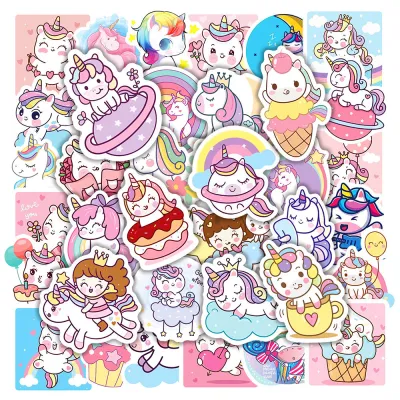
Prices are valid at publication and may change. Please refer to the product page for the latest price.
Behavioral reward stickers, on the other hand, are excellent tools for positive reinforcement at home. Parents can use these small, colorful stickers on chore charts, reading logs, or spelling practice sheets to track progress and celebrate small achievements. In the classroom, teachers frequently use similar reward stickers to acknowledge good work on worksheets. When buying reward stickers for home use, look for sheets featuring encouraging words or cheerful illustrations that appeal to your child’s age group.
Decorative stickers allow children to personalize their personal belongings, such as the outer covers of pencil cases, plain folders, or leisure notebooks. While personalization helps children feel a sense of ownership over their school gear, it is wise to establish clear boundaries. Restrict decorative stickers to non-academic items to avoid distractions during lessons. Assessing your child’s grade level and subject load will help you estimate the required quantity. A lower primary student taking English, Mathematics, Mother Tongue, and Art will typically require at least 50 to 80 individual name labels to cover every book, pencil, ruler, and paint bottle, whereas upper primary students with more specialized subject files may need even more.
Key Selection Criteria for School Stickers
Selecting the right small stickers involves evaluating their physical and material properties to ensure they perform well under daily school conditions. School supplies undergo constant friction, temperature changes, and handling by young hands, meaning low-quality stickers will quickly peel, fade, or tear.

First, evaluate the material thickness and edge quality. Stickers that are too thick or have poorly cut edges tend to catch on the fabric of pencil cases and school bags, causing them to peel off prematurely. Conversely, ultra-thin paper stickers may tear easily when exposed to minor friction. Look for synthetic materials like vinyl or polypropylene for items that experience heavy wear, while high-quality coated paper is sufficient for the inside covers of books.
Second, print clarity and contrast are paramount for functional labels. The text must remain legible even from a distance or under dim classroom lighting. Opt for matte or semi-gloss finishes that do not reflect harsh overhead lights, and ensure the font color contrasts sharply with the background.
Size and Readability for Name Labels
Matching sticker dimensions to specific school items is crucial for maintaining a neat and organized look. Standard primary school stationery items like pencils, slim erasers, and thin ruler edges require micro-sized or slim rectangular stickers, typically measuring around 20mm by 8mm. These slim labels wrap cleanly around curved surfaces without overlapping or peeling at the edges.
For larger items like textbook spines, exercise books, and plastic files, medium-sized rectangular stickers (approximately 30mm by 13mm or larger) provide enough space for both the child’s name and their class designation. When choosing or printing these labels, prioritize simple, bold typography over elaborate cursive fonts. A clean sans-serif font on a solid white or pastel background ensures that teachers can quickly identify the owner during book collection and distribution.
Adhesive Strength and Residue-Free Removal
Adhesive performance is a critical factor that varies depending on the surface material of the school supply. Permanent adhesives are ideal for personal items that undergo frequent handling or washing, such as water bottles, lunchboxes, and plastic textbook covers. These stickers use acrylic-based adhesives that cure over time, creating a water-resistant bond that survives daily washing and the humid tropical climate.
Conversely, temporary or removable adhesives are necessary for items that must eventually be returned or repurposed. If your child uses school-issued library books, shared folders, or rented materials, permanent stickers can damage the surfaces upon removal. Removable stickers use low-tack adhesives that allow you to peel the label off cleanly without tearing the underlying paper or leaving a sticky, dirt-attracting residue. Always check the product specifications to confirm whether the adhesive is classified as permanent, removable, or repositionable.
Matching Sticker Types to Specific School Items
To streamline your back-to-school preparation, it is highly effective to map specific sticker formats to the corresponding stationery items. Using the wrong sticker shape or material on an incompatible surface often leads to peeling, wasted labels, and lost items.
Small rectangular stickers are the most versatile format, fitting perfectly along the flat sides of rulers, glue sticks, scissors, and staplers. For cylindrical items like color pencils, crayons, and markers, ultra-slim wrap-around labels are preferred; applying these horizontally around the barrel ensures the edges stick to themselves, preventing the label from unrolling.
Circular stickers work exceptionally well on flat, round surfaces such as the caps of glue sticks, water bottle lids, or the corners of square lunchboxes. For larger items like art portfolios, music folders, and textbook covers, spacious square or large rectangular labels offer ample room to write the subject name, student name, and class year.
The following comparison table outlines the recommended sticker shapes, materials, and adhesive types for common primary school supplies:
| School Item Type | Recommended Sticker Shape | Ideal Material | Adhesive Requirement |
|---|---|---|---|
| Pencils & Color Pencils | Slim rectangular / Wrap-around | Flexible Vinyl | Permanent, high-tack |
| Water Bottles & Lunchboxes | Medium rectangular or circular | Waterproof Polypropylene | Permanent, water-resistant |
| Textbooks & Exercise Books | Medium to large rectangular | Coated Paper or Matte Vinyl | Permanent (for personal books) |
| Shared Folders & Library Books | Medium rectangular | Matte Paper | Removable, low-tack |
| Erasers & Ruler Edges | Micro rectangular | Standard Vinyl | Permanent, friction-resistant |
| Art Portfolios & Paint Bottles | Large rectangular or square | Waterproof Vinyl | Permanent, chemical-resistant |
Safety and Compliance Checks for Children's Stationery
Because primary school children handle their stationery daily, ensuring that adhesive products meet safety standards is a vital step for parents. Stickers are in close contact with hands, and younger children may occasionally touch their faces or mouths after handling labeled items.
When shopping for stickers, always check the product packaging or online specifications for non-toxic certifications. Look for recognized safety standards, such as the European EN71 standard or the ASTM D-4236 certification, which indicate that the materials and adhesives have been evaluated for safety. Avoid purchasing unbranded stickers from unverified sources that lack clear ingredient or safety labeling.
Be particularly cautious of stickers that emit strong chemical or solvent-like odors upon opening. This smell often indicates the presence of volatile organic compounds (VOCs) in the adhesive or ink, which can cause discomfort or skin irritation in sensitive children. Opt for water-based acrylic adhesives and soy-based inks where possible.
Additionally, inspect the physical design of the stickers. Avoid products with small, easily detachable plastic gems, raised 3D elements, or sharp metallic edges for younger primary students, as these can pose choking hazards or cause minor scratches. Review the manufacturer’s instructions to confirm that the stickers are intended for stationery use and are not designed for direct skin application, as cosmetic-grade adhesives follow different safety regulations.
Smart Shopping Strategies for Back-to-School Sticker Bundles
Planning your purchases systematically can save both time and money during the busy back-to-school season. Instead of buying individual sheets of stickers as needs arise, look for comprehensive sticker bundles on online marketplaces and stationery platforms.
Start by calculating your baseline quantity. Count the number of textbooks, exercise books, files, and individual stationery items your child will use. For a typical primary school student, a baseline of 100 to 150 name labels is usually sufficient to cover all core subjects, mother tongue classes, and co-curricular activities, with a few spares left over for mid-year replacements.
When browsing online marketplaces, compare multi-pack bundles against individual sheets. Bundles that offer a mix of sizes—such as a sheet of slim pencil labels, a sheet of medium book labels, and a few circular labels—frequently provide the best value, often ranging from S$5 to S$15 depending on customization options. Purchasing these pre-sorted sheets is generally much more cost-effective than buying separate packs of each size.
Before finalizing your purchase, read user reviews specifically looking for feedback on adhesive durability and print quality. Pay close attention to reviews from parents who mention how well the stickers hold up on plastic water bottles after multiple washes, or whether the ink fades when exposed to daily handling. This real-world feedback is invaluable for avoiding low-quality stickers that peel off within the first week of school.
Frequently Asked Questions (FAQ)
How do I remove sticky residue from textbooks without damaging the cover?
To remove stubborn adhesive residue from plastic-coated textbook covers, start with gentle, non-solvent methods. Rubbing a clean, high-quality vinyl eraser over the sticky area often rolls the residue into small clumps that can be easily wiped away. For slightly tougher residue, dampen a soft microfiber cloth with mild soapy water, wring it out thoroughly so it is barely damp, and gently wipe the spot. Always test any cleaning method on an inconspicuous corner of the book cover first, and stop immediately if you notice the printed ink or glossy finish beginning to degrade.
Are pre-printed name stickers better than blank ones for primary school?
Pre-printed name stickers offer a significant time-saving advantage, especially when you need to label dozens of items before the school term begins. They provide a uniform, highly legible look and are often printed with durable, smudge-proof inks. However, blank stickers offer greater flexibility. They allow you to write custom details, such as changing class names mid-year, or share the sheet among siblings. If you choose blank stickers, ensure you use a permanent, quick-drying marker to write the names to prevent smudging during daily use.
Community discussion
Share your experience or ask a question. Comments are reviewed before publication.