
Finding the right parcel drop bag size is a balance between protecting your items and avoiding excess shipping fees. If a bag is too small, the seams can burst during transit; if it is too large, the loose material can get caught in sorting machinery. To choose the correct size, you must measure your item’s length, width, and depth, then compare these dimensions against the bag’s actual usable space rather than its total external dimensions.
Understanding Parcel Drop Bag Dimensions
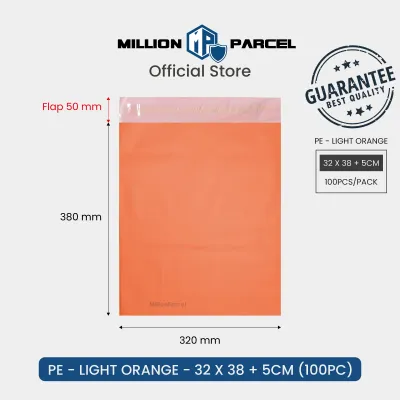
When shopping for shipping supplies, the dimensions printed on the packaging can sometimes be misleading. Manufacturers typically list the external width and length of the bag. However, the usable internal space is always smaller because of the side seams and the sealing flap. The sealing flap, which contains the adhesive strip, usually adds several centimeters to the total length but cannot be used to hold your item.
Additionally, you should consider whether the bag is flat or gusseted. A standard flat bag has no depth of its own, meaning any thickness in your item will pull the sides inward and reduce the available width and length. Gusseted bags feature folded pleats along the sides or bottom. These pleats expand when filled, allowing the bag to accommodate three-dimensional, bulky, or irregularly shaped items without putting excessive stress on the seams.
Products mentioned in this guide
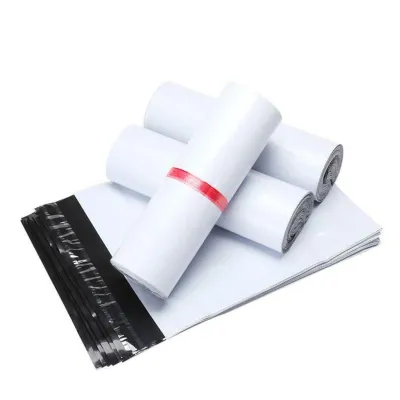
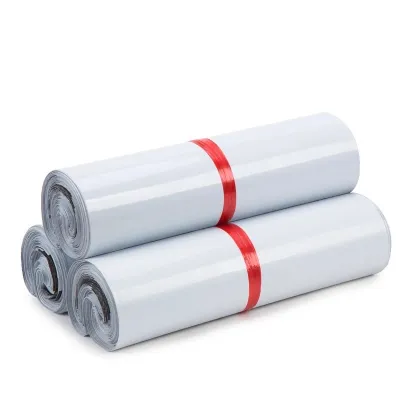
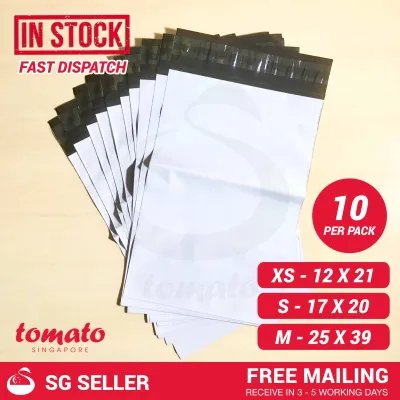
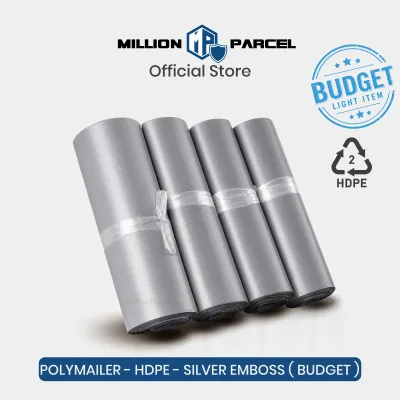
Prices are valid at publication and may change. Please refer to the product page for the latest price.
Matching Bag Sizes to Common Item Types
Selecting the right bag profile requires matching the flexibility and volume of the packaging to the physical characteristics of your item. Rigid items require precise measurements because they cannot bend to fit, whereas soft goods can be compressed into smaller spaces.

Documents, Books, and Flat Items
For flat, rigid items like documents, catalogs, or hardback books, standard flat bags without gussets are usually the most space-efficient choice. Because these items do not have much depth, they do not pull the sides of the bag inward as much as bulky items do. However, you should still add a small margin of at least 10 to 20 millimeters to the item’s width and length to prevent the sharp corners from puncturing or tearing the seams during transit. If your documents or books are highly sensitive to bending or creasing, consider placing a piece of rigid cardboard backing inside the bag or opting for a dedicated rigid cardboard mailer instead of a flexible plastic bag.
Clothing, Textiles, and Soft Goods
Apparel and textiles are highly compressible, making them ideal for standard flexible parcel bags. Before choosing a bag size, fold, roll, or vacuum-seal the garments into the exact shape they will take during shipping, then measure this compressed bundle. While standard flat bags work exceptionally well for single t-shirts or light summer wear, thicker items like winter jackets, sweaters, or multiple pairs of jeans often require gusseted bags to accommodate their bulk. When shipping textiles, always check the product label or manufacturer specifications to verify that the bag is water-resistant, protecting your fabrics from rain or humidity during delivery.
Electronics, Cosmetics, and Fragile Items
Fragile items like electronics, cosmetics, or glassware require a different approach because the bag itself provides minimal impact protection. For these goods, the parcel drop bag must be significantly larger than the item itself to accommodate necessary cushioning materials, such as bubble wrap, foam inserts, or crumpled paper. Never use thin, unreinforced bags for items with sharp edges, heavy components, or easily crushed packaging. Instead, check the manufacturer’s specifications for puncture resistance and tear strength, and ensure there is enough room to wrap the item securely before sealing it inside the bag.
Key Material and Feature Checks for Protection
To ensure your items arrive safely, you must look beyond simple dimensions and evaluate the material quality of the parcel drop bag. Rather than relying on visual estimates or how the plastic feels to the touch, check the manufacturer’s specifications for material thickness, which is typically measured in microns or mils. Thicker materials offer better resistance to punctures and tears, which is especially important if your shipment has sharp corners or will undergo rough handling.
The closure mechanism is another critical point of failure. Verify the quality of the self-adhesive sealing strip on the flap. High-quality bags feature a strong, permanent adhesive that becomes tamper-evident once sealed. If you are shipping heavy or valuable loads, do not rely solely on the built-in adhesive; perform a quick check to see if reinforcing the seal and corners with heavy-duty packing tape is necessary.
Finally, perform visual and label checks for opacity and water resistance. A completely opaque bag ensures privacy by concealing the contents from view, which helps deter theft. Water-resistant materials, such as polyethylene, protect the contents from weather exposure during transit, ensuring that rain or moisture does not ruin your items before they reach their destination.
Step-by-Step Sizing and Packing Checklist
To avoid shipping delays or damaged goods, follow this practical workflow to measure your items and select the perfect bag size:
- Step 1: Measure the item's dimensions. Prepare your item for shipping by wrapping it in any necessary protective layers, such as bubble wrap or tissue paper. Once fully wrapped, use a ruler or measuring tape to find the maximum length, width, and height of the bundle.
- Step 2: Add necessary margins. Calculate the required bag dimensions by adding margins to your measurements. As a general rule for flat bags, add the height of the item to both the width and length measurements, then add an extra 20 to 30 millimeters to ensure a comfortable fit that does not stretch the seams.
- Step 3: Cross-reference with specifications. Compare your calculated dimensions with the manufacturer's stated internal usable dimensions. Remember to ignore the sealing flap when checking the usable length of the bag.
- Step 4: Perform a test fit. Place the item inside the bag for a test fit. Verify that the sealing flap closes flat and securely against the body of the bag without pulling the adhesive strip onto the item itself, which could damage the contents when the recipient opens the package.
Frequently Asked Questions (FAQ)
Can I use a standard parcel drop bag for heavy items? (FAQ)
Flexible parcel bags are generally not recommended for heavy or highly dense objects. Under heavy or shifting loads, the plastic can stretch, deform, or tear at the seams, potentially causing the contents to fall out during transit. Before shipping, check the manufacturer’s stated weight limits for the bag. If your item is heavy, consider switching to reinforced, woven polypropylene bags, or use a sturdy cardboard box instead of a flexible mailer.
How much extra space should I leave for the sealing strip? (FAQ)
You should typically leave at least 40 to 50 millimeters of extra length at the top of the bag to accommodate the sealing flap. This flap requires a dedicated portion of the bag’s total length, which is excluded from the usable internal space. Leaving this margin ensures you can fold the flap over securely, allowing the adhesive to bond completely to the bag’s exterior material rather than sticking to the item inside.
Community discussion
Share your experience or ask a question. Comments are reviewed before publication.