
Choosing the right black buttons involves matching the button’s physical dimensions, backing style, and material finish to the weight and function of your specific garment. Whether you are repairing a classic office dress shirt, upgrading a structured blazer, or restoring a heavy winter coat for travel, the correct button ensures both smooth fastening and visual balance. By understanding how button size relates to fabric thickness and buttonhole length, you can avoid common issues like loose closures, fabric strain, or mismatched proportions.
Understanding Button Sizing and Measurement
Button sizing in the haberdashery industry relies on a traditional unit of measurement known as the Ligne (often abbreviated as L), alongside standard millimeters (mm). One Ligne is equivalent to 0.635 millimeters, meaning a standard 40L button measures approximately 25 millimeters in diameter. When purchasing replacement black buttons, you will frequently see both measurements listed on product packaging, making it essential to know how to convert between them to ensure a precise fit.
To accurately measure an existing button, use a vernier caliper or a precise clear ruler to measure across the widest point of the button’s face to find the diameter. Do not forget to measure the thickness of the button as well, especially for domed, rimmed, or heavy-duty styles. The thickness significantly impacts how the button passes through the fabric opening, and failing to account for it can lead to tight, frustrating closures.
Products mentioned in this guide
![[SG 🚚] 100pcs 4-Hole Craft Buttons Round Shape Resin Resin Sewing Buttons 4-Hole Black Sizes: 10mm 12.5mm 15mm](https://img.lazcdn.com/g/p/6a0067d6a952805cb9c617f90c1893f4.jpg_400x400q80.jpg_.webp)
Prices are valid at publication and may change. Please refer to the product page for the latest price.
The matching principle of button fitting is that the buttonhole length must equal the sum of the button’s diameter plus its thickness, with a tiny margin of clearance for the thread. For exceptionally thick or textured black buttons, you may need to add a few extra millimeters to the buttonhole length to prevent the fabric from stretching or warping. Always test the fit with a single loose button before committing to sewing an entire set onto your garment.
Matching Button Styles to Garment Types
Different garments demand distinct button characteristics to handle varying fabric weights, structural stresses, and styling expectations. Selecting the wrong style can ruin the drape of a lightweight blouse or cause a heavy coat closure to fail under tension.

Dress Shirts and Blouses
For lightweight fabrics like cotton poplin, linen, or silk blends, look for black buttons within the 10mm to 15mm (16L to 24L) diameter range. These smaller sizes keep the front placket flat and prevent the fabric from sagging under excess weight. A thin profile is ideal here, as bulky buttons can look clumsy and disrupt the clean lines of a pressed shirt.
Flat designs featuring two or four sewing holes are the standard choice for dress shirts and blouses because they lie flush against the placket. These flat profiles slide easily through standard machine-stitched buttonholes without catching.
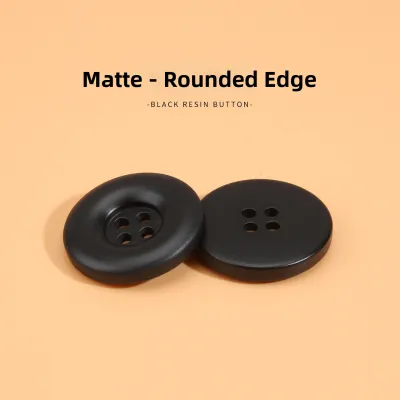
When selecting these buttons, prioritize smooth, rounded-edge styles rather than sharp, hard-edged designs. Rounded edges minimize friction and prevent the button from slowly abrading delicate sewing threads or fine fabric fibers over repeated daily wear.
Blazers and Suit Jackets
Blazers and suit jackets require medium-sized black buttons, typically ranging from 15mm to 23mm (24L to 36L). A standard single-breasted or double-breasted jacket uses larger buttons for the main front closure and smaller, matching versions along the sleeve cuffs. Keeping these proportions consistent is key to maintaining the tailored look of the garment.
The finish of your black buttons heavily influences the formality and overall aesthetic of your blazer. High-gloss resin or polished metal buttons offer a sharp, formal appearance, while matte finishes or textured horn-look materials provide a more relaxed, contemporary feel.
For structured suiting fabrics like wool crepe, flannel, or heavy linen, consider choosing shank buttons for the front closure. The shank raises the button slightly off the fabric, allowing the overlapping front panel of the jacket to sit neatly underneath without pulling or puckering.
Coats and Heavy Outerwear
Heavy outerwear, such as wool overcoats, trench coats, and parkas, requires large black buttons measuring 23mm to 30mm (36L to 48L) or even larger. These substantial sizes are necessary to match the scale of thick outerwear fabrics and to ensure the buttons can be easily fastened while wearing gloves.
A shank structure is virtually mandatory for heavy coats to accommodate the thick layers of wool, lining, and interfacing. Without a shank, a flat button sewn tight to the fabric will compress the layers, causing unsightly puckering and putting immense stress on the sewing thread.
Because outerwear is exposed to harsh weather and physical strain, check the product specifications or labels for impact resistance and low-temperature durability. High-quality nylon, urea, or heavy-duty metal buttons are excellent choices that resist cracking when exposed to cold winds or accidental impacts.
Choosing the Right Backing: Shank vs. Flat Buttons
The choice between a flat button and a shank button is not merely aesthetic; it is a fundamental structural decision based on fabric thickness and mechanical stress. Flat buttons feature two or four holes drilled directly through the face, allowing the thread to secure the button flush against the garment surface. This flush fit is perfect for lightweight shirts and the cuffs of jackets where minimal profile is desired, but it offers very little clearance for overlapping fabric layers.
Shank buttons, on the other hand, feature a solid face with a small loop or protrusion on the underside through which the thread is passed. This design inherently creates a built-in spacer, raising the button body away from the garment surface. This clearance is vital for medium-to-heavy fabrics, as it provides a dedicated space for the buttonhole layer to rest comfortably beneath the button without distorting the fabric or straining the stitches.
When evaluating the stress points of your garment, use the rule of thumb that high-tension areas require more clearance and stronger thread anchors. The waist closure of a fitted coat or the main front button of a blazer experiences constant lateral pull during movement. Using a shank button—or creating a thread shank with a flat button by sewing over a spacer like a toothpick—prevents the button from tearing out of the fabric under pressure.
Material and Finish Considerations for Black Buttons
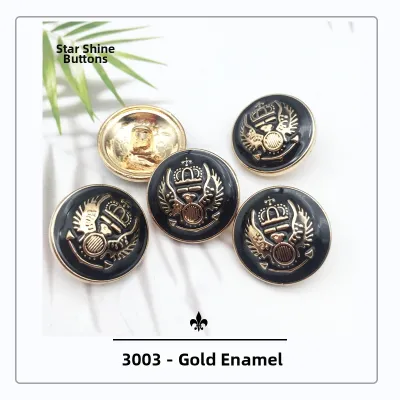
Black buttons are available in a wide array of materials, each offering distinct visual weights, textures, and durability profiles. Plastic and polyester resin buttons are highly versatile, lightweight, and cost-effective, making them a common choice for everyday wear. Metal buttons, whether solid brass painted black or dark gunmetal alloys, add a distinct weight and a classic, military-inspired or premium feel to blazers and coats. Natural materials like black horn, corozo (tagua nut), or shell provide unique, organic grain patterns that elevate bespoke tailoring.
The surface finish you choose can completely transform the character of a garment. A high-gloss black button catches the light, drawing attention to the closure and adding a polished, formal touch to evening wear. Matte finishes absorb light, offering a subtle, modern, and understated look that blends seamlessly into casual or minimalist designs. Textured or rimmed finishes add tactile interest and can help disguise minor scratches that accumulate over time.
Before purchasing, always verify the washing and dry-cleaning compatibility listed on the button’s packaging or product specifications. Some natural materials or painted metal buttons can degrade, lose their luster, or rust when exposed to harsh dry-cleaning solvents or high-temperature laundry cycles. If you frequently dry-clean your blazers or coats to maintain them in Singapore’s humid climate, choosing high-quality, solvent-resistant resin or premium horn buttons will prevent premature fading and cracking.
Practical Fitting and Sewing Checks
Before you begin sewing a full set of new black buttons onto your garment, perform a quick pre-sewing check to save time and avoid fabric damage. Take one of your new buttons and gently push it through the existing buttonhole of your garment. It should slide through smoothly with a slight amount of resistance; if you have to force it, the button is too large or thick, and attempting to use it will eventually fray the buttonhole edges.
Next, select a sewing thread that matches both the weight of the fabric and the color of the button. For heavy coats and blazers, standard sewing thread is often too weak; instead, opt for heavy-duty buttonhole twist or waxed polyester thread. If you are attaching heavy buttons to a delicate or loosely woven fabric, consider using a small, flat “backing button” on the inside of the garment. This backing button sandwich distributes the physical pull across a wider area, preventing the main button from ripping a hole in your fabric.
While replacing a shirt button is a straightforward DIY task, some situations warrant the expertise of a professional tailor. If you are working with expensive cashmere coats, delicate silk blouses, or structured leather jackets, professional tools and techniques are required to avoid permanent needle marks or structural damage. A local tailor can also professionally reinforce worn buttonholes, ensuring your new black buttons remain securely attached for years to come.
Frequently Asked Questions (FAQ)
Can I use the same black buttons for both a shirt and a blazer?
Generally, you should avoid using the same black buttons for both shirts and blazers due to significant differences in size, thickness, and structure. Shirt buttons are typically small (10mm to 13mm), flat, and thin, which will look completely out of proportion on a structured blazer and fail to hold the heavier fabric closed. Conversely, blazer buttons are larger, thicker, and often feature shanks that will stretch out or tear the delicate buttonholes of a lightweight dress shirt.
How do I prevent black plastic buttons from fading or cracking?
To prevent black plastic buttons from fading, cracking, or developing a cloudy white residue, always follow the garment manufacturer’s care label and the button’s washing instructions. Avoid exposing the buttons to excessively high heat in tumble dryers or direct iron contact, as extreme heat can warp or weaken the plastic. Additionally, regularly inspect your buttons for early signs of wear, such as micro-cracks or fading edges, and replace them promptly to prevent them from breaking unexpectedly during wear.
Community discussion
Share your experience or ask a question. Comments are reviewed before publication.